


 Előnézet
 Megosztás
 Megosztás
 Részletek
 Útmutató

 Letöltés
 Hasonló darabok
 X-ray felvétel
 Diavetítés
 Statisztika
notre dame


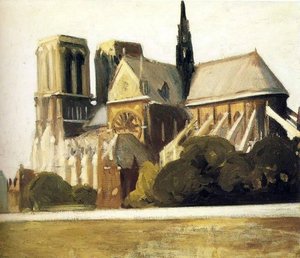
Edward Hopper’s haunting depiction of Notre Dame Cathedral embodies American Modernism's contemplative mood, capturing the cathedral’s grandeur against a backdrop of serene Parisian trees—a timeless masterpiece inviting viewers to contemplate beauty and solitude.
 Tovább olvasom
Edward Hopper: amerikai realizmus mestere, a magány és az urbán élet évtizedeihez illő fényekkel és árnyakkal. Nighthawks, Monhegan Houses ikonikus festményei!
Kézzel készített olajfestmény reprodukció
Kézzel festett olajvastú vászon, az Ön által választott méretben és keretben, művészeink készítik meglévőre. ( Váltás nyomtatványra Áttérés digitális képre)




P118B $10

P118H $10

P118W $10

P438Z $10

P508JH $12

P508YH $12

P805H $10

P805Z $10

P919BZ $10

P919G $10

P919XJ $10

P959ZH $10

P968JZ $12

W106C $8

W218G $10

W218JH $8

W218Y $10

W307PJ $10

W316G $10

W316PJ $8

W316Y $10

W398PJ $8

W4111J $10

W500HY $15

W500JH $15

W692G $12

W849H $8

W940BG $15

W953PJ $8




Standard méret
egyedi
CM
INCH
Válasszon előre meghatározott méreteink közül, amelyek megfelelnek a műalkotás eredeti arányainak.
Loading sizes...

szélesség
magasság
Ön megadhat saját méreteket egy adott kerethez vagy térhez igazításhoz. Ha a kiválasztott méret nem egyezik az eredeti kép arányával, akkor a műalkotást levágjuk, vagy további kézzel festett elemekkel meghosszabbítjuk a festményt. A gyártás megkezdése előtt küldünk Önnek egy digitális előnézetet jóváhagyásra.
Kérjük, vegye figyelembe, hogy a képernyőn megjelenő előnézet nem tükrözi a tényleges vágást vagy kiterjesztést. Csak az előnézet fog pontosan mutatni a végső kompozíciót.
Bár egyedi méretek állnak rendelkezésre, javasoljuk, hogy válasszon egy méretet az előre meghatározott listából az eredeti arányok megőrzése érdekében.
Példák arra, mit lehet módosítani: az arc kicserélése az ügyfél fotójára; háziállat hozzáadása (pl. macska helyett kutya); rejtett üzenet elhelyezése a háttérben; a háttér tájának vagy elemeinek megváltoztatása.
A rendelést követően a TopImpressionists.com csapata e-mailt küld az ügyfélnek az instrukciókért, és biztosít egy előnézeti képet (mockup).
A rendelést követően a TopImpressionists.com csapata e-mailt küld az ügyfélnek az instrukciókért, és biztosít egy előnézeti képet (mockup).
Világszerte elérhető szállítás () 3-4 hét alatt a szokásos 5 hét helyett. (26 szeptember). A minőség nem kérdőjelezhető.

Ingyenes globális expressz szállítás

Prémium minőségű len vászon

Teljes körű szállítási biztosítás

Vámvisszatérítési Garancia

Tökéletes színarányosság garancia

100 napos visszaküldési garancia (csak gyártási hibás termékek esetén)

100% pénzvisszatérítési garancia

Több darab vásárlásakor kedvezmény
 Az üvegkeretes opció csak 110 cm alatti méretben érhető el

notre dame
Reprodukciós technika
Reprodukció méretei
-


Összesített ár
$ 269
A Symphony of Solitude: Reimagining Hopper’s Notre Dame
In the quietude of Edward Hopper’s 1931 masterpiece, Notre Dame, we find more than just a depiction of a Parisian landmark; we encounter a profound meditation on the human condition. The painting presents the iconic cathedral not as a bustling center of pilgrimage, but as a monumental silhouette etched against the deepening hues of a twilight sky. Through Hopper’s lens, the architectural grandeur of the Gothic structure becomes a vessel for urban loneliness. The composition captures the cathedral's imposing presence, where its massive clock tower and intricate spires command the viewer's attention, yet there is an unmistakable sense of detachment. As the light fades, the cathedral stands as a silent sentinel over a world that feels increasingly fragmented and solitary.
The technical brilliance of this work lies in Hopper’s mastery of tonal gradation and his ability to sculpt form through light and shadow. Executed in oil on canvas, the painting avoids the frantic energy of more expressive movements, opting instead for a disciplined, stark realism. Hopper employs thin, deliberate layers of paint that allow the underlying textures to breathe, creating an atmospheric depth that pulls the viewer into the cooling evening air. His palette is intentionally muted, utilizing subtle shifts in tone to evoke the melancholy of dusk. This restrained approach ensures that every shadow carries weight and every highlight serves to emphasize the profound stillness that permeates the scene.
Historical Resonance and Symbolic Depth
To understand Notre Dame, one must look toward the historical landscape from which it emerged. Created during the early years of the Great Depression, the painting reflects the pervasive anxieties of an era defined by economic instability and rapid social transformation. While the subject matter is European, the emotional core is deeply rooted in the American experience of the time—a period marked by a growing sense of alienation within the modernizing cityscape. Hopper utilizes the cathedral as a powerful symbol of enduring tradition and spiritual permanence, standing in stark contrast to the transient, anonymous figures scattered at its base. These sparsely populated figures, caught in moments of quiet contemplation or movement, underscore the difficulty of finding true connection in an increasingly impersonal world.
For the discerning collector or interior designer, this artwork offers a sophisticated emotional anchor for any space. It is a piece that invites introspection rather than mere observation. The painting’s ability to balance monumental scale with intimate emotion makes it a versatile choice for creating atmospheres of serenity, strength, and thoughtful elegance. Whether placed in a contemporary gallery setting or a classic study, Hopper’s vision of Notre Dame serves as a timeless reminder of the beauty found in silence and the enduring majesty of history amidst the fleeting nature of modern life.
Hasonló műalkotások




A művész életrajza
A Solitude Observed: The Life and Art of Edward Hopper
Edward Hopper, a name inextricably linked to the quietude and subtle melancholy that permeated 20th-century American life, wasn’t simply a painter of scenes; he was a poet of light and shadow, a chronicler of modern isolation. Born in Nyack, New York, in 1882, to middle-class parents of Dutch ancestry, Hopper's early years provided a stable upbringing that nurtured his artistic inclinations. From childhood sketches meticulously dated and signed, it became evident that keen observation and an innate talent for drawing were central to his being. Though initially encouraged towards commercial illustration – a pragmatic suggestion from his parents – Hopper’s ambitions leaned toward fine art, leading him to the New York School of Art where he studied under William Merritt Chase and Robert Henri. These formative years instilled not only technical skill but also an appreciation for realism and a commitment to depicting the world as he saw it—unvarnished and honest. The writings of Ralph Waldo Emerson resonated deeply with Hopper, reinforcing his sense of individualism and acute observation – qualities that would become hallmarks of his artistic vision. Early travels to Paris exposed him to Impressionism, yet Hopper quickly diverged from its fleeting brushstrokes, forging a path uniquely his own.Finding His Voice: Realism and the American Scene
Hopper’s artistic journey wasn't immediate or effortless. He grappled with discovering his distinctive voice, experimenting with various styles before settling into the realism that would define his career. This wasn’t mere replication of reality; it was a distillation of its essence, stripping away extraneous detail to reveal underlying emotional truths. His paintings began to focus on everyday scenes – houses, diners, offices, hotel rooms – imbued with a sense of stillness and often, loneliness. He possessed an extraordinary ability to capture the psychological states of his subjects, hinting at narratives without explicitly stating them. The precise rendering of light and shadow became crucial, not merely as descriptive elements but as emotional cues, creating atmospheres that were both captivating and unsettling. House by the Railroad (1925), an early masterpiece, exemplifies this approach—a seemingly simple composition radiating a profound sense of isolation and mystery. Hopper’s printmaking, often overlooked, ran parallel to his painting, sharing similar themes and stylistic qualities, demonstrating his mastery across mediums. He wasn't interested in grand historical narratives or allegorical symbolism; he focused on the mundane, elevating it through careful observation and emotional resonance.Iconic Visions: Nighthawks and Beyond
While Hopper’s career unfolded gradually, certain works catapulted him to widespread recognition. Nighthawks (1942), arguably his most famous painting, became an instant icon of American culture. The late-night diner scene, bathed in stark fluorescent light, perfectly encapsulates the alienation and anonymity of modern urban life. The figures within are lost in their own thoughts, disconnected from one another despite their proximity—a poignant commentary on the human condition. Gas (1940), with its striking portrayal of a roadside gas station, showcases Hopper’s fascination with American landscapes and the burgeoning automobile culture. Other notable works like *Automat*, *Office in a Small City*, and *Summertime* each offer unique insights into the complexities of 20th-century American society. These paintings weren't merely depictions of places; they were explorations of mood, psychology, and the subtle dramas unfolding within ordinary settings. His wife, Josephine Nivison Hopper, played a vital role not only as his lifelong companion but also as a frequent model, contributing significantly to the characterization of his female figures.Themes and Legacy: A Lasting Influence
Several recurring themes permeate Hopper’s oeuvre. Urban isolation is perhaps the most prominent—the sense of loneliness experienced by individuals even amidst crowds. He explored the American landscape, both rural and urban, often emphasizing its starkness and emptiness. His work delves into psychological realism, probing the inner lives of his subjects with a sensitivity that transcends mere representation. There’s also an undercurrent of nostalgia for a simpler past, juxtaposed with an acknowledgement of the complexities and anxieties of modern life. Hopper's influence on subsequent artists is undeniable. His unique style has inspired countless painters, including Pierre Sanford Ross, and continues to resonate with contemporary artists seeking to capture the essence of human experience. His paintings remain highly sought after by collectors and are exhibited in major museums worldwide, solidifying his place as a pivotal figure in American art history. More than just an artist, Edward Hopper was a visual philosopher, offering profound insights into the human condition through his masterful use of light, shadow, and composition.- His legacy lies not only in the beauty of his paintings but also in their enduring ability to provoke thought, evoke emotion, and remind us of the quiet solitude that often defines our lives.
- Hopper’s work continues to captivate audiences because it speaks to universal themes of loneliness, isolation, and the search for meaning in a rapidly changing world.
- His paintings have become iconic representations of American culture, often used to symbolize the anxieties and aspirations of the 20th century—and beyond.
- Hopper’s aesthetic has profoundly influenced filmmakers (like Alfred Hitchcock) and writers, inspiring countless works that explore similar themes of alienation and psychological tension.

Edward Hopper
1931 - 1967 , Egyesült Államok
Gyors információk
- Artistic Movement Or Style: Realista
- Artists Or Movements Influenced By This Artist: ['Pierre Sanford Ross']
- Artists Who Influenced This Artist:
- William Chase
- Robert Henri
- Date Of Birth: 1882. július 22.
- Date Of Death: 1967. május 15.
- Full Name: Edward Hopper
- Nationality: Amerikai
- Notable Artworks:
- Nighthawks
- House by the Railroad
- Gas
- Place Of Birth: Nyack, USA
Kapcsolódó cikkek

Capturing the Soul of Nature: A Journey Through the Sublime Majesty of American Romanticism
Explore the breathtaking beauty of American Romanticism. Discover how Hudson River School masters captured the sublime spirit of the wilderness through luminous oil landscapes and emotional depth. A journey into the soul of nature for the true art enthusiast.
Fedezze fel a műalkotásokat témák, stílusok és jellemzők szerint csoportosítva.


