


 Előnézet
 Megosztás
 Megosztás
 Részletek
 Útmutató

 Letöltés
 Hasonló darabok
 X-ray felvétel
 Diavetítés
 Statisztika
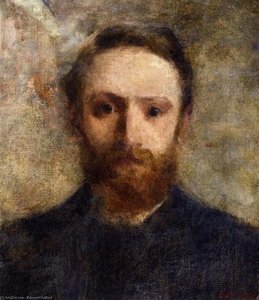
Self Portrait
 Oil On Canvas
- WallArt
- Impressionism
 1870
1870- 19th Century
 46.0 x 38.0 cm
A striking 1870 self-portrait by Impressionist master Frédéric Bazille captures a serious, intellectual gaze through masterful brushwork, offering a profound window into the artist's soul for your private collection.
 Tovább olvasom
Fedezze fel Jean Frédéric Bazille (1841-1870) lenyűgöző impresszionista festészetét! Élvezze a ragyogó tájak, portrékat és a Monet, Renoir, Sisley barátságát. Kínálunk kiváló minőségű reprodukciókat!
Kézzel készített olajfestmény reprodukció
Kézzel festett olajvastú vászon, az Ön által választott méretben és keretben, művészeink készítik meglévőre. ( Váltás nyomtatványra Áttérés digitális képre)




P118B Ft10

P118H Ft10

P118W Ft10

P438Z Ft10

P508JH Ft12

P508YH Ft12

P805H Ft10

P805Z Ft10

P919BZ Ft10

P919G Ft10

P919XJ Ft10

P959ZH Ft10

P968JZ Ft12

W106C Ft8

W218G Ft10

W218JH Ft8

W218Y Ft10

W307PJ Ft10

W316G Ft10

W316PJ Ft8

W316Y Ft10

W398PJ Ft8

W4111J Ft10

W500HY Ft15

W500JH Ft15

W692G Ft12

W849H Ft8

W940BG Ft15

W953PJ Ft8




Standard méret
egyedi
CM
INCH
Válasszon előre meghatározott méreteink közül, amelyek megfelelnek a műalkotás eredeti arányainak.
Loading sizes...

szélesség
magasság
Írja be a kívánt szélességet és magasságot, hogy illeszkedjen a keretéhez vagy a falához. Mivel ez kézzel festett alkotás, egy eltérő formájú méret esetén a művész akár festhet is valamivel többet a kép körül, vagy korolathat is belőle — az Ön döntésének megfelelően. A festés megkezdése előtt küldünk egy digitális tervezetet jóváhagyásra. Az oldalon látható kép nem tartalmazza a végeredményt — csak a tervezet mutatja meg a valódi eredményt.
Példák arra, mit lehet módosítani: az arc kicserélése az ügyfél fotójára; háziállat hozzáadása (pl. macska helyett kutya); rejtett üzenet elhelyezése a háttérben; a háttér tájának vagy elemeinek megváltoztatása.
A rendelést követően a TopImpressionists.com csapata e-mailt küld az ügyfélnek az instrukciókért, és biztosít egy előnézeti képet (mockup).
A rendelést követően a TopImpressionists.com csapata e-mailt küld az ügyfélnek az instrukciókért, és biztosít egy előnézeti képet (mockup).
Világszerte elérhető szállítás () 3-4 hét alatt a szokásos 5 hét helyett. (20 október). A minőség nem kérdőjelezhető.

Ingyenes globális expressz szállítás

Prémium minőségű len vászon

Teljes körű szállítási biztosítás

Vámvisszatérítési Garancia

Tökéletes színarányosság garancia

100 napos visszaküldési garancia (csak gyártási hibás termékek esetén)

100% pénzvisszatérítési garancia

Több darab vásárlásakor kedvezmény
 Az üvegkeretes opció csak 110 cm alatti méretben érhető el

Self Portrait
Reprodukciós technika
Reprodukció méretei
-


Összesített ár
Ft 84891
A Glimpse into the Soul of an Impressionist Master
In this poignant Self Portrait, painted in 1870, we encounter Frédéric Bazille not merely as a painter, but as a man caught in the delicate transition between youthful ambition and the heavy mantle of artistic legacy. The canvas presents a striking study of character; the subject gazes directly at the viewer with an expression that is simultaneously serious and deeply introspective. Clad in the crisp formality of a white shirt and a black tie, his neatly combed hair lends him an air of intellectual rigor, yet there is an undeniable vulnerability beneath the surface. This work serves as a profound window into the psyche of a man whose life would be tragically cut short at the height of his creative powers.
The composition is masterfully layered, moving beyond a simple portrait to create a narrative space that feels lived-in and complex. While the central figure commands our immediate attention, the presence of other figures—one positioned toward the right and another receding into the background on the left—suggests a world teeming with social connection and shared history. A subtle, almost ethereal detail, a bird visible near the top-left corner, introduces an element of unexpected life and perhaps symbolizes the fleeting nature of existence. The inclusion of a chair at the far right edge anchors the scene in a domestic reality, grounding the psychological depth of the portrait within a tangible, physical environment.
Technique and the Radiance of Light
As a pivotal figure in the early Impressionist movement, Bazille’s technique in this self-portrait reflects a sophisticated command over light and form. The brushwork, while maintaining a certain structural integrity characteristic of his academic training, begins to embrace the luminous qualities that would define his later contributions to art history. There is a palpable sense of texture in the rendering of his clothing and the subtle shadows that contour his face, creating a three-dimensional presence that breathes within the frame. The interplay of light across the subject's features does more than just define shape; it evokes an emotional temperature, capturing a moment of quiet, contemplative stillness.
For the discerning collector or interior designer, this piece offers much more than mere decoration. It is an invitation to engage with the history of French Impressionism through a deeply personal lens. The painting’s palette and composition make it a versatile centerpiece for a sophisticated interior, providing a focal point that sparks conversation and invites lingering study. Whether placed in a sunlit gallery or a moody, library-style study, this reproduction brings with it the weight of 19th-century history and the enduring beauty of a master's self-reflection.
Gyakran Ismételt Kérdések
Megtekinthetem a „Self Portrait”, Jean Frédéric Bazille alkotása alkotást rendelés előtt?
A „Self Portrait” Előnézet oldalán megtekintheti a művészeti alkotást megrendelés előtt.
Milyen viszonyban állnak egymáshoz a "Self Portrait" színei?
A "Self Portrait" színharmóniája úgy van rögzítve, mint Strong Color Unity.
Miről szól a "Self Portrait"?
A "Self Portrait" alkotás tárgyai: self portrait, man with beard, impressionism, male figure, 19th century art, portraiture.




A művész életrajza
The Brief Radiance of Jean Frédéric Bazille
Jean Frédéric Bazille’s story is one of immense promise tragically cut short, a fleeting yet significant contribution to the burgeoning Impressionist movement. Born in Montpellier, France, on December 6, 1841, into a prosperous Protestant family involved in wine production, Bazille initially seemed destined for a life far removed from the world of art. His parents, while supportive, insisted he pursue medical studies alongside his artistic inclinations – a compromise reflecting the societal expectations of the time and their desire for his financial security. This duality would shape his early years, dividing his attention between anatomical dissection and the captivating allure of color and light. However, it was within the vibrant atmosphere of Paris, where he relocated in 1862 to continue his medical training, that Bazille’s artistic path truly began to unfold.Forging a Path Amongst Giants
Paris proved to be a crucible for young Bazille. He quickly fell in with a circle of artists who would become synonymous with Impressionism: Claude Monet, Pierre-Auguste Renoir, and Alfred Sisley. Studying under Charles Gleyre provided him with formal training, but it was the shared passion and radical ideas exchanged amongst these friends that truly ignited his artistic vision. Bazille’s financial stability – a fortunate contrast to the often precarious existence of his companions – allowed him to generously support them, offering studio space and materials. This generosity wasn’t merely practical; it stemmed from a deep camaraderie and belief in their collective potential. He became a vital hub for this emerging group, fostering an environment of experimentation and mutual encouragement. His early works, like *The Pink Dress* (c. 1864), already demonstrate a keen eye for capturing fleeting moments and the effects of light – hallmarks that would define Impressionism. He wasn’t simply mimicking established styles; he was actively participating in the creation of something entirely new. Bazille's palette, influenced by Delacroix, combined with his own unique sensitivity to light, created a distinctive style.A Style Defined by Light and Friendship
Bazille's artistic style, though developing rapidly, possessed a unique character within the broader Impressionist aesthetic. While sharing their fascination with *plein air* painting – working outdoors to directly capture the nuances of natural light – his compositions often exhibited a more structured quality than Monet’s or Renoir’s. He frequently combined figure painting with landscape, placing his subjects thoughtfully within their environment, as seen in masterpieces like *Family Reunion* (1867-1868). This work is not merely a depiction of familial gathering; it's an exploration of light filtering through the trees, animating the scene and imbuing it with a sense of warmth and intimacy. His paintings weren’t just about *what* he saw, but *how* he saw it – the emotional resonance evoked by color, form, and light. He was deeply influenced by Eugène Delacroix, whose vibrant use of color resonated with his own artistic sensibilities, yet he moved beyond academic conventions to embrace a more modern sensibility. Bazille’s work often featured intimate scenes of everyday life, rendered with remarkable sensitivity and attention to detail.A Life Interrupted: Legacy and Remembrance
The blossoming career of Jean Frédéric Bazille was brutally interrupted by the Franco-Prussian War in 1870. Driven by a sense of patriotic duty, he joined a Zouave regiment just months after the conflict erupted. Tragically, he was killed in action on November 28, 1870, at the young age of 28, near Beaune-la-Rolande. His death sent shockwaves through the artistic community, robbing them of a talented friend and generous benefactor. His premature demise meant his work remained relatively unknown for many years. However, in recent decades, Bazille’s contributions have been increasingly recognized and celebrated. Today, his paintings are held in prestigious museums like the Musée d'Orsay in Paris, and reproductions allow art lovers worldwide to experience the beauty and innovation of his vision. Bazille’s legacy extends beyond his artistic output; he embodies the spirit of youthful idealism, unwavering dedication, and the power of friendship that defined the early days of Impressionism. He remains a poignant reminder of the potential lost, yet also a testament to the enduring impact of a brief but brilliant career.Key Works
Here are some of Bazille’s most significant paintings:- The Pink Dress (c. 1864) – A study in light and color, capturing a fleeting moment of feminine grace.
- Family Reunion (1867-1868) – A masterful depiction of familial warmth, showcasing his ability to integrate figures into the landscape.
- Summer Scene (1869) – A vibrant portrayal of a summer afternoon, bathed in golden light.
- Studio in Rue de Furstenberg (c. 1874) - A glimpse into the creative world of Bazille and his friends.
Further Information
Useful Links:- Bazille műterme – A detailed account of Bazille’s studio in Paris.
- Családi találkozó (Bazille-kép) – Analysis of the *Family Reunion* painting.
- Frédéric Bazille önarcképe (Chicago) – Examination of his self-portrait.
- Nyári jelenet (Bazille-kép) – Detailed description of *Summer Scene*.
- Frédéric Bazille (1841-1870) - Musée protestant – Biographical information from the Protestant Museum.

Jean Frédéric Bazille
1841 - 1870 , Franciaország
Gyors információk
- Artistic Movement Or Style: Impressionista
- Artists Or Movements Influenced By This Artist: ['Impressionizmus']
- Artists Who Influenced This Artist: ['Delacroix']
- Date Of Birth: December 6, 1841
- Date Of Death: November 28, 1870
- Full Name: Jean Frédéric Bazille
- Nationality: Francia
- Notable Artworks:
- A Pink Dress
- Family Reunion
- Studio Rue Furstenberg
- Place Of Birth: Montpellier, Francia
Kapcsolódó cikkek

Monochrome Visions: Exploring the Aesthetic & Historical Significance of Black & White Photography
Explore the rich history & artistic power of black and white photography. From early techniques to iconic masters like Ansel Adams, discover why monochrome continues to captivate art lovers today. Expert insights for collectors.

A Fehér Szín Mesterei: 10 Híres Festmény, Amelyek Elvarázsolnak – TopImpressionists.com
Fedezze fel a 10 legikonikusabb fehér tónusú festményt! Monet, Van Gogh és más mesterek alkotásainak története. Vászonképek, reprodukciók – inspiráció otthonába. TopImpressionists.com: minőségi művészet online.

A Fekete Szín Mesterei: 10 Híres Festmény, Amelyek Elvarázsolnak – TopImpressionists.com
Fedezze fel a 10 leghíresebb, fekete tónusú festményt! Rembrandt, Goya és Manet remekművei elvarázsolják. Művészettörténet, inspiráció otthonába – TopImpressionists.com kínálatából. Fedezze fel a teljes gyűjteményt online!

A sötét szépség: 10 híres festmény a 'Mars Black' árnyalataiban | TopImpressionists
Fedezze fel a 10 leghíresebb festményt, melyeket a 'Mars Black' mély árnyalatai dominálnak! Rembrandt, Goya és Picasso remekművei – történetük, technikájuk és időtlenségük. Múzeumi minőségű művészeti reprodukciók otthonába. Fedezze fel a teljes gyűjteményt a TopImpressionists.com-on!

Shadow & Soul: Why Black & White Photography Remains the Ultimate Power Move in Modern Art
Discover why black & white photography remains a powerful force in contemporary art. Explore the impact of light, shadow, and texture through a visual journey of monochrome mastery and learn how to elevate your space with timeless grayscale aesthetics.
Fedezze fel a műalkotásokat témák, stílusok és jellemzők szerint csoportosítva.

