Anteprima in scala reale
 Condividi
 Condividi
 Dettagli
 Guida
Guida

 Scarica
 Articoli simili
 Radiografia
 Slideshow
 Statistiche
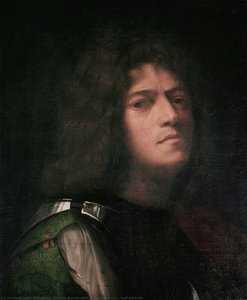
A Young Man - Il Giovane Uomo


Il Giovane Uomo di Giorgione: Un enigma veneziano che rivoluzionò la pittura rinascimentale con colori vibranti e una poesia senza pari. Scopri l'opera maestra del suo tempo.
 Leggi tutto
Scopri Giorgione (1477/8-1510), un pittore veneziano chiave del Rinascimento alto. Esplora le sue opere liriche ed enigmatiche che enfatizzano colore e atmosfera, come 'La Tempesta' e 'Il Concerto pastorale'. Fondatore della Scuola Veneta, influenzando Tiziano e oltre.
Riproduzione a olio fatta a mano
Olio su tela dipinto a mano nelle tue dimensioni e con la tua cornice, realizzato su ordinazione dai nostri artisti. ( Passa alle stampe Passa all'immagine digitale)




P118B $10

P118H $10

P118W $10

P438Z $10

P508JH $12

P508YH $12

P805H $10

P805Z $10

P919BZ $10

P919G $10

P919XJ $10

P959ZH $10

P968JZ $12

W106C $8

W218G $10

W218JH $8

W218Y $10

W307PJ $10

W316G $10

W316PJ $8

W316Y $10

W398PJ $8

W4111J $10

W500HY $15

W500JH $15

W692G $12

W849H $8

W940BG $15

W953PJ $8




Standard
personalizzato
CM
INCH
Scegli tra le nostre dimensioni predefinite, che rispettano le proporzioni originali dell'opera d'arte.
Loading sizes...

larghezza
altezza
È possibile inserire dimensioni personalizzate per adattare l'opera a una cornice o a uno spazio specifico. Se la dimensione selezionata non corrisponde alle proporzioni dell'immagine originale, provvederemo a ritagliare l'opera o a estendere il dipinto con elementi aggiuntivi dipinti a mano. Un mockup digitale ti sarà inviato per approvazione prima dell'inizio della produzione.
Si prega di notare che l'anteprima a schermo non riflette il ritaglio o l'estensione effettivi. Solo il mockup mostrerà accuratamente la composizione finale.
Sebbene siano disponibili dimensioni personalizzate, consigliamo di selezionare una dimensione dall'elenco predefinito per preservare le proporzioni originali.
Esempi di personalizzazione: sostituire il volto con una foto del cliente; aggiungere un animale domestico (ad esempio, sostituire un gatto con un cane); inserire un messaggio nascosto nello sfondo; cambiare il paesaggio o gli elementi dello sfondo.
Dopo l'ordine, il team di TopImpressionists.com contatterà il cliente via e-mail per ricevere le istruzioni e fornirà un'anteprima del mockup
Dopo l'ordine, il team di TopImpressionists.com contatterà il cliente via e-mail per ricevere le istruzioni e fornirà un'anteprima del mockup
Consegna in tutto il mondo () in 3/4 settimane anziché nelle normali 5 settimane. (24 Settembre). Nessun compromesso sulla qualità.

Spedizione espressa gratuita in tutto il mondo

Tela in lino di alta qualità

Assicurazione completa sulla spedizione

Garanzia di rimborso dei dazi doganali

Garanzia di perfetta fedeltà cromatica

Politica di reso entro 100 giorni (solo per difetti di fabbricazione)

Garanzia di rimborso al 100%

Sconto per acquisti multipli
 L'opzione vetro è disponibile solo per dimensioni inferiori a 110 cm

A Young Man - Il Giovane Uomo
Tecnica di riproduzione
Dimensioni della riproduzione
-


Prezzo totale
$ 269
Introduction
This article delves into Giorgione’s ‘A Young Man,’ exploring its artistic significance within the Venetian Renaissance and examining how it continues to resonate with audiences today. We aim to illuminate not only the painting's visual elements but also the broader cultural context that shaped its creation, offering insights for art enthusiasts and collectors alike.The Artist: Giorgio Barbarelli Da Castelfranco
Giorgio Barbarelli da Castelfranco, universally known as Giorgione (1470s – 1510), remains one of the most enigmatic figures in High Renaissance painting. Despite producing only a handful of confirmed works—a fact that has fueled scholarly debate for centuries—his paintings are celebrated for their unparalleled lyrical beauty and profound psychological depth. Unlike many artists of his era whose lives unfold with relative clarity, Giorgione’s story is shrouded in mystery, pieced together from fragmentary archival records and the romanticized accounts of Giorgio Vasari. Born in Castelfranco Veneto, near Venice, he possessed a remarkable intellect and cultivated an appreciation for humanist ideals—characteristics that mirrored those prevalent throughout the Venetian Republic during his formative years. His artistic training began under Giovanni Bellini, arguably the most influential painter of his time, absorbing the established traditions of Venetian art before forging his own distinctive path.The Painting: A Young Man
‘A Young Man,’ an oil painting on canvas measuring 58 x 46 cm, resides in the Staatliche Museen Berlin. Its provenance is uncertain, adding to its allure and prompting ongoing speculation about its origins and artistic influences. The painting depicts a young man seated outdoors, gazing intently at something held in his hand—perhaps a book or a scroll—creating an image of contemplative introspection. Giorgione’s masterful use of color—particularly the dominant pink shirt against a darker tonal palette—immediately establishes a mood of serene melancholy.Style and Technique
Giorgione revolutionized Venetian painting with his innovative approach to technique, characterized by loose brushwork and a subtle gradated coloration that achieved an ethereal atmospheric effect. Unlike the meticulous detail favored by artists like Leonardo da Vinci or Michelangelo, Giorgione prioritized capturing the essence of emotion and mood over precise representation. In ‘A Young Man,’ he employed a darker ground—a technique common in Venetian painting—and built up his composition progressively from darker to lighter tones, simulating the diffusion of light through foliage and creating an illusion of depth that transcends mere visual observation. This method reflects Giorgione’s broader artistic philosophy: to convey not just what is seen but also what is felt.Subject Matter and Context
‘A Young Man’ exemplifies Giorgione's pioneering exploration of psychological portraiture, marking a decisive break from the conventions of earlier Venetian portraits that focused primarily on formal dignity and aristocratic status. Giorgione sought to capture the inner life of his subject—his thoughts, emotions, and aspirations—introducing motifs and compositional devices reminiscent of pastoral landscapes and mythological narratives. This stylistic choice underscores Giorgione’s engagement with humanist ideals and reflects the broader cultural climate of Venice during the Renaissance, where intellectual curiosity and artistic experimentation flourished. He was a pivotal figure in the Venetian School, alongside Titian, Tintoretto, Paolo Veronese, and Jacopo Bassano—artists who collectively transformed Venetian painting into one of Europe's most celebrated traditions. The Venetian School’s legacy continues to inspire artists today, demonstrating the enduring power of Giorgione’s vision.Conclusion
‘A Young Man’ stands as a testament to Giorgione’s genius—a masterpiece that embodies the spirit of High Renaissance painting and anticipates many developments in subsequent artistic movements. Its subtle coloration, atmospheric perspective, and evocative portrayal of human emotion solidify its place among Venice's most treasured artworks. It serves as an exceptional example of Venetian art history and invites contemplation on themes of beauty, melancholy, and inner reflection.Related Paintings
If you are interested in Giorgione’s oeuvre, explore our reproductions of his other celebrated works: - Adoration of the Shepherds - Portrait of a Young ManSources
For further information about Giorgione and his artistic achievements, consult the following resources: - National Gallery of Art, Giorgione and the High Renaissance in Venice - Web Gallery of Art, Portrait of a Young Man by GIORGIONE - Museum of Fine Arts Budapest, Portrait of a Young Man (The Broccardo Portrait) - Giorgione - Encyclopædia Britannica, Giorgione | Italian Renaissance Painter & Master of ColorBiografia dell'artista
un breve ma brillante carriera nel Rinascimento alto
giorgione (1477/78 o 1473/74 – 1510), un illustre pittore del Rinascimento alto della scuola veneziana, ha lasciato un segno indelebile nel mondo dell'arte nonostante la sua breve carriera e il numero limitato di opere confermate. I suoi dipinti sono lodati per le loro qualità liriche ed enigmatiche, con solo pochi che vengono definitivamente attribuiti a lui.contributo allo stile pittorico veneziano
Il contributo di Giorgione, insieme al leggendario Tiziano, ha gettato le basi per lo stile pittorico veneziano, distinto per l'enfasi sul colore e sull'atmosfera rispetto all'approccio guidato dalla linea dell'arte fiorentina. Questo approccio innovativo ha aperto la strada alle future generazioni di artisti.opere notevoli e il loro significato
- ritratto di un gentiluomo veneziano (76 x 64 cm, Rinascimento alto, olio su tela): un capolavoro che mostra la maestria di Giorgione nel catturare l'essenza dei suoi soggetti.
- concerto pastorale (fête champêtre) (110 x 138 cm, musée du louvre, Parigi, Francia, Rinascimento alto, olio su tela): dimostra la capacità di Giorgione di evocare emozioni attraverso il suo lavoro.
- Giuditta (1504) (olio su tela, trasferito da pannello, 144 x 68 cm, Hermitage, San Pietroburgo): un dipinto precoce dell'artista, inizialmente attribuito a Raffaello, che mostra la crescita e l'esperimentazione di Giorgione.
eredità e influenza
Giorgione rimane una figura enigmatica nella storia dell'arte, con la sua vita e le sue opere avvolte nel mistero, aumentando l'intrigo e la profondità della sua eredità artistica. La sua influenza può essere vista nelle opere di artisti successivi, che hanno costruito sulle fondamenta che ha posto nella scuola veneziana. Esplora altre opere di Giorgione su TopImpressionists: * Giorgione (giorgio barbarelli da castelfranco) * ritratto di un gentiluomo veneziano * concerto pastorale (fête champêtre) Scopri il movimento artistico della pittura veneziana su TopImpressionists: * il movimento artistico della pittura veneziana
Giorgione
1477 - 1510 , Italia
Informazioni rapide
- Artisti Influenti:
- Giovanni Bellini
- Mantegna
- Artisti Influenzati: ['Tiziano']
- Data Di Nascita: 1477/78 o 1473/74
- Luogo Di Nascita: Castel Franco Veneto, Italia
- Movimento Artistico: Rinascimento alto, Scuola Veneta
- Nazionalità: Italiana
- Nome Completo: Giorgione (Giorgio Barbarelli)
- Opere Notevoli:
- La Tempesta
- Concerto pastorale
- Venere addormentata
- Giuditta
- Ritratto di un gentiluomo
Articoli correlati

Golden Light & Rich Color: The Timeless Magic of Venetian Renaissance Art
Explore the luminous beauty of Venetian Renaissance art. Discover how masters like Titian used colorito and golden light to redefine painting through texture, emotion, and atmospheric brilliance in a masterclass of historical artistry.

The Soul of Impressionism: Why Oil on Canvas Captures Eternal Light and Timeless Emotion
Discover the enchanting alchemy of Impressionism. Explore how the mastery of oil on canvas, through glazing and impasto, captures eternal light and emotion. Perfect for lovers of Monet and Van Gogh seeking the profound depth of hand-painted fine art.

The Timeless Charm of Oil on Board: Reimagining Texture and Light through the Impressionist Lens
Discover the profound intimacy of oil on panel. Explore how Impressionist masters used rigid supports to capture light, texture, and impasto depth through exquisite, handmade oil reproductions for discerning collectors.
Esplora le opere d'arte organizzate per temi, stili e caratteristiche.