

 設置イメージを表示
 シェアする
シェアする シェアする
シェアする
 詳細を見る
詳細を見る ガイドを表示

 ダウンロード
 似ている作品
 X線調査
X線調査 スライドショーを表示
 Q&A
Q&A 統計情報
統計情報Pavilion

- 23.0 x 16.0 cm


Abanindranath Tagore's 'Pavilion' is a stunning pencil sketch capturing a majestic building with iconic domes, reflecting Mughal and Rajput influences & Swadeshi values. A masterpiece of Indian art.
 詳細を表示
詳細を表示
インド近代美術の先駆者であり、ベンガル派の創始者であるアバニンドナート・タゴール(1871-1951)をご紹介。スワデシの価値観と抒情的な美しさを反映した、ムガル様式、ラージプート様式、オリエンタリズムの影響を受けた絵画をご覧ください。
ジークレー/アートプリント
スピーディーな制作と多彩な仕上げオプションが魅力の、ミュージアムクオリティなジークレー・キャンバスプリント。 ( 手描き複製画を注文する デジタル画像販売へ切り替え)




P118B ¥10

P118H ¥10

P118W ¥10

P438Z ¥10

P508JH ¥12

P508YH ¥12

P805H ¥10

P805Z ¥10

P919BZ ¥10

P919G ¥10

P919XJ ¥10

P959ZH ¥10

P968JZ ¥12

W106C ¥8

W218G ¥10

W218JH ¥8

W218Y ¥10

W307PJ ¥10

W316G ¥10

W316PJ ¥8

W316Y ¥10

W398PJ ¥8

W4111J ¥10

W500HY ¥15

W500JH ¥15

W692G ¥12

W849H ¥8

W940BG ¥15

W953PJ ¥8




標準サイズ
オーダーメイド
CM
INCH
作品のオリジナル比率に合わせた、当店の規定サイズからお選びください。
Loading sizes...

横幅
高さ
額縁や壁のスペースに合わせて、ご希望の幅と高さを入力してください。プリントはカットすることは可能ですが、元の画像より大きくすることはできないため、異なる比率のサイズを選択された場合は、画像の一部が欠けることになります。印刷を開始する前に、内容を確認していただくためのデジタルモックアップをお送りいたします。このページに表示されている画像は、実際のカット後の状態を示すものではありません。実際の仕上がりはモックアップにてご確認ください。


 ガラスオプションは、110cm未満のサイズでのみご利用いただけます。

Pavilion
ジークレー/アートプリント
複製画サイズ一覧
-


合計金額
¥ 11080
Abanindranath Tagore’s “Pavilion”: A Bridge Between East and West
The artwork presented here, Abanindranath Tagore's "Pavilion," isn’t merely a depiction of a building; it’s a carefully constructed visual poem, a pivotal moment in the history of Indian art. Painted in 1907, during a period of intense nationalistic fervor and artistic experimentation, this work represents Tagore’s audacious attempt to synthesize traditional Indian aesthetics with Western influences – a strategy that fundamentally reshaped the landscape of modern Indian painting. It's a piece brimming with symbolism, inviting viewers to contemplate themes of spirituality, identity, and the evolving relationship between tradition and modernity.
Tagore, deeply influenced by the Japanese aesthetic—particularly its emphasis on calligraphy and flattened perspective—and inspired by the Mughal and Rajput miniature traditions, sought to create an art form that resonated with Indian sensibilities. He deliberately rejected the academic realism prevalent in Western art schools, which he viewed as cold and devoid of spiritual depth. Instead, he drew upon the rich visual vocabulary of ancient India – its vibrant colors, stylized forms, and symbolic imagery—and infused it with a distinctly modern sensibility. “Pavilion” exemplifies this approach perfectly; it’s not a photographic representation but rather an evocative interpretation, prioritizing mood and feeling over strict adherence to reality.
A Symphony of Color and Symbolism
The painting immediately captivates the eye with its rich palette—a deliberate departure from the muted tones favored by Western artists. Deep blues and greens dominate the composition, evoking a sense of tranquility and spirituality, while bursts of crimson, gold, and saffron inject vibrancy and energy. These colors aren’t simply decorative; they carry profound symbolic weight. Blue represents the heavens and spiritual realms, red signifies passion and life force, and gold embodies divinity and enlightenment. The use of these hues is deeply rooted in Hindu iconography and reflects Tagore's desire to reconnect with India’s ancient spiritual heritage.
The pavilion itself—a structure reminiscent of Mughal palaces but imbued with a distinctly Indian character—is rendered with a flattened perspective, echoing the style of Japanese woodblock prints. The arched doorway, framed by intricate floral motifs and stylized clouds, serves as a focal point, drawing the viewer’s eye into the heart of the composition. Notice the deliberate simplification of forms – a hallmark of both Mughal and Japanese art—which contributes to the painting's serene and contemplative atmosphere. The figures depicted within the pavilion are not realistically rendered but rather presented as stylized silhouettes, further emphasizing the work’s symbolic nature.
Historical Context and Artistic Significance
“Pavilion” was created during a crucial period in Indian history—the early 20th century—a time marked by growing nationalist sentiment and a desire to reclaim India's cultural identity after centuries of colonial rule. Tagore’s art played a significant role in this movement, providing a visual language for expressing Indian values and traditions. He founded the Bengal School of Art, which championed a distinctly Indian style of painting that drew inspiration from both ancient and contemporary sources. This school challenged the dominance of Western artistic styles and paved the way for a new generation of Indian artists.
Tagore’s work wasn't without its critics. Some accused him of diluting traditional Indian art by incorporating Western elements, while others praised his innovative approach to blending Eastern and Western aesthetics. However, “Pavilion” remains a testament to Tagore’s artistic vision—a bold and ambitious attempt to create an art form that was both deeply rooted in India's cultural heritage and open to new influences. It stands as a pivotal work in the development of modern Indian painting, demonstrating the power of art to shape national identity and express complex ideas.
A Timeless Masterpiece for Your Space
Reproduced on high-quality canvas or paper, Abanindranath Tagore’s “Pavilion” offers a captivating glimpse into India's rich artistic heritage. Its serene composition, vibrant colors, and evocative symbolism make it an ideal addition to any home or office space. Whether you are drawn to its spiritual depth, its historical significance, or simply its aesthetic beauty, this artwork is sure to inspire contemplation and add a touch of timeless elegance to your surroundings. Consider commissioning a hand-painted reproduction from TopImpressionists.com for a truly authentic experience.
Q&A
アバニンドラナート・タゴール作「Pavilion」では、どのような配色が使われていますか?
「Pavilion」の色調は、Neutralsなパレットで構成されています。この分類は、主要な色相のグループを表しています。
アバニンドラナート・タゴール作「Pavilion」の複製画は、どのような用途におすすめですか?
アバニンドラナート・タゴール作「Pavilion」の複製画は、Statementに最適です。作品の主題、情緒、そして色彩に基づいたおすすめの活用方法です。
「Pavilion」には、アバニンドラナート・タゴールの他の作品群とどのような共通点が見られますか?
「Pavilion」は、アバニンドラナート・タゴールの他の作品と同様に、Bengal School of Art様式と、一貫して描かれてきたテーマであるmughal, rajput, indian traditions, swadeshi values, nationalist art, colonial calcutta, urban life, tagore’s artistic synthesis”を共有しています。
作家プロフィール
生い立ちと背景
- 生年月日:1861年5月7日、イギリス領インド、カルカッタ、ジョランスンコ
- 没年月日:1951年12月5日
- 家族:高名なタゴール家の一員であり、ラビンドラナート・タゴールの甥にあたります。祖父はギリンドラナート・タゴール、父はグネンドラナート・タゴールです。
- 教育:1880年代にコルカタのサンスクリット・カレッジで学び、その後カルカッタ美術学校に入学しました。
芸術的発展と影響
- 初期の修行:カルカッタ美術学校において、O. ギラルディからパステル画を、チャールズ・パーマーから油彩画を学びました。
- ムガル様式とラージプート様式:西洋の芸術モデルを拒絶し、これらの伝統的な様式を現代化することを目指しました。
- スワデシの価値観:自国文化を尊ぶ「スワデシ」の精神を自身の芸術に取り入れ、インドの伝統を推進しました。
- ホイッスラーの審美主義:ジェームズ・アボット・マクニール・ホイッスラーの審美的な原則から影響を受けました。
- 日本からの影響:後に、画家ティカンやヘシダとの出会いを通じて、中国や日本の書道的な伝統を自身のスタイルへと融合させました。
主要作品と芸術への貢献
- ロヒニ II:彼の卓越した芸術的技巧を示す注目すべき作品です。
- シャージャハーンの崩御:彼の独自の様式を反映した、もう一つの重要な絵画です。
- 花瓶に生けられた季節の花:技法と主題に対する彼の熟練した技術を証明しています。
- アラビアン・ナイト・シリーズ(1930年):「千夜一夜物語」の物語を用いて植民地時代のカルカッタを探求した、彼の最高傑作の一つとされています。
- バーラト・マータ(インドの母):インドの母なる大地を象徴する重要な絵画です。
- ベンガル派の創設者:近代インド絵画の形成と、ナショナリズムに基づいた芸術の推進において極めて重要な役割を果たしました。
- インド東洋美術協会(1907年):伝統的なインドの芸術形式を促進するために、この協会を設立しました。
遺産と歴史的重要性
- 近代インド絵画の先駆者:近代インド美術の発展における中心的人物として認められています。
- 後進の芸術家への影響:ナンダラール・ボース、アシット・ハルダー、クシティンドラナート・マジュムダル、ジャミニ・ロイといった著名な芸術家たちの師となりました。
- 伝統的芸術形式の復興:インドの伝統的な技法や様式への回帰を提唱しました。
- ベンガル児童文学への影響:Rajkahini、Budo Angla、Nalak、Khirer Putulなど、影響力のある児童書を執筆しました。
- 国家の芸術的至宝:彼の作品は、国家的な芸術の宝として大切にされています。

アバニンドラナート・タゴール
1871 - 1951 , インド
プロフィール概要
- Artistic Movement Or Style: ベンガル派
- Artists Or Movements Influenced By This Artist:
- ナンダル・ボース
- クシティンドラナス・マジュムダル
- ジャミニ・ロイ
- Artists Who Influenced This Artist:
- ホイッスラー
- ムガル絵画師
- ラージプート絵画師
- Date Of Birth: 1871年5月7日
- Date Of Death: 1951年12月5日
- Full Name: アバニンドラナート・タゴール
- Nationality: インド
- Notable Artworks:
- ロヒニ II
- シャージャハーンの崩御
- 花瓶の花
- Place Of Birth: インド、ジョラサンコ
関連記事

Raja Ravi Varma: Bridging Tradition & Modernity in 19th-Century Indian Art
Explore the life & art of Raja Ravi Varma, a pioneer who fused European techniques with Indian iconography. Discover his iconic paintings, lasting legacy, and influence on modern Indian art at TopImpressionists.

Shadow Catcher: Edward S. Curtis & the Ethnographic Portraiture of a Vanishing West
Explore the life & work of Edward S. Curtis, the 'Shadow Catcher,' and his groundbreaking photographic documentation of Native American cultures. Discover iconic images from *The North American Indian* and a critical look at his lasting legacy.
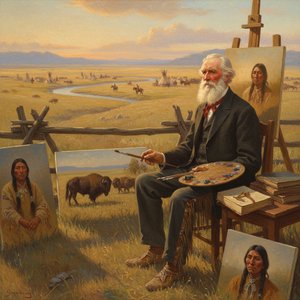
Joseph Henry Sharp: Capturing the Spirit of the Plains – Life, Art & Legacy
Explore the life & art of Joseph Henry Sharp, a founding member of the Taos Society of Artists renowned for his realistic depictions of Native American culture and Western landscapes. Discover his legacy with TopImpressionists.

Thomas Daniell: Navigating Light, Landscape & Cultural Exchange in Early 19th-Century India
Explore the captivating landscapes of Thomas Daniell, a pioneering artist who documented India's beauty in the 19th century. Discover his 'Oriental Scenery,' aquatint technique & lasting legacy. Hand-painted reproductions available at TopImpressionists.

Marianne North's Masterpieces: 25 Botanical Paintings That Bloom With Adventure | TopImpressionists
Journey through the vibrant world of Marianne North’s botanical paintings! Explore 25 iconic artworks from this Victorian artist, celebrating exotic flora & travel. Find museum-quality reproductions and curated decor ideas at TopImpressionists.com.
