

展示内容: · 額縁を含むサイズ:
 設置イメージを表示

 シェアする
 シェアする
 詳細を見る
 解説シート


 ダウンロード
 似ている作品
 X線調査
 スライドショーを表示
 Q&A

 統計情報
The Elements (アルバート・ムーア, 1866)


キャンバスおよびファインアートプリント:24 x 41 cmサイズ、¥7817から
- 3〜4週間で世界中へ無料配送
- 筒入りプリントの配送期間は3〜4週間です
- 100日間返品・返金保証
- ArtShopReviews.comにて241件のカスタマーレビューに基づき、5つ星中4.9の評価を獲得
¥ 12124
ジークレー/アートプリント
スピーディーな制作と多彩な仕上げオプションが魅力の、ミュージアムクオリティなジークレー・キャンバスプリント。 ( 印象派の油彩画 デジタル複製版
)
技法・素材
 詳しく読む
お手頃な価格のプリント:コットンキャンバスの代わりに260 g/m²のポリエステルキャンバスに同じ画像をプリントしたものです。筒状に丸めた状態で、通常郵便にて3〜4週間でお届けします。丸巻きのみの配送(ストレッチャーやフレームは付属しません)で、特急制作には対応しておりません。片辺の長さが 80 cm以下のサイズが対象です。コットンキャンバスプリントに比べ、約30%お得です。
このサイズではご利用いただけません。少なくとも一辺が 80 cm以下である必要があります。
筒巻きのみ:このプリントをご希望の場合は、筒巻き(ロール状)のキャンバスをお選びください。
長辺が 110 cm以下のサイズに対応しています。これより大きいサイズの場合は、マットコットンキャンバスにプリントされます。
このサイズではマット・アーカイブ・キャンバスはご利用いただけません。長辺が 110 cm以内のサイズのみ対応しております。そのため、マット・コットン・キャンバスにてプリントされます。
ガラスオプションは、110cm未満のサイズでのみご利用いただけます。
サイズ
·作品のオリジナル比率に合わせた、当店の規定サイズからお選びください。
サイズを読み込み中...

横幅
高さ
額縁や壁のスペースに合わせて、ご希望の幅と高さを入力してください。プリントはカットすることは可能ですが、元の画像より大きくすることはできないため、異なる比率のサイズを選択された場合は、画像の一部が欠けることになります。印刷を開始する前に、内容を確認していただくためのデジタルモックアップをお送りいたします。このページに表示されている画像は、実際のカット後の状態を示すものではありません。実際の仕上がりはモックアップにてご確認ください。
標準サイズ
オーダーメイド
CM
インチ
仕上げ
·
白の側面仕上げ ¥1

エッジぼかし仕上げ ¥1

回り込み仕上げ ¥1

P118B ¥10

P118H ¥10

P118W ¥10

P438Z ¥10

P508JH ¥12

P508YH ¥12

P805H ¥10

P805Z ¥10

P919BZ ¥10

P919G ¥10

P919XJ ¥10

P959ZH ¥10

P968JZ ¥12

W106C ¥8

W218G ¥10

W218JH ¥8

W218Y ¥10

W307PJ ¥10

W316G ¥10

W316PJ ¥8

W316Y ¥10

W398PJ ¥8

W4111J ¥10

W500HY ¥15

W500JH ¥15

W692G ¥12

W849H ¥8

W940BG ¥15

W953PJ ¥8
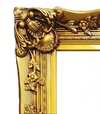
H24-GOLD ¥30
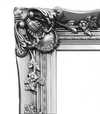
H24-SILVER ¥30
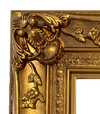
H36-GOLD ¥70
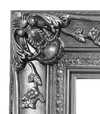
H36-SILVER ¥70
保護用の筒に入れてお届けしますので、お客様ご自身でフレーム(額縁)をご用意いただく形となります。
オプションサービス
任意特典の内容について
世界中への配送()は、標準の4〜5週間ではなく、2週間でお届けいたします。(27 12月)
Economy poly-canvas printは通常郵便での配送となるため、特急制作および速達便のご利用はできません。
保護用ワニス
キャプション
刻印入りブロンズプレートの詳細
このエレガントな銘板には、アーティスト名と作品名が細かく刻印されており、時代を超えて愛される佇まいを演出します。
洗練された気品漂うブロンズ仕上げのプレートです。文字はレーザー刻印により、鮮明かつ永続的な仕上がりを実現しました。サイズは9x2cmとコンパクトながら、高い視認性を備えています。耐久性に優れ、傷がつきにくい仕様となっており、美術館の展示品のようなプロフェッショナルな質感を提供します。付属の両面テープにより、取り付けも簡単です。
透明アクリル銘板の詳細
銘板には、作家名、作品タイトル、制作年、技法(キャンバスに油彩、水彩など)、作品の簡潔な解説、そして作品の詳細情報へアクセスできるQRコードといった、不可欠な刻印情報が含まれています。
透明なアクリル素材を使用し、洗練されたモダンな外観に仕上げました。文字は黒色のUV彫刻を施しており、高いコントラストで視認性に優れています。サイズは10x15 cmで、読みやすさを最適化しています。壁面への確実な取り付けができるよう、2つの金属製フックが付属しています。耐候性に優れた設計により、さまざまな環境での使用が可能です。また、スマートフォンのスキャンでスムーズに動作するインタラクティブな機能も備えています。
黒アクリル製銘板の詳細
このエレガントな銘板には、作家名、作品タイトル、制作年、技法(キャンバスに油彩、水彩など)、作品の短い解説、そして詳細情報へ素早くアクセスできるQRコードなどの刻印情報が含まれています。
プレート本体は、上質な仕上げを施した洗練されたブラックアクリル製です。文字はコントラストが高く、視認性に優れたホワイトのレーザー刻印で仕上げられています。サイズは読みやすさを考慮した10x15 cmです。取り付け用の金属製フックが2つ付属しており、プロフェッショナルな設置が可能です。洗練されたデザインは、あらゆるインテリアスタイルに調和します。また、耐候性と耐久性に優れ、モバイル連携のためのデジタル統合機能も備えています。
ガラスオプションは、110cm未満のサイズでのみご利用いただけます。
 ガラスオプションは、110cm未満のサイズでのみご利用いただけます。
- 3〜4週間で世界中へ無料配送
- 高品質なリネンキャンバス
- 配送時完全保険付
- 関税・輸入税の払い戻し保証
- 真の色彩再現に関する保証
- 100日間返品・返金保証
- 100% 全額返金保証
- まとめ買い割引のご案内


The Elements:アルバート・ムーアとAestheticismの時代
Four figures in flowing robes gather around a smoking cauldron in this serene, neo-classical scene rendered in rich earthy tones.
アルバート・ムーア:プロフィール
美学運動(アステティック・ムーブメント)を代表する画家、アルバート・ジョセフ・ムーア(1841-1893)の空想的な絵画の世界をご堪能ください。物憂げな女性像、新古典主義的なドレープ、花々のモチーフで知られる彼の芸術とその遺産をご紹介します。
作品詳細
The Elements by Albert Joseph Moore
In this 1866 work, The Elements by Albert Joseph Moore unfolds as a quiet, ritualistic gathering. Four figures sit in a balanced square around a central cauldron, their presence steady and calm. Wisps of smoke rise from the vessel, drifting into a background that feels like aged, textured plaster. The scene carries a sense of mystery, as if we are witnessing a private moment of alchemy or ancient ceremony. The figures are draped in flowing robes, their graceful poses suggesting a deep, contemplative stillness.
Albert Joseph Moore, born in York, United Kingdom, on September 4, 1841, brings a distinct sense of harmony to this composition. The figures appear almost flat against their backdrop, emphasizing a decorative quality that prioritizes pattern and form. Earthy tones of ochre, beige, and terracotta dominate the space, while small accents of blue and gold catch the eye. This palette creates a muted, serene atmosphere that wraps around the central subject.
The lighting remains soft and diffused, casting no harsh shadows across the scene. Instead, a gentle glow illuminates the smooth skin of the figures and the curvilinear lines of their drapery. There is a profound sense of unity in the way the characters are arranged, creating a world that feels both structured and organic. This work reflects the artist's ability to capture a sense of tranquil, symbolic existence through carefully rendered forms.
Composition and Visual Elements
Four figures sit in a steady square formation, encircling a central cauldron that anchors the entire scene. This arrangement creates a sense of profound balance and symmetry, drawing the eye inward toward the heart of the gathering. The figures are draped in flowing robes that ripple with soft, curvilinear lines, their graceful poses lending a sense of quietude to the ritual. Each face remains serene and contemplative, lost in a moment of stillness as wisps of smoke rise from the vessel below. The background offers a textured surface, reminiscent of aged plaster, which keeps the focus firmly on the figures and their harmonious arrangement.
The color palette breathes with warmth, dominated by earthy tones of ochre, beige, and terracotta. These grounded hues provide a stable foundation for the more luminous accents of blue and gold that dance across the composition. These touches of color add a layer of richness to the muted landscape, catching the light amidst the soft, diffused glow that permeates the space. The shallow perspective keeps the figures close to the surface, emphasizing the decorative quality of the scene and the rhythmic interplay of their forms.
Style and Artistic Technique
The canvas breathes with the precision of an academic style, where every stroke of oil paint works to honor classical themes and intricate decorative patterns. There is a profound sense of order in the way the forms are rendered, as if the artist sought to capture a moment of eternal stillness. The drapery flows around the figures with a careful, deliberate touch, tracing the contours of the body through layers of pigment that suggest both weight and lightness. It is a scene where the physical world meets a stylized, rhythmic grace.
Softness governs the visual language here. Lines do not cut sharply through the space; instead, they curve and wander in a gentle, flowing motion. These curvilinear shapes dominate the composition, mirroring the organic rhythms of the human form and the swirling wisps of smoke rising from the central cauldron. The edges of the figures and the textures of the background blend with a quiet harmony, avoiding any jarring angles that might disrupt the serenity of the arrangement. The surface itself carries a tactile quality, reminiscent of aged plaster, which grounds the ethereal subject matter in a sense of antiquity.
Related Works by the Artist
The artist's hand moves through various themes, often returning to the grace of the human form. In 1863, the canvas captures the weight of Elijah's Sacrifice, a work that carries the influence of Ford Madox Brown and Edward Armitage. This piece emerges from a period where the artist begins to find a specific, neo-classical voice. Nearby in time, the year 1865 brings us to The Marble Seat, a work that begins a long series of purely decorative compositions. These early explorations set the stage for a career defined by a search for harmony in pose and color.
As the years pass, the imagery shifts and matures. Around 1866, the notes of A Musician drift through the studio, capturing a different kind of rhythm. The artist continues to refine this aesthetic, moving toward the more elaborate and painstaking compositions of later years. By 1883, the vision settles into the forms seen in Kingcups, where the focus remains on the delicate balance of the figure and the surrounding space. Each work reflects a persistent devotion to the Hellenic spirit and the subtle textures of drapery.
Q&A
The Elementsの複製画は、手描きですか、それとも印刷ですか?
印刷について:The Elementsは、コットンキャンバスまたはエプソン・アーカイブ・キャンバス紙にジクレープリントで再現されます。
The Elementsのサイズはどれを選べばよいですか?
サイズは24.3 x 41.1 cm (¥7817)から143.8 x 243.2 cm (¥54716)まで展開しております。こちらのページ内の表に、主な工程とそれぞれの価格を記載しています。
配送にはどのくらいの時間がかかりますか?
筒入りのプリント作品は、通常郵便にて送料無料でお届けし、3〜4週間で到着いたします。キャンバスへの張り込み、または額装済みの作品については、4〜5週間ほどお時間をいただきます。速達便をご希望の場合は、本ページにて「速達配送オプション」をお申し込みください。また、返品は条件なしで100日以内であれば可能であり、全額返金いたします。
アルバート・ムーアはThe Elementsの制作にどのような画材(メディア)を使用しましたか?
Oil On Canvas
作品の豆知識とアートクイズ
アルバート・ムーアについて

アルバート・ムーア
1841 - 1893, イギリス
アルバート・ムーアについてのクイック・ファクト
- Artistic Movement Or Style: アーツ・アンド・クラフツ運動(美的運動)
- Artists Who Influenced This Artist:
- ラスキン
- フォード・マドックス・ブラウン
- エドワード・アーミテッジ
- Date Of Birth: 1841年9月4日
- Date Of Death: 1893年9月25日
- Full Name: アルバート・ジョセフ・ムーア
- Nationality: イギリス
- Notable Artworks:
- 大理石の椅子
- エリヤの犠牲
- 四季の愛
- Place Of Birth: イギリス、ヨーク

アルバート・ムーア
The Elements
() ·
額縁を含むサイズ: ·
合計金額