
アトリエ — 世界中へ送料無料 — お届けまで2〜6週間
Sell Your Art ウィッシュリスト カート
PreviewPreview 手描き複製画を注文する 手描き複製画を注文する画像を 購入する 画像を 購入する シェアするシェアする
詳細を見る詳細を見る お気に入りに追加 お気に入りに追加 ダウンロードダウンロード 似ている作品似ている作品 X線調査X線調査 スライドショースライドショー

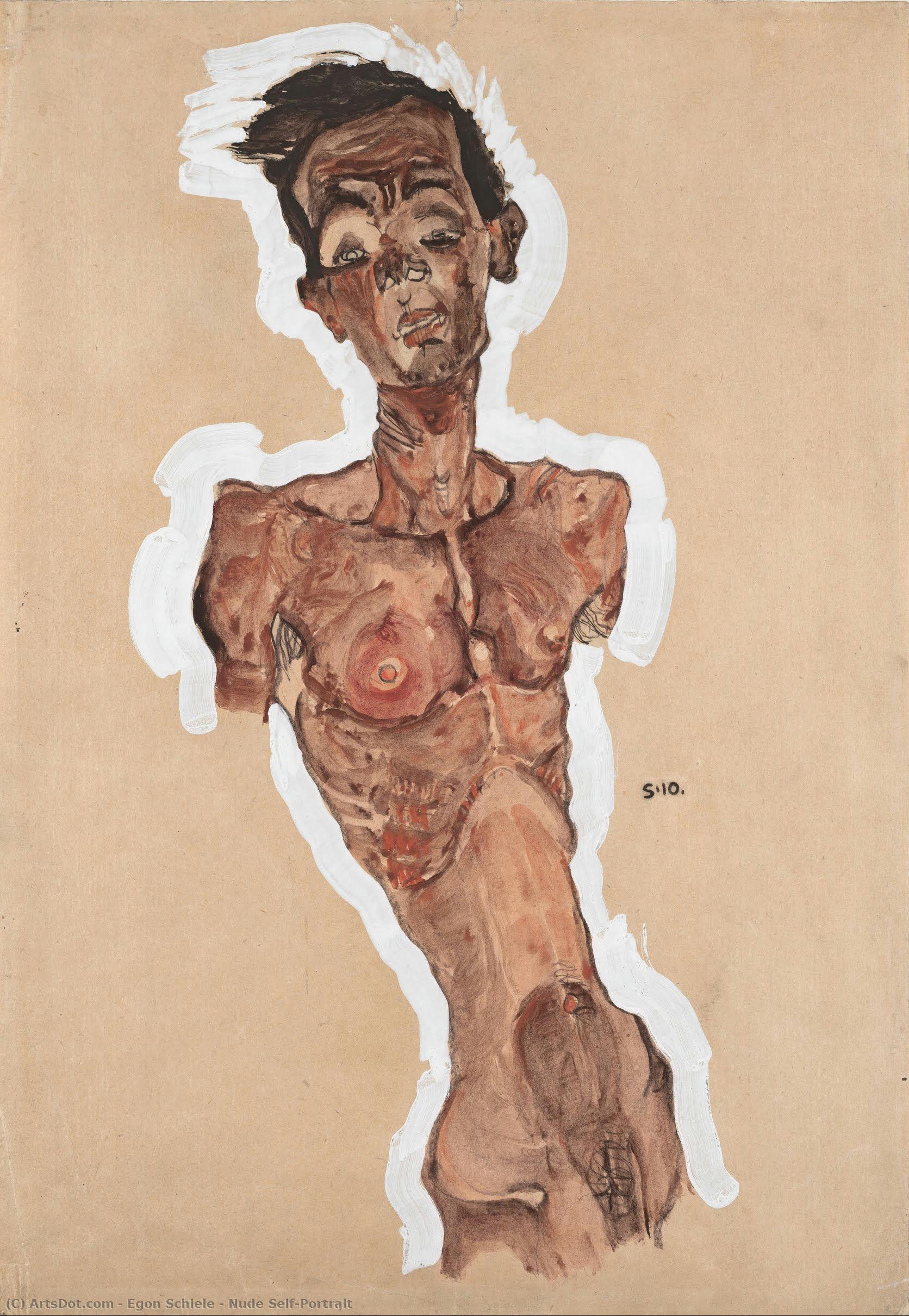
Nude Self-Portrait

エゴン・シーレ(1890-1918):大胆な肖像画、心理的テーマ、そして独特の線が生み出す、感情に訴えかける表現主義の世界。死と生、人間の内面を深く掘り下げた傑作たちを発見してください!

ジークレー/アートプリント

迅速な制作と多彩な仕上げオプションを備えた、ミュージアムクオリティのジークレーまたはキャンバスプリント。

P118B $10
P118H $10
P118W $10
P438Z $10
P508JH $12
P508YH $12
P805H $10
P805Z $10
P919BZ $10
P919G $10
P919XJ $10
P959ZH $10
P968JZ $12
W106C $8
W218G $10
W218JH $8
W218Y $10
W307PJ $10
W316G $10
W316PJ $8
W316Y $10
W398PJ $8
W4111J $10
W500HY $15
W500JH $15
W692G $12
W849H $8
W940BG $15
W953PJ $8

Standard
custom
CM
INCH

作品のオリジナル比率に合わせた、当店の規定サイズからお選びください。

高さ

特定のフレームやスペースに合わせて、ご自身でサイズを指定することも可能です。選択されたサイズが元の画像の比率と一致しない場合、作品をトリミングするか、鏡面反射または単色での塗りつぶしによって画像を拡張いたします。制作を開始する前に、ご確認用のデジタルモックアップをお送りいたします。
画面上のプレビューには、実際のトリミングや拡張は反映されませんのでご注意ください。最終的な構図を正確に確認できるのは、モックアップのみとなります。
カスタムサイズも承っておりますが、元の比率を維持するためには、あらかじめ用意されたリストからサイズを選択することをお勧めいたします。

世界中への配送()は、標準の4〜5週間ではなく、2週間でお届けいたします。(24 7月)

why_choose_icon
世界中へ無料エクスプレス配送
why_choose_icon
高品質なリネンキャンバス
why_choose_icon
配送時完全保険付
why_choose_icon
関税・輸入税の払い戻し保証
why_choose_icon
忠実な色彩再現保証
why_choose_icon
60日間返品保証(製造上の欠陥のみ)
why_choose_icon
100% 全額返金保証
why_choose_icon
まとめ買い割引のご案内

合計金額

-

reproduction

Nude Self-Portrait

ジークレー/アートプリント

複製画のサイズ

-

合計金額

-

作品詳細

  • Location: Leopold Museum, Vienna
  • Notable elements or techniques: Detailed anatomical rendering
  • Artist: Egon Schiele
  • Year: 1910
  • Artistic style: Psychological realism
  • Movement: Expressionism
  • Subject or theme: Self-representation

アート・クイズ

各質問の正解は1つだけです。

問題 1:
What is the artist responsible for?
問題 2:
In what year was this painting created?
問題 3:
Where is the artwork currently displayed?
問題 4:
What stylistic characteristic defines Schiele's work?
問題 5:
The image depicts a self-portrait where the artist draws...

作品詳細説明

A Portrait of Vulnerability: Exploring Egon Schiele’s ‘Nude Self-Portrait’

The painting “Nude Self-Portrait” by Austrian Expressionist Egon Schiele stands as a haunting testament to the artist's preoccupation with mortality and psychological exploration. Completed in 1910, this deceptively simple composition—measuring an imposing 313 x 449 cm—holds within it layers of profound symbolism and technical mastery that continue to captivate audiences today. Currently housed at the Leopold Museum in Vienna, Austria, Schiele’s self-portrait transcends mere representation; it delves into the artist's inner turmoil and confronts viewers with an unflinching gaze upon the human condition.

The Expressionist Style: Distortion and Emotion

Schiele’s artistic vision firmly rooted in Expressionism prioritized conveying emotion over objective accuracy. Unlike Impressionists who sought to capture fleeting moments of light, Schiele deliberately distorted forms—particularly the nude figure—to express inner feelings of anxiety and isolation. The elongated torso, angular limbs, and compressed musculature contribute to a palpable sense of unease, mirroring the artist’s own psychological state during this period. This stylistic choice wasn't merely aesthetic; it was a conscious effort to communicate the anxieties inherent in confronting one's own vulnerability.

Technique: Charcoal and Pastel – A Delicate Balance

Schiele employed charcoal and pastel on paper as his medium, achieving remarkable textural contrast. The stark black of the charcoal outlines defines the contours of the body with precision, while delicate pastel washes imbue the skin tones with subtle luminescence. This combination allows for a nuanced depiction of flesh—a material Schiele frequently explored in his work—revealing both its physicality and its fragility. The artist’s meticulous attention to detail underscores his desire not just to portray the figure but also to capture its psychological essence, highlighting the expressive potential of seemingly understated materials.

Historical Context: Vienna at the Turn of the Century

Vienna in 1910 was a city undergoing significant social and intellectual transformation—the Austro-Hungarian Empire faced challenges from burgeoning nationalist sentiments, and artistic movements like Symbolism and Futurism wrestled with new ideas about representation. Schiele’s work reflects this atmosphere of uncertainty and disillusionment, aligning itself with the broader Expressionist movement's rejection of bourgeois ideals and embrace of subjective experience. The artist’s exploration of themes such as sexuality and death speaks to anxieties prevalent in Viennese society at the time—a period marked by repression and a fascination with taboo subjects.

Symbolism: The Penis – A Bold Assertion

Perhaps the most striking element of “Nude Self-Portrait” is the prominent depiction of Schiele’s penis drawn on his torso. This deliberate inclusion transcends mere anatomical representation; it functions as a potent symbol of vulnerability, desire, and confronting one's own mortality. In Expressionist art, symbols often serve to convey deeper meanings beyond the literal surface. The drawing represents not only physical sexuality but also an acknowledgement of inescapable human limitations—a confrontation with the inevitability of death that permeates Schiele’s oeuvre. It is a bold gesture that challenges conventional notions of beauty and invites contemplation on the complexities of human existence.

Emotional Impact: Confrontation and Reflection

“Nude Self-Portrait” compels viewers to confront uncomfortable truths about themselves and the human condition. The artist's gaze—direct, unflinching, and imbued with palpable emotion—forces us to contemplate our own mortality and vulnerability. Schiele’s work isn’t designed for passive admiration; it demands active engagement and invites introspection. It remains a powerfully evocative image that continues to resonate with audiences today, serving as a reminder of the enduring power of art to provoke thought and inspire emotional response.

アーティストの略歴

表現の中に刻まれた生涯

1890年、オーストリアのトゥルン・アン・デア・ドナウに生を受けたエゴン・シーレの人生は、類まれな芸術的ヴィジョンと、深い個人的な苦難が交錯する激動の旅路でした。彼の幼少期は、病と喪失の影に覆われていました。わずか14歳の時、父が梅毒によってこの世を去った悲劇は、その後の彼の作品に深く共鳴し、死への執着や存在の儚さというテーマに火をつけることとなります。当初は母に、その後は叔父レオポルド・チハチェックによる、やや支配的な後見のもとで育ったシーレの子供時代には、一般的な安定こそ欠けていたものの、そこから強烈な独立心が養われました。少年時代から彼は鉄道に対して深い魅惑を抱いており、そのモチーフは後の絵画にも密かに姿を現します。また、芽生えつつあった描画の才能は、当初、実利的な道から逸れるものとして父の不興を買うこともありましたが、こうした形成期の経験が、彼の中に鋭い感受性と剥き出しの感情をもたらしました。それは、生と死、そして人間という存在の本質を問い続ける、彼の芸術表現の代名詞となることになります。

ウィーンという試練:芸術的発展

シーレの正式な芸術教育は、ウィーンの工芸学校(Kunstgewerbeschule)から始まりましたが、彼はすぐにその保守的なアプローチに閉塞感を抱くようになります。その後、美術アカデミー(Akademie der bildenden Künste)へと移るものの、厳格なアカデミズムの伝統に対してさらなる幻滅を感じることとなりました。この不満は、彼に正式な訓練を放棄させることにつながりましたが、それは自らの道を切り拓こうとする揺るぎない芸術的信念の証でもありました。初期の年月において、グスタフ・クリムトの影響は決定的なものでした。シーレはクリムキムトの装飾的な様式や象徴性の探求に敬意を払い、その大家から直接的な指導を受けることもありました。しかし、シーレはやがてクリムトの美学から離脱し、剥き出しの誠実さと心理的な強烈さを特徴とする、極めて個性的な独自の声を確立していきます。1909年には「新ウィーン芸術集団」を共同設立し、既存の芸術規範に挑む進歩的な芸術家たちと肩を並べました。初期の作品、とりわけ不安をかき立てる肖像画や自画像は、歪んだ人物像と触知できるほどの脆弱性を描き出し、感情の混乱を力強く表現する声明として現れ始めました。これらの絵画は単なる肉体の描写ではなく、人間の精神を苛む不安、欲望、恐怖といった「内なる風景」の探求だったのです。彼は、目に見えるものとしてではなく、自らが感じたものを描こうとしたのでした。

剥き出しの感情と揺るぎない真実

エゴン・シーレの芸術は、その生々しい誠実さと心理的な深みによって、一目でそれと分かります。彼は、性、死、不安、孤独といった、しばしばタブーとされるテーマに対し、逃げ隠れすることのない眼差しで立ち向かいました。彼の独特な様式は、引き伸ばされた肢体、ねじ曲がったポーズ、そして不安感や感情の昂ぶりを伝える表現力豊かな線によって特徴づけられます。人体、特に裸体は彼の主要な主題となりましたが、それは理想化された美の対象としてではなく、人間体験の複雑さを探求するための器としての役割を果たしていました。自画像は彼の作品群の重要な部分を占め、孤独と自己疑念に満ちた彼自身の内面世界を、親密なほど間近に覗かせます。彼は自分自身を、決して美化することなく、あえて不格好で脆弱な姿で描くことを厭いませんでした。そこには深い自己認識と内省が宿っています。自画像にとどまらず、シーレは他者の肖像も数多く描き、表面の下に潜む真実を突き刺すような、不穏なまでのリアリズムでその人物像を捉えました。風景画は人物画ほど中心的ではありませんでしたが、形態と色彩の習熟を示しており、しばしば肖像画と同様の感情的な強烈さを反映しています。特にシーレの作品において「線」の使用は際立っています。それは単に形を定義するための道具ではなく、感情や心理的緊張を伝える表現力としての力を持っています。また、繊細で紙のような外皮を持つホオズキ(Physalis)のような繰り返されるモチーフは、死と無常の象徴として、彼の死への執着をさらに強調しています。

断ち切られた遺産:業績と意義

検閲や法的困難――自身の芸術によって未成年者を堕落させたという容疑による短期間の投獄を含む――に直面しながらも、シーレはウィーンの前衛的なサークルにおいて確かな地位を築きました。彼の作品は当時の慣習に挑み、称賛と憤慨の両方を巻き起こしました。1918年、スペイン風邪のパンデミックの中で28歳という若さで早すぎる死を迎えるまでに、彼はオーストリア表現主義の旗手としての地位を確立していました。ホオズキのある自画像抱き合うカップルクロイツベルクの風景(クルマウ近郊)といった重要な作品は、彼の芸術的天才の証として今も輝いています。心理的なテーマを探求し、従来の芸術規範に挑戦しようとする後世の芸術家たちへの影響は、否定しようのないものです。形態と主題に対するシーレの大胆なアプローチは、現代の観客にも響き続けており、20世紀初頭の美術における最も重要かつ影響力のある人物の一人とされています。彼の作品は現在、ウィーンのレオポルド美術館やチェスキー・クルムロフのエゴン・シーレ・アート・センターをはじめ、世界中の主要な美術館に収蔵されており、その芸術的遺産が永遠に続くことを保証しています。彼は単に審美的に魅力的なだけでなく、深く人間的な作品群を遺しました。それは、誠実さと勇気、そして揺るぎないヴィジョンをもって存在の複雑さに立ち向かう、芸術の力を証明するものなのです。

  • 主要なテーマ: 死、性、孤独、心理的葛藤
  • 影響を受けたもの: グスタフ・クリムト、ウィーン分離派、個人的なトラウマ
  • 様式の特徴: 引き伸ばされた肢体、ねじ曲がったポーズ、表現力豊かな線、剥き出しの感情
エゴン・シエレ

エゴン・シエレ

1890 - 1918 , オーストリア

基本情報

  • Artistic Movement Or Style: 表現主義
  • Artists Who Influenced This Artist: ['グスタフ・クリムト']
  • Date Of Birth: 1890年6月12日
  • Date Of Death: 1918年10月31日
  • Full Name: Egon Leo Adolf Ludwig Schiele
  • Nationality: オーストリア
  • Notable Artworks:
    • フィザリスと自画像
    • 抱擁する男女
    • クロウズベルクの風景
  • Place Of Birth: オーストリア・トゥルン
テーマ、スタイル、特徴別に分類された作品を探索しましょう。
© © TopImpressionists.com All Rights Reserved  ·  100% 手描き · 満足保証 · 全世界送料無料
VISA MASTERCARD





































