






























作品のオリジナル比率に合わせた、当店の規定サイズからお選びください。

特定のフレームやスペースに合わせて、ご希望のサイズをご入力いただけます。選択されたサイズが元の画像の比率と異なる場合、アートワークをトリミングするか、手描きで要素を追加して絵画を拡張いたします。デジタルモックアップ を制作し、制作開始前にご確認(承認)をいただきます。
画面上のプレビューは、実際のトリミングや拡張を正確に反映しているものではありません。最終的な構図は、モックアップによってのみ正確にご確認いただけます。
カスタムサイズもご利用いただけますが、元の比率を維持するためには、あらかじめ用意されたリストからサイズを選択することをお勧めいたします。

Semi-Dressed Model
複製画のサイズ
Egon Schiele's "Semi-Dressed Model," a deceptively simple sketch rendered in stark black charcoal on white paper, is far more than a depiction of a reclining female figure. It’s a raw and intensely personal exploration of vulnerability, mortality, and the unsettling beauty of the human form—a hallmark of Schiele’s uniquely expressive style. Created around 1917, during a period marked by both artistic experimentation and profound personal turmoil for the artist, this work offers a poignant glimpse into his psychological landscape and his fascination with the ephemeral nature of existence.
Schiele's life was inextricably linked to themes of loss and fragility. The untimely death of his father from syphilis at the tender age of fourteen cast a long shadow over his artistic development, fueling an obsession with mortality that permeates much of his oeuvre. This trauma, coupled with the early deaths of his sister and mother, instilled in him a deep awareness of life’s precariousness—a sentiment powerfully conveyed through the deliberate distortion and emotional intensity evident in “Semi-Dressed Model.” The sketch itself feels almost like a captured moment, imbued with an immediacy that transcends mere representation.
The artwork's power resides primarily in its masterful use of line. Schiele eschews meticulous detail, instead employing jagged, uneven lines—a deliberate rejection of academic precision—to define the figure’s contours, clothing (or lack thereof), and facial features. These lines aren’t simply outlines; they vibrate with energy, conveying a sense of restlessness and underlying tension. The varying thickness of the charcoal strokes adds depth and emphasis to certain areas, drawing the viewer's eye to key points of vulnerability – perhaps the curve of her hip, or the downward tilt of her head. This technique is deeply rooted in Schiele’s Expressionist style, prioritizing emotional impact over realistic depiction.
The monochromatic palette—a stark contrast against a white background—further amplifies this effect. The absence of color forces the viewer to focus entirely on the structure and form of the figure, intensifying the sense of exposure and vulnerability. It’s as if Schiele has stripped away all distractions, leaving only the raw essence of his subject.
“Semi-Dressed Model” is laden with symbolic weight. The reclining pose itself—a motif frequently explored by Schiele—suggests both relaxation and a certain degree of surrender. The figure’s intertwined limbs, partially obscured by drapery, create an atmosphere of intimacy and exposure, hinting at a profound psychological vulnerability. There's a palpable sense of introspection, as if the model is grappling with her own thoughts and feelings.
The sketch’s overall mood is undeniably melancholic, yet it also possesses a strange beauty—a testament to Schiele’s ability to find poetry in moments of suffering. The lines themselves seem to writhe with emotion, mirroring the internal turmoil he so often depicted. It's not a celebration of physical beauty, but rather an exploration of the complexities and contradictions inherent in the human experience.
Egon Schiele remains one of the most compelling and enigmatic figures in 20th-century art. His work continues to resonate with viewers today, not only for its striking visual qualities but also for its unflinching honesty and profound emotional depth. “Semi-Dressed Model” stands as a powerful example of his unique artistic vision—a testament to his ability to capture the essence of human vulnerability and translate it into a timeless and unforgettable image. Reproductions of this artwork offer a remarkable opportunity to experience Schiele’s intensely personal style within your own space, inviting contemplation on themes of mortality, beauty, and the complexities of the human soul.

1890 - 1918 , オーストリア

Explore the rich history of the blue dress in Western art! Discover its symbolism, from Renaissance masterpieces to modern interpretations by artists like Martin & Schiele. Uncover cultural meanings and artistic techniques.
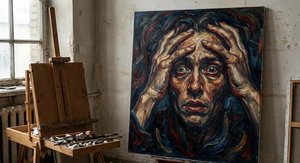
Explore the powerful world of Figurative Expressionism with TopImpressionists. Discover key artists like Kirchner & Beckmann, understand its emotional depth, and learn how to collect this influential 20th-century art movement.

Explore the captivating world of Arturo Souto's abstract expressionism. Discover his unique style, emotional depth, and investment potential – a guide for discerning art collectors.
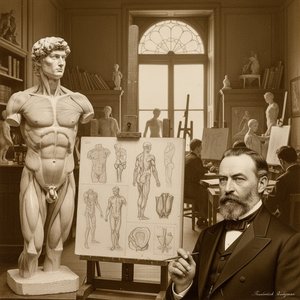
Explore the anatomical mastery of George B. Bridgman & his revolutionary figure drawing techniques. Discover how his methods transformed art instruction and continue to inspire artists today. Learn more at TopImpressionists.

Explore the emotionally charged world of Egon Schiele (1890-1918). Discover his Expressionist masterpieces, psychological themes, and lasting impact on modern art. A comprehensive guide for collectors & enthusiasts.


最新の美術ニュース、限定オファー、そしてインテリアのアイデアをいち早くお届けします。
お客様のプロジェクトについてお聞かせください。当社の美術専門家が、お客様に合わせた3つのパーソナライズされた芸術提案をご提供いたします。
あなたにぴったりの3作品を無料で厳選いたします

 プリントを購入
 シェアする
シェアする シェアする
シェアする
 詳細を見る
詳細を見る

 ダウンロード
 似ている作品
 X線調査
X線調査 スライドショー

 詳細を見る
詳細を見る









 ガラスオプションは、110cm未満のサイズでのみご利用いただけます。


