


 設置イメージを確認
 送る
送る シェア
シェア
 詳細情報
詳細情報 ガイドを表示

 画像をダウンロード
 似ている作品
 X線調査
X線調査 スライドショー
 統計情報
統計情報A messa prima


A moonlit night of mystery unfolds in Giovanni Segantini's post-impressionist masterpiece A messa prima where a woman watches a figure depart, inviting you to explore this ethereal moment through a fine oil reproduction.
 続きを読む
続きを読む
アルプス風景の巨匠、ジョヴァンニ・セガンティーニ。分点派と象徴主義を融合させた独自のスタイルで、自然の美しさや農村生活を描き出しました。19世紀後半イタリア美術を代表する画家です。
ジークレー/アートプリント
スピーディーな制作と多彩な仕上げオプションが魅力の、ミュージアムクオリティなジークレー・キャンバスプリント。 ( 手描きの複製画を注文する デジタル画像販売へ切り替え)




P118B ¥10

P118H ¥10

P118W ¥10

P438Z ¥10

P508JH ¥12

P508YH ¥12

P805H ¥10

P805Z ¥10

P919BZ ¥10

P919G ¥10

P919XJ ¥10

P959ZH ¥10

P968JZ ¥12

W106C ¥8

W218G ¥10

W218JH ¥8

W218Y ¥10

W307PJ ¥10

W316G ¥10

W316PJ ¥8

W316Y ¥10

W398PJ ¥8

W4111J ¥10

W500HY ¥15

W500JH ¥15

W692G ¥12

W849H ¥8

W940BG ¥15

W953PJ ¥8




標準サイズ
カスタムサイズ
CM
INCH
作品のオリジナル比率に合わせた、当店の規定サイズからお選びください。
Loading sizes...

横幅
高さ
額縁や壁のスペースに合わせて、ご希望の幅と高さを入力してください。プリントはカットすることは可能ですが、元の画像より大きくすることはできないため、異なる比率のサイズを選択された場合は、画像の一部が欠けることになります。印刷を開始する前に、内容を確認していただくためのデジタルモックアップをお送りいたします。このページに表示されている画像は、実際のカット後の状態を示すものではありません。実際の仕上がりはモックアップにてご確認ください。


 ガラスオプションは、110cm未満のサイズでのみご利用いただけます。

A messa prima
ジークレー/アートプリント
複製画サイズ一覧
-


合計金額
¥ 10852
A Nocturnal Encounter in Light and Shadow
In the quiet, silvered depths of Giovanni Segantini’s 1885 masterpiece, A messa prima, we are invited into a world where the boundaries between reality and dream begin to dissolve. This post-impressionist gem captures a profound moment of human connection—or perhaps, more poignantly, a moment of departure. At the heart of the composition stands a woman perched upon a staircase, her silhouette marked by an elegant ponytail, gazing downward with an expression that oscillates between longing and resignation. Below her, a figure retreats into the shadows, walking away into the mysteries of the night. The scene is not merely a depiction of a physical space, but an emotional landscape where every brushstroke serves to heighten the sense of intrigue and quiet melancholy that defines this nocturnal encounter.
The atmosphere of the painting is thick with the ethereal glow of a moonlit sky, a technique that Segantini employs to envelop the viewer in a soft, luminous haze. Through his masterful use of light, the artist transforms a simple architectural setting into a stage for symbolic storytelling. The moonlight does more than illuminate the figures; it acts as a celestial witness to the fleeting nature of human presence. As the light touches the edges of the stairs and the distant, shadowy figures in the background, it creates a sense of depth that pulls the observer deeper into the painting’s mystery. This interplay of light and dark—the chiaroscuro of the post-impressionist era—imbues the work with a spiritual weight, suggesting that even in the darkness, there is a profound beauty to be found in the transient moments of our lives.
The Mastery of Post-Impressionist Technique
Segantini’s approach to A messa prima showcases his unique ability to blend the structural precision of his training with the emotive, atmospheric qualities of Symbolism. The technique used here allows for a dreamy, almost otherworldly quality that is characteristic of his most celebrated works. Rather than focusing on harsh outlines, Segantini utilizes subtle transitions of tone to suggest movement and emotion. This soft-focus effect creates a sense of nostalgia, as if we are viewing a memory rather than a live event. For the discerning collector or interior designer, this painting offers a sophisticated textural depth that can anchor a room, providing a focal point that rewards prolonged contemplation.
Beyond its visual allure, the painting serves as a poignant reflection on the passage of time and the fragility of human bonds. The composition is meticulously balanced to guide the eye from the central woman, down the descending steps, and toward the receding figures in the distance, mirroring the very movement of life itself—a constant progression away from what was once close. To possess a high-quality reproduction of this work is to bring a piece of art history into one's personal sanctuary; it is an invitation to reflect on the beauty of the ephemeral and the enduring power of the human spirit. Whether placed in a contemporary gallery setting or a classic study, A messa prima remains a timeless testament to the evocative power of Segantini’s vision.
よくあるご質問
ジョヴァンニ・セガンティーニには、他にどのような別名や通称がありますか?
ジョヴァンニ・セガンティーニは、ジョバンニ・セガンティーニ, Giovanni Battista Emanuele Maria Segantini, セガンティーニという別名でも知られています。
ジョヴァンニ・セガンティーニ作「A messa prima」は、強いコントラストを用いた構成でしょうか、それとも柔らかな調和を重んじた構成でしょうか?
「A messa prima」では、Boldな対比とBalanced Harmonyな調和が共存しています。
Post-Impressionismの作品「A messa prima」は、どのような感情を伝えていますか?
「A messa prima」のPost-Impressionism様式には、Mysteriousな感情が添えられています。
アーティストについて
ジョヴァンニ・セガンティーニ:アルプスに捧げた生涯
- 生誕: 1858年1月15日、アルコ(当時はオーストリア=ハンガリー帝国領)
- 没去: 1899年8月10日、ソンドリオ近郊のスキアーヴィ・ディ・アッベマッジョーレ(イタリア)
ジョヴァンニ・セガンティーニは、アルプスの牧歌的な風景を描いたイタリア人画家として知られています。彼の人生は苦難と芸術的成功に彩られ、分割主義と象徴主義のイメージを融合させた独自のスタイルを確立しました。
幼少期と苦悩
- 厳しい始まり: セガンティーニの幼少時代は貧困に満ちていました。父は出稼ぎの商人であり、母がほとんど一人で彼を育てました。
- 孤児院と更生施設: 母の死後、彼は家を出奔し、ミラノの更生施設に入ることになりました。そこでチャプレン(司祭)が彼の芸術的才能を見抜き、育成を促しました。
- 独学: 正式な教育はほとんど受けていませんでしたが、セガンティーニは後に読み書きを独学で習得し、驚くべき決意を示しました。
- 初期のキャリア: 真剣に絵画に取り組む前に、彼は写真店の助手として働いていました。
芸術的発展と影響
- ブレラ美術アカデミーでの修行: セガンティーニはミラノの名門ブレラ美術アカデミーに通い、スカピリアトゥーラ運動の重要な人物たちに出会いました。このグループは、従来の芸術的慣習を拒否し、生の現実を受け入れることを提唱しました。
- 主要な影響: 彼の作品は、ヴィットリオ・グルビチ・デ・ドラゴンを通じて彼に紹介されたアントン・マウヴェとジャン=フランソワ・ミレーの影響を強く受けました。これらの画家たちは、写実主義と農村生活の描写を重視しました。
- 分割主義: セガンティーニは分割主義の絵画手法を採用しました。これは、キャンバス上に純粋な色を小さな点や筆致で並べる技法です。この技法は、鑑賞者の目で光学的な混合を生み出し、鮮やかで光り輝く効果をもたらすことを目指しました。
- 象徴主義: 分割主義に加えて、セガンティーニは彼の作品に象徴主義の要素を取り入れ、風景に深い意味と人生、死、精神性を表す寓意的な表現を込めました。
主要な作品とテーマ
- 初期の成功: 彼の絵画「サンタンティニオの聖歌隊」は、その力強い質が認められ、ミラノのSocietà per le Belle Artiによって購入されました。
- アルプスの風景: セガンティーニは最もよく知られているのは、アルプスの壮大さと静けさを描いた作品です。彼は単なる物理的な美しさだけでなく、これらの風景の精神的な本質を描こうとしました。
- 注目すべき絵画: 彼の最も有名な作品には以下が含まれます。
- 二人の母 (Le due Madri) - 母性と農村生活を痛切に描いた作品。
- 人生 (La Vita) – アルプスの美しさと人間のつながりの本質をとらえています。
- 泉の女 (Donna alla fonte) – アルプスにある泉のそばで働く女性の穏やかな情景を描いています。(Alpenlandschaft mit Frau am Brunnenとしても知られています。)
- 靴下を編む少女(Ragazza che fa la calza) - 美しい象徴主義の絵画で、女性と羊が描かれています。
- 贅沢者の罰 (Il castigo delle lussuriose) – 道徳と自然というテーマを探求した不気味な作品です。
- 晩年: 彼は生涯の最後の数年間をスイスで過ごし、「死んだ雄鹿(Capriolo morto)」など、最も重要な作品を生み出しました。これは、死の儚さを深く表現した感動的な絵画です。
遺産と歴史的意義
- 独自の芸術スタイル: セガンティーニの分割主義と象徴主義の融合は、彼を同時代の人々から際立たせる独特なスタイルを生み出しました。
- アルプスの精神をとらえる: 彼はアルプス風景を描いた最も重要な画家の一人として記憶されており、その美しさと精神的な重要性を成功裏に表現しました。
- 後世の芸術家への影響: 色と光の革新的な使用は、後の世代の芸術家に影響を与えました。
- 継続的な評価: 今日、セガンティーニの作品は世界中の主要な美術館で展示されており、彼の遺産は傑出した画家としての地位を確立し続けています。

ジョヴァンニ・セガンティーニ
1858 - 1899 , オーストリア
アーティスト情報
- Artistic Movement Or Style: 象徴主義、分割主義
- Artists Who Influenced This Artist:
- アントン・マウヴェ
- ジャン=フランソワ・ミレー
- Date Of Birth: 1858年1月15日
- Date Of Death: 1899年8月10日
- Full Name: ジョヴァンニ・セガンティーニ
- Nationality: イタリア人
- Notable Artworks (List Of Titles):
- 聖アントニオの礼拝堂
- 洗濯婦
- 生命
- 泉の女
- 靴下を編む少女
- Place Of Birth (City And Country): アルコ、オーストリア
関連記事
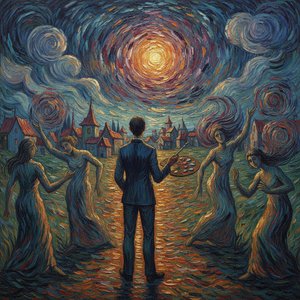
Beyond the Light: Capturing Emotion Through the Expressive Soul of Post-Impressionism
Explore the profound emotional depth of Post-Impressionism. Discover how masters like Van Gogh and Cézanne moved beyond light to capture raw feeling through color and texture. A journey into art history for the true connoisseur.