
 SculptureSculptureContemporary Conceptual Art
 1993Contemporary
 41.0 x 100.0 cm
 Culturgest - Fundação Caixa Geral de Depósitos
作品のオリジナル比率に合わせた、当店の規定サイズからお選びください。

特定のフレームやスペースに合わせて、ご希望のサイズをご入力いただけます。選択されたサイズが元の画像の比率と異なる場合、アートワークをトリミングするか、手描きで要素を追加して絵画を拡張いたします。デジタルモックアップ を制作し、制作開始前にご確認(承認)をいただきます。
画面上のプレビューは、実際のトリミングや拡張を正確に反映しているものではありません。最終的な構図は、モックアップによってのみ正確にご確認いただけます。
カスタムサイズもご利用いただけますが、元の比率を維持するためには、あらかじめ用意されたリストからサイズを選択することをお勧めいたします。

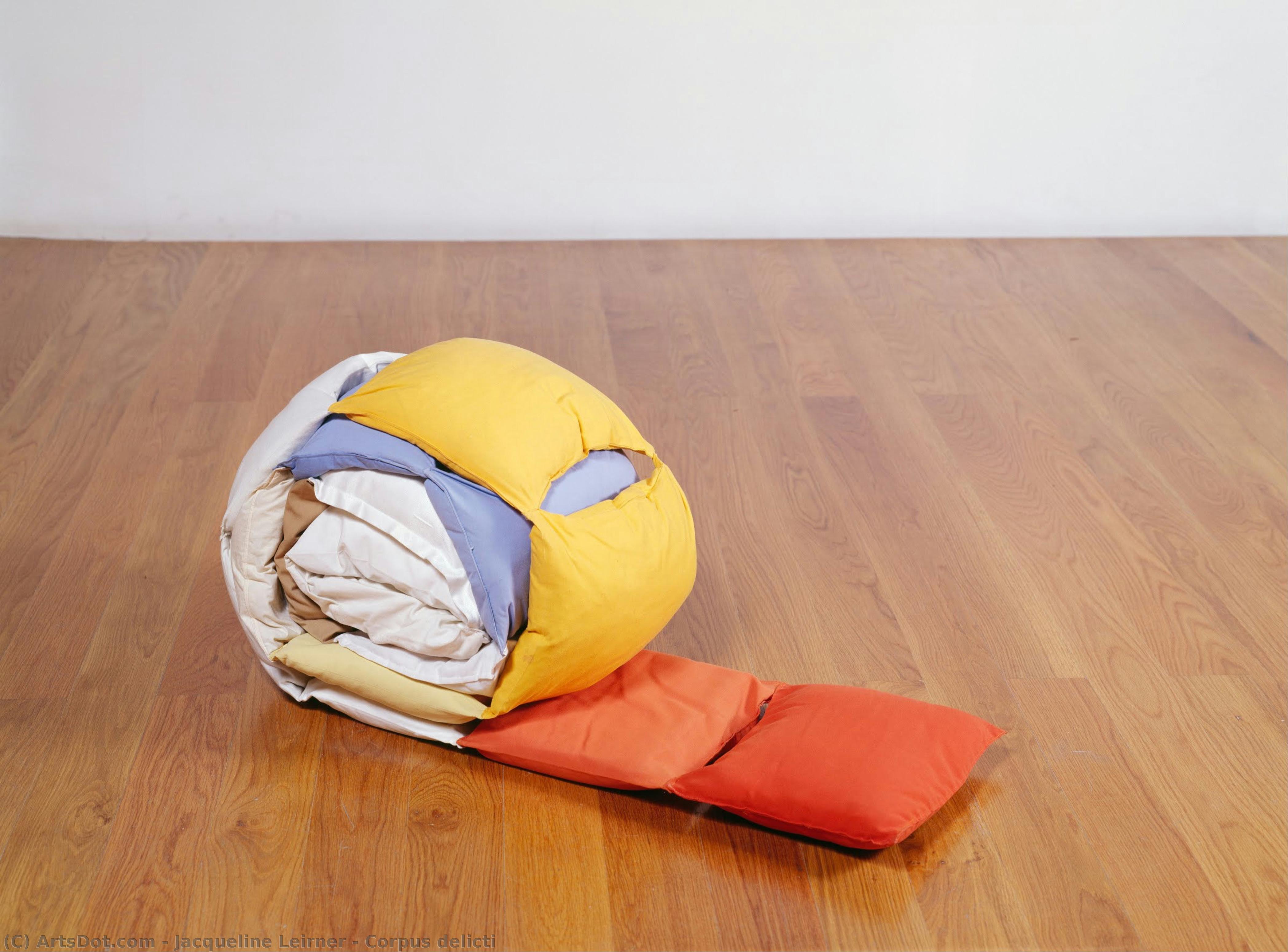
Corpus delicti
複製画のサイズ
Jacqueline Leirner's 1993 sculpture, *Corpus Delicti*, is not merely a collection of objects; it’s a quietly insistent interrogation of our relationship with possessions, memory, and the relentless accumulation that defines much of contemporary experience. Born in São Paulo in 1961, Leirner emerged from a vibrant Brazilian art scene deeply influenced by figures like Hélio Oiticica and Lygia Clark – artists who sought to dissolve the boundaries between art and life, exploring the very fabric of daily existence as material for their work.
This particular piece, part of the Colecção da Caixa Geral de Depósitos, embodies Leirner’s signature approach: a meticulous gathering of detritus from the world of travel – flight pillows, blankets, glasses, and other incidental items salvaged from airplanes. These seemingly mundane objects are transformed through her deliberate arrangement into a sculptural form that resembles a distorted head or perhaps a burgeoning sphere. The work's title, *Corpus Delicti* (Latin for “body of offenses”), subtly hints at a transgression – not one of grand larceny, but a more insidious act: the accumulation itself, a quiet theft of moments and experiences.
The genesis of *Corpus Delicti* is inextricably linked to the tumultuous economic history of Brazil in the late 20th century, specifically the hyperinflation of the 1980s. Leirner’s use of worthless Cruzeiro notes – transformed into endless bundles in her earlier work, *Os Cem* – speaks to a broader critique of value systems and the ways in which objects can acquire meaning beyond their inherent worth. The flight paraphernalia collected for this piece echoes the transient nature of wealth and status, highlighting the ephemerality of possessions acquired during global travel.
Furthermore, the sculpture resonates with the broader Brazilian avant-garde movement that sought to reclaim national identity after decades of political instability. Leirner’s work can be seen as a response to the anxieties and uncertainties of a rapidly changing world, reflecting a desire to find meaning in the everyday – particularly within the context of Brazil's unique cultural landscape.
*Corpus Delicti* is profoundly evocative. The amorphous form invites viewers to project their own interpretations onto it, prompting questions about consumerism, memory, and the human impulse to collect. The ‘smile’ suggested by the sculpture's shape adds a layer of unsettling humor, suggesting a kind of passive acceptance or even complicity in this cycle of accumulation.
The work’s muted palette – primarily consisting of faded fabrics and worn plastics – contributes to its melancholic atmosphere. It is a poignant reminder of the transient nature of experience and the inevitable decay that accompanies all things. The sculpture's placement on a simple wooden floor, against a stark white background, further isolates it, intensifying its impact.
This hand-painted reproduction captures the essence of Leirner’s masterful work, offering a stunning addition to any art collection or interior design scheme. The detailed rendering faithfully reproduces the sculpture's unique form and textural qualities, bringing this thought-provoking piece into your space. Its size (41 x 100 cm) makes it suitable for display on shelves, desks, or as a focal point in a larger room. A powerful statement of artistic inquiry, *Corpus Delicti* is an investment in both beauty and intellectual engagement.

Journey through art history with our Top 10 bronze sculptures! Explore masterpieces by Rodin, Michelangelo & more. Discover stories behind iconic statues and find museum-quality reproductions for your home decor at TopImpressionists.com.

Explore the rich history of sculpture from ancient masterpieces to contemporary innovations. Discover key techniques, influential artists & investment potential for discerning art collectors.

Journey through art history with 10 legendary bronze sculptures – from Michelangelo's David to Rodin’s Thinker. Explore the stories, techniques & timeless beauty of these masterpieces. Find museum-quality reproductions & elevate your home decor on TopImpressionists.com.

Explore the rich history of sculpture with TopImpressionists. Discover key techniques, influential artists & investment potential for discerning collectors. Expert insights into valuing and collecting timeless masterpieces.

青銅彫刻の歴史、技法、現代における解釈を専門家が解説。古代から現代までの貴重な作品群を深く理解し、コレクションや投資に役立つ情報を提供します。美術品鑑定、修復についてもご紹介。


最新の美術ニュース、限定オファー、そしてインテリアのアイデアをいち早くお届けします。
お客様のプロジェクトについてお聞かせください。当社の美術専門家が、お客様に合わせた3つのパーソナライズされた芸術提案をご提供いたします。
あなたにぴったりの3作品を無料で厳選いたします

 プリントを購入
 シェアする
シェアする シェアする
シェアする
 詳細を見る
詳細を見る

 ダウンロード
 似ている作品
 スライドショー
 詳細を見る
詳細を見る






































 ガラスオプションは、110cm未満のサイズでのみご利用いただけます。


