アトリエ — 世界中へ送料無料 — お届けまで2〜6週間
写真を絵画に ウィッシュリスト カート
プリントを購入 プリントを購入手描きの絵画を購入 手描きの絵画を購入 シェアするシェアする
詳細を見る詳細を見る お気に入りに追加 お気に入りに追加 ダウンロードダウンロード 似ている作品似ている作品 スライドショースライドショー

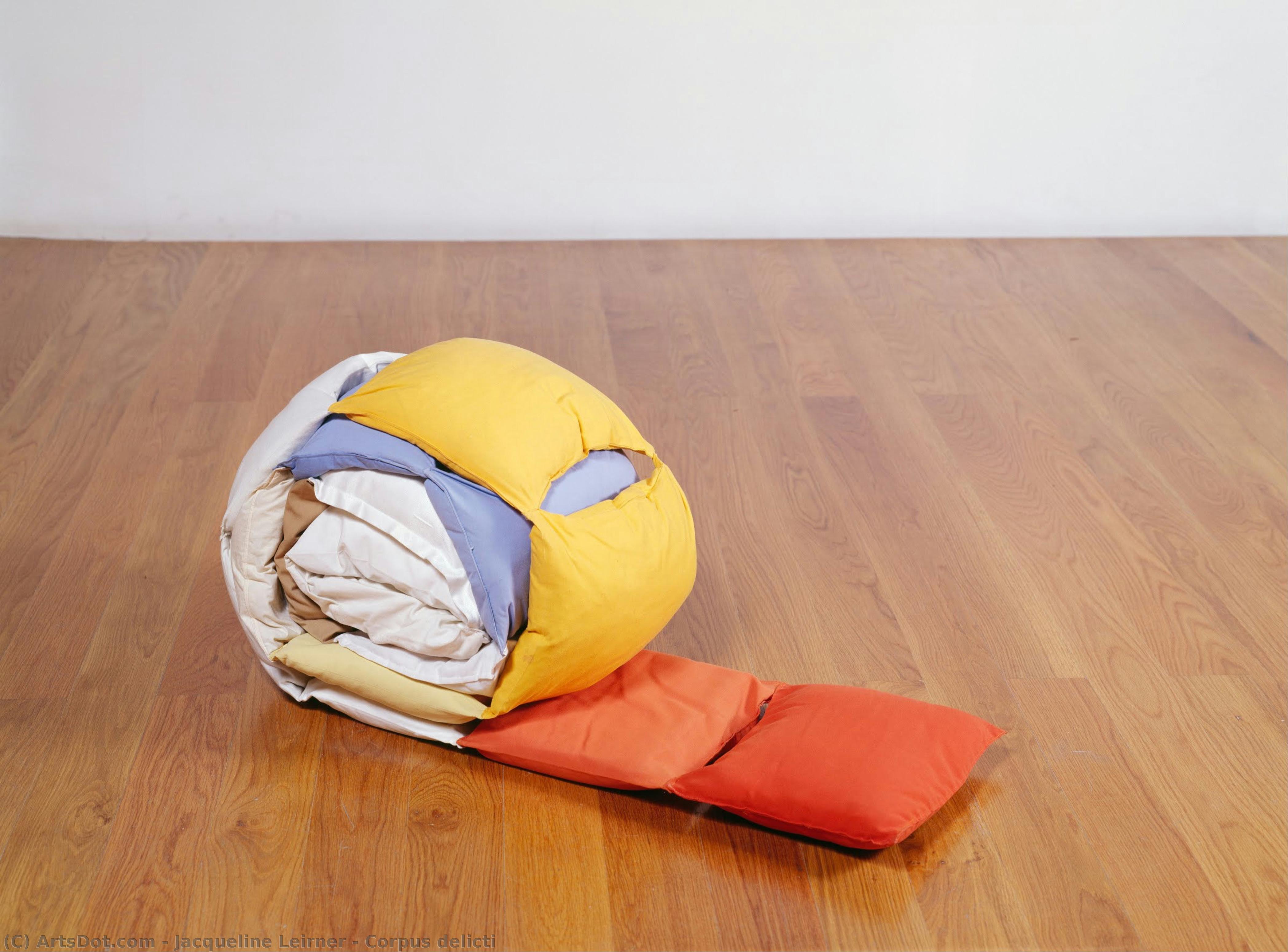
Corpus delicti

Jacqueline Leirner’s ‘Corpus Delicti’ presents a captivating sculpture of flight pillows and blankets, reflecting the artist's critique of accumulation and travel in this 1993 work. Discover this unique piece and own a statement of contemporary art.

Explore Jacqueline Leirner's unique sculptures & installations crafted from everyday objects. Brazilian pop art artist known for her evocative use of found materials.

オンラインプレビューをはるかに凌ぐ、高解像度で鮮明なデジタル画像をご購入いただけます。

各ファイルは、社内の専門家が高度なツールと熟練した手作業によるレタッチを用いて、細心の注意を払って準備されています。すべての画像において、卓越した鮮明度、正確な色彩再現性、そして繊細なディテールを保証いたします。

最終ファイルは、プロフェッショナルな編集・印刷環境ですぐにご利用いただけるよう最適化された状態で、72時間以内にメールにてお届けいたします。これは、一流のデザインスタジオ、出版社、ギャラリーから信頼されているものと同等の品質です。

デジタルアート

個人での鑑賞、印刷、クリエイティブなプロジェクト用に、高解像度ファイルをダウンロードできます。 (プリントを購入 プリントを購入手描きの絵画を購入 手描きの絵画を購入)

最終合計金額

$ 24.90

デジタル画像のご注文に付随する特典

高品質なデジタル画像配信を、確かな品質で。

TopImpressionists.com を選ぶことは、単に画像を手に入れることではありません。それは、プロの手によって精密に仕上げられ、満足保証が付いた高品質なデジタルアートワークを受け取ることを意味します。ご注文いただいた際に自動的に付随する内容は、以下の通りです:

shipping_icon
メールですぐにお届け

ご注文から72時間以内に、高解像度のデジタル画像ファイルがメールでお手元に届きます。すぐにそのままご利用いただけます。

canvas_icon
AI技術で最適化されたデジタルファイル

お客様の作品は、高度なAIツールと専門家による手作業の編集を組み合わせてプロフェッショナルに最適化されており、細部のディテール、鮮明さ、そして正確な色再現性を最大限に引き出しています。

insurance_icon
一生涯無料の再送サービス

ファイルを誤って削除したり、紛失してしまったりしましたか?ご安心ください。いつでも無料で再送いたします。

tax_icon
輸入手数料は一切かかりません

関税や手数料、配送料を気にすることなく、お気に入りのアートワークをすぐにお楽しみいただけます。デジタルダウンロードは常に免税です。

color_icon
色彩再現の保証

プロ仕様のツールとカラーマネジメント技術を用いることで、デジタル画像が元の色を最大限に忠実に再現することを保証いたします。

return_icon
60日間満足保証

ご購入いただいたデジタル画像にご満足いただけない場合は、60日以内であれば、修正または100%の返金(理由を問う必要はありません)をさせていただきます。

guarantee_icon
100% 返金保証

ご満足いただけない場合は、デジタルファイルを受け取ってから60日以内であれば、理由を問わず全額返金いたします。

discount_icon
まとめ買い割引

3枚購入で10%OFF - 5枚購入で15%OFF - 10枚以上購入で20%OFF。クリエイティブなプロジェクト、ギャラリー、エージェンシーに最適です。

作品詳細

  • Artistic style: Sculptural accumulation
  • Location: Colecção da Caixa Geral
  • Dimensions: 41 x 100 cm
  • Subject or theme: Misdemeanours, travel
  • Year: 1993
  • Movement: Abstract Expressionism
  • Influences:
    • Hélio Oiticica
    • Lygia Clark

作品の詳細

Jacqueline Leirner’s *Corpus Delicti*: A Meditation on Accumulation and the Fragments of Modern Life

Jacqueline Leirner's 1993 sculpture, *Corpus Delicti*, is not merely a collection of objects; it’s a quietly insistent interrogation of our relationship with possessions, memory, and the relentless accumulation that defines much of contemporary experience. Born in São Paulo in 1961, Leirner emerged from a vibrant Brazilian art scene deeply influenced by figures like Hélio Oiticica and Lygia Clark – artists who sought to dissolve the boundaries between art and life, exploring the very fabric of daily existence as material for their work.

This particular piece, part of the Colecção da Caixa Geral de Depósitos, embodies Leirner’s signature approach: a meticulous gathering of detritus from the world of travel – flight pillows, blankets, glasses, and other incidental items salvaged from airplanes. These seemingly mundane objects are transformed through her deliberate arrangement into a sculptural form that resembles a distorted head or perhaps a burgeoning sphere. The work's title, *Corpus Delicti* (Latin for “body of offenses”), subtly hints at a transgression – not one of grand larceny, but a more insidious act: the accumulation itself, a quiet theft of moments and experiences.

  • Materials: Constructed primarily from repurposed airplane accessories – fabric remnants, foam padding, plastic glasses, and other travel essentials.
  • Technique: Leirner’s process is one of careful assemblage, building the sculpture through a layering and stacking technique that creates an organic, almost chaotic form. The deliberate lack of finishing or polish further emphasizes the raw nature of the materials.
  • Dimensions: 41 x 100 cm – a compact scale that allows for intimate contemplation of its complex arrangement.

A Reflection on Hyperinflation and Brazilian Identity

The genesis of *Corpus Delicti* is inextricably linked to the tumultuous economic history of Brazil in the late 20th century, specifically the hyperinflation of the 1980s. Leirner’s use of worthless Cruzeiro notes – transformed into endless bundles in her earlier work, *Os Cem* – speaks to a broader critique of value systems and the ways in which objects can acquire meaning beyond their inherent worth. The flight paraphernalia collected for this piece echoes the transient nature of wealth and status, highlighting the ephemerality of possessions acquired during global travel.

Furthermore, the sculpture resonates with the broader Brazilian avant-garde movement that sought to reclaim national identity after decades of political instability. Leirner’s work can be seen as a response to the anxieties and uncertainties of a rapidly changing world, reflecting a desire to find meaning in the everyday – particularly within the context of Brazil's unique cultural landscape.

Symbolism and Emotional Impact

*Corpus Delicti* is profoundly evocative. The amorphous form invites viewers to project their own interpretations onto it, prompting questions about consumerism, memory, and the human impulse to collect. The ‘smile’ suggested by the sculpture's shape adds a layer of unsettling humor, suggesting a kind of passive acceptance or even complicity in this cycle of accumulation.

The work’s muted palette – primarily consisting of faded fabrics and worn plastics – contributes to its melancholic atmosphere. It is a poignant reminder of the transient nature of experience and the inevitable decay that accompanies all things. The sculpture's placement on a simple wooden floor, against a stark white background, further isolates it, intensifying its impact.

Perfect for Collection & Interior Design

This hand-painted reproduction captures the essence of Leirner’s masterful work, offering a stunning addition to any art collection or interior design scheme. The detailed rendering faithfully reproduces the sculpture's unique form and textural qualities, bringing this thought-provoking piece into your space. Its size (41 x 100 cm) makes it suitable for display on shelves, desks, or as a focal point in a larger room. A powerful statement of artistic inquiry, *Corpus Delicti* is an investment in both beauty and intellectual engagement.


作家の略歴

Rembrandt Gladys Schmitt: A Pioneer of Abstract Expressionism in the Early 1960s

Rembrandt Gladys Schmitt (born 1961), a figure whose impact on American abstract expressionism during the early 1960s remains both significant and subtly underappreciated, emerged from a period of intense artistic experimentation. While not achieving the widespread fame of some contemporaries, her work – characterized by vibrant color fields, dynamic gestural marks, and a deeply personal exploration of form and emotion – represents a crucial bridge between the formalist tendencies of mid-century abstraction and the burgeoning movement towards process-oriented art that would define the decade. Born in 1961, Schmitt’s artistic journey began with a deliberate rejection of traditional academic training, opting instead for a self-directed approach rooted in observation and intuitive response to color and texture. This decision proved pivotal, allowing her to develop a unique visual language entirely her own. Schmitt's early influences were diverse, drawing from both European modernism – particularly the expressive brushwork of Matisse and the color theory of Kandinsky – and the burgeoning American scene. The vibrant hues and dynamic compositions of artists like Helen Frankenthaler and Lee Krasner resonated deeply with her, while she also found inspiration in the geometric abstraction of Josef Albers. However, Schmitt quickly moved beyond mere imitation, synthesizing these influences into a highly individual style that prioritized emotional resonance over intellectual calculation. Her canvases became spaces for intense feeling, imbued with a sense of urgency and immediacy. The period surrounding 1961 witnessed a surge of experimentation in the art world – a time when artists were actively dismantling established conventions and exploring new materials and techniques. Schmitt’s work perfectly embodies this spirit of innovation, reflecting a desire to capture not just visual reality but also the subjective experience of perception.

Key Works and Artistic Development (1960-1963)

Schmitt's most celebrated works from this period are concentrated within 1961-1963, a remarkably productive phase marked by a shift towards increasingly bold color palettes and gestural mark-making. The “War Babies” exhibition at the Huysman Gallery in Los Angeles, where her piece "Force" was prominently displayed alongside works by Joe Goode, Larry Bell, and Ed Bereal, brought her work to wider attention. This exhibition, however, also generated controversy due to a provocative poster that sparked debate about the role of art in society. The theft of Goya’s “Portrait of the Duke of Wellington” from the National Gallery shortly after its display further fueled public interest in the art world and highlighted the potential for artistic intervention – an event that indirectly impacted Schmitt's own trajectory. Her exploration of color during this time was particularly noteworthy, moving beyond simple representation to create fields of intense chromatic relationships. She experimented with layering pigments directly onto the canvas, allowing for spontaneous drips and splatters that added a layer of unpredictable energy to her compositions. The influence of Yves Klein’s International Klein Blue is evident in several works from this period, demonstrating Schmitt's fascination with saturated hues and their capacity to evoke profound emotional responses.

The Influence of Fluxus and Process-Oriented Art

Schmitt’s artistic development coincided with the rise of Fluxus, a loosely organized international movement that challenged traditional notions of art and emphasized the importance of process over product. The first Fluxus event, organized by George Maciunas in New York City in October 1961, provided a fertile ground for experimentation and collaboration. While Schmitt’s direct involvement with Fluxus remains somewhat undocumented, her work shares several key characteristics with the movement's ethos – a focus on chance, spontaneity, and the blurring of boundaries between art and life. Her embrace of gestural mark-making and her willingness to experiment with unconventional materials align with Fluxus’s rejection of established artistic conventions. The emphasis on ephemeral processes—the fleeting nature of paint application, the unpredictable results of dripping and splattering—mirrors the movement's interest in embracing accident and chance as integral components of the creative process.

Legacy and Historical Significance

Although Rembrandt Gladys Schmitt’s name may not be as widely recognized as some of her contemporaries, her contribution to American abstract expressionism is undeniable. She stands as a vital link between the formalist traditions of mid-century abstraction and the more process-oriented art movements that emerged in the following decades. Her bold use of color, dynamic gestural marks, and deeply personal approach to painting paved the way for subsequent generations of artists who sought to explore the expressive potential of color and material. Her work serves as a reminder that artistic innovation often arises from a quiet dedication to individual vision and a willingness to challenge established norms. Further research into her archives and a renewed appreciation for her pivotal role in shaping the landscape of 20th-century American art are warranted, ensuring that Rembrandt Gladys Schmitt’s legacy is rightfully acknowledged within the broader narrative of modern art history.
© © TopImpressionists.com All Rights Reserved  ·  100% 手描き · 満足保証 · 全世界送料無料
VISA MASTERCARD