

展示内容: · 額縁を含むサイズ:
 設置イメージを表示

 シェアする
 シェアする
 詳細を見る
 解説シート


 ダウンロード
 似ている作品
 X線調査
 スライドショーを表示
 Q&A

 統計情報
Flatford Mill (ジョン・コンスタブル, 1817)

- 50.0 x 60.0 cm


キャンバスおよびファインアートプリント:28 x 36 cmサイズ、¥7817から
- 3〜4週間で世界中へ無料配送
- 筒入りプリントの配送期間は3〜4週間です
- 100日間返品・返金保証
- ArtShopReviews.comにて241件のカスタマーレビューに基づき、5つ星中4.9の評価を獲得
¥ 12124
ジークレー/アートプリント
スピーディーな制作と多彩な仕上げオプションが魅力の、ミュージアムクオリティなジークレー・キャンバスプリント。 ( 印象派の油彩画 デジタル複製版
)
技法・素材
 詳しく読む
お手頃な価格のプリント:コットンキャンバスの代わりに260 g/m²のポリエステルキャンバスに同じ画像をプリントしたものです。筒状に丸めた状態で、通常郵便にて3〜4週間でお届けします。丸巻きのみの配送(ストレッチャーやフレームは付属しません)で、特急制作には対応しておりません。片辺の長さが 80 cm以下のサイズが対象です。コットンキャンバスプリントに比べ、約30%お得です。
このサイズではご利用いただけません。少なくとも一辺が 80 cm以下である必要があります。
筒巻きのみ:このプリントをご希望の場合は、筒巻き(ロール状)のキャンバスをお選びください。
長辺が 110 cm以下のサイズに対応しています。これより大きいサイズの場合は、マットコットンキャンバスにプリントされます。
このサイズではマット・アーカイブ・キャンバスはご利用いただけません。長辺が 110 cm以内のサイズのみ対応しております。そのため、マット・コットン・キャンバスにてプリントされます。
ガラスオプションは、110cm未満のサイズでのみご利用いただけます。
サイズ
·作品のオリジナル比率に合わせた、当店の規定サイズからお選びください。
サイズを読み込み中...

横幅
高さ
額縁や壁のスペースに合わせて、ご希望の幅と高さを入力してください。プリントはカットすることは可能ですが、元の画像より大きくすることはできないため、異なる比率のサイズを選択された場合は、画像の一部が欠けることになります。印刷を開始する前に、内容を確認していただくためのデジタルモックアップをお送りいたします。このページに表示されている画像は、実際のカット後の状態を示すものではありません。実際の仕上がりはモックアップにてご確認ください。
標準サイズ
オーダーメイド
CM
インチ
仕上げ
·
白の側面仕上げ ¥1

エッジぼかし仕上げ ¥1

回り込み仕上げ ¥1

P118B ¥10

P118H ¥10

P118W ¥10

P438Z ¥10

P508JH ¥12

P508YH ¥12

P805H ¥10

P805Z ¥10

P919BZ ¥10

P919G ¥10

P919XJ ¥10

P959ZH ¥10

P968JZ ¥12

W106C ¥8

W218G ¥10

W218JH ¥8

W218Y ¥10

W307PJ ¥10

W316G ¥10

W316PJ ¥8

W316Y ¥10

W398PJ ¥8

W4111J ¥10

W500HY ¥15

W500JH ¥15

W692G ¥12

W849H ¥8

W940BG ¥15

W953PJ ¥8
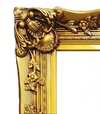
H24-GOLD ¥30
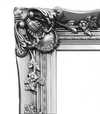
H24-SILVER ¥30
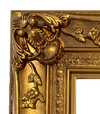
H36-GOLD ¥70
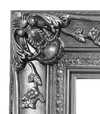
H36-SILVER ¥70
保護用の筒に入れてお届けしますので、お客様ご自身でフレーム(額縁)をご用意いただく形となります。
オプションサービス
任意特典の内容について
世界中への配送()は、標準の4〜5週間ではなく、2週間でお届けいたします。(27 12月)
Economy poly-canvas printは通常郵便での配送となるため、特急制作および速達便のご利用はできません。
保護用ワニス
キャプション
刻印入りブロンズプレートの詳細
このエレガントな銘板には、アーティスト名と作品名が細かく刻印されており、時代を超えて愛される佇まいを演出します。
洗練された気品漂うブロンズ仕上げのプレートです。文字はレーザー刻印により、鮮明かつ永続的な仕上がりを実現しました。サイズは9x2cmとコンパクトながら、高い視認性を備えています。耐久性に優れ、傷がつきにくい仕様となっており、美術館の展示品のようなプロフェッショナルな質感を提供します。付属の両面テープにより、取り付けも簡単です。
透明アクリル銘板の詳細
銘板には、作家名、作品タイトル、制作年、技法(キャンバスに油彩、水彩など)、作品の簡潔な解説、そして作品の詳細情報へアクセスできるQRコードといった、不可欠な刻印情報が含まれています。
透明なアクリル素材を使用し、洗練されたモダンな外観に仕上げました。文字は黒色のUV彫刻を施しており、高いコントラストで視認性に優れています。サイズは10x15 cmで、読みやすさを最適化しています。壁面への確実な取り付けができるよう、2つの金属製フックが付属しています。耐候性に優れた設計により、さまざまな環境での使用が可能です。また、スマートフォンのスキャンでスムーズに動作するインタラクティブな機能も備えています。
黒アクリル製銘板の詳細
このエレガントな銘板には、作家名、作品タイトル、制作年、技法(キャンバスに油彩、水彩など)、作品の短い解説、そして詳細情報へ素早くアクセスできるQRコードなどの刻印情報が含まれています。
プレート本体は、上質な仕上げを施した洗練されたブラックアクリル製です。文字はコントラストが高く、視認性に優れたホワイトのレーザー刻印で仕上げられています。サイズは読みやすさを考慮した10x15 cmです。取り付け用の金属製フックが2つ付属しており、プロフェッショナルな設置が可能です。洗練されたデザインは、あらゆるインテリアスタイルに調和します。また、耐候性と耐久性に優れ、モバイル連携のためのデジタル統合機能も備えています。
ガラスオプションは、110cm未満のサイズでのみご利用いただけます。
 ガラスオプションは、110cm未満のサイズでのみご利用いただけます。
- 3〜4週間で世界中へ無料配送
- 高品質なリネンキャンバス
- 配送時完全保険付
- 関税・輸入税の払い戻し保証
- 真の色彩再現に関する保証
- 100日間返品・返金保証
- 100% 全額返金保証
- まとめ買い割引のご案内


Flatford Mill:ジョン・コンスタブルとRomanticismの時代
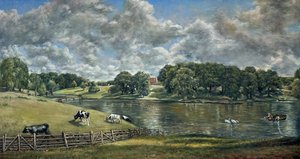
A tranquil river scene with boats and a horse by the water's edge, rendered with thick impasto to capture the shifting light of the Stour Valley.
作品詳細
Identification of Flatford Mill by John Constable
Flatford Mill is an 1817 landscape painting by the British artist John Constable. This work offers a view of the mill located in East Bergholt on the River Stour. It is also known by the subtitle Scene on a Navigable River. The scene captures a specific moment in the rural landscape of the Stour Valley, focusing on the quiet activity surrounding the water's edge.
The painting was first presented to the public when it was displayed at the Royal Academy's Summer Exhibition at Somerset House in 1817. At that time, it established the artist's interest in the specific topography of his home region. The composition centers on the mill and the river, providing a detailed look at the relationship between the water and the surrounding land.
The Composition and Visual Elements
The composition pulls you into a world of lush greens and reflective waters. At the heart of the scene, the calm, reflective waters of the river act as a mirror to the lush, verdant banks. This interplay of light and liquid creates a sense of depth that draws the eye toward the center of the work. A moored boat and distant figures provide a gentle human connection to the vastness of the Suffolk countryside, grounding the landscape in a quiet, lived-in reality.
Several individuals stand near the water's edge, their presence adding a subtle layer of activity to the peaceful scene. On the left side of the image, a horse is positioned near the bank, its form integrated into the pastoral setting. Two boats are visible in the water; one is situated towards the center, while another rests slightly to the right. These elements, combined with the rhythmic presence of the river, establish a sense of harmony within the rural environment.
Technique and Artistic Materials
In this oil on canvas, one can sense the methodical preparation that preceded the final application of paint. Before committing to the large-scale composition, the artist relied on a foundation of oil sketches, graphite drawings, and watercolour studies. This disciplined approach allowed for a careful arrangement of the landscape's complexities. The resulting work possesses a physical weight, achieved through the use of thick impasto to build up texture across the surface. This tactile quality gives the river and the earth a sense of movement and life.
There is a particular luminosity in the way the light interacts with the water and the sky. This effect is achieved through the painstaking layering of thin glazes of paint. Such a technique allows light to penetrate the surface, creating an illusion of shimmering luminescence that mimics the shifting atmosphere of the Stour Valley. It is a quiet, deliberate mastery of light and shadow.
Historical Ownership and Collections
The provenance of this work is deeply connected to the artist's own legacy. It was eventually included as part of the Constable Bequest in 1888, ensuring its place within the public consciousness. This transition from private hands to a permanent collection secured its survival for future generations to study.
Today, the painting is held within the collection of Tate Britain. It is also part of the holdings at the Tate Gallery in London. These institutions maintain the work as a significant part of their English landscape holdings. Additionally, the National Trust holds a connection to the work through its stewardship of the surrounding landscapes and properties.
Related Works by John Constable
To understand the evolution of this artist, one might look toward his earlier explorations of the Stour Valley. In 1815, he produced Boat-building near Flatford Mill, a work that captures the rhythmic sounds of craftsmanship against a quiet river setting. This piece reflects his deep connection to the local landscape and the dignity of rural labor. It is a quiet study of the textures found in the Suffolk countryside.
His later compositions often expanded in scale and ambition. He moved toward larger canvases, such as The Hay Wain from 1821, which remains one of his most recognized depictions of the river. Other significant works include The Cornfield (1826) and The Lock (1824), both of which continue his investigation into the interplay of light and water. He also turned his attention to more architectural subjects, such as Salisbury Cathedral from the Meadows in 1831.
- Boat-building near Flatford Mill (1815)
- The Hay Wain (1821)
- The Lock (1824)
- The Cornfield (1826)
- Salisbury Cathedral from the Meadows (1831)
Where to See This Masterpiece Today
If you wish to experience the subtle shifts of light and the texture of the River Stour in person, you will find this work held within the collections of the Tate Gallery in London. It is part of the permanent collection at Tate Britain, where the painting is kept for public viewing. The work remains a significant part of the Tate Britain collection, allowing visitors to observe the specific impasto and the atmospheric perspective that Constable achieved in 1817.
The painting is situated in London, United Kingdom. It is housed within the Tate Gallery, London, providing a quiet space to study the relationship between the water and the sky. Being part of the Tate Britain collection, it is accessible to those who appreciate the nuances of the Romantic tradition in a museum setting.
Q&A
Flatford Millの複製画は、手描きですか、それとも印刷ですか?
印刷について:Flatford Millは、コットンキャンバスまたはエプソン・アーカイブ・キャンバス紙にジクレープリントで再現されます。
Flatford Millのサイズはどれを選べばよいですか?
原画のサイズは50 x 60 cmです。 サイズは28.2 x 35.5 cm (¥7817)から192.6 x 242.9 cm (¥70828)まで展開しております。こちらのページ内の表に、主な工程とそれぞれの価格を記載しています。
配送にはどのくらいの時間がかかりますか?
筒入りのプリント作品は、通常郵便にて送料無料でお届けし、3〜4週間で到着いたします。キャンバスへの張り込み、または額装済みの作品については、4〜5週間ほどお時間をいただきます。速達便をご希望の場合は、本ページにて「速達配送オプション」をお申し込みください。また、返品は条件なしで100日以内であれば可能であり、全額返金いたします。
ジョン・コンスタブルはFlatford Millの制作にどのような画材(メディア)を使用しましたか?
Oil On Canvas
作品の豆知識とアートクイズ
ジョン・コンスタブルについて

ジョン・コンスタブル
1776 - 1837, イギリス
ジョン・コンスタブルについてのクイック・ファクト
- Artistic Movement Or Style: ロマン主義
- Artists Or Movements Influenced By This Artist: ['バルビゾン派']
- Artists Who Influenced This Artist: ['クロード・ロラン']
- Date Of Birth: 1776年
- Date Of Death: 1837年
- Full Name: ジョン・コンスタブル
- Nationality: イギリス
- Notable Artworks:
- 干し草の運搬
- ハドリー城
- 草地からのソールズベリー大聖堂
- ネトリー・アビー
- Place Of Birth: イギリス、イースト・バーグホルト
関連作品
この作品の光、色彩、そして情緒を彷彿とさせる、共鳴し合うキャンバスの数々。


テーマ、スタイル、特徴別に分類された作品を探索しましょう。




ジョン・コンスタブル
Flatford Mill
() ·
額縁を含むサイズ: ·
合計金額