

 წინასწარი ნახვა
 გაგზავნა
 გაზიარება
 დეტალები
 გზამკვლევი

 ჩამოტვირთვა
 მსგავსები
 რენტგენოგრაფიული კვლევა
 სლაიდშოუ
 კითხვა-პასუხი
 სტატისტიკა
Solitude

- 102.0 x 169.0 cm


Marc Chagall's 'Solitude' (1933) captures Jewish resilience amidst rising anti-Semitism. This poignant painting, rich with symbolism and featuring a contemplative figure, embodies cultural identity and enduring spirit.
 გააგრძელეთ კითხვა
მარკ შაგალი (1887-1985) – რუსულ-ებრაელი მხატვერი, რომელმაც შექმნა განსხვავებული, ფანტაზიური სამყარო. ცნობილია "მე და სოფელი" და სხვა შედევრებით, რომლებიც სიმბოლურზმისა და ებრაული კულტურის ელემენტებს აერთიანებენ.
ამ გვერდზე წარმოდგენილი ნამუშევარი დაცულია საავტორო უფლების შესახებ კანონმდებლობით, რაც იმას ნიშნავს, რომ ჩვენ არ გვაქვს მისი იდენტური რეპროდუქციის შექმნის ან გაყიდვის სამართლებრივი უფლება. აღნიშნული დაცვა უზრუნველყოფილია ისეთი საერთაშორისო შეთანხმებებით, როგორიცაა ბერნის კონვენცია და ეროვნული კანონმდებლობით, მათ შორის იმ კანონებით, რომლებიც დეტალურად არის გაწერილი აშშ-ის საავტორო უფლების შესახებ კანონი - თავი 17.
ეს მეთოდი სრულად შეესაბამება საავტორო უფლებების რეგულაციებს, რადგან ის არ გულისხმობს დაცული ნამუშევრის კოპირებას ან დუბლირებას. ამგვარად, ეს წარმოადგენს შემოქმედებით რეინტერპრეტაციას — ახალ ნახატს, რომელიც შთაგონებითაა განპირობებული ორიგინალით, თუმცა არ არის მის იდენტურ ასლს.
გიკლე / ხელოვნების პრინტი
მუზეუმის დონის ჟიკლე ან ტილოზე ბეჭდვა სწრაფი წარმოებისა და დასრულების მოქნილი ვარიანტებით. ( შეიძინეთ ხელით შესრულებული ნახატი გადართვა ციფრულ გამოსახულებაზე)




P118B ₾10

P118H ₾10

P118W ₾10

P438Z ₾10

P508JH ₾12

P508YH ₾12

P805H ₾10

P805Z ₾10

P919BZ ₾10

P919G ₾10

P919XJ ₾10

P959ZH ₾10

P968JZ ₾12

W106C ₾8

W218G ₾10

W218JH ₾8

W218Y ₾10

W307PJ ₾10

W316G ₾10

W316PJ ₾8

W316Y ₾10

W398PJ ₾8

W4111J ₾10

W500HY ₾15

W500JH ₾15

W692G ₾12

W849H ₾8

W940BG ₾15

W953PJ ₾8




სტანდარტული
სასურველი ზომა
CM
INCH
აირჩიეთ ჩვენს მიერ წინასწარ განსაზღვრული ზომებიდან, რომლებიც ნაწარმოების ორიგინალურ პროპორციებს შეესაბამება.
Loading sizes...

სიგანე
სიმაღლე
შეიყვანეთ თქვენთვის საჭირო სიგანე და სიმაღლე, რათა გამოსახულებამ თქვენს ჩარჩოს ან კედელს ზუსტად მოერგოს. ბეჭდვისას შესაძლებელია მხოლოდ მისი შემცირება და არა გაზრდა, ამიტომ სხვა ფორმის ზომის შემთხვევაში სურათი ნაწილობრივ იკარგება. სანამ რაიმეს დაბეჭდავთ, ჩვენ გამოგიგზავნით ციფრულ მაკეტს დასდასტურებლად. ამ გვერდზე ნაჩვენები სურათი არ ასახავს რეალურ ჭრას — ამას მხოლოდ მაკეტი გვიჩვენებს.
მიწოდება მთელ მსოფლიოში () 2 კვირაში, სტანდარტული 4/5 კვირის ნაცვლად. (8 ნოემბერი)

უფასო ექსპრეს მიწოდება მთელ მსოფლიოში

მაღალი ხარისხის ტილოს ქსოვილი

ტრანსპორტირების სრული დაზღვევა

საბაჟო გადასახადების დაბრუნების გარანტია

ფერების სრული შესაბამისობის გარანტია

დაბრუნების 100-დღიანი პოლიტიკა (მხოლოდ დეფექტის შემთხვევაში)

100% თანხის სრული დაბრუნების გარანტია

ფასდაკლება დიდი რაოდენობით შეკვეთისას
 მინის ჩარჩოს არჩევანი შესაძლებელია მხოლოდ 110 სმ-მდე ზომისთვის

Solitude
გიკლე / ხელოვნების პრინტი
რეპროდუქციის ზომა
-


საბოლოო ღირებულება
₾ 182
The Poignant Echo of Isolation
Marc Chagall’s “Solitude,” painted in 1933, isn't merely a depiction of a man seated on the ground; it’s a profound meditation on Jewish identity, cultural displacement, and the weight of history. Housed within the Tel-Aviv Museum of Art, this work transcends its physical dimensions to become a powerful symbol of resilience in the face of rising anti-Semitism across Europe. The painting immediately draws the eye with its muted palette – a deliberate departure from Chagall’s often vibrant Fauvist style – creating an atmosphere of contemplative stillness that mirrors the man's internal state. The composition is strikingly simple, yet deeply resonant: a solitary figure enveloped in a long robe or cloak, his head bowed in what appears to be profound introspection. This posture speaks volumes about the burden he carries, a weight amplified by the surrounding elements.
- The Central Figure: The man’s slumped form and downward gaze immediately evoke feelings of sadness and isolation. His attire – a traditional Jewish prayer shawl – subtly anchors him within his cultural heritage while simultaneously highlighting his separation from the world around him.
- The Goat: A calm, resting goat positioned before the figure is a particularly intriguing element. It’s not simply an animal; it represents a connection to the land and tradition, a grounding force amidst the man's internal turmoil. The juxtaposition of the human figure and the animal creates a visual dialogue about the relationship between humanity and nature, faith and instinct.
- The Violin: A violin resting nearby hints at a past filled with music and joy – a memory now overshadowed by present sorrow. It’s a poignant reminder of what has been lost, adding another layer to the painting's emotional complexity.
Symbolism Woven into the Canvas
“Solitude” is rich in symbolic detail, each element carefully chosen to convey a deeper meaning within the context of 1930s Europe. The Torah scroll, prominently displayed, represents Jewish law and tradition – a source of both strength and potential conflict during this turbulent period. God’s messenger, depicted subtly in the background, suggests divine guidance amidst uncertainty. The historical rabbi or elder figure embodies the continuity of Jewish faith and wisdom, offering a sense of stability against the encroaching darkness. The setting itself—a blurred landscape with buildings receding into the distance—represents a world increasingly distant from the man’s personal experience.
Notably, Chagall satirically uses animalistic cultural objects to highlight the absurdity of those who believed Jews could not produce remarkable art – a pointed commentary on prejudice and misunderstanding.A Reflection of Troubled Times
Painted in 1933, “Solitude” is inextricably linked to the rising tide of anti-Semitism sweeping across Europe. The political climate was fraught with danger, as the Nazi party’s ideology gained traction, fueled by hatred and a desire for exclusion. Chagall, himself a Jewish artist living in a time of increasing persecution, channeled his anxieties and observations into this powerful work. His experiences witnessing discrimination firsthand – including the assault on a friend in Warsaw – undoubtedly informed the painting's somber tone. The backdrop of dark clouds suggests an impending storm, mirroring the turbulent times facing the Jewish community.
Legacy and Enduring Resonance
Despite facing criticism from conservative authorities who sought to control artistic expression, Chagall’s work continued to resonate with audiences. “Solitude” stands as a testament to the enduring spirit of Jewish culture—a poignant reminder of its resilience in the face of adversity. It's not simply a portrait of loneliness; it’s an exploration of identity, faith, and the human condition. Reproductions of this masterpiece offer a unique opportunity to engage with this emotionally charged artwork and contemplate its timeless themes. The painting invites viewers to consider their own experiences of isolation, reflection, and the importance of preserving cultural heritage in times of uncertainty.
კითხვები და პასუხები
რას გამოსახავს "Solitude" და როგორი ატმოსფერო აქვს მას?
მარკ შაგალი-ის „Solitude“ ასახავს jewish culture, anti-semitism, solitude, biblical symbolism, rabbi, goat, violin, contemplation-ს, Calm განწყობით. სუბიექტი და ატმოსფერო ერთობლიობაში ქმნის ნამუშევრის აღწერას.
რა არის მარკ შაგალი-ის „Solitude“-ის მასალა და შექმნის თარიღი?
"Solitude" შეიქმნა 1933 წელს, Acrylic On Canvas-ით.
რა ეროვნული წარმომავლობა დგას „Solitude“-ის Fauvism-ის მიღმა?
Fauvism-ის სტილის ნამუშევარი „Solitude“ შექმნილია ხელოვანის მიერ, რომელიც Belarusi-ში დაიბადა.
მხატვრის ბიოგრაფია
მარკ შაგალი: ოცნებების ფერადი სამყარო
მარკ შაგალი, დაბადებული მოიშე შაგალად 1887 წლის 6 ივლისს ლიოზნას მახლობლად, ბელორუსეთში, არ იყო მხოლოდ მხატვარი; ის ფერების პოეტი, ოცნებების ქსოველი და ხსოვნებისა თუგის მწერველი იყო. მისი ცხოვრება, რომელიც თითქმის საუკუნეს მოიცავს, მეოცე საუკუნის აურზაური ტალღებს ასახავდა, მაგრამ მისი ხელოვნება ყოველთვის იყო ფესტიანებული მის προσωπულ ხედვაში – ხსოვნების ფოლკლორისა და წარმოსაქმნელის ძალის უუარო რწმენით. ლიოზნა მხოლოდ დაბადების ადგილი არ იყო; ის მისი მხატვრული სამყაროს გულშემატებითი ბირთვის გახდა, რომელიც ხშირად წარმოადგენდა მოქცეულ ფიგურებს, მხიარულ ცხოველებსა და გადამორჩილებულ ლანდშაფტების ელფერი. ქალაქის კულტურათა უნიკალური ნარევი – რუსული მართლმსხოვლის ტაძრები და აყვავებული یهودیه ბაზრობები – შექმნა ესთეტიკური განცდა, რომელიც მთელი მისი ხანგრძლივ კარიერას განმავლობაში მოუწონა ადვილად კატეგორიზაციას. მიუხედავად იმისა, რომ მან ფორმალური განათლება პირველად ადგილობრივ ფერებს შექმნილი მხატვართან მიიღო და შემდეგ სანკტ-პეტერბურგში ლეონ ბაკსტის ხელ കീഴით, ხოლო პარიზში გრანდ შომიერის აკადემიაში, შაგალი არასოდეს უFully შეექცეოდა ერთმანეთს. მან შეიწოვა კუბიზმის, სიმბოლიზმის და ფავიზმის ელემენტები, მაგრამ ყოველთვის ფილტრირებდა მათ საკუთარ ინტენსიურად προσωπულ ობიექტში, შექმნილიყო სტილი, რომელიც უნიკალური და შეუცვლელი იყო შაგალი.ხატვადი ენა
შაგალის ადრეული ნაშრომები უკვე მიანიშნებდა მის გამორჩეულ ენაზე. ტილოები, როგორიცაა მე და სოფელი (1911), არ არის მხოლოდ ადგილის აღწერილობა; ისინი იდენტობის, ხსოვნის და ინდივიდის ურთიერთობის შესწავნება საზოგადოებასთან. სოფელს რეალისტურად არ წარმოაჩენს, არამედ მოგონებების ფრაგმენტულ კოლექციად, რომელიც სიმბოლურ მნიშვნელობას ატარებს. მისი უნარი პირადი გამოცდილებათა გარდაქმნა საყოველთაო თემებად გახდა მისი ხელოვნების მახასიათებელი. მისი პალიტრა იყო ბრწყალოვანი და გამომხატველი, ხშირად იყენებდა მკვეთრ, არარეალური ფერებს ემოციის გადასაზიარებლად, ვიდრე სიცრუის აღებისთვის. ფიგურები კანვასზე მძიმეობისა და აზრიანების გარეშე მოცურავენ, ოცნებების ატმოსფეროს ქმნიან, რომელიც სტუმართა სამყაროში მიწევს. ეს სტილისტური მიდგომა არ იყო შემთხვევითი; ის წარმოიშვა რეალობის 단순한 imitación-ის გადასვლის მრწამს და გრძნების არსს, ხსოვნის წონის და ფოლკლორის ძალას აწვდიან. რუსეთის რევოლუციის შემდეგ შაგალი დაბრუნდა ვიტებსკში, სადაც მონაწილეობდა კულტურულ ინიციატივებში, დააარსა ხელოვნების სკოლა, რომელიც მოკლე ხნით გაფართოებულად იყო, სანამ ახალი რეჟიმის მიერ დაწესებული შეზღუდვები არ განუწყვეტა. ეს პერიოდი აღინიშნა როგორც კრეატიული ენერგიით, ასევე პოლიტიკური იმედგაცრუებებით, კონფლიქტი, რომელიც აგრძელებს შაგალის მხატვრულ ტრაექტორიას.სამყაროთაშორის სიცოცხლე: პარიზი, ნიუ-იორკი და სხვა
შემდეგ, შაგალი რუსეთიდან საბოლოოდ გადავიდა საფრანგეთში 1923 წელს. ეს იყო აღიარების საერთაშორისო პერიოდის და პროლიფიკული კრეატიულობის დასაწყისი. ნამუშევრები, როგორიცაა ვიტებსკის ზედა (1920-1922), აჩვენებს მის მუდმივ გართულებას ბავშვობის ხსოვნებთან, ხოლო ბიბლიური მოთხრობებისგან შთაგონებული ტილოები – როგორიცაა იაკობსი სიზმერში – გაზრდის ინტერესს რელიგიურ თემებზე. მეორე მსოფლიო ომის დაწყვამ აიძულა მას დაეტოვებინა ოკუპირებული საფრანგეთი ამერიკის შეერთებულ შტატებში, სადაც შვიდი წელი გაატარა ნიუ-იორკში. ეს პერიოდი აღინიშნა ღრმად ემოციური აურებით და მხატვრულმა ექსპერიმენტებმა. მას თავი მიაგნო ხელოვნებას, შექმნა ძლიერი ნამუშევრები, რომლებიც ასახავდნენ იმ დროს არსებულ შიშებსა და არასტაბილურობას. თეთრი ჯვარატი (1938), ტანჯვისა და დევნის მძიმე აღწერა, არის ამ ეპოქის 증거. ომის შემდეგ შაგალი დაბრუნდა საფრანგეთში, სადაც 계속 рисовал და творил until his death in 1985 at the age of 97.მემკვიდრეობა და მდგრადი გავლენა
შვილიშვილობაში მარკ შაგალი მიიღო მრავალი სახელოვანი კომისიონი, მათ შორის პარიზის ოპერის ჭერა (1964), ფერისა და ფორმის 놀라운 폭발, რომელიც აღნიშნავდა მუსიკალურ შედევრებს, და სანდგომი სათავსოთა სარკეები ჰადასასა ჰებრეუ უნივერსიტეტის სამედიცინო ცენტრში იერუსალიმში. ამ მასშტაბურმა პროექტებმა მისცა საშუალება, მიემართა საკუთარი მხატვრული ხედვა არქიტექტურულ სივრცეებში, შექმნადამისფერი გარემოები, რომლებიც დღესაც აინტერესებს და აღიმართება. შაგალის გავლენა მომავალ თაობათა მხატვრებზე უნაკლუვია. მისი ლირიკული ხასიათი, ემოციური სიღრმე და წარმოსაქმნის ძალა მოქმედებდა სურრეალისტებსა და სხვა მოძრაობებზე, რომლებიც მიიღებენ ფანტაზიასა და სიმბოლიზმს. მან შექმნა კავშირი Ευρωπαϊκής μοντέρνου και یهودیه კულტურული იდენტობის შორის, გახდა ცნობილი როგორც "მეოცე საუკუნის უტოპესი ებრაელი მხატვარი". მისი უნარი აერთიანებდეს προσωπურ გამოცდილებას, ფოლკლორსა და საყოველთაო თემებს დღესაც აინტერესებს მსოფლიოს მასშტაბით. მისი ნამუშევრები გვა提醒s ძალას ხელოვნების საზღვრების გადაღებას, ჩვენს საერთო انسانیობასთან დაკავშირებასა და ცხოვრების güzelliklerini და ਰਹੱਸებს აღმოჩენას.დამკვეთრი შთაბეჭდილება
მარკ შაგალის მემკვიდრეობა გადაც
მარკ შაგალი
1887 - 1985 , Belarusi
მოკლე ინფორმაცია
- Artistic Movement Or Style: მოდერნიზმი, კუბიზმი
- Artists Or Movements Influenced By This Artist:
- სურრეალიზმი
- მოდერნი
- Artists Who Influenced This Artist:
- ლეონ ბაკსტი
- რობერტ დელაუნი
- Date Of Birth: 1887 წლის 6 ივლისი
- Date Of Death: 1985 წლის 28 მარტი
- Full Name: მარკ შაგალი
- Nationality: რუსი, ფრანგი, یهودی
- Notable Artworks:
- მე და სოფელი
- vitebsk-ის ზედა
- თეთრი ჯვარი
- Place Of Birth: ლიოვზნა, ბელარუსი
დაკავშირებული სტატიები
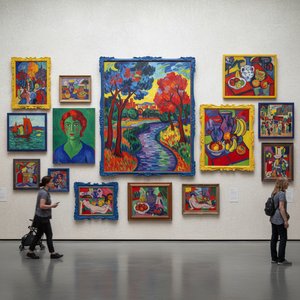
ფავიზმის 10 შედევრი: ხელოვნების ისტორიას განმსაზღვავი ნამუშევრები
აღმოფრთოვანდით ფავიზმის 10 გამორჩეული შედევრით! Henri Matisse, André Derain და სხვა მხატვრების ნამუშევრები. შეიგრძენ ექსპრესიულ ფერებსა და უნიკალურ სტილს. იხილეთ საუკეთესო ტილოები TopImpressionists.com-ზე!

Fauvism's Boldest Visions: 10 Masterpieces That Revolutionized Modern Art | TopImpressionists
Explore 10 Fauvist masterpieces by Matisse, Derain & Vlaminck that ignited Modern Art! Discover bold colors, expressionist landscapes & the history of this revolutionary movement. Find museum-quality prints at TopImpressionists.com.

The Raw Emotion of Color: Exploring Fauvism's Revolutionary Expression
Explore the revolutionary world of Fauvism! Discover the bold colors & expressive power of Matisse, Derain & Vlaminck. Learn about this pivotal art movement's history and lasting impact on modern painting.

The Wild Beast Within: Exploring Fauvism's Revolutionary Use of Color and Form
Explore the revolutionary Fauvism movement & Henri Matisse's bold use of color! Discover key characteristics, iconic artworks, and its lasting impact on modern art history with TopImpressionists.

Echoes of Isolation: Solitude in Western Art from Renaissance to Modernism
Explore the profound representation of solitude in Western art from the Renaissance to Modernism. Discover iconic paintings & artists like Goya, Friedrich, and Rossetti. Handmade oil reproductions available at TopImpressionists.
აღმოაჩინეთ ხელოვნების ნაწარმოებები თემების, სტილისა და მახასიათებლების მიხედვით დაჯგუფებული.


