

წარმოდგენილია: · ჩარჩოსთან ერთად:
 წინასწარი ნახვა
 გაგზავნა
 გაზიარება
 დეტალები
 გზამკვლევი

 ჩამოტვირთვა
 მსგავსები
 რენტგენოგრაფიული კვლევა
 სლაიდშოუ
 კითხვა-პასუხი
 სტატისტიკა


₾ 699
ზეთის საღებავით შესრულებული ხელით ნაკლნა
ტილოზე შესრულებული ფერწერიანი ზეთប្រდათი, თქვენთვის სასურველი ზომისა და ჩარჩოსთვის, ჩვენი ხელოვანების მიერ შეკვეთის საფუძველზე დამზადებული. ( ბეჭდვის რეჟიმზე გადართვა გადართვა ციფრულ გამოსახულებაზე)
ზომა
·სტანდარტული
სასურველი ზომა
CM
INCH
აირჩიეთ ჩვენს მიერ წინასწარ განსაზღვრული ზომებიდან, რომლებიც ნაწარმოების ორიგინალურ პროპორციებს შეესაბამება.
ზომების გამოთვლა...

სიგანე
სიმაღლე
შეიყვანეთ თქვენთვის საჭირო სიგანე და სიმაღლე, რათა ნახატი მოერგოს თქვენს ჩარჩოს ან კედელს. ვინაიდან ეს ნამუშევარი ხელით არის შესრულებული, სხვა ფორმის ზომის შემთხვევაში, მხატვარმა შესაძლოა სურათის გარშემო ოდნავ მეტი დატოვოს ან შეამციროს — არჩევანი თქვენზეა. დაწყებამდე, დასამტკიცებლად, ჩვენ გამოგიგზავნით ციფრულ მაკეტს. ამ გვერდზე ნაჩვენები სურათი არ ასახავს რეალურ შედეგს — რეალური სახე მხოლოდ მაკეტზე ჩანს.
 გაეცანით მეტს
დასრულება
·
თეთრი კიდეები ₾1

ბუნდოვანი კიდეები ₾1

გაფართოებული კიდეები ₾1

P118B ₾10

P118H ₾10

P118W ₾10

P438Z ₾10

P508JH ₾12

P508YH ₾12

P805H ₾10

P805Z ₾10

P919BZ ₾10

P919G ₾10

P919XJ ₾10

P959ZH ₾10

P968JZ ₾12

W106C ₾8

W218G ₾10

W218JH ₾8

W218Y ₾10

W307PJ ₾10

W316G ₾10

W316PJ ₾8

W316Y ₾10

W398PJ ₾8

W4111J ₾10

W500HY ₾15

W500JH ₾15

W692G ₾12

W849H ₾8

W940BG ₾15

W953PJ ₾8

H24-GOLD ₾30

H24-SILVER ₾30

H36-GOLD ₾45

H36-SILVER ₾45
გაგზავნილია დამცავ ტუბში, რათა თქვენსთვის სასურველ ჩარჩოში მოთავსდეს.
დამატებითი სერვისები
არასავალდებულორა შედის დამატებით სერვისებში?
რა შეიძლება შეიცვალოს: სახის ჩანაცვლება მომხმარებლის ფოტოთი; შინაური ცხოველის დამატება (მაგალითად, კატის შეცვლა ძაღლით); ფონზე ფარული შეტყობინების დამატება; ფონის ლანდშაფტის ან ელემენტების შეცვლა.
შეკვეთის შემდეგ, TopImpressionists.com გუნდი გამოგსტავთ ელექტრონულ წერილს ინსტრუქციებისთვის და მოგაწვდით წინასწარ ნახატის (mockup) პრევიუსს
შეკვეთის შემდეგ, TopImpressionists.com გუნდი გამოგსტავთ ელექტრონულ წერილს ინსტრუქციებისთვის და მოგაწვდით წინასწარ ნახატის (mockup) პრევიუსს
მიწოდება მსოფლიო მასშტაბით -ში 3/4 კვირაში, სტანდარტული 5 კვირის ნაცვლად. (6 ნოემბერი). ხარისხზე კომპრომისის გაკეთება არ მოხდება.
დამცავი ლაქი
სახელოვანი ფირფიტა
ბრინჯაოს ამოკვეთილი ფირფიტის დეტალები
This elegant plaque features the artist's name and the title of the artwork, finely engraved for a timeless presentation.
It is made from bronze with a refined, elegant finish. The text is precisely laser-engraved for a sharp and permanent result. Measuring 9x2 cm, the plaque is compact yet easy to read. It's built to be durable and scratch-resistant, offering a professional, museum-quality look. Mounting is simple thanks to the included adhesive backing.
აკრილის გამჭვირვალე ფირფიტის დეტალები
The plaque includes essential engraved details such as the artist's name, the title of the artwork, the date it was created, the type of media used-like oil on canvas or watercolor-a brief description of the piece, and a QR code that links to the complete artwork information.
It is crafted from clear acrylic, offering a sleek, modern appearance. The text is UV-engraved in black to ensure strong visual contrast. With a size of 10x15 cm, it ensures optimal readability. It comes equipped with two metal hooks for secure wall mounting. The plaque is designed to be weather-resistant, making it suitable for various environments, and it includes interactive features that work seamlessly with smartphone scanning.
შავი აკრილის ფირფიტის დეტალები
This elegant plaque includes engraved information such as the artist's name, the title of the artwork, the date it was created, the type of media used (like oil on canvas or watercolor), a short description of the artwork, and a QR code for quick access to more information.
The plaque itself is made from refined black acrylic with a premium finish. The text is laser-engraved in white for high contrast and readability. Its size is 10x15 cm, designed to be easy to read. It comes with two metal hooks for professional mounting. The design is sleek and fits any interior style. It is also weather-resistant and durable, with built-in digital integration for mobile compatibility.
მინის ჩარჩოს არჩევანი შესაძლებელია მხოლოდ 110 სმ-მდე ზომისთვის
 მინის ჩარჩოს არჩევანი შესაძლებელია მხოლოდ 110 სმ-მდე ზომისთვის
- უფასო ექსპრეს მიწოდება მთელ მსოფლიოში
- მაღალი ხარისხის ტილოს ქსოვილი
- ტრანსპორტირების სრული დაზღვევა
- საბაჟო გადასახადების დაბრუნების გარანტია
- ფერების სრული შესაბამისობის გარანტია
- დაბრუნების 100-დღიანი პოლიტიკა (მხოლოდ დეფექტის შემთხვევაში)
- 100% თანხის სრული დაბრუნების გარანტია
- ფასდაკლება დიდი რაოდენობით შეკვეთისას


კოლექციონირებადი ნივთის აღწერა
Kandinsky’s artistic journey began with a transformative encounter with Monet’s Haystacks, sparking his fascination with color symbolism and influencing his exploration of musical composition. His Bauhaus teaching experience solidified his commitment to geometric abstraction and experimental art forms.
მხატვრის ბიოგრაფია
ვაზილი კანდინსკის ნაწარმოებების ძირითადი სტილი და ისტორიული მნიშვნელობა შეადგენს აბსტრაქტულ ხელოვნებას და ბაუჰაუსის მემკვიდრეობას; მისი ნათელი ფერები და ფორმები მიმდინარე საუკუნეშიც კი გაგრძელებენ შთావლის udzielოს და შემოქმედებით სხეპს დაასახეს კლადდა ბაუჰაუსის გავლენით და ახალი მეგოება დაგროვდეს ხელოვნებაში!
სურათის შესახებ
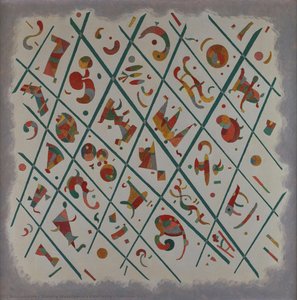
Division -Unit: A Symphony of Color and Spirit
Wassily Kandinsky’s “Division - Unite,” created in 1934 during his formative Parisian period, stands as an emblem of abstract expressionism and a testament to the artist's relentless pursuit of spiritual resonance within visual art. Born in Moscow in 1866, Kandinsky embarked on a transformative artistic odyssey fueled by encounters with Impressionist painting—particularly Claude Monet’s “Haystacks”—and profoundly moved by Wagner’s opera "Lohengrin." These experiences instilled within him an unwavering conviction that art could transcend mere representation and communicate directly with the soul. This conviction would become the cornerstone of his groundbreaking approach to abstraction, forever altering the landscape of modern artistic endeavor. Early influences extended beyond purely visual stimuli; Kandinsky absorbed the vibrant hues and symbolic narratives of Russian folk art, gleaned from expeditions into the Vologda region. He meticulously documented these observations, recognizing their capacity to evoke emotional responses akin to musical harmonies—a concept he would champion throughout his career. This intellectual framework underpinned his artistic explorations, guiding him toward a deliberate rejection of conventional pictorial conventions in favor of forms that prioritized color and composition as primary expressive vehicles. The painting itself presents a striking visual experience: a square grid serves as the foundational structure for an astonishing array of organic shapes—circles, squares, triangles—interwoven with scattered letters. These elements are not uniformly distributed; rather, they cluster and overlap, generating a palpable sense of controlled chaos that belies Kandinsky’s meticulous planning. Diagonal lines intersect the grid, injecting dynamism into the composition and reinforcing the feeling of movement. The color palette is extraordinarily rich and diverse, encompassing reds, greens, blues, yellows, oranges, and purples—applied in both solid blocks and blended areas to create subtle gradations that heighten visual interest. Dominating the background is a pale grey or off-white hue, allowing the vibrant colors of the shapes to command attention and radiate luminosity. Kandinsky’s technique reflects his unwavering commitment to capturing inner experience. Executed primarily with oil paints on canvas—likely stretched taut—the application appears remarkably smooth, minimizing visible brushstrokes and prioritizing tonal harmony. This deliberate restraint underscores Kandinsky's belief that color alone could convey profound emotional significance. The resulting surface possesses a subtle textural quality, suggestive of the paper-like texture of his preparatory sketches, hinting at the artist’s ongoing engagement with traditional drawing methods alongside his pioneering explorations of abstraction. “Division - Unite” embodies Kandinsky’s mature abstract style—characterized by its rejection of representational imagery and its masterful manipulation of color relationships to evoke spiritual contemplation. It aligns seamlessly with the tenets of Abstract Expressionism, a movement that championed spontaneous gesture and emotional intensity as paramount considerations in artistic creation. More than just a visual spectacle, this artwork invites viewers into a realm where form and color coalesce to communicate unspoken truths—a legacy that continues to inspire artists and collectors alike.Composition & Structure
The square grid serves as the central organizing principle of “Division - Unite,” providing a framework for the arrangement of disparate elements while simultaneously fostering a sense of controlled dynamism. Unlike traditional perspectival representations, Kandinsky eschews depth illusion, opting instead for a flattened surface that emphasizes color and form as independent expressive forces. Diagonal lines intersect the grid, injecting movement into the composition and disrupting any potential static equilibrium. This deliberate disruption mirrors Kandinsky’s philosophical conviction that art should transcend rational thought and tap into primal instincts—a core tenet of his spiritual worldview.Color Palette & Harmony
Kandinsky's masterful use of color is arguably the painting's most striking feature. The palette encompasses a spectrum of hues—reds, greens, blues, yellows, oranges, and purples—each carefully positioned to create visual harmony and convey specific emotional resonances. Solid blocks of color coexist with blended areas, generating subtle gradations that enrich the overall tonal range. The dominant off-white background serves as a counterpoint to the vibrant shapes, maximizing their luminosity and enhancing their impact on the viewer’s eye. Kandinsky's meticulous attention to color theory—informed by Goethean aesthetics—demonstrates his profound understanding of how color can stimulate sensory perception and evoke psychological responses.Technique & Materials
The painting was crafted using oil paints on canvas, a medium favored by Kandinsky for its ability to achieve exceptional tonal fidelity and textural nuance. The application technique prioritizes smoothness and tonal consistency, minimizing visible brushstrokes and emphasizing the artist’s commitment to capturing inner experience through visual form. This deliberate restraint underscores Kandinsky's belief that color alone could convey profound emotional significance—a conviction that underpinned his entire artistic practice.Symbolic Significance & Emotional Impact
“Division - Unite” transcends mere aesthetic beauty; it embodies Kandinsky’s aspiration to communicate spiritual truths through abstraction. The scattered letters within the composition serve as visual anchors, grounding the organic shapes in a realm of intellectual contemplation—a reflection of Kandinsky's engagement with philosophical ideas and his belief that art could illuminate hidden dimensions of human consciousness. Ultimately, this painting invites viewers into a meditative state—a testament to Kandinsky’s enduring legacy as one of the foremost pioneers of abstract expressionism and a visionary artist who dared to explore the uncharted territories of visual perception.Historical Context
Created in 1934, “Division - Unite” emerged during Kandinsky's Parisian period—a time marked by profound intellectual ferment and artistic experimentation. The painting reflects the influence of Bauhaus, where Kandinsky taught from 1922 to 1933, and embodies the broader ethos of Abstract Expressionism—a movement that championed spontaneity and emotional intensity as paramount considerations in artistic creation. It stands as a pivotal work within Kandinsky’s oeuvre, solidifying his reputation as one of the most innovative and influential artists of the 20th century.Size & Dimensions
Unknown Date: 1934კითხვები და პასუხები
რამდენად გაჯერებულია „Division -Unit“-ის პალიტრა?
ვაზილი კანდინსკი-ის „Division -Unit“-ის ფერების გაჯერებულობა არის დაბალღიანი.
არის თუ არა ვაზილი კანდინსკი-ის „Division -Unit“ საჯარო დომენში?
ვაზილი კანდინსკი-ის „Division -Unit“ არის საჯარო საკუთრებაშია — საავტორო უფლებები ამოწდა. ეს სტატუსი განსაზღვრავს, თუ როგორ შეიძლება ნამუშევრის გამოსახულების რეპროდუცირება.
რა სიკაშკაშეს ახასიათებს ნამუშევარს ვაზილი კანდინსკი-ის „Division -Unit“?
„Division -Unit“-ის ფერები გამოირჩევა რბილი განათება სიკაშკაშით.
მოკლე ფაქტები და ხელოვნების ქვიზი
ვაზილი კანდინსკი-ის შესახებ

ვაზილი კანდინსკი
1866 - 1944, რუსეთი
მხატვრის ბიოგრაფია
ცისფერი ოცნებები და სულიერი სიმტკიცე: ვასილი კანდინსკის სამყარო
ვასილი ვასილის ძე კანდინსკი, რომელიც 1866 წელს მოსკოვში დაიბადა, იყო რევოლუციური ფიგურა, რომელმაც უდავოდ შეცვალა თანამედროვე ხელოვნების კურსი. მისი გზა არ იყო ხელოვნებისადმი فوری მოწოდების შედეგი; თავდაპირველად განკუთვნილი იყო სამართლისა და ეკონომიკის შესწავლა მოსკოვის უნივერსიტეტში, მაგრამ დიპოლად მონეს „ჭარბების“ ნახევარი და ვაგნერის ოპერას „ლოჰენგრინის“ ყურება განრიგեց მის შინაგან ძალას, რათა ხელოვნებას მიეძღვნა. ეს გადამწყვეტი მომენტი, რომელიც დაახლოებით ოცდაათი წლის ასაკში მოხდა, აღინიშნა არა მხოლოდ კარიერული ცვლილებით, არამედ პერსპექტივის სრული გარდაქმნით, რაც მას უნიკალური აბსტრაქციის პიონერთა რიგებში მოაქცია. მალევე გადავიდა მიუნხენში, სადაც ჩაირიცხა გამოჩენილი სამხატვრო აკადემიაში და სწავლობდა ფრანც ვონ სტუკის अधीन, თუმცა ფორმალური განათლების დროსაც კანდინსკის სული საზღვრებს მიღმა შესწავლის მილოდებოდა. ადრეულ პერიოდში მასზე გავლენას ახდენდა რუსული ფოლკლორული ხელოვნება, რომელიც მან 1889 წელს ვოლოგდის რეგიონის ეთნოგრაფიულ ლაშქრობაში მიიღო. ეს განავითარებდა ფერებისადმი ინტერესს და სიმბოლურ გამოსახულებებს. ეს საფუძველი გადამწყვეტი აღმოჩნდა მისი უნიკალური მხატვრული ენის შესაქმნელად. ადრეული გამოკვლევები არ იყო მხოლოდ ესთეტიკური გემოვნების საკითხი; ისინი ღრმად კულტურულ კავშირს და იმგვარებას უკავშირდნენ, თუ ხელოვნება შესაძლოა სიტყვით აღწერილობიდან გამოსულიყო.ექსპრესიონიზმიდან შინაგანი აუცილებლობამდე: აბსტრაქციის გათიელება
კანდინსკის ადრეული ნაშრომები გამოხატავს ექსპრესიონისტურ მიდგომას, რომელიც ხასიათდება მკაფიო ფერებითა და ემოციური ინტენსივობით – მაგალითად, „ფაფელნი (ყანახი)“ (1902). თუმცა, ის არ იყო კმაყოფილი მხოლოდ გარე სამყაროს აღწერით; მან სურდა შინაგანი რეალობების, სულიერი ჭეშმარიტებების გამოხატვა, რაც უბრალო ვიზუალურ გამოსახულებას მნიშვნელოვნად აჭარბებოდა. სწორედ ამმა მისცა იმპეტუსი წარმოსადგენლობიდან გადასვლისკენ და ფერის, ფორმის და მათი ემოციური რეზონანსის რევოლუციური შესწავლისკენ. მასჯეროდა, რომ ფერებს ჰქონდათ თანდაყოფილი ფსიქოლოგიური ეფექტები, რომლებიც უნარიანობას მფლობელობაში აქვთ კონკრეტული გრძნობების და სენსაციების აღძვრა მაყურებელს. ეს რწმენა ორგანულად იყო დაკავშირებული თეოსოფიაში მის გაღრმავებულ ინტერესთან, რომელიც არის სულიერი მოძრაობა, რომელიც ხაზს უსვამს ეგზოტიკურ ცოდნასა და საყოველთაო ძმობას. ამ იდეების სიღრმეში ჩასული კანდინსკის ტილოები თანდათანობით გამორჩეულ ფორმებს ტოვებდნენ, ფავრიდნენ აბსტრაქტული კომპოზიციებისკენ, რომლებიც განისაზღვრებოდა „შინაგან აუცილებლობაში“. ეს არ იყო უბრალოდ წარმოსადგენლობის εγκαταუყნის მცდელობა; ეს იყო ახალი ვიზუალურ ენის აღმოჩენა, რომელიც قادرაა გამოხატოს გრძნობების და სულიერების არათანაბარი სфера. ის ცდილობდა შეექმნა ფერის და ფორმის ჰარმონიული სიმტკიცე, როგორც მუსიკის ვიზუალური ანალოგი, რომელმაც βαθύς ემოციური რეაქცია უნდა გამოიწვიოს.გეომეტრიული სიმტკიცე და სულიერი რეზონანსი
მუნხენში 1911 წელს თანადაარსებული влиятельный მხატვრული ჯგუფი „Der Blaue Reiter“-ის (The Blue Rider) ჩართულობის შემდეგ კანდინსკის სტილი კიდევ უფრო განვითარდა. ადრეულ ნაშრომებში ხშირად გვხვდება მოქცეული, ორგანული ფორმები, თუმცა მან გეომეტრიულ აბსტრაქციას დაუწყო შესწავლა, კონცენტრირება წრეების, სამკუთხედებისა და კვადრატების ურთიერთქმედებაზე. „რაოდენიმე წრე“ (140 x 140 სმ) ამ პერიოდის ტიპური მაგალითია – დინამიური კომპოზიცია, სადაც ფერი და ფორმა ჰარმონიულ, მაგრამ ენერგიულ ცეკვაში ურთიერთქმედებენ. ეს არ იყო ცივ ან სტერილ გეომეტრიას; მას სულიერი მნიშვნელობაც ჰქონდა. კანდინსკი თვლიდა, რომ გეომეტრიულ ფორმებს თანდაყოფილი სიმბოლური მნიშვნელობა აქვთ და მათი განთავსება ტილოზე კონკრეტული ემოციური რეაქციის მოწოდებას უნარიანობას მფლობელობაში. „ხელოვნების სულისშესახებ“ (1911) მისი सैद्धांतिक წერები, განსაკუთრებით, ამ რწმენას გამოხატავდა, საფუძველს ვქმნიდა აბსტრაქტული ხელოვნების ახალი გაგებისთვის, როგორც βαθύς სულიერი ჭეშმარიტებების გამოხატვის საშუალება. ის ამტკიცებდა, რომ ხელოვნება არ უნდა მიზნიდეს ბუნების გამოსახულებას, არამედ მხატვრის შინაგანი სამყაროს გამოვლენასა და მაყურებელთან βαθύς, ინტუიციური დონეზე კავშირის დამყარებას.ბაუჰაუსის გავლენა და მემკვიდრეობა
პირველ მსოფლიო ომის დაწყვამ კანდინსკის დაბრუნება რუსეთში აიძულა, მაგრამ რევოლუციის შემდეგ ის ხშირად ეჯახებოდა ხელოვნების მმართველ ძალას. 1920 წელს მან მიიღო სამუშაო ბაუჰაუსის სკოლაში გერმანიაში, სადაც თავისი ფერის, ფორმის და აბსტრაქციის თეორიებით უწოდებდა ახალი თაობის მხატვრებს. ბაუჰაუსი იყო იდეალური გარემო კანდინსკისთვის მისი იდეების განვითარებისა და ახალი შემოქმედებითი გზების შესასწავლად. მას განაგრძობდა გეომეტრიული ფორმები და მკაფიო ფერებით ექსპერიმენტებს, ხშირად ინტეგრირებდა שכבות impasto ტექნიკებს, რათა შექმნა ტექსტურებული ზედაპირები, რომლებიც სიღრმის და სიმარჯვეს მატებდნენ მის კომპოზიციებში – როგორც ჩანს, უფრო გვიანდელ ნაშრომებში, როგორიცაა „შინაგანი წვეულება“ (1942). 1933 წელს ნაცისტების მიერ ბაუჰაუსის დახურვისმოკლე ფაქტები ვაზილი კანდინსკი შესახებ
- Artistic Movement Or Style: ᲐᲑᲡᲢᲠᲐᲙᲢᲠᲐᲑტი ხელოვნება და გამოხატვისმცნე სტილი
- Artists Who Influenced This Artist:
- კლოდ მონი
- რიჩარდ ვაგნერი
- Date Of Birth: 1866 წელი
- Date Of Death: 1944 წელი
- Full Name: ვაზილი ვაზილის ძე კანდინსკი
- Nationality: რუსი და ფრანგი
- Notable Artworks:
- მურნაუს მურნაუსთან მწვანე კონტური
- თემპერებული ელანი
- ᲞᲘᲜᲔᲛᲞᲠᲐᲓᲘᲡᲐᲢᲔᲑᲠﯼ პᲐᲠᲢﯽ
- Place Of Birth: მოსკოვი რუსეთი
აღმოაჩინეთ ხელოვნების ნაწარმოებები თემების, სტილისა და მახასიათებლების მიხედვით დაჯგუფებული.


ვაზილი კანდინსკი
Division -Unit
() ·
ჩარჩოსთან ერთად: · ზეთით შესრულებული ხელნაკეთი ტილოზე linen-ზე
ჯამური ღირებულება