

 실제 크기로 보기
 보내기
보내기 공유하기
공유하기
 상세 보기
상세 보기 가이드 보기

 이미지 다운로드
 유사 작품 더 보기
 X-레이
X-레이 슬라이드 쇼 보기
 Q&A
Q&A 통계 정보
통계 정보들른 소년

- 65.0 x 81.0 cm


 상세 보기
상세 보기
지클레 / 아트 프린트
빠른 제작과 다양한 마감 옵션을 선택할 수 있는 박물관 수준의 지클레이 및 캔버스 프린트. ( 수작업 채색 복제본 주문하기 디지털 이미지 판매 채널로 전환)




P118B ₩10

P118H ₩10

P118W ₩10

P438Z ₩10

P508JH ₩12

P508YH ₩12

P805H ₩10

P805Z ₩10

P919BZ ₩10

P919G ₩10

P919XJ ₩10

P959ZH ₩10

P968JZ ₩12

W106C ₩8

W218G ₩10

W218JH ₩8

W218Y ₩10

W307PJ ₩10

W316G ₩10

W316PJ ₩8

W316Y ₩10

W398PJ ₩8

W4111J ₩10

W500HY ₩15

W500JH ₩15

W692G ₩12

W849H ₩8

W940BG ₩15

W953PJ ₩8




표준 규격
맞춤 제작
CM
INCH
작품의 원본 비율을 그대로 유지하는 프리셋 사이즈 중에서 선택해 보세요.
Loading sizes...

가로 너비
높이
액자나 벽면 크기에 맞춰 필요한 가로와 세로 길이를 입력해 주세요. 프린트는 원본 이미지보다 크게 제작할 수 없으며 오직 자르는 것만 가능하므로, 비율이 다른 사이즈를 선택할 경우 이미지의 일부가 잘려 나갈 수 있습니다. 인쇄 작업에 들어가기 전, 최종 확인을 위해 디지털 목업을 보내드립니다. 이 페이지에 표시된 이미지는 실제 잘리는 영역을 나타내지 않으며, 오직 목업을 통해서만 정확한 확인이 가능합니다.


 유리 옵션은 110cm 미만 크기에서만 선택 가능합니다.

들른 소년
지클레 / 아트 프린트
복제본 규격
-


총 결제 금액
₩ 93054
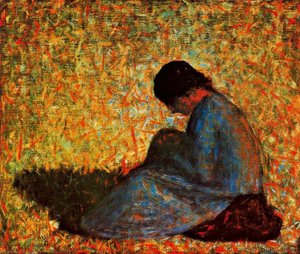
Georges Pierre Seurat’s Peasant Boy Sitting in a Meadow
Georges Pierre Seurat's Peasant boy sitting in a meadow stands as an emblem of Post-Impressionism’s quest for visual truth and emotional resonance. Created in 1883, this painting—measuring 65 x 81 cm and executed in oil on canvas—captures the serene beauty of rural France with its masterful use of color and meticulous Pointillist technique. It's more than just a depiction; it’s an exploration of perception itself.Artistic Context: Post-Impressionism – A Reaction to Impressionism
The Impressionists, celebrated for their fleeting glimpses of light and atmosphere, had revolutionized painting with their focus on capturing the immediacy of sensory experience. However, Seurat recognized limitations within this approach—namely, its inability to convey deeper emotional or intellectual ideas. Embracing a bold departure from Impressionistic conventions, he spearheaded Post-Impressionism, marking a pivotal moment in artistic history. Artists like Seurat sought to transcend mere optical observation and delve into the realm of subjective feeling, experimenting with innovative methods to achieve this ambitious goal.Composition and Technique: The Brilliance of Pointillism
Seurat’s genius resided in his revolutionary technique—Pointillism. Rejecting blending colors on the canvas, he applied tiny dots of pigment – meticulously placed according to scientific principles – to create an image from fragments of color. This method wasn't merely decorative; it was a deliberate attempt to mimic how the human eye perceives light and color. The painting’s central figure—a young peasant boy seated thoughtfully amidst a vibrant yellow meadow—is framed by two cows grazing peacefully in the background. Notice the careful delineation of forms, achieved through outlining rather than shading, contributing to an overall sense of stillness and contemplation. Seurat's methodical approach demanded immense patience and precision, resulting in a textured surface that glows with luminosity.Symbolism and Interpretation: Harmony Between Humanity and Nature
Beyond its aesthetic beauty, Peasant boy sitting in a meadow speaks to profound themes of human connection with the natural world. The boy’s posture embodies quiet introspection—a moment of respite from labor and an acknowledgement of the surrounding landscape's grandeur. The cows symbolize pastoral tranquility and fertility, reinforcing the painting’s overarching message of harmony between humankind and its environment. Seurat’s deliberate use of color—particularly the dominant yellows and blues—further enhances this symbolic dimension, conveying feelings of warmth and serenity.Relevance in Art History: Influencing Modern Movements
Georges Pierre Seurat's pioneering approach to painting profoundly impacted subsequent artistic movements. His unwavering commitment to scientific observation paved the way for Fauvism’s bold chromatic experimentation and Cubism’s fragmentation of form—demonstrating the enduring legacy of Pointillism as a cornerstone of modern art. Studying Peasant boy sitting in a meadow allows us to appreciate not only its artistic merits but also its role in shaping the trajectory of 20th-century art.질의응답
원작 "들른 소년"의 크기는 어떻게 되나요?
조르주 피에르 세라의 "들른 소년"의 기록된 크기는 65 x 81 cm입니다. 복제화는 동일한 비율을 유지하면서 다른 크기로 주문하실 수 있습니다.
신인상 양식의 작품 "들른 소년"은 어느 나라에서 유래되었나요?
신인상 양식의 작품 "들른 소년"은 프랑스에서 태어난 작가에 의해 제작되었습니다.
조르주 피에르 세라의 "들른 소년"이(가) 인테리어에 어떤 분위기를 더해주나요?
평온한 분위기를 자아내는 "들른 소년"은(는) 거실 공간에 추천합니다.
관련 작품들




작가 소개
빛과 과학의 조화: 조르주 세라의 삶과 예술
조르주 피에르 세라는 1859년 파리에서 태어나 1891년에 짧지만 강렬한 빛을 잃은 프랑스의 화가이자 드로잉 작가입니다. 그의 대표작인 그랑드 자트 섬에서의 일요일 오후(1884-1886)는 현대 미술의 흐름을 완전히 바꾸어 놓았으며, 점묘법(Pointillism)이라는 혁신적인 기법을 통해 빛과 색채를 표현하는 새로운 가능성을 열었습니다. 세라는 단순한 회화가를 넘어 과학적 탐구와 예술적 감성이 완벽하게 조화를 이룬 선구자였습니다. 그의 삶은 끊임없는 실험 정신과 섬세한 관찰력, 그리고 빛에 대한 깊은 이해로 점철되어 있습니다. 어린 시절부터 그림 그리기에 재능을 보였던 세라는 앙리 레망의 지도를 받아 전통적인 회화 기법을 익혔지만, 곧 그것으로는 충분치 않다는 것을 깨닫고 색채와 빛에 대한 과학적 연구에 몰두하기 시작했습니다. 미셸 외귀외를 비롯한 색채 이론가들의 저서를 탐독하며 색채의 혼합과 시각적 효과에 대한 깊이 있는 이해를 쌓았고, 이는 그의 독창적인 점묘법 탄생의 토대가 되었습니다.학문적 기반에서 빛나는 혁신으로
세라의 예술적 발전은 갑작스러운 변화가 아닌 꾸준한 탐구와 실험을 통해 이루어진 진화였습니다. 초기에는 전통적인 회화 교육을 받으며 인상파 화가들의 영향을 받았지만, 점차 과학적인 접근 방식을 추구하며 자신만의 독특한 길을 개척했습니다. 그는 색채의 혼합이 캔버스 위에서 이루어지는 것이 아니라 관찰자의 눈에서 일어나는 현상이라는 것을 깨달았습니다. 이러한 이해를 바탕으로 세라는 작은 점들의 순수한 색채를 나란히 배치하여, 관찰자가 그 점들을 바라볼 때 색채가 시각적으로 혼합되어 빛나는 효과를 만들어내는 점묘법을 창시했습니다. 이 기법은 단순히 색상을 더 밝게 만드는 것을 넘어, 인간의 시각 시스템이 빛과 색채를 어떻게 인식하는지를 과학적으로 분석하고 이를 회화에 적용한 결과였습니다. 생-오엥 풍경(1882-1883)과 같은 초기 작품에서부터 세라의 점묘법은 서서히 발전해 왔으며, 그의 섬세한 드로잉 기법은 콩테 연필을 사용하여 종이에 미묘한 음영을 표현하는 데 활용되었습니다.혁신의 정수: 주요 작품과 예술적 비전
세라의 예술적 탐구의 절정기는 그랑드 자트 섬에서의 일요일 오후(1884-1886)에 명확하게 드러납니다. 이 기념비적인 작품은 점묘법을 가장 완벽하게 구현한 걸작으로 평가받으며, 파리 시민들이 센 강변에서 여가를 즐기는 모습을 담고 있습니다. 캔버스 위에 섬세하게 배치된 수많은 점들은 빛과 색채가 공기 중에 떠다니는 듯한 착각을 불러일으키며, 평화롭고 고요한 분위기를 자아냅니다. 생-데니의 보리밭(1886-1887)은 농촌 풍경에 점묘법을 적용한 작품으로, 세라가 색채 이론을 통해 자연의 아름다움을 표현하고자 했던 의도를 보여줍니다. 또한, 초기 작품인 아스니에르의 목욕하는 사람들(1884)은 그의 스타일이 발전해가는 과정을 엿볼 수 있게 하며, 에펠탑(1889)과 같은 현대적인 도시 풍경을 점묘법으로 표현하며 산업 시대의 새로운 미학을 제시했습니다. 이 작품들은 단순한 장면의 재현이 아닌, 색채와 빛에 대한 과학적 탐구를 통해 만들어진 시각적 실험작품입니다.영원한 유산: 영향력과 역사적 의의
비록 짧은 생애였지만(31세), 세라가 남긴 예술적 업적은 현대 미술사에 지대한 영향을 미쳤습니다. 그의 혁신적인 기법은 전통적인 회화 관습에 도전하며 수많은 후대 화가들에게 영감을 주었습니다. fauve회화 단체의 화가들은 세라의 색채 사용에서 영향을 받아 대담하고 표현적인 색채를 탐구했으며, 입체파 화가들은 형태를 분해하고 재구성하는 데 그의 점묘법을 응용했습니다. 또한 추상표현주의 화가들에게도 세라의 작품은 자유로운 표현과 실험 정신을 고취시키는 중요한 영감을 제공했습니다. 세라는 과학적인 접근 방식을 통해 예술의 가능성을 확장했으며, 지성과 감성이 조화를 이룬 현대 미술의 새로운 지평을 열었습니다. 그의 작품들은 오늘날에도 빛과 색채에 대한 끊임없는 탐구와 인간 삶의 아름다움을 담아내며 관객들에게 깊은 감동과 영감을 선사하고 있습니다. 세라는 단순한 회화가를 넘어, 예술과 과학이 융합된 새로운 시대의 선구자로서 그의 유산은 영원히 지속될 것입니다.
조르주 피에르 세라
1859 - 1891 , 프랑스
작가 정보 요약
- 국적: 프랑스
- 대표 작품:
- 그랑드 자테 섬에서의 일요일 오후
- 아스니에르의 수영 선수들
- 생트오엔 풍경
- 사망일: 1891년 3월 29일
- 영향을 받은 예술 사조:
- 포비즘
- 입체주의
- 추상 표현주의
- 영향을 준 예술가:
- 미셸 외브뢰유
- 오든 루드
- 예술 사조: 신인상주의, 점묘법
- 전체 이름: 조르주 피에르 세라
- 출생일: 1859년 12월 2일
- 출생지: 파리, 프랑스
관련 기사

The Science of Light: How Seurat and Signac Revolutionized Color with Pointillism
Explore the scientific revolution of Pointillism. Discover how Georges Seurat and Paul Signac utilized optical color mixing and light theory to transform modern art through Neo-Impressionist precision and luminous technique.

Georges Seurat: Pointillism, Perception & the Scientific Foundations of Modern Art
Explore the revolutionary art of Georges Seurat and the science behind Pointillism. Discover chromoluminarism, optical mixing, and the lasting impact of Neo-Impressionism on modern art history.

조르주 브라크의 걸작 25선: 예술과 공간을 초월하는 시선 | TopImpressionists
조르주 브라크의 시대를 초월한 25개의 걸작을 만나보세요. 입체주의를 개척한 프랑스 화가의 예술 세계와 숨겨진 이야기를 TopImpressionists에서 감상하고, 명작 유화 복제본으로 공간에 특별함을 더하세요. 지금 바로 컬렉션을 탐험하세요!

조르주 쇠라 대표작 25선: 빛과 색의 혁신, 당신의 공간에 예술을 더하세요
조르주 쇠라의 대표작 25선을 만나보세요. 점묘법의 혁신과 빛, 색채의 아름다움이 담긴 명작들을 감상하고, 인테리어에 예술적인 영감을 더하세요. TopImpressionists.com에서 고품질 미술 작품을 컬렉션해보세요.

Beyond Impressionism: Exploring the Emotional Depth of Post-Impressionist Painting
Explore the profound emotional depth & innovative techniques of Post-Impressionism with TopImpressionists. Discover Cézanne, Van Gogh, Gauguin & more – and their lasting impact on modern art.
테마, 스타일, 특징별로 큐레이션된 작품들을 만나보세요.


