


 실제 크기로 보기
 보내기
보내기 공유하기
공유하기
 상세 보기
상세 보기 가이드 보기

 이미지 다운로드
 유사 작품 더 보기
 X-레이
X-레이 슬라이드 쇼 보기
 통계 정보
통계 정보The Gardener


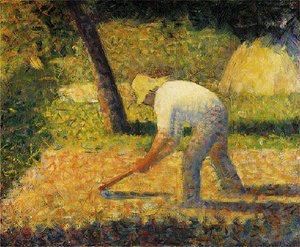
Discover "The Gardener" by Seurat! A stunning Pointillist masterpiece showcasing rural beauty & warm light. Explore Neo-Impressionism's elegance – a timeless work of art.
 상세 보기
상세 보기
Georges Seurat는 점묘 기법으로 유명하며, 특히 라 그랑트 자트 풍경화로 대중에게 깊은 인상을 남겼습니다. 그는 색채 이론과 과학적 원리를 바탕으로 미술의 새로운 지평을 열었고, 후대 화가들에게 영감을 불어넣었습니다.
지클레 / 아트 프린트
빠른 제작과 다양한 마감 옵션을 선택할 수 있는 박물관 수준의 지클레이 및 캔버스 프린트. ( 수작업 채색 복제본 주문하기 디지털 이미지 판매 채널로 전환)




P118B ₩10

P118H ₩10

P118W ₩10

P438Z ₩10

P508JH ₩12

P508YH ₩12

P805H ₩10

P805Z ₩10

P919BZ ₩10

P919G ₩10

P919XJ ₩10

P959ZH ₩10

P968JZ ₩12

W106C ₩8

W218G ₩10

W218JH ₩8

W218Y ₩10

W307PJ ₩10

W316G ₩10

W316PJ ₩8

W316Y ₩10

W398PJ ₩8

W4111J ₩10

W500HY ₩15

W500JH ₩15

W692G ₩12

W849H ₩8

W940BG ₩15

W953PJ ₩8




표준 규격
맞춤 제작
CM
INCH
작품의 원본 비율을 그대로 유지하는 프리셋 사이즈 중에서 선택해 보세요.
Loading sizes...

가로 너비
높이
액자나 벽면 크기에 맞춰 필요한 가로와 세로 길이를 입력해 주세요. 프린트는 원본 이미지보다 크게 제작할 수 없으며 오직 자르는 것만 가능하므로, 비율이 다른 사이즈를 선택할 경우 이미지의 일부가 잘려 나갈 수 있습니다. 인쇄 작업에 들어가기 전, 최종 확인을 위해 디지털 목업을 보내드립니다. 이 페이지에 표시된 이미지는 실제 잘리는 영역을 나타내지 않으며, 오직 목업을 통해서만 정확한 확인이 가능합니다.


 유리 옵션은 110cm 미만 크기에서만 선택 가능합니다.

The Gardener
지클레 / 아트 프린트
복제본 규격
-


총 결제 금액
₩ 93667
A Moment Captured in Light: Georges Seurat’s “The Gardener”
Georges Seurat's "The Gardener," painted in 1882, isn’t merely a depiction of a rural scene; it’s a meticulously constructed meditation on perception and the very nature of seeing. This work, often overshadowed by his more famous Pointillist masterpieces like “A Sunday Afternoon on La Grande Jatte,” offers a profound glimpse into the artist's revolutionary approach to painting – one rooted in scientific observation and an almost obsessive desire to capture the ephemeral effects of light. The image presents a solitary figure, presumably a farmer, traversing a field of tall grasses under a hazy sky, a scene imbued with a quiet dignity and a palpable sense of solitude. It’s a tableau that invites contemplation not just of the landscape itself, but of the act of observation – how we perceive color, form, and space.
The Language of Pointillism: A Scientific Approach to Color
Seurat's technique in “The Gardener” is undeniably central to its impact. He employed his signature method of Pointillism, a revolutionary approach that moved far beyond the loose brushstrokes of Impressionism. Instead of blending colors directly on the canvas, Seurat meticulously applied thousands of tiny, distinct dots – individual points of pure color – to create an optical illusion. When viewed from a distance, these dots coalesce and blend in the viewer’s eye, resulting in a vibrant and luminous effect that surpasses the capabilities of traditional brushwork. The artist's rigorous study of optics, informed by scientific theories about color perception, dictated every aspect of his process. He believed that by isolating individual colors and allowing the eye to synthesize them, he could achieve a greater degree of realism and luminosity than was previously possible. Notice how the greens shift subtly across the field – not through blending, but through the careful arrangement of yellows, blues, and whites.
- Color Theory: Seurat’s palette is carefully calibrated to create harmonious color relationships, utilizing complementary colors to intensify hues and achieve a remarkable sense of depth.
- Dot Size & Placement: The varying size and density of the dots contribute to the overall texture and visual rhythm of the painting. Larger dots are used for darker areas, while smaller dots define finer details.
Symbolism and the Human Figure Within Nature
Beyond its technical brilliance, “The Gardener” is rich in symbolic meaning. The solitary figure represents humanity’s relationship with the natural world – a connection both profound and often isolating. He's not actively engaged in labor, but rather simply *present* within the landscape, suggesting a quiet reverence for the land. The hazy sky, rendered in delicate washes of blue and gray, evokes a sense of timelessness and mystery. The field itself, with its undulating grasses, becomes a metaphor for life’s journey – a continuous flow and movement that is both beautiful and transient. It's important to note that Seurat was deeply interested in the philosophical implications of his work, exploring themes of order, harmony, and the pursuit of scientific truth through art.
A Legacy of Precision: Recreating the Vision
“The Gardener” stands as a testament to Georges Seurat’s innovative spirit and his unwavering commitment to capturing the essence of light and color. TopImpressionists offers meticulously crafted, hand-painted reproductions that faithfully recreate the luminosity and precision of this remarkable work. Each reproduction is created by skilled artists who understand the nuances of Seurat's technique, ensuring that you receive a faithful representation of this iconic painting. Whether displayed in a contemporary setting or as a cherished addition to a classic interior, a TopImpressionists reproduction of “The Gardener” will bring a touch of artistic brilliance and intellectual depth to your space. Consider how the subtle shifts in color and texture – achieved through our painstaking process – evoke the same sense of quiet contemplation that defined Seurat’s original vision.
질의응답
조르주 피에르 세라의 "The Gardener"의 색감은 선명한가요, 아니면 차분한가요?
"The Gardener"의 채도는 Clear Color Presence이며, 색채 강도는 Vivid입니다.
"The Gardener" 작품은 어떤 사이즈로 출력하는 것을 추천하시나요?
조르주 피에르 세라의 "The Gardener" 작품의 경우 Large 크기의 복제본을 추천합니다. 비율을 유지하면서 크기를 조정할 수 있습니다.
조르주 피에르 세라의 "The Gardener"의 휘도는 어느 정도인가요?
"The Gardener"의 색상은 Gentle Luminance 정도의 휘도를 나타냅니다.
관련 작품들




작가 소개
빛과 과학의 조화: 조르주 세라의 삶과 예술
조르주 피에르 세라는 1859년 파리에서 태어나 1891년에 짧지만 강렬한 빛을 잃은 프랑스의 화가이자 드로잉 작가입니다. 그의 대표작인 그랑드 자트 섬에서의 일요일 오후(1884-1886)는 현대 미술의 흐름을 완전히 바꾸어 놓았으며, 점묘법(Pointillism)이라는 혁신적인 기법을 통해 빛과 색채를 표현하는 새로운 가능성을 열었습니다. 세라는 단순한 회화가를 넘어 과학적 탐구와 예술적 감성이 완벽하게 조화를 이룬 선구자였습니다. 그의 삶은 끊임없는 실험 정신과 섬세한 관찰력, 그리고 빛에 대한 깊은 이해로 점철되어 있습니다. 어린 시절부터 그림 그리기에 재능을 보였던 세라는 앙리 레망의 지도를 받아 전통적인 회화 기법을 익혔지만, 곧 그것으로는 충분치 않다는 것을 깨닫고 색채와 빛에 대한 과학적 연구에 몰두하기 시작했습니다. 미셸 외귀외를 비롯한 색채 이론가들의 저서를 탐독하며 색채의 혼합과 시각적 효과에 대한 깊이 있는 이해를 쌓았고, 이는 그의 독창적인 점묘법 탄생의 토대가 되었습니다.학문적 기반에서 빛나는 혁신으로
세라의 예술적 발전은 갑작스러운 변화가 아닌 꾸준한 탐구와 실험을 통해 이루어진 진화였습니다. 초기에는 전통적인 회화 교육을 받으며 인상파 화가들의 영향을 받았지만, 점차 과학적인 접근 방식을 추구하며 자신만의 독특한 길을 개척했습니다. 그는 색채의 혼합이 캔버스 위에서 이루어지는 것이 아니라 관찰자의 눈에서 일어나는 현상이라는 것을 깨달았습니다. 이러한 이해를 바탕으로 세라는 작은 점들의 순수한 색채를 나란히 배치하여, 관찰자가 그 점들을 바라볼 때 색채가 시각적으로 혼합되어 빛나는 효과를 만들어내는 점묘법을 창시했습니다. 이 기법은 단순히 색상을 더 밝게 만드는 것을 넘어, 인간의 시각 시스템이 빛과 색채를 어떻게 인식하는지를 과학적으로 분석하고 이를 회화에 적용한 결과였습니다. 생-오엥 풍경(1882-1883)과 같은 초기 작품에서부터 세라의 점묘법은 서서히 발전해 왔으며, 그의 섬세한 드로잉 기법은 콩테 연필을 사용하여 종이에 미묘한 음영을 표현하는 데 활용되었습니다.혁신의 정수: 주요 작품과 예술적 비전
세라의 예술적 탐구의 절정기는 그랑드 자트 섬에서의 일요일 오후(1884-1886)에 명확하게 드러납니다. 이 기념비적인 작품은 점묘법을 가장 완벽하게 구현한 걸작으로 평가받으며, 파리 시민들이 센 강변에서 여가를 즐기는 모습을 담고 있습니다. 캔버스 위에 섬세하게 배치된 수많은 점들은 빛과 색채가 공기 중에 떠다니는 듯한 착각을 불러일으키며, 평화롭고 고요한 분위기를 자아냅니다. 생-데니의 보리밭(1886-1887)은 농촌 풍경에 점묘법을 적용한 작품으로, 세라가 색채 이론을 통해 자연의 아름다움을 표현하고자 했던 의도를 보여줍니다. 또한, 초기 작품인 아스니에르의 목욕하는 사람들(1884)은 그의 스타일이 발전해가는 과정을 엿볼 수 있게 하며, 에펠탑(1889)과 같은 현대적인 도시 풍경을 점묘법으로 표현하며 산업 시대의 새로운 미학을 제시했습니다. 이 작품들은 단순한 장면의 재현이 아닌, 색채와 빛에 대한 과학적 탐구를 통해 만들어진 시각적 실험작품입니다.영원한 유산: 영향력과 역사적 의의
비록 짧은 생애였지만(31세), 세라가 남긴 예술적 업적은 현대 미술사에 지대한 영향을 미쳤습니다. 그의 혁신적인 기법은 전통적인 회화 관습에 도전하며 수많은 후대 화가들에게 영감을 주었습니다. fauve회화 단체의 화가들은 세라의 색채 사용에서 영향을 받아 대담하고 표현적인 색채를 탐구했으며, 입체파 화가들은 형태를 분해하고 재구성하는 데 그의 점묘법을 응용했습니다. 또한 추상표현주의 화가들에게도 세라의 작품은 자유로운 표현과 실험 정신을 고취시키는 중요한 영감을 제공했습니다. 세라는 과학적인 접근 방식을 통해 예술의 가능성을 확장했으며, 지성과 감성이 조화를 이룬 현대 미술의 새로운 지평을 열었습니다. 그의 작품들은 오늘날에도 빛과 색채에 대한 끊임없는 탐구와 인간 삶의 아름다움을 담아내며 관객들에게 깊은 감동과 영감을 선사하고 있습니다. 세라는 단순한 회화가를 넘어, 예술과 과학이 융합된 새로운 시대의 선구자로서 그의 유산은 영원히 지속될 것입니다.
조르주 피에르 세라
1859 - 1891 , 프랑스
작가 정보 요약
- 국적: 프랑스
- 대표 작품:
- 그랑드 자테 섬에서의 일요일 오후
- 아스니에르의 수영 선수들
- 생트오엔 풍경
- 사망일: 1891년 3월 29일
- 영향을 받은 예술 사조:
- 포비즘
- 입체주의
- 추상 표현주의
- 영향을 준 예술가:
- 미셸 외브뢰유
- 오든 루드
- 예술 사조: 신인상주의, 점묘법
- 전체 이름: 조르주 피에르 세라
- 출생일: 1859년 12월 2일
- 출생지: 파리, 프랑스
관련 기사

조르주 쇠라 대표작 25선: 빛과 색의 혁신, 당신의 공간에 예술을 더하세요
조르주 쇠라의 대표작 25선을 만나보세요. 점묘법의 혁신과 빛, 색채의 아름다움이 담긴 명작들을 감상하고, 인테리어에 예술적인 영감을 더하세요. TopImpressionists.com에서 고품질 미술 작품을 컬렉션해보세요.

Chromatic Islands: Exploring the Theory & Legacy of Pointillism in 19th-Century Art
Explore the revolutionary world of Pointillism! Discover Georges Seurat's color theory, techniques & lasting impact on art history. Learn about Signac, Luce & Neo-Impressionism’s scientific approach to painting.

조르주 브라크의 걸작 25선: 예술과 공간을 초월하는 시선 | TopImpressionists
조르주 브라크의 시대를 초월한 25개의 걸작을 만나보세요. 입체주의를 개척한 프랑스 화가의 예술 세계와 숨겨진 이야기를 TopImpressionists에서 감상하고, 명작 유화 복제본으로 공간에 특별함을 더하세요. 지금 바로 컬렉션을 탐험하세요!

The Science of Light: A Definitive Guide to the Optical Revolution of Pointillism and Neo-Impressionism
Explore the scientific brilliance of Pointillism. Discover how masters like Georges Seurat revolutionized art through optical color mixing and the science of light. A definitive guide for classical art enthusiasts seeking to understand the physics behind Neo-Impressionist masterpieces.

Georges Seurat: Pointillism, Perception & the Scientific Foundations of Modern Art
Explore the revolutionary art of Georges Seurat and the science behind Pointillism. Discover chromoluminarism, optical mixing, and the lasting impact of Neo-Impressionism on modern art history.
테마, 스타일, 특징별로 큐레이션된 작품들을 만나보세요.


