


 실제 크기로 보기
 보내기
보내기 공유하기
공유하기
 상세 보기
상세 보기 가이드 보기

 이미지 다운로드
 유사 작품 더 보기
 X-레이
X-레이 슬라이드 쇼 보기
 통계 정보
통계 정보untitled (2612)


Experience the tranquility of Georges Seurat’s Pointillist masterpiece—a luminous beach scene brimming with detail and capturing the serene beauty of Impressionism's final flourish. Explore this iconic artwork and bring its captivating vision home.
 상세 보기
상세 보기
Georges Seurat는 점묘 기법으로 유명하며, 특히 라 그랑트 자트 풍경화로 대중에게 깊은 인상을 남겼습니다. 그는 색채 이론과 과학적 원리를 바탕으로 미술의 새로운 지평을 열었고, 후대 화가들에게 영감을 불어넣었습니다.
핸드메이드 유화 복제화
작가가 직접 캔버스에 손으로 그린 유화 작품으로, 원하는 크기와 액자로 맞춤 제작해 드립니다. ( 프린트 판매로 전환 디지털 이미지 판매 채널로 전환)




P118B ₩10

P118H ₩10

P118W ₩10

P438Z ₩10

P508JH ₩12

P508YH ₩12

P805H ₩10

P805Z ₩10

P919BZ ₩10

P919G ₩10

P919XJ ₩10

P959ZH ₩10

P968JZ ₩12

W106C ₩8

W218G ₩10

W218JH ₩8

W218Y ₩10

W307PJ ₩10

W316G ₩10

W316PJ ₩8

W316Y ₩10

W398PJ ₩8

W4111J ₩10

W500HY ₩15

W500JH ₩15

W692G ₩12

W849H ₩8

W940BG ₩15

W953PJ ₩8




표준 규격
맞춤 제작
CM
INCH
작품의 원본 비율을 그대로 유지하는 프리셋 사이즈 중에서 선택해 보세요.
Loading sizes...

가로 너비
높이
액자나 벽면 크기에 맞춰 필요한 가로와 세로 길이를 입력해 주세요. 본 작품은 수작업으로 제작되므로, 요청하신 비율에 따라 작가가 그림의 가장자리를 조금 더 넓게 그리거나 일부를 조정하여 작업할 수 있습니다. 작업 시작 전, 최종 확인을 위해 디지털 목업 이미지를 보내드립니다. 이 페이지에 표시된 이미지는 실제 결과물과 다를 수 있으며, 오직 목업 이미지만이 정확한 결과물을 보여줍니다.
변경 가능한 예시: 얼굴을 고객님의 사진으로 교체, 반려동물 추가(예: 고양이를 강아지로 변경), 배경에 숨겨진 메시지 삽입, 배경 풍경 또는 요소 변경 등
주문 완료 후 TopImpressionists.com 팀에서 상세 안내를 위해 고객님께 이메일을 보내드리며, 미리보기 시안을 함께 제공해 드립니다.
주문 완료 후 TopImpressionists.com 팀에서 상세 안내를 위해 고객님께 이메일을 보내드리며, 미리보기 시안을 함께 제공해 드립니다.


 유리 옵션은 110cm 미만 크기에서만 선택 가능합니다.

untitled (2612)
재현 매체
복제본 규격
-


총 결제 금액
₩ 367123
A Symphony of Light and Color: The Luminous World of Georges Seurat
In the quiet transition between the fleeting impressions of the late 19th century and the structured dawn of modernism, there exists a moment of pure, scientific magic. This is captured profoundly in Georges Seurat’s untitled masterpiece from 1887. At first glance, the viewer is greeted by a serene seascape, a tranquil slice of the coast where the ocean meets the shore under a heavy, contemplative sky. Yet, to look closer is to enter a different realm entirely—one where the very air seems to vibrate with a rhythmic, optical energy. This painting is not merely a depiction of a beach; it is an exploration of how the human eye perceives the world through the delicate interplay of light and pigment.
The scene unfolds with a masterful sense of depth and atmosphere. In the foreground, the sandy shore serves as a stage for life in its most peaceful forms: birds scattered across the sand, a solitary dog enjoying the coastal breeze, and figures that anchor the composition within a shared moment of leisure. Out on the water, boats drift with a quiet grace, some anchored near the shoreline while others vanish into the hazy distance of the sea. The sky, draped in soft, heavy clouds, adds a layer of atmospheric weight, suggesting a mood that is both tranquil and slightly melanchative, mirroring the subtle anxieties of the Belle Époque.
The Science of the Dot: Mastering Pointillist Precision
What distinguishes this work from the broader strokes of his Impressionist contemporaries is Seurat’s revolutionary commitment to Pointillism, or what he preferred to call "chromo-luminosity." Eschewing the traditional method of blending pigments on a palette, Seurat applied thousands of tiny, distinct dots of pure color directly onto the canvas. This technique was deeply rooted in the scientific theories of his time, particularly the study of optical mixing. By placing complementary colors side-by-side, he allowed the viewer's retina to perform the work of blending, creating a luminosity and brilliance that traditional brushwork could never achieve.
Every dot acts as a miniature prism, refracting light to create a shimmering effect that makes the water glisten and the clouds glow with an internal radiance. This meticulous, almost mathematical approach to painting transformed the canvas into a living mosaic. For the collector or the admirer of fine art, this technique offers a tactile richness; even in a high-quality reproduction, the structural integrity and the "vibration" of the color remain palpable, providing a sense of movement that is both static and alive.
An Eternal Moment for the Modern Interior
Beyond its technical brilliance, this painting possesses an emotional resonance that makes it a timeless addition to any curated space. It captures the essence of serenity—a momentary pause in the rush of existence. The balance between the structured, scientific application of paint and the organic, flowing subject matter creates a sophisticated tension that is perfect for contemporary interior design. Whether placed in a sun-drenched living room or a quiet study, the piece invites contemplation and serves as a focal point of calm.
For those seeking to bring the prestige of the Musée d'Orsay into their own homes, this reproduction offers more than just decoration; it offers an invitation to experience the evolution of modern art. It is a piece that speaks to the intellect through its history and to the soul through its beauty, making it an indispensable treasure for anyone who appreciates the profound intersection of science, nature, and human emotion.
질의응답
"untitled (2612)" 작품은 명암 대비가 강한 편인가요?
조르주 피에르 세라의 "untitled (2612)"은(는) 밝은 부분과 어두운 부분 사이의 Bold 대비를 보여줍니다.
조르주 피에르 세라의 "untitled (2612)"의 주된 색조는 무엇인가요?
조르주 피에르 세라의 "untitled (2612)"에는 Ochre to Sepia 빛깔이 감돕니다.
조르주 피에르 세라의 "untitled (2612)"은 미술사에서 어떤 위치를 차지하고 있나요?
조르주 피에르 세라의 "untitled (2612)"은(는) 19th Century 시대의 Impressionistic Precision 사조에 속합니다. 이 요소들이 어우러져 미술사에서 이 작품이 갖는 위상을 완성합니다.
관련 작품들


작가 소개
빛과 과학의 조화: 조르주 세라의 삶과 예술
조르주 피에르 세라는 1859년 파리에서 태어나 1891년에 짧지만 강렬한 빛을 잃은 프랑스의 화가이자 드로잉 작가입니다. 그의 대표작인 그랑드 자트 섬에서의 일요일 오후(1884-1886)는 현대 미술의 흐름을 완전히 바꾸어 놓았으며, 점묘법(Pointillism)이라는 혁신적인 기법을 통해 빛과 색채를 표현하는 새로운 가능성을 열었습니다. 세라는 단순한 회화가를 넘어 과학적 탐구와 예술적 감성이 완벽하게 조화를 이룬 선구자였습니다. 그의 삶은 끊임없는 실험 정신과 섬세한 관찰력, 그리고 빛에 대한 깊은 이해로 점철되어 있습니다. 어린 시절부터 그림 그리기에 재능을 보였던 세라는 앙리 레망의 지도를 받아 전통적인 회화 기법을 익혔지만, 곧 그것으로는 충분치 않다는 것을 깨닫고 색채와 빛에 대한 과학적 연구에 몰두하기 시작했습니다. 미셸 외귀외를 비롯한 색채 이론가들의 저서를 탐독하며 색채의 혼합과 시각적 효과에 대한 깊이 있는 이해를 쌓았고, 이는 그의 독창적인 점묘법 탄생의 토대가 되었습니다.학문적 기반에서 빛나는 혁신으로
세라의 예술적 발전은 갑작스러운 변화가 아닌 꾸준한 탐구와 실험을 통해 이루어진 진화였습니다. 초기에는 전통적인 회화 교육을 받으며 인상파 화가들의 영향을 받았지만, 점차 과학적인 접근 방식을 추구하며 자신만의 독특한 길을 개척했습니다. 그는 색채의 혼합이 캔버스 위에서 이루어지는 것이 아니라 관찰자의 눈에서 일어나는 현상이라는 것을 깨달았습니다. 이러한 이해를 바탕으로 세라는 작은 점들의 순수한 색채를 나란히 배치하여, 관찰자가 그 점들을 바라볼 때 색채가 시각적으로 혼합되어 빛나는 효과를 만들어내는 점묘법을 창시했습니다. 이 기법은 단순히 색상을 더 밝게 만드는 것을 넘어, 인간의 시각 시스템이 빛과 색채를 어떻게 인식하는지를 과학적으로 분석하고 이를 회화에 적용한 결과였습니다. 생-오엥 풍경(1882-1883)과 같은 초기 작품에서부터 세라의 점묘법은 서서히 발전해 왔으며, 그의 섬세한 드로잉 기법은 콩테 연필을 사용하여 종이에 미묘한 음영을 표현하는 데 활용되었습니다.혁신의 정수: 주요 작품과 예술적 비전
세라의 예술적 탐구의 절정기는 그랑드 자트 섬에서의 일요일 오후(1884-1886)에 명확하게 드러납니다. 이 기념비적인 작품은 점묘법을 가장 완벽하게 구현한 걸작으로 평가받으며, 파리 시민들이 센 강변에서 여가를 즐기는 모습을 담고 있습니다. 캔버스 위에 섬세하게 배치된 수많은 점들은 빛과 색채가 공기 중에 떠다니는 듯한 착각을 불러일으키며, 평화롭고 고요한 분위기를 자아냅니다. 생-데니의 보리밭(1886-1887)은 농촌 풍경에 점묘법을 적용한 작품으로, 세라가 색채 이론을 통해 자연의 아름다움을 표현하고자 했던 의도를 보여줍니다. 또한, 초기 작품인 아스니에르의 목욕하는 사람들(1884)은 그의 스타일이 발전해가는 과정을 엿볼 수 있게 하며, 에펠탑(1889)과 같은 현대적인 도시 풍경을 점묘법으로 표현하며 산업 시대의 새로운 미학을 제시했습니다. 이 작품들은 단순한 장면의 재현이 아닌, 색채와 빛에 대한 과학적 탐구를 통해 만들어진 시각적 실험작품입니다.영원한 유산: 영향력과 역사적 의의
비록 짧은 생애였지만(31세), 세라가 남긴 예술적 업적은 현대 미술사에 지대한 영향을 미쳤습니다. 그의 혁신적인 기법은 전통적인 회화 관습에 도전하며 수많은 후대 화가들에게 영감을 주었습니다. fauve회화 단체의 화가들은 세라의 색채 사용에서 영향을 받아 대담하고 표현적인 색채를 탐구했으며, 입체파 화가들은 형태를 분해하고 재구성하는 데 그의 점묘법을 응용했습니다. 또한 추상표현주의 화가들에게도 세라의 작품은 자유로운 표현과 실험 정신을 고취시키는 중요한 영감을 제공했습니다. 세라는 과학적인 접근 방식을 통해 예술의 가능성을 확장했으며, 지성과 감성이 조화를 이룬 현대 미술의 새로운 지평을 열었습니다. 그의 작품들은 오늘날에도 빛과 색채에 대한 끊임없는 탐구와 인간 삶의 아름다움을 담아내며 관객들에게 깊은 감동과 영감을 선사하고 있습니다. 세라는 단순한 회화가를 넘어, 예술과 과학이 융합된 새로운 시대의 선구자로서 그의 유산은 영원히 지속될 것입니다.
조르주 피에르 세라
1859 - 1891 , 프랑스
작가 정보 요약
- 국적: 프랑스
- 대표 작품:
- 그랑드 자테 섬에서의 일요일 오후
- 아스니에르의 수영 선수들
- 생트오엔 풍경
- 사망일: 1891년 3월 29일
- 영향을 받은 예술 사조:
- 포비즘
- 입체주의
- 추상 표현주의
- 영향을 준 예술가:
- 미셸 외브뢰유
- 오든 루드
- 예술 사조: 신인상주의, 점묘법
- 전체 이름: 조르주 피에르 세라
- 출생일: 1859년 12월 2일
- 출생지: 파리, 프랑스
관련 기사
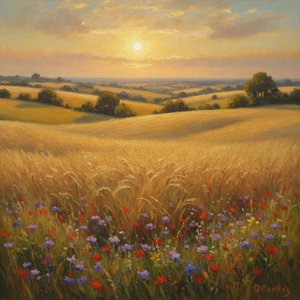
Golden Fields & Sun-Drenched Meadows: Capturing the Soul of Impressionist Landscapes
Immerse yourself in the luminous world of Impressionist landscapes. Discover how masters like Monet and Gauguin captured ephemeral light through plein air painting, and learn to bring the soul of sun-drenched meadows into your home with exquisite, hand-painted oil reproductions.

The Beauty of Impermanence: Capturing Decay through Impressionist Eyes
Explore the profound beauty of impermanence through Impressionist and Post-Impressionist eyes. Discover how masters like Monet and Van Gogh captured fleeting light and the poetic essence of nature's transitions in our deep dive into art history and emotional landscapes.

Capturing the Soul: The Most Emotionally Moving Impressionist and Post-Impressionist Masterpieces
Discover the profound emotional depth of Impressionist and Post-Impressionist masterpieces. Explore how legends like Monet, Van Gogh, and Gauguin captured light and soul through evocative landscapes and vibrant brushwork for a timeless connection to art history.

Soft Light & Velvet Touch: The Ethereal Magic of Pastel Artistry in Impressionist Masterpieces
Discover the ethereal beauty of pastel art through an Impressionist lens. Explore how masters like Monet and Renoir captured light and velvet textures, and learn to curate a collection of luminous, museum-quality masterpieces for your home.

Beyond the Light: Capturing Raw Emotion and Subjective Vision in Post-Impressionist Landscapes
Explore the profound emotional depth of Post-Impressionist landscapes. Discover how masters like Van Gogh moved beyond light to capture raw human feeling through vibrant color and expressive texture in this expert art history retrospective.
테마, 스타일, 특징별로 큐레이션된 작품들을 만나보세요.


