


 Se i rommet
 Del som digitalt kort
 Del
Del
 Detaljer
 Studentguide

 Last ned
 Liknende objekter
 Røntgen
 Lysbildefremvisning
 Besøksstatistikk
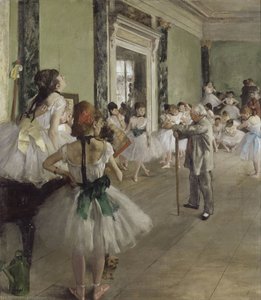
Dance Class


Experience Edgar Degas's 'Dance Class'! This iconic 1871 painting captures ballet rehearsals with stunning detail & movement. Part of the Met’s collection, it showcases Degas’s unique artistic vision.
 Les mer
Edgar Degas: En revolusjonerende fransk kunstner kjent for sine fascinerende ballett-dansere, parisianere og innovative teknikker – en ekte mester av moderne kunst.
Kjøp et høyoppløselig, forbedret digitalt bilde med langt høyere kvalitet enn forhåndsvisningen på nettet.
Hver fil er omhyggelig klargjort av våre egne spesialister ved hjelp av avanserte verktøy og profesjonell manuell retusjering. Vi sørger for at hvert bilde har eksepsjonell klarhet, presis fargegjengivelse og fine detaljer.
Den endelige filen leveres via e-post innen 72 timer, optimalisert for umiddelbar bruk i profesjonelle, redaksjonelle og trykte miljøer. Dette er den samme kvaliteten som benyttes av ledende designstudioer, utgivere og gallerier.
Digitalt bilde
Last ned en høyoppløselig fil til personlig bruk, utskrift og kreative prosjekter. ( Bytt til trykkversjon Bestill håndmalt reproduksjon)
Inkludert i alle bestillinger av digitale bilder
Profesjonell digital levering, garantert
Når du velger TopImpressionists.com, får du ikke bare et bilde – du mottar et profesjonelt etterbehandlet digitalt kunstverk, skapt med presisjon og med en garantert tilfredshetsgaranti. Her er alt som automatisk følger med din bestilling:

Rask levering på e-post
Din høyoppløselige digitale bildefil sendes til din e-post innen 72 timer etter bestilling – klar til umiddelbar bruk.

KI-forbedret digital fil
Ditt kunstverk blir profesjonelt optimalisert ved hjelp av avanserte AI-verktøy og manuell redigering, noe som sikrer maksimal detaljrikdom, klarhet og fargegjengivelse.

Gratis livslang nybestilling
Har du ved et uhell slettet eller mistet filen din? Ingen bekymring – vi sender den på nytt når som helst, helt gratis.

Ingen importavgifter – noen gang
Nyt ditt kunstverk umiddelbart uten toll, avgifter eller leveringskostnader – digitale nedlastinger er alltid avgiftsfrie.

Garantert fargenøyaktighet
Vi sikrer at det digitale bildet gjenspeiler de originale fargene så nøyaktig som mulig ved hjelp av profesjonelle verktøy og fargehåndtering.

100 dagers tilfredshetsgaranti
Hvis du ikke er fornøyd med ditt digitale bilde, vil vi revidere det eller refundere 100% innen 100 dager – uten spørsmål.

100% Penggaranti
Ikke fornøyd? Få full refusjon innen 100 dager etter at du har mottatt din digitale fil – uten spørsmål.

Rabatt ved storkjøp
Kjøp 3 bilder, spar 10% - Kjøp 5, spar 15% - Kjøp 10+, spar 20%. Ideelt for kreative prosjekter, gallerier og byråer.
The Captivating World of “Dance Class”
Edgar Degas’s Dance Class, a remarkable oil painting created in 1871 and now residing within the hallowed halls of the Metropolitan Museum of Art, is far more than just a depiction of ballerinas practicing. It's a meticulously observed snapshot of a vibrant microcosm – a ballet studio brimming with youthful energy, quiet anticipation, and the subtle tensions inherent in the pursuit of artistic perfection. Degas, a master of capturing fleeting moments and unconventional subjects, doesn’t offer a grand spectacle; instead, he presents an intimate scene, inviting us to observe the dedication, discipline, and unspoken camaraderie of these young dancers preparing for their performances.
The painting immediately draws the eye with its dynamic composition. Degas eschews traditional, formal arrangements in favor of a horizontal format that emphasizes the space itself – a modestly sized room bathed in diffused light. The arrangement of the dancers is deliberately asymmetrical, creating a sense of movement and suggesting an ongoing process rather than a static pose. Notice how some figures are clustered together, engaged in conversation or instruction, while others stand alone, lost in their own thoughts or focused intently on perfecting a particular step. This deliberate imbalance contributes to the painting’s overall feeling of realism and immediacy.
A Masterclass in Impressionistic Technique
Degas's signature style is powerfully evident in Dance Class. He employs a broken brushstroke technique, applying paint in short, visible dashes that capture the texture of the dancers’ costumes, the worn floorboards, and the subtle play of light and shadow. The color palette is restrained yet remarkably evocative – muted blues, browns, and greys dominate, punctuated by flashes of scarlet in the jackets and emerald green in the ribbons. This deliberate use of color not only reflects the atmosphere of the studio but also subtly emphasizes the dancers’ attire, highlighting their elegance and grace.
Furthermore, Degas's mastery of perspective is remarkable. He skillfully uses atmospheric perspective – a technique where objects appear less distinct and more bluish in the distance – to create a sense of depth within the relatively shallow space. The figures in the background are rendered with softer edges and paler colors, subtly receding into the distance while those closer to the viewer retain greater detail and vibrancy. This careful attention to detail demonstrates Degas’s commitment to accurately portraying his subject matter.
The Ballet Class: A Reflection of Parisian Society
Dance Class offers a fascinating glimpse into the social context of 19th-century Paris, specifically the burgeoning world of ballet. The presence of the piano player, a common fixture in ballet studios at the time, underscores the importance of music in shaping the dancers’ movements and expressions. The watchful instructor, positioned centrally within the composition, represents the rigorous training and discipline required to succeed in this demanding profession. The inclusion of the “stage mothers” observing from the background hints at the social pressures and expectations surrounding ballet performance.
Beyond its depiction of a specific scene, Dance Class speaks to Degas’s broader fascination with movement, beauty, and the human condition. He wasn't simply painting dancers; he was capturing their essence – their grace, their dedication, and their vulnerability. The painting resonates with an emotional depth that transcends mere representation, inviting viewers to contemplate the challenges and rewards of pursuing artistic excellence. It is a testament to Degas’s ability to transform everyday moments into works of enduring beauty and significance.
A Legacy of Impressionism
As part of the Metropolitan Museum of Art's esteemed collection, Dance Class continues to inspire art lovers worldwide. Degas’s innovative approach to subject matter, his masterful technique, and his profound understanding of human emotion have cemented his place as one of the most influential artists of the Impressionist movement. For those seeking a captivating work of art that embodies both technical brilliance and emotional resonance, Dance Class is an unparalleled masterpiece.
Spørsmål og svar
Hvem er kunstneren bak "Dance Class"?
"Dance Class" ble skapt av Hilaire-Germain-Edgar Degas. Informasjonen på denne siden beskriver Hilaire-Germain-Edgar Degas sitt originale verk.
Hvilken palett og hvilken hovedfarge definerer "Dance Class"?
"Dance Class" er definert av en Earthy-palett med Driftwood (#a87c59) som dominerende farge.
Hvordan henger fargene i "Dance Class" av Hilaire-Germain-Edgar Degas sammen med verkets emosjonelle uttrykk?
Den Earthy fargepaletten i "Dance Class" av Hilaire-Germain-Edgar Degas harmonerer med dens Romantic emosjonelle tone. Farge er en av måtene et verk formidler følelser på.
Relaterte kunstverk



Kunstnerbiografi
A Life Immersed in Movement
Edgar Degas, født Hilaire-Germain-Edgar De Gas i Paris i 1834, var en kunstner av fascinerende motsetninger. Selv om han ofte ble gruppert sammen med impresjonistene – Monet, Renoir og andre som revolusjonerte maleriet på slutten av det 19. århundre – nektet han aktivt å bli stemplet som sådan, og identifiserte seg heller som en realist. Denne forpliktelsen var knyttet til hans metidige observasjon av verden rundt ham og en dedikasjon til å skildre den med ærlighet. Degas’s tidlige liv var komfortabelt velstående; faren hans var bankier, og moren hans kom fra en kreolsk familie i New Orleans. Denne bakgrunnen ga ham tilgang til utdanning og kunstnerisk opplæring, selv om han ofte misbilliget akademiske restriksjoner. Han meldte seg først inn på Lycée Louis-le-Grand, men sin sanne utdannelse begynte da han begynte å kopiere verk i Louvre, finslipte sine ferdigheter og tente en livslang lidenskap for klassisk kunst. Likevel var Degas’s vei ikke en av streng overholdelse av tradisjon; den var preget av konstant spørsmål og omvurdering av kunstneriske normer. Han besaatte et uavhengig sinn som ville definere hele hans karriere.Beyond Impressionism: A Unique Artistic Vision
Mens samtidige som Monet jaget de flyktige effektene av lys utendørs, arbeidet Degas i stor grad innenfor grensene til sitt atelier, konstruerte scener nøye fra observasjon og minne. Hans motivvalg var definitivt moderne – et avvik fra de historiske eller mytologiske temaene som foretrakk mange akademiske malere. Han fant inspirasjon i hverdagen til parisere: vaskekjerringer, kabaretsangere, hattmakere og, mest berømt, dansere. Det er denne fascinasjonen for ballett som definerer mye av hans verk. Degas malte ikke bare vakre ballerinaser; han fanget den nådeløse virkeligheten av deres yrke – de utallige repetisjonene, den fysiske belastningen, de flyktige øyeblikkene av grasiøsitet midt i en verden av hardt arbeid. Hans komposisjoner er ofte ukonvensjonelle, plasserer figurer på uventede måter og bruker asymmetriske arrangementer for å skape en følelse av dynamikk og umiddelbarhet. Han var en mester i å fange bevegelse, ikke gjennom utviskede linjer eller tåkelagte effekter, men gjennom presis observasjon og nøye gjengivelse av form. *Dancer, A Group of Dancers*, og *Women Combing Their Hair* er eksempler på denne dedikasjonen til å skildre det menneskelige legemet i bevegelse og avsløre kompleksitetene i moderne liv. Han var ikke interessert i overfladisk skjønnhet; han søkte å avsløre sannheten under overflaten.Influenser og Kunstnerisk Utvikling
Degas’s kunstneriske reise ble formet av en rekke forskjellige påvirkninger. Hans tidlige opplæring la vekt på klassiske prinsipper, spesielt arbeidet til Jean-Auguste-Dominique Ingres, hvis vekt på håndverk og presis form etterlot seg et varig inntrykk. Likevel beundret Degas også realistene, som Gustave Courbet, som utfordret akademiske konvensjoner og fremmet skildringen av moderne liv. Et avgjørende øyeblikk i hans utvikling kom gjennom hans tilknytning til Camille Pissarro, en ledende impresjonist som introduserte ham for andre kunstnere og oppmuntret ham til å eksperimentere med nye teknikker. Han ble fascinert av japanske trykk – Ukiyo-e – som påvirket hans bruk av asymmetriske komposisjoner, flate perspektiver og dristige mønstre. Han omfavnet også fotografi, anerkjente dets potensial som et verktøy for å studere bevegelse og fange flyktige øyeblikk i tid. Denne villigheten til å inkorporere forskjellige påvirkninger i sitt arbeid er det som skiller Degas fra andre og bidrar til den unike karakteren av hans kunst. Han var ikke redd for å låne fra forskjellige kilder, syntetiserte dem til noe helt nytt.Hovedverk og Arv
Edgar Degas døde i Paris i 1917, og etterlot seg et verk som fortsatt fanger publikums oppmerksomhet og inspirerer dem i dag. Hans innovative tilnærming til komposisjon, hans mesterskap i håndverk og hans ærlige skildring av moderne liv har hatt en dyptgripende innvirkning på kunsthistorien. Han banet vei for fremtidige generasjoner av kunstnere som søkte å bryte med tradisjonelle konvensjoner og utforske nye måter å representere verden rundt dem. Hans innflytelse kan sees i arbeidet til Pablo Picasso og Henri Matisse, blant andre. Museer over hele verden – inkludert Musée d'Orsay og Musée de l’Orangerie i Paris – huser betydelige samlinger av hans malerier, pasteller, skulpturer og trykk, og sikrer at hans arv vil vare for kommende generasjoner. Degas var ikke bare en maler av dansere eller hesteværinger; han var en skarp observatør av menneskelig natur, en mester i form og bevegelse, og en ekte innovatør som omdefinerte mulighetene for kunst.- En mester i linje: Degas’s ekstraordinære håndverk satte ham fra hverandre.
- Moderne liv som motiv: Han fokuserte på moderne parisiske scener, og brøt med tradisjonen.
- Innflytelse på fremtidige kunstnere: Hans arbeid hadde en dyptgripende innvirkning på Picasso og Matisse.

Hilaire-Germain-Edgar Degas
1834 - 1917 , Frankrike
Kort om kunstneren
- Artistic Movement Or Style: Impressionisme, Realisme
- Artists Or Movements Influenced By This Artist:
- Picasso
- Matisse
- Artists Who Influenced This Artist:
- Ingres
- Courbet
- Pissarro
- Date Of Birth: 1834
- Date Of Death: 1917
- Full Name: Hilaire-Germain-Edgar De Gas
- Nationality: Fransk
- Notable Artworks:
- Danser og Tamburin
- Balettklasse
- Degas i grønn jakke
- Samleren
- Place Of Birth: Paris, Frankrike