


 Se i rommet
 Del som digitalt kort
 Del
Del
 Detaljer
 Studentguide

 Last ned
 Liknende objekter
 Røntgen
 Lysbildefremvisning
 Besøksstatistikk
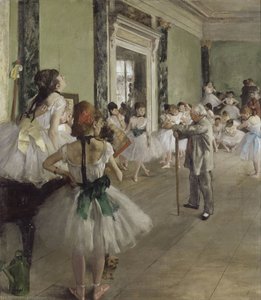
Dansesalen
 Olje på lerret
- Veggkunst
- Impressionism
 1870
1870- tallet
 20.0 x 27.0 cm
 Metropolitan Museum of Art
Opplev Dansesalen av Edgar Degas – Et ikonisk impresjonistisk verk som fanger ballettreningen i Paris med dynamisk bevegelse og nostalgisk atmosfære.
 Les mer
Edgar Degas: En revolusjonerende fransk kunstner kjent for sine fascinerende ballett-dansere, parisianere og innovative teknikker – en ekte mester av moderne kunst.
Giclée / Kunsttrykk
Giclée- eller lerretsprint av museumskvalitet med rask produksjon og fleksible valgmuligheter for etterbehandling. ( Bestill håndmalt reproduksjon Gå til digitalt bilde)




P118B Nkr10

P118H Nkr10

P118W Nkr10

P438Z Nkr10

P508JH Nkr12

P508YH Nkr12

P805H Nkr10

P805Z Nkr10

P919BZ Nkr10

P919G Nkr10

P919XJ Nkr10

P959ZH Nkr10

P968JZ Nkr12

W106C Nkr8

W218G Nkr10

W218JH Nkr8

W218Y Nkr10

W307PJ Nkr10

W316G Nkr10

W316PJ Nkr8

W316Y Nkr10

W398PJ Nkr8

W4111J Nkr10

W500HY Nkr15

W500JH Nkr15

W692G Nkr12

W849H Nkr8

W940BG Nkr15

W953PJ Nkr8




Standardformat
tilpasset
CM
INCH
Velg mellom våre forhåndsdefinerte størrelser som bevarer kunstverkets opprinnelige proporsjoner.
Loading sizes...

bredde
høyde
Skriv inn bredden og høyden du trenger, slik at den passer til din ramme eller vegg. Et trykk kan kun beskjæres, aldri gjøres større enn bildet, så et format med en annen form vil miste en del av motivet. Vi sender deg en digital mockup for godkjenning før vi trykker noe som helst. Bildet som vises på denne siden viser ikke den faktiske beskjæringen — det er kun mockuppen som gjør det.
Verdensomspennende levering () på 2 uker i stedet for standard 4/5 uker. (28 October)

Gratis ekspressfrakt over hele verden

Lerretsduk av høykvalitets lin

Full transportforsikring

Garanti for refusjon av toll og importavgifter

Garantert fargeekthet

100 dagers returrett ved fabrikasjonsfeil

100% pengene tilbake-garanti

Mengderabatt
 Glassalternativet er kun tilgjengelig i størrelser under 110 cm

Dansesalen
Giclée / Kunsttrykk
Format på reproduksjon
-


Totalpris
Nkr 657
The Dancing Class: A Glimpse into Parisian Ballet Life
Edgar Degas’s “The Dancing Class,” painted around 1870, stands as a cornerstone of Impressionist art and offers an unparalleled insight into the world of ballet practice in Paris during its burgeoning modernity. More than just a depiction of dancers, it's a carefully crafted tableau that encapsulates a specific moment—a quiet rehearsal—reflecting Degas’s profound fascination with capturing fleeting impressions of everyday life.
Subject Matter and Composition
The scene unfolds within a modestly furnished ballet studio, bathed in the soft glow of natural light filtering through a window on the right. The room is populated by approximately two dozen ballerinas—young women dedicated to honing their craft—engaged in various activities: tying their shoes with meticulous precision, stretching gracefully before attempting steps, and observing intently as they prepare for performance. Degas’s genius lies not in grand theatrical gestures but in capturing the subtle nuances of movement and expression. The composition eschews formal perspective; instead, it presents a flattened space that emphasizes the immediacy of observation—a technique characteristic of Impressionism's desire to portray reality as perceived by the senses.
Impressionistic Technique and Style
"The Dancing Class" exemplifies Degas’s evolving style, foreshadowing his later mastery of pastel drawings while retaining a core commitment to oil painting on canvas. The color palette is dominated by warm browns and ochres—muted tones that evoke the atmosphere of a rehearsal room—creating a sense of nostalgia and intimacy. Visible brushstrokes are deliberately loose and textured, contributing significantly to the Impressionist aesthetic. These strokes aren’t meant to meticulously render form but rather to convey movement and luminosity; Degas skillfully captures the way light dances across surfaces, imbuing the painting with an ethereal quality.
Historical Context and Symbolism
Painted in 1870, “The Dancing Class” reflects a pivotal period of cultural transformation in Paris. Ballet was experiencing a revival as a form of entertainment and artistic expression—a symbol of Parisian elegance and sophistication. Degas’s decision to depict this world—not the dazzling performances themselves but the arduous training required for success—represented an innovative approach for his time, challenging traditional academic conventions.
The painting subtly explores themes of dedication, discipline, and perseverance – qualities essential to achieving artistic excellence. Furthermore, it offers a glimpse into the lives of young women striving for recognition in a competitive profession, capturing a moment of quiet ambition amidst the backdrop of Parisian culture. Degas himself later acknowledged that he felt “a little ashamed” of his ballet paintings due to limited access backstage, underscoring his unwavering commitment to portraying authentic experiences.
Emotional Impact and Legacy
"The Dancing Class" resonates with a profound sense of serenity and contemplative beauty. The muted colors, the candid postures of the dancers, and the subtle interplay of light and shadow evoke an emotional response that transcends mere visual representation. It’s a painting that invites viewers to consider not only the artistry involved but also the dedication required to pursue one's passions—a testament to Degas’s enduring influence on Impressionist art and his ability to capture the essence of human experience.
Spørsmål og svar
Hvordan forenes følelser og gaveanledning i "Dansesalen" av Hilaire-Germain-Edgar Degas?
"Dansesalen" formidler en Nostalgi preget følelse, og den anbefalte gaven er Jubileum.
Hvilken periode i Hilaire-Germain-Edgar Degas sin karriere tilhører "Dansesalen"?
"Dansesalen" tilhører Early Period i Hilaire-Germain-Edgar Degas sin karriere. Denne klassifiseringen knytter verket til kunstnerens utvikling.
Hvilke proporsjoner har "Dansesalen" av Hilaire-Germain-Edgar Degas, og hva er målene?
Formatet på "Dansesalen" er Liggende format, og originalen måler 20 x 27 cm. Begge deler er nyttige når man planlegger en reproduksjon.
Relaterte kunstverk



Kunstnerbiografi
A Life Immersed in Movement
Edgar Degas, født Hilaire-Germain-Edgar De Gas i Paris i 1834, var en kunstner av fascinerende motsetninger. Selv om han ofte ble gruppert sammen med impresjonistene – Monet, Renoir og andre som revolusjonerte maleriet på slutten av det 19. århundre – nektet han aktivt å bli stemplet som sådan, og identifiserte seg heller som en realist. Denne forpliktelsen var knyttet til hans metidige observasjon av verden rundt ham og en dedikasjon til å skildre den med ærlighet. Degas’s tidlige liv var komfortabelt velstående; faren hans var bankier, og moren hans kom fra en kreolsk familie i New Orleans. Denne bakgrunnen ga ham tilgang til utdanning og kunstnerisk opplæring, selv om han ofte misbilliget akademiske restriksjoner. Han meldte seg først inn på Lycée Louis-le-Grand, men sin sanne utdannelse begynte da han begynte å kopiere verk i Louvre, finslipte sine ferdigheter og tente en livslang lidenskap for klassisk kunst. Likevel var Degas’s vei ikke en av streng overholdelse av tradisjon; den var preget av konstant spørsmål og omvurdering av kunstneriske normer. Han besaatte et uavhengig sinn som ville definere hele hans karriere.Beyond Impressionism: A Unique Artistic Vision
Mens samtidige som Monet jaget de flyktige effektene av lys utendørs, arbeidet Degas i stor grad innenfor grensene til sitt atelier, konstruerte scener nøye fra observasjon og minne. Hans motivvalg var definitivt moderne – et avvik fra de historiske eller mytologiske temaene som foretrakk mange akademiske malere. Han fant inspirasjon i hverdagen til parisere: vaskekjerringer, kabaretsangere, hattmakere og, mest berømt, dansere. Det er denne fascinasjonen for ballett som definerer mye av hans verk. Degas malte ikke bare vakre ballerinaser; han fanget den nådeløse virkeligheten av deres yrke – de utallige repetisjonene, den fysiske belastningen, de flyktige øyeblikkene av grasiøsitet midt i en verden av hardt arbeid. Hans komposisjoner er ofte ukonvensjonelle, plasserer figurer på uventede måter og bruker asymmetriske arrangementer for å skape en følelse av dynamikk og umiddelbarhet. Han var en mester i å fange bevegelse, ikke gjennom utviskede linjer eller tåkelagte effekter, men gjennom presis observasjon og nøye gjengivelse av form. *Dancer, A Group of Dancers*, og *Women Combing Their Hair* er eksempler på denne dedikasjonen til å skildre det menneskelige legemet i bevegelse og avsløre kompleksitetene i moderne liv. Han var ikke interessert i overfladisk skjønnhet; han søkte å avsløre sannheten under overflaten.Influenser og Kunstnerisk Utvikling
Degas’s kunstneriske reise ble formet av en rekke forskjellige påvirkninger. Hans tidlige opplæring la vekt på klassiske prinsipper, spesielt arbeidet til Jean-Auguste-Dominique Ingres, hvis vekt på håndverk og presis form etterlot seg et varig inntrykk. Likevel beundret Degas også realistene, som Gustave Courbet, som utfordret akademiske konvensjoner og fremmet skildringen av moderne liv. Et avgjørende øyeblikk i hans utvikling kom gjennom hans tilknytning til Camille Pissarro, en ledende impresjonist som introduserte ham for andre kunstnere og oppmuntret ham til å eksperimentere med nye teknikker. Han ble fascinert av japanske trykk – Ukiyo-e – som påvirket hans bruk av asymmetriske komposisjoner, flate perspektiver og dristige mønstre. Han omfavnet også fotografi, anerkjente dets potensial som et verktøy for å studere bevegelse og fange flyktige øyeblikk i tid. Denne villigheten til å inkorporere forskjellige påvirkninger i sitt arbeid er det som skiller Degas fra andre og bidrar til den unike karakteren av hans kunst. Han var ikke redd for å låne fra forskjellige kilder, syntetiserte dem til noe helt nytt.Hovedverk og Arv
Edgar Degas døde i Paris i 1917, og etterlot seg et verk som fortsatt fanger publikums oppmerksomhet og inspirerer dem i dag. Hans innovative tilnærming til komposisjon, hans mesterskap i håndverk og hans ærlige skildring av moderne liv har hatt en dyptgripende innvirkning på kunsthistorien. Han banet vei for fremtidige generasjoner av kunstnere som søkte å bryte med tradisjonelle konvensjoner og utforske nye måter å representere verden rundt dem. Hans innflytelse kan sees i arbeidet til Pablo Picasso og Henri Matisse, blant andre. Museer over hele verden – inkludert Musée d'Orsay og Musée de l’Orangerie i Paris – huser betydelige samlinger av hans malerier, pasteller, skulpturer og trykk, og sikrer at hans arv vil vare for kommende generasjoner. Degas var ikke bare en maler av dansere eller hesteværinger; han var en skarp observatør av menneskelig natur, en mester i form og bevegelse, og en ekte innovatør som omdefinerte mulighetene for kunst.- En mester i linje: Degas’s ekstraordinære håndverk satte ham fra hverandre.
- Moderne liv som motiv: Han fokuserte på moderne parisiske scener, og brøt med tradisjonen.
- Innflytelse på fremtidige kunstnere: Hans arbeid hadde en dyptgripende innvirkning på Picasso og Matisse.

Hilaire-Germain-Edgar Degas
1834 - 1917 , Frankrike
Kort om kunstneren
- Artistic Movement Or Style: Impressionisme, Realisme
- Artists Or Movements Influenced By This Artist:
- Picasso
- Matisse
- Artists Who Influenced This Artist:
- Ingres
- Courbet
- Pissarro
- Date Of Birth: 1834
- Date Of Death: 1917
- Full Name: Hilaire-Germain-Edgar De Gas
- Nationality: Fransk
- Notable Artworks:
- Danser og Tamburin
- Balettklasse
- Degas i grønn jakke
- Samleren
- Place Of Birth: Paris, Frankrike
Relaterte artikler

Romantic Realism's Finest: 10 Masterpieces for Your Home | TopImpressionists
Explore 10 defining masterpieces of Romantic Realism! Discover Courbet, Millet & Daumier's powerful paintings—capturing emotion and social realities. Find museum-quality reproductions for your home at TopImpressionists.com.

Paul Cézannes 25 Mesterverk: En Kunstnerisk Reise for Ditt Hjem
Utforsk Paul Cézannes 25 mest ikoniske malerier! Oppdag historien bak impresjonismens mesterverk, fra stilleben til landskap. Finn kunsttrykk av høy kvalitet og interiørinspirasjon på TopImpressionists.com.

Impresjonismens Mesterverk: Topp 10 Maler som Definerte en Epoke | TopImpressionists
Oppdag de 10 mest ikoniske impresjonistiske maleriene! Lær historien bak Monet, Degas og Renoir. Finn inspirasjon til interiørdesign & kjøp museumskvalitets kunsttrykk på TopImpressionists.com.

The Allure of Intricacy: Detail as Subject, Style & Narrative Force in Art History
Explore the captivating history of detail in art, from Realism's tangible world to Degas' ballet scenes. Discover how specificity shapes narrative & value. Expert insights for discerning collectors.

Edgar Degas: Capturing Modern Life – A Study of Movement, Observation, and the Parisian Belle Époque
Explore the captivating world of Edgar Degas! Discover his innovative techniques, iconic ballet paintings, and unique portrayal of Parisian life in this insightful art history study.
Utforsk kunstverk organisert etter temaer, stiler og kjennetegn.


