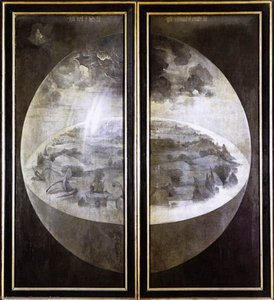
Vezi în context
 Trimite
 Distribuie
 Detalii
 Ghidul

 Descarcă
 Produse similare
 Radiografie
 Diaporama
 Statistici
Moartea și Mizerul (Partea)
 Ulei pe panou rigid
- Pictura Olandeză Timpurie
 1490
1490- Renașterea
 31.0 x 93.0 cm
 Galeria Națională de Artă
Descoperă 'Moartea și Mizerul' de Hieronymus Bosch, o capodoperă gotică din secolul al XV-lea plină de simbolism morbid. Admirați detaliile incredibile ale acestei opere de artă unice și adaugă o piesă memorabilă colecției tale.
 Citește mai mult
Descoperiți misteriosul Hieronymus Bosch (1450-1516), pictor olandez genial, renumit pentru viziunile sale suprarealiste și simbolism complex. Explorează operele sale iconice, temele religioase și scene din coșmaruri – o influență de neclintit în istoria artei.
Giclée / Imprimare artistică
Printuri giclée sau pe canvas de calitate muzeală, cu proces de producție rapid și opțiuni flexibile de finisare. ( Comandă pictură realizată manual Treci la imagine digitală)




P118B lei10

P118H lei10

P118W lei10

P438Z lei10

P508JH lei12

P508YH lei12

P805H lei10

P805Z lei10

P919BZ lei10

P919G lei10

P919XJ lei10

P959ZH lei10

P968JZ lei12

W106C lei8

W218G lei10

W218JH lei8

W218Y lei10

W307PJ lei10

W316G lei10

W316PJ lei8

W316Y lei10

W398PJ lei8

W4111J lei10

W500HY lei15

W500JH lei15

W692G lei12

W849H lei8

W940BG lei15

W953PJ lei8




Dimensiuni standard
personalizat
CM
INCH
Alegeți dintre dimensiunile noastre prestabilite, care respectă proporțiile originale ale operei de artă.
Loading sizes...

lățime
înălțime
Introduceți lățimea și înălțimea de care aveți nevoie, pentru a se potrivi ramei sau peretelui dumneavoastră. O printare poate fi doar tăiată, niciodată extinsă dincolo de dimensiunea imaginii originale, astfel încât o dimensiune cu o formă diferită va pierde o parte din imagine. Vă trimitem o simulare digitală pentru aprobare înainte de a imprima orice. Imaginea afișată pe această pagină nu prezintă tăierea reală — doar simularea arată acest lucru.
Livrare în întreaga lume () în 2 săptămâni, în loc de cele 4/5 săptămâni standard. (21 Octombrie)

Livrare expres gratuită la nivel mondial

Pânză de in premium

Asigurare completă pentru transport

Garanție de rambursare a taxelor vamale

Garanția fidelității culorilor

Politica de retur în 100 de zile (doar pentru defecte)

Garanție de rambursare 100%

Reducere pentru comenzi multiple
 Opțiunea cu sticlă este disponibilă doar pentru dimensiuni de sub 110 cm

Moartea și Mizerul (Partea)
Giclée / Imprimare artistică
Dimensiune reproducere
-


Preț total
lei 317
Death și Mizerul (Partea I) de Hieronymus Bosch: O Reflecție Hașită asupra Mortalității
Hieronymus Bosch, un nume care continuă să fascineze și să enigmatizeze, a creat Death și Mizerul (Partea I) – o operă ce transcende simpla reprezentare a morții. Această pictură, acum parte integrantă a colecției Naționalei Galeriilor din Washington D.C., este mai mult decât un tablou; este o fereastră către o minte complexă, plină de simboluri și preocupată de cele mai profunde întrebări ale existenței umane. Datată din 1490, lucrarea se încadrează perfect în perioada Renașterii timpurii, dar depășește cu mult limitele epocii prin profunzimea sa morală și spirituală.
Un Dialog Sângeros între Viață și Moarte
În centrul scenei ne aflăm un bărbat aflat pe patul de moarte, înconjurat de o atmosferă densă, aproape sufocantă. Death, personificat cu brutalitate într-o îmbrăcăciune scheletică, apare dintr-un dulap, aruncând o săgeată direct spre corpul celui care se destramă. Dar nu este doar un act de moarte fizică; este o confruntare cu timpul, cu iluziile de bogăție și cu tentația puterii. Anjelul, o figură de compasiune, îl îndrumă către crucifix, simbol al speranței și al iertării, în timp ce demonul, cu o ofertă tentată de un sac plin de monede de aur, reprezintă corupția și lăcomia – capcanele care captivează multe dintre cele mai bune intenții. Detaliile sunt incredibil de precise: hainele murite, instrumentele muzicale abandonate, pisica dormind nemișcată - toate contribuie la o atmosferă de deziluzie și inevitabilitate.
Arta Memento Mori – O Amintire Dureroasă
Death și Mizerul (Partea I) este un exemplu perfect al stilului Memento Mori, o tradiție artistică care a fost extrem de populară în Evul Mediu. Această practică, ce se întorcea cu putere în timpul Renașterii, avea ca scop amintirea constantă a morții și a fragilității vieții. Bosch nu doar ilustrează acest concept; îl transformă într-o experiență viscerală. Folosind o tehnică meticuloasă de pictură în ulei pe lemn, artistul creează un efect de realism uimitor, accentuând detaliile texturilor și luminii. Paleta de culori este dominată de nuanțe sumbre – maro, negru, gri – care amplifică sentimentul de melancolie și de apropiere a morții. Lumina dramatică, provenind dintr-o sursă necunoscută, creează umbre puternice, accentuând contrastul dintre bine și rău, speranță și disperare.
Simbolismul Complex al unei Epoci
Pictura este plină de simboluri care au o semnificație profundă. Trunchiul expus, hainele murite, monedele de aur, instrumentele muzicale – toate sunt elemente ale unui limbaj vizual complex, ce reflectă preocupările morale și spirituale ale epocii. În centrul scenei se află un mesaj puternic: bogăția și puterea lumească sunt iluzorii și nu pot oferi o salvare reală. Bosch ne amintește că moartea este inevitabilă pentru toți, indiferent de statutul social sau de averea pe care o posedăm. Această lecție, spusă cu atâta forță și dramaticism, a făcut din Death și Mizerul (Partea I) una dintre cele mai memorabile opere ale lui Hieronymus Bosch.
Despre Artist și Lucrare
- Artist: Hieronymus Bosch
- Titlu: Death și Mizerul (Partea I)
- Muzeu: Național Galeria din Washington D.C.
- Mediu: Pictură în ulei pe lemn
- Dimensiuni: 31 x 93 cm
- Dată: 1490
Explorare Suplimentară
Pentru cei interesați de explorarea mai profundă a operei lui Hieronymus Bosch, Death și Mizerul (Partea I) este disponibilă pe TopImpressionists. De asemenea, Național Galeria din Washington D.C. oferă informații suplimentare despre această lucrare în publicațiile sale.
movement: Early Netherlandish painting topics: Mortality, Greed, Redemption, Death, Miser, Symbolism, Religious, Wealth creative_period: Mature Period corpus_context: Inspired by 'Ars moriendi' handbooks., Showcases Bosch’s unique symbolism., Mortality, greed, temptation, redemption.Întrebări și răspunsuri
Cum se situează "Moartea și Mizerul (Partea)" din punct de vedere istoric?
"Moartea și Mizerul (Partea)" de Hieronymus Bosch aparține mișcării Pictura Olandeză Timpurie, din perioada Renașterea. Împreună, acestea conferă operei locul său în istoria artei.
Ce vârstă avea Hieronymus Bosch când a fost creat "Moartea și Mizerul (Partea)"?
Hieronymus Bosch avea 40 ani când a creat "Moartea și Mizerul (Partea)" în 1490. Vârsta este calculată pe baza anului nașterii artistului, 1450.
Culorile din "Moartea și Mizerul (Partea)" de Hieronymus Bosch sunt saturate sau tenue?
Culorile din "Moartea și Mizerul (Partea)" de Hieronymus Bosch au o saturație de Saturație subtilă de culoare. Saturația descrie cât de vii sau de tenue sunt culorile.
Biografie artist
A Netherlandish Enigma: The Life and Art of Hieronymus Bosch
Born around 1450 in the vibrant, bustling town of ’s-Hertogenbosch in the Netherlands—then part of Brabant—Hieronymus Bosch, originally Jheronimus van Aken, remains one of art history’s most compelling and mysterious figures. His world was steeped in late medieval religious fervor, folklore, and a growing sense of societal unease, all of which would profoundly shape his uniquely unsettling artistic vision. Coming from a family with a long tradition of painting—his grandfather, Jan van Aken, and father, Anthonius van Aken, were both artists—Bosch likely received his earliest training within the family workshop, absorbing the techniques and conventions of Netherlandish painting. However, even in his formative years, he began to diverge from established norms, hinting at the extraordinary imagination that would define his career. Biographical details are frustratingly scarce; records are fragmented, leaving much open to speculation and interpretation, adding to the aura of mystique surrounding both the man and his work. He married Aleyt Goyaerts van den Meerveen sometime before 1481, a union that provided him with some financial security through her family’s holdings, but little else is known about their personal life.Fantastical Visions and Symbolic Depths
Bosch's artistic style is instantly recognizable—a captivating blend of meticulous detail and wildly imaginative imagery. He primarily worked with oil on oak panels, demonstrating a masterful command of the medium, achieving luminous colors and intricate textures. While his early works show influences from traditional Netherlandish painting, particularly in their realism and attention to detail, he quickly moved beyond mere imitation, developing a profoundly original vision. His paintings are not simply representations of reality; they are allegorical landscapes populated by bizarre creatures, hybrid beings, and unsettling scenes that seem plucked from dreams—or nightmares. Religious themes form the core of much of his work, but these are rarely straightforward depictions of biblical stories. Instead, Bosch uses symbolism to explore complex moral and theological concepts, often focusing on the dangers of sin, the fragility of earthly pleasures, and the inevitability of divine judgment. His creatures—grotesque demons, fantastical animals, and strangely human figures—are not merely decorative elements; they are embodiments of vice, temptation, and spiritual corruption. The blending of the sacred and the profane, the beautiful and the grotesque, creates a uniquely unsettling effect that continues to captivate viewers centuries later.Masterpieces of Moral Allegory
Among Bosch’s most celebrated achievements is The Garden of Earthly Delights (c. 1490-1510), a triptych that remains one of the most enigmatic and debated works in art history. When opened, it presents a panoramic vision of paradise, earthly life, and hell—a complex allegorical representation of humanity’s fall from grace. The left panel depicts the Garden of Eden, teeming with fantastical creatures and lush vegetation; the central panel portrays a world consumed by sensual pleasure and unrestrained desire; and the right panel offers a terrifying glimpse into the torments of hell. The Triptych of the Last Judgement (c. 1480-1490) is another powerful example of his skill in portraying both heavenly bliss and infernal torment, while The Ascent of the Blessed (c. 1480-1490) demonstrates his ability to create ethereal and dreamlike scenes. Even smaller works like Epiphany (c. 1495) showcase his innovative use of oil on wood and complex symbolism, revealing a mind constantly grappling with profound questions about faith, morality, and the human condition.Influences and Artistic Development
Identifying Bosch’s direct influences is a challenging task, given the originality of his vision. Scholars suggest possible connections to medieval folklore, religious texts—particularly those emphasizing apocalyptic themes—and the prevailing anxieties of the time, including fears of heresy and social upheaval. However, it's clear that he synthesized these elements into something entirely new and uniquely his own. His early works show a clear debt to the conventions of Netherlandish painting, particularly in their realism and attention to detail. Yet, as he matured, Bosch began to experiment with new techniques and compositional strategies, developing a style characterized by its meticulous detail, vibrant colors, and unsettling imagery. He was also influenced by the work of other artists, including Jan van Eyck and Rogier van der Weyden, but ultimately forged his own distinctive path. The influence of the *Grotesque* tradition is evident in many of his works, a style that emphasized the bizarre and fantastical, often with a satirical or critical edge.Legacy and Enduring Influence
Bosch’s work has had a profound and lasting impact on art history. He is considered one of the pioneers of Surrealism, inspiring generations of artists with his dreamlike imagery and exploration of the subconscious. His paintings continue to fascinate and provoke debate, solidifying his place as a master of Netherlandish painting and a visionary artist whose influence extends far beyond his own time. The unsettling beauty of his creations—the grotesque creatures, the bizarre landscapes, the moral allegories—remains deeply resonant today, inviting viewers to contemplate the complexities of human nature and the eternal struggle between good and evil. His paintings offer valuable insights into the religious, social, and psychological climate of the late 15th and early 16th centuries, challenging conventional norms and paving the way for new forms of artistic expression. He died in 1516, leaving behind a body of work that continues to haunt and inspire, ensuring his enduring legacy as one of art history’s most singular and unforgettable voices.
Hieronymus Bosch
1450 - 1516 , Olanda
Informații rapide
- Artistic Movement Or Style: Surrealism, Simbolism
- Artists Or Movements Influenced By This Artist: ['Pieter Bruegel cel Bătrân']
- Date Of Birth: c. 1450
- Date Of Death: 1516
- Full Name: Hieronymus Bosch
- Nationality: Olandez
- Notable Artworks:
- Gardenul Placerilor Pamantesti
- Judecata de Sus
- Ascensiunea Sfintilor
- Epifania
- Place Of Birth: Den Bosch, Olanda
Articole conexe

Hieronymus Bosch: Decoding the Visions of a Netherlandish Master
Explore the captivating world of Hieronymus Bosch! Delve into the symbolism, religious context, and artistic innovation of this Netherlandish master with TopImpressionists's expert analysis. Discover his iconic paintings & lasting influence.

Renașterea Nordică: 10 Capodopere Esențiale pentru Decorul Tău Artistic
Descoperă 10 capodopere ale Renașterii nordice! Explorează picturi iconice de Jan van Eyck, Dürer și Bosch. Află poveștile maeștrilor și simbolismul vibrant al artei renascentiste. Reproduceri de artă premium pe TopImpressionists.com.

Hieronymus Bosch: Cele Mai Fascinante Capodopere – Artă Medievală pentru Decorul Tău
Descoperă cele mai emblematice 25 de picturi ale lui Hieronymus Bosch! Explorează simbolismul fascinant, viziunile unice și tehnicile artistice din spatele capodoperelor medievale. Reproduceri de artă de calitate muzeală pentru decorul tău pe TopImpressionists.com

Top 25 de Capodopere Prado: Artă Spaniolă Clasică pentru Decorul Casei Tale
Descoperă top 25 de capodopere Prado: Velázquez, Goya, El Greco și alți maeștri spanioli. Află poveștile din spatele picturilor clasice baroce și găsește inspirație pentru decorul casei tale pe TopImpressionists.com!
Northern Mannerism: The Dramatic Evolution of Renaissance Art and the Mastery of Elegant Distortion
Explore the dramatic evolution of Northern Mannerism. Discover how masters like Bosch and Grünewald transitioned from Renaissance harmony to profound, elegant distortion through an expert analysis of symbolism, emotional intensity, and artistic innovation.
Explorați opere de artă organizate pe teme, stiluri și caracteristici.