

На картине: · В раме:
 Предпросмотр

 Поделиться
 Поделиться
 Детали произведения
 Справка об объекте


 Скачать
 Похожие предметы
 Рентгенография
 Слайд-шоу
 Вопросы и ответы

 Статистика просмотров
Found (Макс Клингер)


Холсты и художественные принты от $49 при размере 36 x 28 cm
Репродукция маслом ручной работы от $245
- Бесплатная международная доставка в течение 3–4 недель
- Срок доставки принтов в тубусе — от 3 до 4 недель
- Возврат в течение 100 дней и возврат средств
- Рейтинг 4.9/5 на основе 241 отзывов покупателей на ArtShopReviews.com
$ 76
Жикле и арт-принты
Печать (жикле) или холст музейного качества с быстрыми сроками изготовления и широким выбором вариантов отделки. ( Масло импрессионистов Цифровая копия
)
Техника исполнения
 Узнать больше
Наш бюджетный вариант: то же самое изображение, напечатанное на полиэфирном холсте плотностью 260 г/м² вместо хлопкового, доставленное в рулоне в тубусе обычной почтой в течение 3–4 недель. Только в рулоне (без подрамника и рамы) и без срочного производства, для размеров, у которых хотя бы одна сторона составляет 80 см или меньше. Примерно на 30% дешевле, чем печать на хлопковом холсте.
Недоступно для данного размера: хотя бы одна сторона должна быть не более 80 см.
Только в рулоне: чтобы выбрать этот вариант печати, выберите холст в рулоне.
Доступно для размеров, где обе стороны не превышают 110 см. Для больших размеров печать выполняется на матовом хлопковом холсте.
Матовое архивное полотно недоступно для этого размера: обе стороны должны быть не более 110 см. Вместо этого ваш принт будет напечатан на матовом хлопковом холсте.
Вариант со стеклом доступен только для размеров менее 110 см
Размер
·Выберите один из наших стандартных размеров, соответствующих оригинальным пропорциям произведения искусства.
Загрузка размеров...

ширина
высота
Введите необходимую ширину и высоту, чтобы репродукция подошла к вашей раме или стене. При печати изображение можно только уменьшить, но нельзя увеличить больше оригинала, поэтому при выборе другого формата часть изображения может быть обрезана. Перед печатью мы отправим вам цифровой макет на утверждение. Изображение на этой странице не отображает реальную обрезку — ее можно увидеть только на макете.
Стандартный размер
на заказ
СМ
ДЮМЫ
Завершить
·
Белый торцевой край $1

Размытый край $1

С продолжением изображения $1

P118B $10

P118H $10

P118W $10

P438Z $10

P508JH $12

P508YH $12

P805H $10

P805Z $10

P919BZ $10

P919G $10

P919XJ $10

P959ZH $10

P968JZ $12

W106C $8

W218G $10

W218JH $8

W218Y $10

W307PJ $10

W316G $10

W316PJ $8

W316Y $10

W398PJ $8

W4111J $10

W500HY $15

W500JH $15

W692G $12

W849H $8

W940BG $15

W953PJ $8
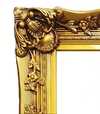
H24-GOLD $30
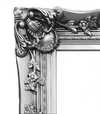
H24-SILVER $30
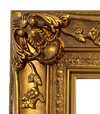
H36-GOLD $70
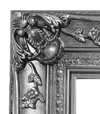
H36-SILVER $70
Поставляется в защитной тубусе, готовый к оформлению в багет вашей мастерской.
Дополнительные услуги
необязательноЧто входит в дополнительные услуги?
Доставка по всему миру () за 2 недели вместо стандартных 4–5 недель. (23 Декабрь)
Для бюджетной печати на полихолсте, которая отправляется обычной почтой, услуги срочного производства и экспресс-доставки недоступны.
Защитный лак
Этикетка
Детали гравировки на бронзовой плакетке
На этой элегантной табличке с изящной гравировкой указаны имя художника и название произведения, что придает работе вневременной вид.
Изготовлена из бронзы с изысканной, элегантной отделкой. Текст подвергнут точной лазерной гравировке, что обеспечивает четкость и долговечность надписи. Табличка размером 9x2 см компактна, но при этом легко читаема. Она отличается прочностью и устойчивостью к царапинам, обеспечивая профессиональный вид музейного качества. Крепление осуществляется просто благодаря прилагаемой клейкой основе.
Детали прозрачной акриловой таблички
На табличке будут выгравированы основные сведения: имя художника, название произведения, дата создания, техника исполнения (например, масло, холст или акварель), краткое описание работы и QR-код со ссылкой на полную информацию о произведении.
Изготовлена из прозрачного акрила, что придает ей лаконичный современный вид. Текст нанесен методом УФ-гравировки черным цветом для обеспечения высокого визуального контраста. Размер 10x15 см гарантирует оптимальную читаемость. Плашка укомплектована двумя металлическими крючками для надежного монтажа на стену. Изделие устойчиво к воздействию погодных условий, что позволяет размещать его в различных средах, а также оснащено интерактивными функциями, которые легко считываются смартфоном.
Информация о чёрной акриловой табличке
Эта элегантная табличка содержит гравированную информацию, такую как имя художника, название произведения, дата создания, техника исполнения (например, масло, холст или акварель), краткое описание работы и QR-код для быстрого доступа к дополнительной информации.
Сама табличка изготовлена из высококачественного черного акрила с премиальной отделкой. Текст нанесен методом лазерной гравировки белым цветом для обеспечения высокой контрастности и читаемости. Размер составляет 10x15 см, что гарантирует удобство чтения. В комплект входят два металлических крючка для профессионального монтажа. Лаконичный дизайн изделия гармонично впишется в любой интерьер. Табличка устойчива к воздействию внешней среды и долговечна, а встроенная цифровая интеграция обеспечивает совместимость с мобильными устройствами.
Вариант со стеклом доступен только для размеров менее 110 см
 Вариант со стеклом доступен только для размеров менее 110 см
- Бесплатная международная доставка в течение 3–4 недель
- Высококачественный льняной холст
- Полное страхование при доставке
- Гарантия возмещения таможенных пошлин
- Гарантия точного цветового соответствия
- Возврат в течение 100 дней и возврат средств
- Гарантия возврата 100% средств
- Скидка при оптовом заказе


Found: Макс Клингер и эпоха Symbolism
Two figures kneel in despair beneath a suspended form in this dramatic monochromatic etching filled with dense, swirling cross-hatching.
Макс Клингер: биография
Его «Парафраз на тему находки перчатки» был вдохновлен сном: посмотрите, как перчатка представлена на каждой гравюре.
Об этом произведении
The Artwork Found by Max Klinger
In the quiet tension of Found, the viewer encounters a scene of profound emotional distress. Max Klinger, born in 1857 in Leipzig, Germany, presents a vision that feels caught in a moment of sudden, sharp anguish. The composition draws the eye upward through a pyramidal arrangement, where two figures kneel in supplication at the base. Above them, a third figure remains suspended on a rigid rectangular plane, creating a sense of unsettling verticality. The atmosphere is heavy with a feeling of helplessness, as if the figures are trapped within a swirling chaos of lines that refuse to settle.
The imagery suggests a narrative of torment or judgment, though the exact nature of the suffering remains a mystery. Shadows and highlights dance across the forms, emphasizing the intensity of the facial expressions and the physical strain of the subjects. There is a palpable sense of unease in the way the figures interact with the space around them. The scene does not offer the comfort of a clear light source, leaving the viewer to navigate the deep shadows and the turbulent, textured background that seems to pulse with internal turmoil.
Composition and Visual Elements
A heavy, pyramidal structure dictates the movement of the scene, pulling the eye upward through a tense arrangement of forms. At the base, two figures kneel in a state of supplication, their bodies anchoring the bottom of the triangle. Above them, a third figure remains suspended on a rigid, rectangular plane, creating a jarring contrast between the organic curves of the human forms and the unyielding geometry of the platform. This vertical tension holds the viewer in a state of suspended animation, caught between the grounded suffering below and the hovering presence above.
The background refuses to remain still. Dense, swirling lines churn through the space, suggesting a world in a state of constant, chaotic turmoil. These lines wrap around the figures, blurring the distinction between the subjects and the atmosphere surrounding them. Light and shadow dance unevenly across the scene, with deep, heavy blacks clashing against pale highlights to emphasize the emotional weight of the figures. The perspective feels strangely flattened, yet the layering of these dark, textured shapes creates a sense of depth that pulls the viewer into the center of the struggle.
Technique and Artistic Materials
The scene emerges from a monochromatic world, where every shadow and highlight relies on a careful dance of gray tones. This is the result of a meticulous printmaking process, likely an etching or an engraving. One can almost feel the physical resistance of the metal plate as the artist uses sharp etching needles to incise deep, deliberate lines into the surface. These marks do not merely outline forms; they build a dense, textured landscape through heavy cross-hatching that catches the light and holds the darkness in place.
The materials used in this creation speak to a tactile, hands-on labor. A metal plate, perhaps zinc or copper, receives the initial wounding of the needle, creating the channels that will eventually hold the ink. Once the incised lines are ready, ink is pressed into these grooves, transferring the soul of the plate onto paper. This method allows for a staggering level of detail, where the swirling, chaotic lines of the background and the sharp, angular contours of the figures emerge from the interplay of ink and fiber.
Style and Artistic Movement
The work breathes with the heavy, restless energy of late 19th-century Expressionism. Every line seems to vibrate with an internal tension, pushing beyond mere representation to capture a raw, psychological state. This approach finds a striking kinship with the visual language of Edvard Munch, where the external world bends and twists to mirror the turbulence of the human spirit. The figures do not simply exist in space; they appear caught in a moment of profound emotional upheaval, their forms shaped by the weight of what they feel rather than the strict rules of anatomy.
At its core, the piece is deeply rooted in the Symbolist movement. It moves away from the literalism of the natural world to explore the shadowy, subjective realms of the subconscious. Rather than depicting a clear, objective reality, the imagery functions through a language of signs and metaphors that point toward deeper, unseen truths. The atmosphere is thick with the sense of a dream or a nightmare, where the boundaries between the physical self and the internal psyche begin to dissolve into a swirl of dark, textured lines.
Emotional and Symbolic Themes
Anguish and fear pulse through the scene, casting a heavy shadow over the figures. A profound sense of desperation grips the viewer as the subject matter unfolds, depicting a moment of intense emotional distress and torment. The two kneeling figures at the base of the composition seem trapped in a state of supplication, their bodies conveying a deep-seated helplessness. Above them, a third figure remains suspended on a rigid rectangular plane, watching the suffering below. This triangular arrangement creates a palpable tension, suggesting a heavy power dynamic or the weight of an inevitable judgment.
Chaos swirls in the background, where dense, agitated lines churn like a storm. These movements suggest a state of inner turmoil or perhaps the presence of overwhelming external forces acting upon the souls depicted. The darkness and light do not merely define form; they heighten the psychological weight of the moment. Every line contributes to an atmosphere of unease, as if the very air around the figures is thick with their collective despair. The struggle feels immediate, caught in a perpetual state of spiritual or emotional crisis.
Related Works by Max Klinger
The shadows of the artist's imagination stretch into other graphic cycles, where the boundaries between reality and the subconscious continue to blur. In the series Paraphrase on the Finding of a Glove, a single lost object transforms into a potent fetish, triggering a sequence of dreamlike visions and unsettling encounters. This narrative exploration of desire and loss finds a musical counterpart in the Brahms Fantasies from 1894, where the artist translates the spirit of composition into visual form. These works reveal a mind preoccupied with the hidden currents of human longing and the irrational forces that govern our inner lives.
Other explorations move through the realms of myth and movement. The artist's hand traces the tension found in The Rape of Prometheus and the rhythmic energy of Preparation for the dance. Each piece acts as a window into a world where the physical and the psychological are inseparable. Whether through the meticulous lines of an etching or the heavy presence of a sculpture, the artist's vision remains fixed on the tension between the seen world and the unseen impulses that drive it.
Вопросы и ответы
Эта репродукция Found написана вручную или это печать?
Печать: Found воспроизводится методом струйной печати (жикле) на хлопковом холсте или на архивной бумаге Epson.
Какой размер выбрать для Found?
Размеры варьируются от 36.3 x 27.5 cm ($49) до 248.4 x 188.4 cm ($444); в таблице на этой странице указаны основные этапы и их стоимость.
Сколько времени занимает доставка?
Принт в тубусе доставляется бесплатно обычной почтой в течение 3–4 недель; доставка на подрамнике или в раме занимает 4–5 недель. Экспресс-доставка курьером доступна только при выборе платной опции «Экспресс-доставка», представленной на этой странице. Вы можете вернуть товар в течение 100 дней и получить полный возврат средств без каких-либо условий.
В какой технике выполнена работа Макс Клингер «Found»?
Etching
Краткие факты и викторина об искусстве
Об авторе Макс Клингер

Макс Клингер
1857 - 1920, Германия
О Макс Клингер: жизнь, творчество и биография
Краткая информация об авторе: Макс Клингер
- Artistic Movement Or Style: Символизм
- Artists Or Movements Influenced By This Artist:
- Крох
- Бокльин
- Artists Who Influenced This Artist:
- Мандельштам
- Гойя
- Date Of Birth: 1857
- Date Of Death: 1920
- Full Name: Макс Клингер
- Nationality: Немецкий
- Notable Artworks:
- Гармония
- Парафраза о нахождении перчатки
- Битва
- Бессмертие
- Place Of Birth: Лейпциг, Германия
Откройте для себя произведения искусства, распределенные по темам, стилям и характеристикам.


Макс Клингер
Found
() ·
В раме: ·
Итого