

 Náhľad v interiéri
 Odoslať ako digitálnu kartu
 Zdieľať
 Podrobnosti o dielo
 Príručka

 Stiahnuť obraz
 Podobné položky
 RTG skúška
 Prehliadanie diapozoje
 Q&A
Q&A Štatistiky
The Blue Ship

- 44.0 x 56.0 cm


A striking blue ship navigates rough waters in this evocative 1934 masterpiece by self-taught Cornish artist Alfred Wallis, offering a unique maritime vision that invites you to bring the sea home.
 Zobraziť viac
Alfred Wallis (1855-1942) bol britský naívny maliar známy svojimi očarujúcimi zobrazeniami lodí, námorí a života v Cornwallu. Objavte jeho jedinečný pohľad a štýl ľudového umenia.
Giclée / Umenotlač
Giclée tlač alebo plátno múzeálnej kvality s rýchlou výrobou a rôznymi možnosťami povrchovej úpravy. ( Kúpiť ručne maľovaný obraz Prepnúť na digitálny obraz)




P118B €10

P118H €10

P118W €10

P438Z €10

P508JH €12

P508YH €12

P805H €10

P805Z €10

P919BZ €10

P919G €10

P919XJ €10

P959ZH €10

P968JZ €12

W106C €8

W218G €10

W218JH €8

W218Y €10

W307PJ €10

W316G €10

W316PJ €8

W316Y €10

W398PJ €8

W4111J €10

W500HY €15

W500JH €15

W692G €12

W849H €8

W940BG €15

W953PJ €8




Štandardné
na mieru
CM
INCH
Vyberte si z našich preddefinovaných rozmerov, ktoré zodpovedajú pôvodným pomeroḿ diela.
Loading sizes...

šírka
výška
Zadajte šírku a výšku, ktoré potrebujete, aby sa reprodukcia hodila k vášmu rámu alebo stene. Print možno len orezávať, nikdy však nemennú veľkosť zvětšiť oproti pôvodnému obrázku, preto pri inom formáte stráca časť obrazu. Pred samotným vytlačiacím procesom vám pošleme digitálny náhľad na schválenie. Obrázok zobrazený na tejto stránke nezobrazuje reálny rez — len digitálny náhľad ukazuje presný výsledok.
Celosvetová doprava () do 2 týždňov namiesto štandardných 4 až 5 týždňov. (31 október)

Bezplatná expresná doprava po celom svete

Vysokokvalitné lnianske plátno

Kompletné poistenie prepravy

Záruka vrátenia colného poplatku

Záruka presného farebného zhodnutia

100-dená politika vrátenia tovaru (iba pri vadách)

100% záruka vrátenia peňazí

Zľava pri väčšom množstve
 Možnosť skla je dostupná len pri rozmeroch pod 110 cm

The Blue Ship
Giclée / Umenotlač
Veľkosť reprodukcie
-


Celková cena
€ 61
A Maritime Vision in Azure: The Soul of Alfred Wallis
In the quiet, salt-sprayed corners of Cornwall, where the Atlantic meets the rugged English coastline, there exists a unique visual language born not from academies, but from the rhythmic pulse of the sea itself. The Blue Ship, painted in 1934 by the self-taught master Alfred Wallis, serves as a profound testament to this raw, unmediated connection to the ocean. This piece is far more than a mere depiction of maritime life; it is an evocative window into the mind of a man who spent his life shaping timbers and navigating treacherous waters. The painting captures a singular vessel, dominated by a majestic blue sail that commands the viewer's attention, cutting through the undulating textures of the sea with a sense of purposeful motion.
The composition is masterfully layered to create an illusion of vastness within a modest frame. While the central ship acts as the emotional anchor, Wallis subtly populates the seascape with smaller vessels—one drifting near the upper left, another glimpsed on the right, and a third nestled in the bottom corner. These secondary boats do not merely fill space; they provide a sense of scale and depth, suggesting a bustling maritime world that extends far beyond the edges of the canvas. The interplay between the large, dominant sail and these distant silhouettes creates a rhythmic movement that mimics the ebb and flow of the tides, drawing the eye on a journey across the painted horizon.
The Texture of Memory and Craft
To observe The Blue Ship is to witness the intersection of shipbuilding craftsmanship and primitive modernism. Wallis, having spent decades as a shipbuilder in Devonport, approached his canvas with the same tactile understanding of material that he applied to wood and sail. His technique eschews traditional perspective in favor of a flattened, almost dreamlike space, where color and form take precedence over anatomical accuracy. The heavy application of pigment and the bold, simplified shapes evoke a sense of nostalgia, as if we are viewing a memory filtered through the haze of sea spray and time.
The palette is strikingly focused, centered around the deep, soulful blues that define the ship and its sails. This monochromatic dominance is punctuated by the subtle shifts in the water's surface, creating a hypnotic effect that is both calming and intensely powerful. For collectors and interior designers, this piece offers a sophisticated balance of color and texture. Its ability to anchor a room with its serene yet commanding presence makes it an ideal centerpiece for spaces that seek to evoke tranquility, strength, and a connection to the natural world.
An Eternal Voyage for the Modern Collector
Beyond its aesthetic allure, The Blue Ship carries a profound emotional weight. It embodies the resilience of the human spirit against the vastness of nature—a theme that resonates deeply in contemporary art appreciation. The painting does not strive for photographic realism; instead, it seeks to capture the essence of the voyage. There is a certain loneliness in the blue expanse, yet there is also a sense of profound belonging within the movement of the ships.
For those looking to adorn their homes or galleries with a high-quality reproduction, this work offers an unparalleled opportunity to possess a fragment of maritime history. A hand-painted reproduction of this masterpiece allows the tactile beauty of Wallis's vision to be felt in any setting, bringing the rugged, poetic atmosphere of the Cornish coast into the modern interior. It is an investment in emotion, a tribute to the sea, and a timeless addition to any curated collection of fine art.
Otázky a odpovede
Akú náladu vyjadruje „The Blue Ship“ od Alfred Wallis v rámci smeru Primitivism?
„The Blue Ship“ vyžaruje Nostalgic emóciu v rámci smeru Primitivism.
Akú paletu a aký pocit spája dielo "The Blue Ship"?
V diele „The Blue Ship“ sprevádzajú Neutrals farby Nostalgic pocit.
Do ktorej obdobia tvorby Alfred Wallis spadá dielo "The Blue Ship"?
Dielo „The Blue Ship“ pochádza z obdobia Mature Period v tvorbe umelca Alfred Wallis. Táto klasifikácia spája toto dielo s vývojom umeleckej dráhy autora.
Biografia umelca
Vznikajúci pohľad korňského námorníka
Alfred Wallis (1855–1942) sa v umeleckej krajine svojej éry vyčnieva ako postava, ktorej tichá prostota maskuje hlboké zapojenie do pozorovania a neochvakiteľnú oddanosť zachytávaniu podstaty pobrežného Cornwallu. Narodený v Devonporte v Anglicku, Wallis nemal žiadne formálne umelecké vzdelanie; bol to samouk, remeselník, ktorý väčšinu svojho života strávil ako stolár lodní, formujúci drevo do lodí, ktoré plávali vodami Atlantiku. Práve táto praktická, hmatateľná majsterstvo v sebe vybudovalo precíznu pozornosť k detailu a hlboké porozumenie materiálom, ktoré sa neskôr pretavili do jeho evokatívnych obrazov. Jeho formujúce roky boli zasadené do zdokonaľovania zručností v lodení, remesle odovzdávaného generáciami korňských rodín, čo mu poskytlo jedinečné, viscerálne spojenie s morSKým svetom, ktorý nakoniec na plátne nesmriteľne zachoval.
Umelecká kariéra Wallisovho sa skutočne rozkvitla až v 20. rokoch po jeho presťahovaní do živobného umeleckého enklávy St Ives v Cornwallu. Prilbený tvorivou energiou tejto komunity – ktorej mali patro medzi významné postavy ako Ben Burrell a George Nash – začal vytvárať bohatú sériu diel zobrazujúcich loďky, prístavy a krajiny kúpané v typickom cornorskom svetle. Jeho estetika je nepochybne jedinečná, vyznačujúca sa zploščenou perspektívou, výraznými kontúrami a tlmenou farebnou paletou dominovanou hlbokými modrými a morsko-zelenými tónmi. Wallisovo dielo stelesňuje principy naívneho umenia, štýlu zakoreneného v priamej zmyslovej skúsenosti skôr než v intelektualizovanej akademickej teórii. Vyhýbal sa zložitým kompozíciám a zložitému štetcovej technike, pričom uprednostňoval jasnosť a okamžitý emocionálny dopad.
Odkaz námornej pamäti
Význam Wallisovho prínosu pre umenie spočíva v jeho schopnosti premeniť obyčajné prvky námorníckeho života na niečo hlboko duchovné a atmosférické. Jeho maľby nie sú len zobrazeniami miest; sú preplnené hmatateľným pocitom pohybu a vzpomienky. Prostredníctvom diel ako Trawler (Rybiarska loď) a Boat (Loď) môže človek pocítiť váhu Atlantiku a rytmický pulz prílivu a odlivu. Aj v turbulentnejších kompozíciách, ako je napríklad Rough Sea (Rozbesenené more), jeho expresívny štýl a pôsobivá technika štetcom zachycujú surovú silu oceánu cez šošovku tradície ľudového umenia. Odmietnutím prísnych akademických konvencií svojej doby dosiahol Wallis úroveň úprimnosti, ktorá rezonuje s divákom hľadajúcim spojenie s elementárnymi silami prírody.
Jeho historická dôležitososť je potvrdená jeho rodou ako mostu medzi drsnou realitou námorníckej práce a modernými umeleckými smermi 20. storočia. Hoci mu chýbalo formálne vzdelanie, jeho „primitívny“ prístup ponúkol osviežujúcu alternatívu k sofistikovaným technikám danej éry a ovplyvnil spôsob, akým vnímame vzťah medzi predmetom a médiom. Jeho životné dielo zostáva dôkazom sily neskúseného oka, dokazujúc, že skutočná umelecká vízia často vychádza z hlbokej, celoživotnej intimity s okolím. Dnes jeho odkaz naďalej inšpiruje každého, koho láma čarov Cornwallského života a nadčasová krása mora.

Alfred Wallis
1855 - 1942 , United Kingdom
Základné informácie
- Artistic Movement Or Style: Naívna maľba
- Artists Or Movements Influenced By This Artist:
- Cornská art
- Cornish Art
- Artists Who Influenced This Artist: ['']
- Date Of Birth: 8. augusta 1855
- Date Of Death: 29. augusta 1942
- Full Name: Alfred Wallis
- Nationality: Britská
- Notable Artworks:
- Loď
- Rybiarska trojna
- Trojstĺžová loď pri majáku
- Place Of Birth: Devonport, Spojené kráľovstvo
Súvisiace články
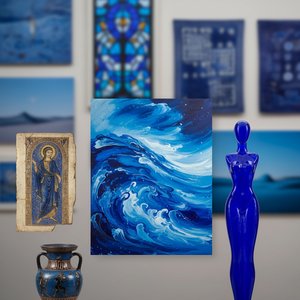
The Allure of Azure: Exploring the Symbolic & Aesthetic Depths of Blue in Art History
Explore the rich history of blue in art! Discover its symbolism, from ancient pigments to modern masterpieces by Kandinsky & Seurat. Uncover the psychological impact and cultural meanings behind this captivating hue.

Top 10 slávnych obrazov v odtieňoch sivomodrej: Umění pre váš domov s TopImpressionists
Objavte top 10 slávnych obrazov v odtieňoch sivomodrej! Preskúmajte príbehy Van Gogha, Moneta a ďalších majstrov. Reprodukcie obrazov pre váš domov s TopImpressionists – umenie online.

Doprava a vrátenie tovaru
APS poskytuje celosvetovú prepravu umenia so starostlivosťou na úrovni múzea, s plným sledovaním a 100-dňovou zárukou vrátenia peňazí. Od colného servisu po Priority Production, dôverujte transparentnej službe, zabezpečenému baleniu a spoľahlivému doručovaniu pre zberateľov, dizajnérov a galérií.

Alfred Wallis: Rediscovering the Naïve Visionary of Cornish Life
Discover the captivating world of Alfred Wallis, the self-taught Cornish painter championed by modernists. Explore his unique naive style, maritime scenes & lasting legacy with TopImpressionists.

Sir Alfred James Munnings: Top 25 Majstrovských Diel pre Kolekcionárov a Milovníkov Umenia
Objavte top 25 majstrovských diel Alfreda Jamesa Munninga – britského impresionistu oslávujúceho kone a krajinu. Historické maľby, portréty koní a vojnové scény v múzejnej kvalite. Nájdite perfektnú dekoráciu interiéru na TopImpressionists.com
Preskúmajte umelecká diela usporiadané podľa tém, štýlov a charakteristík.


