

 Náhľad v interiéri
 Odoslať ako digitálnu kartu
 Zdieľať
 Podrobnosti o dielo
 Príručka

 Stiahnuť obraz
 Podobné položky
 RTG skúška
 Prehliadanie diapozoje
 Otázky a odpovede
 Štatistiky
Apollo Chasing Daphne

- 221.0 x 224.0 cm


Experience Carlo Maratta's Apollo Chasing Daphne – a Baroque masterpiece depicting the myth of Daphne and Apollo with dynamic movement, rich colors, and meticulous detail at Musée Royaux Beaux-Arts Brussels.
 Zobraziť viac
Carlo Maratta (1625-1713) bol významný taliansky barokový maliar, známy svojím klasicistickým štýlom a freskami pre pápežské paláce. Jeho diela kombinujú elegantu a spiritualitu, čo z neho robí kľúčovú postavu v rímskej umene 17. storočia.
Giclée / Umenotlač
Giclée tlač alebo plátno múzeálnej kvality s rýchlou výrobou a rôznymi možnosťami povrchovej úpravy. ( Kúpiť ručne maľovaný obraz Prepnúť na digitálny obraz)




P118B €10

P118H €10

P118W €10

P438Z €10

P508JH €12

P508YH €12

P805H €10

P805Z €10

P919BZ €10

P919G €10

P919XJ €10

P959ZH €10

P968JZ €12

W106C €8

W218G €10

W218JH €8

W218Y €10

W307PJ €10

W316G €10

W316PJ €8

W316Y €10

W398PJ €8

W4111J €10

W500HY €15

W500JH €15

W692G €12

W849H €8

W940BG €15

W953PJ €8




Štandardné
na mieru
CM
INCH
Vyberte si z našich preddefinovaných rozmerov, ktoré zodpovedajú pôvodným pomeroḿ diela.
Loading sizes...

šírka
výška
Zadajte šírku a výšku, ktoré potrebujete, aby sa reprodukcia hodila k vášmu rámu alebo stene. Print možno len orezávať, nikdy však nemennú veľkosť zvětšiť oproti pôvodnému obrázku, preto pri inom formáte stráca časť obrazu. Pred samotným vytlačiacím procesom vám pošleme digitálny náhľad na schválenie. Obrázok zobrazený na tejto stránke nezobrazuje reálny rez — len digitálny náhľad ukazuje presný výsledok.
Celosvetová doprava () do 2 týždňov namiesto štandardných 4 až 5 týždňov. (9 november)

Bezplatná expresná doprava po celom svete

Vysokokvalitné lnianske plátno

Kompletné poistenie prepravy

Záruka vrátenia colného poplatku

Záruka presného farebného zhodnutia

100-dená politika vrátenia tovaru (iba pri vadách)

100% záruka vrátenia peňazí

Zľava pri väčšom množstve
 Možnosť skla je dostupná len pri rozmeroch pod 110 cm

Apollo Chasing Daphne
Giclée / Umenotlač
Veľkosť reprodukcie
-


Celková cena
€ 62
A Moment Frozen in Myth and Marble
Carlo Maratta’s “Apollo Chasing Daphne,” completed in 1681, isn't merely a depiction of Greek mythology; it’s an exquisitely crafted distillation of humanist ideals within the Baroque aesthetic. Hanging proudly at the Musées Royaux des Beaux-Arts in Brussels—a testament to Belgian cultural heritage—the canvas commands attention with its serene composure and subtle dynamism.
- Dimensions: 221 x 224 cm
- Medium: Oil on Canvas
- Location: Musées Royaux des Beaux-Arts, Brussels
The Narrative of Eros and Resistance
The painting recounts the legendary pursuit of Apollo—god of music, poetry, and archery—by Daphne, a nymph who embodies feminine resilience. Driven by desire, Apollo relentlessly pursues Daphne, attempting to seduce her with his divine charisma. However, Daphne refuses his advances, recognizing the danger posed by his obsession. Faced with imminent capture, she pleads for her father’s intervention, resulting in a miraculous transformation: Daphne is metamorphosed into laurel—a symbol of honor and victory—precisely as Apollo reaches for her.
Baroque Composition and Dramatic Lighting
Maratta's masterful technique exemplifies the Baroque style’s commitment to realism blended with theatrical illusion. He employs a pyramidal composition, anchoring the figures in stability while simultaneously directing the viewer’s gaze upwards towards Apollo and Daphne. The artist utilizes chiaroscuro—the dramatic interplay of light and shadow—to heighten emotional intensity and sculpt the forms of his subjects. Notice how the luminous glow illuminates Daphne's face, conveying her vulnerability and determination.
Symbolism Beyond Mythological Allegory
Beyond its retelling of a classic tale, “Apollo Chasing Daphne” resonates with deeper symbolic meanings. The laurel wreath represents Daphne’s triumph over Apollo’s desire—a visual affirmation of feminine autonomy and spiritual fortitude. Furthermore, the bird circling above Daphne underscores the fleeting nature of beauty and the inevitability of change. Maratta skillfully integrates these motifs into a harmonious whole, elevating the painting beyond mere narrative illustration.
Emotional Resonance: Tranquility Amidst Tension
Despite the palpable tension between Apollo and Daphne—expressed through their postures and gestures—the overall mood of “Apollo Chasing Daphne” is remarkably tranquil. Maratta achieves this effect by prioritizing balance and restraint, avoiding excessive ornamentation or flamboyant color palettes. Instead, he invites contemplation, prompting viewers to consider themes of love, loss, and transformation. It’s a painting that speaks to the human condition—a reminder that even in moments of vulnerability, grace and dignity can prevail.
Otázky a odpovede
Čo vysvetľuje situáciu s autorskými právami diela „Apollo Chasing Daphne“ od Carlo Maratta?
Dielo „Apollo Chasing Daphne“ od umelca Carlo Maratta patrí do v slobodnom prostredí – autorské práva vypršali. Autorské práva sa vypočítavajú od roku úmrtia umelca, pričom Carlo Maratta zomrel v roku 1713.
Aká intenzívna je farebnosť diela „Apollo Chasing Daphne“ od Carlo Maratta?
„Apollo Chasing Daphne“ od Carlo Maratta má Monochromatic intenzitu farieb.
Kde je dnes vystavené dielo „Apollo Chasing Daphne“ od Carlo Maratta?
Dielo „Apollo Chasing Daphne“ od Carlo Maratta je vystavené v múzeu Musées Royaux des Beaux-Arts, Brusel, Belgsko. Uvedená informácia o múzeu sa vzťahuje na originál, nie na reprodukcie.
Biografia umelca
A Roman Master of the Baroque Classicizing Style
Carlo Maratta, často známy ako Maratti, stojí v 17. storočí ako významná postava talianskej maľby, zosúvišť predstavujúca prechod od vysokej baroky k viac elegantnej a klasicistickej estetike. Narodil sa 15. mája 1625 v Camerane, v štáte papežskom – dnes súčasťou Talianska – jeho umelecká cesta začala skorým presídlením do Ríma v roku ôsmom života. Toto presídlenie sa ukázalo ako transformačné, keď vstúpil do dielne Andrea Sacchiho, malára známeho svojimi meranými kompozíciami a záväzkom k klasickým ideálom. Vplyv Sacchiho hlboko ovplyvnil rozvíjajúci sa štýl Marattu, vložil do neho oddanosť jasnosti, rovnováhe a obmedzenému emocionálnemu vyjadreniu, ktoré ho odlišovalo od viac flambujúcich barokových súčasníkov. Toto učenie nebolo len technickým tréningom; bolo to ponorením do filozofického prístupu k umeniu, ktorý uprednostňoval intelektuálnu dôslednosť a harmonický dizajn pred dramatickým spektáklom. Maratta absorboval tieto princípy, no nezostal v nich len pasívne, preukázal pozoruhodnú schopnosť syntetizovať klasické základy s prevládajúcimi prúdmi barokovej zmyselnosti.The Flourishing Career in Rome
Talent Marattu rýchlo rozkvitol a už do polovice 60-tych rokov 17. storočia začal priťahovať významné objednávky. Jeho skoré diela, ako napríklad *Navštívenie* (1656) pre Santa Maria della Pace, odhaľujú mistrovskú kontrolu nad svetlom a pohybom, spojenú s vyvíjajúcou sa schopnosťou vniesť náboženské scény s pocitom hlbokého duchovného zážitku. Nevytváral len kópie známych vzorov; vnášal do nich svoj vlastný jedinečný pohľad, charakterizovaný gráciami postáv, elegantnou odevom a jemným, no silným použitím farieb. Tento obdobie prinieslo aj vytvorenie *Tajomstvo Trojjedinosti odhalené svätému Augustínovi* (cca 1655), diela, ktoré exemplifikujú jeho zručnosť v kombinácii klasického idealizmu s barokovou dynamikou. Ako sa jeho reputácia rozširovala, tak aj rozsiahly a prestížny charakter jeho objednávok. Stal sa obľúbeným umelcom medzi významnými rómskych rodinami a, čo je dôležité, pápežom samotným. Počas šiestich desaťročí Maratta dostával podporu od až šiestich popov – dôkaz jeho umeleckého talentu a politickej zručnosti. Táto konzistentná pápežská podpora nepriniesla len finančnú istotu, ale umiestnila ho aj do srdca Ríma akoho umelckého a kultúrneho života.A Synthesis of Styles and Influences
Štýl Marattu je často opísaný ako „klasicizujúci barok,“ termín, ktorý zachytáva jeho jedinečné postavenie v historickom kontexte umenia. Hoci hlboko zakorennený v klasickej tradícii vychádzajúcej z Rafaela, nebol imúnny voči vplyvu viac divadelnej tendencie barokovej maľby. Jeho súčasník Giovanni Bellori zdôrazňoval túto synézu v ranom biografickom spise, dokumentujúc Marattov umelecký prístup. Umelci sa snažili integrovať dramatické použitie svetla a tieňa charakteristické pre barokové maľby s jasnosťou formy a kompozičnou rovnováhou uprednostňovanú klasikmi. Táto fúzia priniesla diela, ktoré boli zároveň emocionálne angažované a intelektuálne uspokojivé. Jeho paleta, hoci živá, bola často obmedzená, zameraná na harmonické farebné vzťahy namiesto výrazných kontrastov. Vynikal v zobrazovaní náboženských príbehov, v ktorých ich vnášal s úctou a duchovým intenzívnym zážitkom. *Zjav Panny Márie svätému Filipovi Neri* (cca 1675), dnes umiestnený v Pitti Paláci v Florencii, je skvelým príkladom jeho schopnosti interpretovať takéto témy s gráciou a hlbokým emocionálnym zážitkom.Beyond Painting: Restoration and Legacy
Prínos Marattu nebol obmedzený vytváraním nových umeleckých diel; bol tiež poverený zachovávaním umelckého dedičstva Ríma. V roku 1702-1703 ho Innocent XI menoval *surintendent des chambres du vatican* a pověřil ho opravou fresiek Rafaela v Bazilike svätej Petra – zodpovednosť, ktorá zdôrazňovala jeho postavenie ako vedúceho odborníka na klasické umenie. Táto podnikanie nebolo len technickou reštauráciou; bolo to akt úcty k jednému z najväčších umeleckých pokladov Talianska, ktoré mu bolo zverené. Maratta pokračoval v práci až do svojej smrti 15. decembra 1713 v Ríme, nechávajúc za sebou rozsiahly a vplyvný teleskop diel. Jeho dedičstvo ako majstra klasicistického štýlu neskoro barokovej éry pretrvalo počas 18. storočia, ovplyvňujúc generácie umelcov svojím dôrazom na jasnosť, rovnováhu a harmonický dizajn. Dnes sa jeho diela nachádzajú v múzeách po celom svete, vrátane tých, ktoré sú prezentované na platformách ako TopImpressionists.com, čím zabezpečujú, že jeho umelecké videnie bude inšpirovať a zaujímať publikum na mnoho rokov.Key Works & Lasting Impact
- Apollo Chasing Daphne: Dynamické znázornenie klasického mýtu, ktoré ukazuje Marattovu zručnosť v zobrazovaní pohybu a emócie.
- Adoration of the Magi (in Garland): Bohato detailné kompozície, ktorá exemplifikuje jeho mistrovstvo v oblasti farieb a tvarov.
- Adoration of the Shepherds: Barokový majstrovský diel z roku 1690, ktorý je oslavovaný svojimi božskými symbolmi a dynamickým usporiadaním.
- The Visitation: Ranne dielo ukazujúce Marattov rozvíjajúci sa talent pre svetlo a pohyb v náboženskom kontexte.
- The Mystery of the Trinity Revealed to St. Augustine: Presvedčivé príklad jeho schopnosti kombinovať klasický idealizmus s barokovou dynamikou.

Carlo Maratta
1625 - 1713 , Taliansko
Základné informácie
- Artistic Movement Or Style: Baroko Klasicizmus
- Artists Or Movements Influenced By This Artist: ['Raffaelo Santi']
- Artists Who Influenced This Artist: ['Andrea Sacchi']
- Date Of Birth: 1625 Camerano
- Date Of Death: 1713 Rím
- Full Name: Carlo Maratta
- Nationality: Italiano
- Notable Artworks:
- Vizitácia
- Trinitás odhalená sv. Augustínovi
- Place Of Birth: Camerano Itália
Súvisiace články

The Visceral Stage: Exploring Dramatic Narratives & Emotional Intensity in Baroque Art
Explore the dramatic world of Baroque art! Discover iconic masters like Caravaggio & Rembrandt, their techniques, and the movement's lasting impact. Expert insights for collectors & enthusiasts at TopImpressionists.
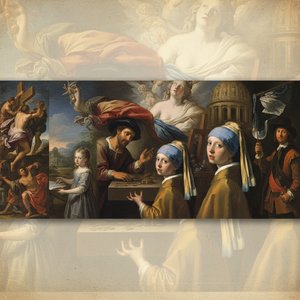
Top 10 majstrovských diel baroka: Umění a dekor pre váš domov
Ponorte sa do sveta baroka! Objavte top 10 majstrovských diel od Caravaggia, Rembrandta a ďalších slávnych maliarov. Reprodukcie obrazov pre luxusný dekor vášho domova na TopImpressionists.com.

Baroque Classicism: The Grandeur of Order and Drama in 17th-Century Art History
Explore the profound elegance of Baroque Classicism. Discover how 17th-century masters synthesized dramatic emotion with classical order through the lens of the Counter-Reformation and the works of legends like Carlo Maratta and Andrea Sacchi.

The Dramatic Flourish: Exploring the Baroque Movement's Enduring Legacy in Art History
Explore the dramatic world of Baroque art! Discover iconic artists like Caravaggio & Rubens, defining techniques, and its lasting impact on art history. Expert insights for collectors & enthusiasts at TopImpressionists.

Baroková Dráma: Umenie, ktoré prináša nádheru do domova
Objavte nádheru barokového štýlu! Spoznajte jeho históriu, kľúčové prvky a inšpirujte sa tipmi pre váš domov. Kvalitné reprodukcie diel od .
Preskúmajte umelecká diela usporiadané podľa tém, štýlov a charakteristík.
