

 Náhľad v interiéri
 Odoslať ako digitálnu kartu
 Zdieľať
 Podrobnosti o dielo
 Príručka

 Stiahnuť obraz
 Podobné položky
 RTG skúška
 Prehliadanie diapozoje
 Otázky a odpovede
 Štatistiky
Perdita

- 29.0 x 23.0 cm


Pozrite si nádherné reprodukciu obrazu Perdita od Charlesa Roberta Lesliho – romantického portrétu mladého ženy v ovale, ktorý kombinuje klasické prvky s emocionálnou hĺbkou a jemnými štruktúrami.
 Zobraziť viac
Slovenská meta popis: Charles Robert Leslie (1794-1859) bol britský maliar známy svojimi ľúbeznými scéňami z každodenného života a portrétmi, ako napríklad obraz Sir Waltera Scotta. Jeho diela odrážajú prvkami Royal Academy a sú súčasťou histórie britského umenia.
Giclée / Umenotlač
Giclée tlač alebo plátno múzeálnej kvality s rýchlou výrobou a rôznymi možnosťami povrchovej úpravy. ( Kúpiť ručne maľovaný obraz Prepnúť na digitálny obraz)




P118B €10

P118H €10

P118W €10

P438Z €10

P508JH €12

P508YH €12

P805H €10

P805Z €10

P919BZ €10

P919G €10

P919XJ €10

P959ZH €10

P968JZ €12

W106C €8

W218G €10

W218JH €8

W218Y €10

W307PJ €10

W316G €10

W316PJ €8

W316Y €10

W398PJ €8

W4111J €10

W500HY €15

W500JH €15

W692G €12

W849H €8

W940BG €15

W953PJ €8




Štandardné
na mieru
CM
INCH
Vyberte si z našich preddefinovaných rozmerov, ktoré zodpovedajú pôvodným pomeroḿ diela.
Loading sizes...

šírka
výška
Zadajte šírku a výšku, ktoré potrebujete, aby sa reprodukcia hodila k vášmu rámu alebo stene. Print možno len orezávať, nikdy však nemennú veľkosť zvětšiť oproti pôvodnému obrázku, preto pri inom formáte stráca časť obrazu. Pred samotným vytlačiacím procesom vám pošleme digitálny náhľad na schválenie. Obrázok zobrazený na tejto stránke nezobrazuje reálny rez — len digitálny náhľad ukazuje presný výsledok.
Celosvetová doprava () do 2 týždňov namiesto štandardných 4 až 5 týždňov. (8 november)

Bezplatná expresná doprava po celom svete

Vysokokvalitné lnianske plátno

Kompletné poistenie prepravy

Záruka vrátenia colného poplatku

Záruka presného farebného zhodnutia

100-dená politika vrátenia tovaru (iba pri vadách)

100% záruka vrátenia peňazí

Zľava pri väčšom množstve
 Možnosť skla je dostupná len pri rozmeroch pod 110 cm

Perdita
Giclée / Umenotlač
Veľkosť reprodukcie
-


Celková cena
€ 62
Charles Robert Leslie: Perdita – A Portrait Steeped in Romantic Sentiment
Charles Robert Leslie’s “Perdita” (circa 1837) stands as a testament to the burgeoning Romantic movement's fascination with emotion and psychological depth, skillfully blended within the framework of Neoclassical compositional principles. This captivating portrait depicts a young woman gazing slightly off-center, capturing an instant of contemplative introspection—a hallmark characteristic of Leslie’s oeuvre and emblematic of his artistic vision.
- Subject Matter & Symbolism: The central figure embodies idealized beauty and innocence, mirroring the Romantic preoccupation with portraying inner states rather than merely external appearances. Her gaze directs attention inward, suggesting a profound awareness of her own thoughts and feelings. Notably, she holds a flower—a universally recognized symbol of purity, love, and remembrance—underscoring themes of romantic longing and cherished memories.
- Style & Influence: Leslie’s artistic style leans heavily toward Romanticism due to its emphasis on expressive brushwork and tonal modulation, yet retains subtle neoclassical influences evident in the balanced composition. He skillfully adapts classical conventions to convey emotional nuance, demonstrating a masterful understanding of artistic tradition.
- Technique – Oil Painting & Glazing: Leslie employed oil paint—a technique favored for its luminosity and ability to build up layers of color—utilizing glazing extensively. This meticulous process allowed him to achieve remarkable depth and vibrancy, capturing the delicate textures of fabric and hair with exceptional precision.
- Historical Context – Victorian Portraiture: “Perdita” emerged during a period marked by significant social and intellectual transformation in Britain. The portrait genre flourished alongside burgeoning interest in psychological realism, reflecting the broader cultural shift toward valuing inner experience alongside outward appearance.
The artist’s deliberate use of soft brushstrokes contributes to an atmosphere of serenity and melancholy—a poignant reflection of Romantic ideals. Leslie's meticulous attention to detail ensures that “Perdita” transcends mere likeness, conveying a powerful emotional resonance that continues to captivate viewers today.
Detailed Composition & Lighting
Leslie’s compositional choices prioritize capturing the sitter’s psychological state above all else. The oval frame enhances the portrait's formality and grandeur, aligning with Neoclassical aesthetics. However, the slight off-center gaze of Perdita disrupts conventional symmetry, subtly conveying vulnerability and thoughtfulness. Dramatic lighting—characterized by deep shadows juxtaposed against highlights—accentuates facial features while fostering a mood of quiet contemplation.
Material & Texture – Craftsmanship & Impression
The artwork is executed in oil paint on canvas using brushes meticulously chosen to achieve optimal blending and textural nuance. The layering technique—particularly evident in the rendering of Perdita’s dress and hair—creates a palpable sense of depth and materiality. Leslie's masterful handling of pigment contributes significantly to the impressionistic quality of the piece, capturing fleeting moments of emotion and atmosphere.
Harris Museum Reproduction – Bringing “Perdita” to Life
A high-quality reproduction of “Perdita,” available at Harris Museum & Art Gallery, allows admirers worldwide to experience Leslie’s artistic brilliance. The meticulous attention to color accuracy and textural detail ensures that the essence of this Romantic masterpiece is faithfully preserved—a beautiful addition to any discerning collection.
Otázky a odpovede
Aká je vnímaná svetlostnosť diela „Perdita“ od Charles Robert Leslie?
Z hľadiska vnímanej jasnosti je „Perdita“ od Charles Robert Leslie jasný.
Je „Perdita“ od Charles Robert Leslie obrazom, kresbou alebo grafikou?
„Perdita“ od Charles Robert Leslie je klasifikovaný ako WallArt. Táto kategória určuje druh diela, ktorým je originál.
Kto vytvoril "Perdita" a v akom štýle je ladené?
Charles Robert Leslie vytvoril/a dielo „Perdita“ v rámci smeru Romantic Neoclassicism.
Biografia umelca
Early Life and Artistic Training
Charles Robert Leslie, narodený 19. októbra 1794 v Londýne, bol amerického pôvodu – jeho rodičia pochádzali zo Spojených štátov. Už v päť rokoch sa s rodinou presunul do Philadelphie, kde dokončil svoje vzdelanie. Jeho ranná kariéra začala ako učni kníhkaru, no skutočným zmyslom bolo maľovanie a divadlá. Leslieho vášeň pre umenie ho viedla k Londýnu v roku 1811, kde získal odporúčania a podporu od významných umelcov, ako bol Benjamin West. V roku 1813 sa pripojil k Royal Academy Schools, kde dosiahol dva strieborné medaily – dôkaz svojho talentu a schopnosti. Jeho raná tvorba bola ovplyvnená Westom a Fuselim, no postupne sa Leslie vyprofiloval v žánrového maľára, zameriaci sa na každodenný život a portréty.Artistic Development and Notable Works
Leslieho umelecký štýl prešiel výraznou transformáciou. Počas prvých rokov experimentoval s rozsiahlymi historickými motívmi, no čoskoro objavil svoju pravú vášeň – žánrové maľovanie. Jeho tvorba sa vyznačuje ľahkosťou a humorom, zobrazujúc scény z klasických literatúrnych diel, ako napríklad Shakespearove hry, Cervantesova románovia alebo Smollettove romány. Jednou z jeho najznámejších diel je "The Murder of Rutland by Lord Clifford," ktorý ukazuje jeho schopnosť replikovať historické obrazy. Ďalším významným dielom je "Londoners Gypsying," ktorý zachytáva živú atmosféru londýnskeho života. A samozrejme, nemôžeme zabudnúť na portrét sira Waltera Scotta – dôkaz Leslieho schopnosti zachytiť charakter a eleganciu známych osobností.Museum Involvement and Recognition
Leslieho umelecké diela si získali uznanie v rámci Royal Academy, kde bol zvolený za asocianta v roku 1821 a neskôr za plného člena v roku 1826. Jeho prácu je dnes možné nájsť aj v centre d’art britannique de yale, kde sú uložené archívy jeho diela. Jeho významný príbeh sa stal súčasťou životopisov John Constablea, ktorý bol blízky priateľ Leslieho a napísal pre neho prvý biografický esej.Legacy and Later Life
Leslieho umelecká kariéra pokračovala až do jeho smrti 5. mája 1859 v Londýne. Jeho diela sú dnes považované za dôležitú súčasť britského umenia 19. storočia a jeho prácu si vážia ako ilustrátor literárnych diel, ktoré sa stali základom pre ďalšie generácie umelcov. Leslieho život a dielo sú dôkazom schopnosti zachytiť krásu každodenného života a zároveň odkazovať k najvýznamnejším dielam literatúry a histórie.
Charles Robert Leslie
1794 - 1859 , Spojené kráľovstvo
Základné informácie
- Artistic Movement Or Style: Žánrová maľba
- Artists Or Movements Influenced By This Artist: ['John Constable']
- Artists Who Influenced This Artist:
- Benjamin West
- Washington Allston
- Date Of Birth: 19 Oct 1794
- Date Of Death: 5 May 1859
- Full Name: Charles Robert Leslie
- Nationality: Anglický/Americký
- Notable Artworks:
- Útoku Rutlanda
- Londýňania
- Portrét Sir Waltera Scotta
- Place Of Birth: Londýn, UK
Súvisiace články

David Roberts: A Scottish Pioneer of Topographical Art & Orientalist Vision
Explore the captivating world of David Roberts, a pioneering Scottish painter renowned for his detailed Orientalist scenes & stunning Egyptian landscapes. Discover his legacy and find museum-quality reproductions at TopImpressionists.
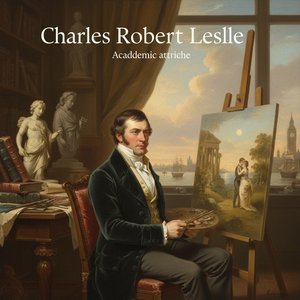
Charles Robert Leslie: Navigating Romantic Ideals & Academic Tradition
Explore the life & art of Charles Robert Leslie, a key figure bridging Romantic ideals with Victorian academic tradition. Discover his captivating portraits, literary scenes, and enduring legacy as Constable’s biographer.

Robert Lillie: A Study in Victorian Genre Painting and Domestic Narrative
Explore the captivating Victorian genre paintings of Robert Lillie (1867-1949). Discover his serene Scottish landscapes and intimate domestic scenes, reflecting a unique artistic vision. Learn about his life, style & legacy.

Hubert Robert: Picturing Ruins, Preserving Memory – A Study of Romantic Antiquarianism & Artistic Innovation
Explore the captivating world of Hubert Robert, master of Romantic landscape painting & 'capriccio' ruins. Discover his historical context, artistic innovations, and collecting insights with TopImpressionists.

Romantic Realism's Finest: 10 Masterpieces for Your Home | TopImpressionists
Explore 10 defining masterpieces of Romantic Realism! Discover Courbet, Millet & Daumier's powerful paintings—capturing emotion and social realities. Find museum-quality reproductions for your home at TopImpressionists.com.
Preskúmajte umelecká diela usporiadané podľa tém, štýlov a charakteristík.
