Náhľad v interiéri
 Odoslať ako digitálnu kartu
 Zdieľať
 Podrobnosti o dielo
 Príručka

 Stiahnuť obraz
 Podobné položky
 RTG skúška
 Prehliadanie diapozoje
 Otázky a odpovede
 Štatistiky
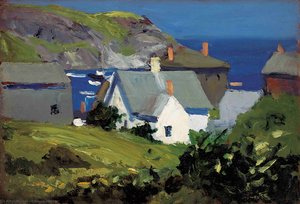
Corn Hill

- 72.0 x 107.0 cm


Explore Edward Hopper’s ‘Corn Hill’ (1930). A serene landscape painting of dunes & houses, showcasing American Impressionism's beauty & solitude. Discover this evocative artwork.
 Zobraziť viac
Edward Hopperova ikonická obrazová kompozícia zachyteneľuje tichú americkú atmosféru a osamelosť. Pozrite si detailné prevedenie tohto známeho diela v sérii reprodukcií.
Umelecké dielo zobrazené na tejto stránke je chránené autorským zákonom, čo znamená, že nemôžeme legálne vytvárať ani predávať jeho identickú reprodukciu. Táto ochrana je vymáhaná na základe medzinárodných dohôd, ako napríklad Bernská konvencia a národnými zákonmi, vrátane tých, ktoré sú stanovené v Autorské právo USA – Title 17. Všetky práva vyhradené.
Táto metóda plne dodržiava autorské práva, pretože nezahŕňa kopírovanie ani duplikovanie chráneného diela. Ide skôr o kreatívnu reinterpretáciu – nový obraz, ktorý je ovplybnený originálom, no nie je s ním identický.
Giclée / Umenotlač
Giclée tlač alebo plátno múzeálnej kvality s rýchlou výrobou a rôznymi možnosťami povrchovej úpravy. ( Kúpiť ručne maľovaný obraz Prepnúť na digitálny obraz)




P118B €10

P118H €10

P118W €10

P438Z €10

P508JH €12

P508YH €12

P805H €10

P805Z €10

P919BZ €10

P919G €10

P919XJ €10

P959ZH €10

P968JZ €12

W106C €8

W218G €10

W218JH €8

W218Y €10

W307PJ €10

W316G €10

W316PJ €8

W316Y €10

W398PJ €8

W4111J €10

W500HY €15

W500JH €15

W692G €12

W849H €8

W940BG €15

W953PJ €8




Štandardné
na mieru
CM
INCH
Vyberte si z našich preddefinovaných rozmerov, ktoré zodpovedajú pôvodným pomeroḿ diela.
Loading sizes...

šírka
výška
Zadajte šírku a výšku, ktoré potrebujete, aby sa reprodukcia hodila k vášmu rámu alebo stene. Print možno len orezávať, nikdy však nemennú veľkosť zvětšiť oproti pôvodnému obrázku, preto pri inom formáte stráca časť obrazu. Pred samotným vytlačiacím procesom vám pošleme digitálny náhľad na schválenie. Obrázok zobrazený na tejto stránke nezobrazuje reálny rez — len digitálny náhľad ukazuje presný výsledok.
Celosvetová doprava () do 2 týždňov namiesto štandardných 4 až 5 týždňov. (8 november)

Bezplatná expresná doprava po celom svete

Vysokokvalitné lnianske plátno

Kompletné poistenie prepravy

Záruka vrátenia colného poplatku

Záruka presného farebného zhodnutia

100-dená politika vrátenia tovaru (iba pri vadách)

100% záruka vrátenia peňazí

Zľava pri väčšom množstve
 Možnosť skla je dostupná len pri rozmeroch pod 110 cm

Corn Hill
Giclée / Umenotlač
Veľkosť reprodukcie
-


Celková cena
€ 62
A Solitary Gaze: Edward Hopper’s “Corn Hill”
Edward Hopper's "Corn Hill," painted in 1930, isn’t merely a depiction of a rural landscape; it’s a poignant meditation on isolation and the quiet dignity of human existence within the vastness of nature. This oil-on-canvas masterpiece, currently residing at the McNay Art Museum in San Antonio, Texas, captures a fleeting moment along the Cape Cod coast, yet resonates with an enduring sense of melancholy that has captivated viewers for decades. Hopper, a master of American Realism, skillfully employs light and shadow to evoke not just a scene, but a feeling—a subtle yearning for connection amidst a world often defined by solitude.
Composition and Technique: A Study in Light and Perspective
The painting’s composition is deceptively simple. A cluster of modest houses, rendered with Hopper's signature precision and restraint, nestles upon the crest of a rolling dune. The perspective isn’t aggressively linear; instead, it’s subtly flattened, creating an almost dreamlike quality. This deliberate avoidance of strict realism contributes to the painting’s emotional impact, suggesting a world viewed through a contemplative lens. Hopper's masterful use of light is particularly noteworthy. A diffused sunlight streams down upon the houses and the surrounding landscape, casting long shadows that emphasize their isolation. The color palette—primarily ochre, yellow, and muted blues—is restrained yet evocative, lending a sense of quiet dignity to the scene. Notice how he uses variations in tone to create depth and texture, from the smooth expanse of the dunes to the rougher contours of the buildings.
Symbolism and Narrative Resonance
“Corn Hill” is rich with symbolic meaning. The isolated houses represent not just dwellings but also the human need for connection—a desire that often goes unfulfilled in a modern world. The vastness of the dune field underscores this sense of isolation, suggesting a vulnerability against the power of nature. The painting’s title itself, “Corn Hill,” subtly references the historical significance of the site – the location where Pilgrims stole corn from the Nauset tribe, highlighting themes of survival and adaptation. Hopper's inclusion of these details invites viewers to contemplate the relationship between humanity and its environment, as well as the enduring legacy of past events.
Hopper’s Legacy: A Portrait of Modern America
“Corn Hill” is a quintessential example of Edward Hopper's artistic vision. Painted during a period of significant social and economic change in America, it reflects the growing sense of alienation and uncertainty that characterized the era. Hopper’s work resonated deeply with audiences because it captured the quiet realities of everyday life—the loneliness, the unspoken desires, and the subtle beauty found within the mundane. His paintings continue to be studied and admired for their ability to evoke powerful emotions through deceptively simple compositions and masterful use of light and color. “Corn Hill” stands as a testament to Hopper’s enduring legacy as one of America's most important artists, offering a timeless reflection on the human condition.
Otázky a odpovede
Aká veľkosť je pre „Corn Hill“ odporúčaná do Living Room?
Pre miestnosť typu Living Room sa pre dielo „Corn Hill“ odporúča veľkosť tlače Large.
Je „Corn Hill“ od Edward Hopper v portrétnej, krajinárskej alebo štvorcovej kompozícii?
„Corn Hill“ od Edward Hopper je Landscape kompozícia. Pred výberom veľkosti tlače sa oplatí skontrolovať jej proporcie.
Aké využitie a priestor sa odporúčajú pre „Corn Hill“ od Edward Hopper?
Odporúčané použitie (Reflective) a priestor (Living Room) pre dielo „Corn Hill“ od Edward Hopper.


Biografia umelca
A Solitude Observed: The Life and Art of Edward Hopper
Edward Hopper, meno neprechodne spojené s tichou a jemnou melanchóliou, ktorá presahovala 20. storočie amerického života, bol viac ako len maliar krajiniek; bol poetom svetla a tieňa, kronikárom modernej izolácie. Narodil sa v Nyacku, New York, v roku 1882, ako syn z prostredia stredných vrstiev s holandskými koreňmi, jeho rané roky poskytli stabilné vychovávanie, ktoré napomohlo rozvíjať jeho umelecké sklony. Už od detských kresieb, starostlivo datovaných a podpísaných, bolo jasné, že ostrá pozornosť a vrodený talent pre kreslenie boli základom jeho bytia. Hoci bola jeho rodina úprimne presvedčená o tom, aby ho nasmerovala k komerčnej ilustrácii – pragmatický návrh od rodičov –, Hopperove ambície smerovali k jemnému umeniu, čo viedlo k štúdiu na New York School of Art, kde učil William Merritt Chase a Robert Henri. Tieto formujúce roky neposkytli len technické zručnosti, ale aj obdiv k realizmu a záväzok vykreslovať svet tak, ako ho videl – nezameniteľný a úprimný. Texty Ralfa Waldo Emersona hlboko rezonovali s Hopperom, posilňujúc jeho individualizmus a ostré vnímanie – vlastnosti, ktoré sa stali charakteristickými znakmi jeho umeleckej vize. Ranne cestovanie do Paríža ho vystavilo impresionizmu, no Hopper rýchlo odchýlil od jej mihotavých postriekaní, vytvoril si tak jedinečnú cestu.Finding His Voice: Realism and the American Scene
Umelé cesty Edwarda Hoppera neboli okamžité ani jednoduché. Hľadalo ho objavenie vlastného, osobitného hlasu, experimentoval s rôznymi štýlmi, než sa usadil v realizme, ktorý definoval jeho kariéru. Nebolo to len priame reprodukcie reality; bolo to destilácia jej podstaty, odstránenie nadbytočných detailov na odhalenie hlbších emočných pravd. Jeho maľby začali sústrediť na každodenné scény – domy, reštaurácie, kancelárie, hotely – naplnené pocitom ticha a často osamelosti. Vlastnil neobyčajnú schopnosť zachytávať psychologické stavy svojich subjektov, naznačujúc príbehy bez ich priameho vyjadrenia. Precízne vykreslenie svetla a tieňa sa stalo kľúčovým prvkom, nie len ako popisné elementy, ale aj ako emočné signály, vytvárajúce atmosféry, ktoré boli zároveň fascinujúce a znepokojivé. *House by the Railroad* (1925), skorý majstrovský diel, ilustruje tento prístup – zdá sa, že jednoduché kompozície vyvolávajú hlboký pocit izolácie a záhady. Hopperova tlačárska práca, často prehliadaná, išla paralelne s jeho maľbou, zdieľala podobné témy a štýlové vlastnosti, čo dokazalo jeho zručnosť v rôznych médiách. Nebol zaujatý rozsiahlymi historickými príbehami alebo alegorickými symbolami; sústredil sa na bežné veci a zvýšil ich hodnotu starostlivým pozorovaním a emočným rezonancom.Iconic Visions: Nighthawks and Beyond
Zatiaľ čo kariéra Hoppera nepostupovala okamžite, určité diela catapultovali ho k širokej verejnosti. *Nighthawks* (1942), pravdepodobne jeho najznámejšia maľba, sa okamžite stal ikonou americkej kultúry. Nočná scéna v reštaurácii, osvetlená ostrým fluoreskencia, dokonale zachytáva izoláciu a anonymitu modernej urbánnej jari. Postavy vo vnútri sú ztrácajúce sa v svojich myšlienkach, odpojené od seba hoci sú blízko – dojemný komentár na ľudskú povahu. *Gas* (1940), s výrazným zobrazovaním čerpacieho stanovišťa, ukazuje Hopperovu fascináciu americkými krajinami a rozvíjajúcim sa automobilovým kultúrnym prostredím. Iné významné diela ako *Automat*, *Office in a Small City* a *Summertime* ponúkajú jedinečné pohľady na komplexity 20. storočia americkej spoločnosti. Tieto maľby neboli len reprezentáciou miest; boli to skúmania nálad, psychológie a jemných dramatických udalostí v bežných prostrediach. Jeho manželka, *Josephine Nivison Hopper*, zohrávala kľúčovú úlohu nie len ako jeho trvalý spoločník, ale aj ako častá modelka, ktorá významne prispela k charakterizácii ženských postáv.Themes and Legacy: A Lasting Influence
Mnohé opakujúce sa témy prenikajú prostredníctvom jeho diela. Osamelosť v meste je možno najvýraznejšia – pocit osamelosti, ktorý zažíva jednotlivci aj v dave. Sústredil sa na americkú krajinu, siahol po nej zvykne a často zdôrazňoval jej drsnosť a prázdnotu. Jeho dielo skúma psychologický realizmus, hlboko sonduje do vnútornej duše svojich subjektov s citlivostiou, ktorá prekonáva len reprezentáciu. Existuje aj podtón nostalgie za jednoduchším minulosťou, spojený s uznaním komplexností a obáv modernej doby. Hopperova inštancia ovplyvnila neskorších umelcov. Jeho jedinečný štýl inšpiroval množstvo maľiarov, vrátane Pierre Sanford Rossa, a stále rezonuje s súčasnými umelcami, ktorí hľadajú zachytenie podstaty ľudského zážitku. Jeho maľby zostali veľmi žiadané zbieraťelmi a vystavujú sa v hlavných múzeách po celom svete, čím zabezpečili jeho miesto ako kľúčového predstaviteľa amerického umenia. Viac ako len umelec, Edward Hopper bol vizuálny filozof, ponúkol hlboké vhliadnutia do ľudskej povahy prostredníctvom svojho mistrovského použitia svetla, tieňa a kompozície.- Jeho dedičstvo nespočíva len v krásnosti jeho maľieb, ale aj v ich trvalej schopnosti vyvolať myšlienky, vyvolať emócie a pripomenúvať nám tichú osamelosť, ktorá často definuje naše životy.
- Jeho diela stále fascinujú publikum preto, že sa dotýkajú všeobecných tém osamelosti, izolácie a hľadania zmyslu v rýchlo sa meniacej svete.
- Jeho maľby sa stali ikonickými reprezentáciami americkej kultúry, často používané na symbolizáciu obáv a túžob 20. storočia – a viac.
- Hopperov estetika hlboko ovplyvnila filmárov (ako Alfred Hitchcock) a spisovateľov, inšpirujúc množstvo diel, ktoré skúmajú podobné témy izolácie a psychologického napätia.

Edward Hopper
1931 - 1967 , USA
Základné informácie
- Artistic Movement Or Style: Realizmus
- Artists Or Movements Influenced By This Artist: ['Ross']
- Artists Who Influenced This Artist:
- Chase
- Henri
- Date Of Birth: 22. júl 1882
- Date Of Death: 15. máj 1967
- Full Name: Edward Hopper
- Nationality: Amerikanec
- Notable Artworks:
- Nighthawks
- House by the Railroad
- Gas
- Place Of Birth: Nyack, USA
Súvisiace články

Capturing the Soul of Nature: A Journey Through the Sublime Majesty of American Romanticism
Explore the breathtaking beauty of American Romanticism. Discover how Hudson River School masters captured the sublime spirit of the wilderness through luminous oil landscapes and emotional depth. A journey into the soul of nature for the true art enthusiast.

Capturing the Light: A Journey Through the Soul of American Impressionism and the Hudson River School
Explore the luminous beauty of American Impressionism and the Hudson River School. Discover a curated journey through light, landscape, and history, celebrating the enduring legacy of masters through exquisite, hand-painted oil reproductions for the discerning art lover.
Preskúmajte umelecká diela usporiadané podľa tém, štýlov a charakteristík.