

Zobrazené: · Včetně rámov:
 Náhľad v interiéri

 Odoslať ako digitálnu kartu
 Zdieľať
 Podrobnosti o dielo
 Príručka


 Stiahnuť obraz
 Podobné položky
 RTG skúška
 Prehliadanie diapozoje
 Otázky a odpovede
 Štatistiky

€ 62
Giclée / Umenotlač
Giclée tlač alebo plátno múzeálnej kvality s rýchlou výrobou a rôznymi možnosťami povrchovej úpravy. ( Kúpiť ručne maľovaný obraz Prepnúť na digitálny obraz)
Toto dielo je chránené autorským právom
Umelecké dielo zobrazené na tejto stránke je chránené autorským zákonom, čo znamená, že nemôžeme legálne vytvárať ani predávať jeho identickú reprodukciu. Táto ochrana je vymáhaná na základe medzinárodných dohôd, ako napríklad Bernská konvencia a národnými zákonmi, vrátane tých, ktoré sú stanovené v Autorské právo USA – Title 17. Všetky práva vyhradené.
Ako rešpektujúca a legálna alternatíva ponúkame vlastné, ručne maľované diela inšpirované originálom. Naši skúsení a profesionálni umelci dôkladne študujú štýl, náladu a umelecký podnet originálu, aby vytvorili nové, jedinečné dielo, ktoré vyvoláva rovnaký pocit – pričom samo ostáva vlastným originálnym dielom.
Táto metóda plne dodržiava autorské práva, pretože nezahŕňa kopírovanie ani duplikovanie chráneného diela. Ide skôr o kreatívnu reinterpretáciu – nový obraz, ktorý je ovplybnený originálom, no nie je s ním identický.
 Zobraziť viac
Veľkosť
·Štandardné
na mieru
CM
INCH
Vyberte si z našich preddefinovaných rozmerov, ktoré zodpovedajú pôvodným pomeroḿ diela.
Načítavanie veľkostí...

šírka
výška
Zadajte šírku a výšku, ktoré potrebujete, aby sa reprodukcia hodila k vášmu rámu alebo stene. Print možno len orezávať, nikdy však nemennú veľkosť zvětšiť oproti pôvodnému obrázku, preto pri inom formáte stráca časť obrazu. Pred samotným vytlačiacím procesom vám pošleme digitálny náhľad na schválenie. Obrázok zobrazený na tejto stránke nezobrazuje reálny rez — len digitálny náhľad ukazuje presný výsledok.
Dokončenie
·
Biele okraje €1

rozostrené okraje €1

Vytiahnutý okraj €1

P118B €10

P118H €10

P118W €10

P438Z €10

P508JH €12

P508YH €12

P805H €10

P805Z €10

P919BZ €10

P919G €10

P919XJ €10

P959ZH €10

P968JZ €12

W106C €8

W218G €10

W218JH €8

W218Y €10

W307PJ €10

W316G €10

W316PJ €8

W316Y €10

W398PJ €8

W4111J €10

W500HY €15

W500JH €15

W692G €12

W849H €8

W940BG €15

W953PJ €8

H24-GOLD €30

H24-SILVER €30

H36-GOLD €45

H36-SILVER €45
Dodávané v ochrannom tubuse, pripravené na vlastné orezanie a paspartu u vášho kaderníka.
Dodatkové služby
voliteľnéČo si všetko zahŕňajú extra položky?
Celosvetová doprava () do 2 týždňov namiesto štandardných 4 až 5 týždňov. (23 november)
Ochranný lak
Popisné označenie
Detaily vygravírovaného bronzového pláka
This elegant plaque features the artist's name and the title of the artwork, finely engraved for a timeless presentation.
It is made from bronze with a refined, elegant finish. The text is precisely laser-engraved for a sharp and permanent result. Measuring 9x2 cm, the plaque is compact yet easy to read. It's built to be durable and scratch-resistant, offering a professional, museum-quality look. Mounting is simple thanks to the included adhesive backing.
Detaily transparentnej akrylovej plăty
The plaque includes essential engraved details such as the artist's name, the title of the artwork, the date it was created, the type of media used-like oil on canvas or watercolor-a brief description of the piece, and a QR code that links to the complete artwork information.
It is crafted from clear acrylic, offering a sleek, modern appearance. The text is UV-engraved in black to ensure strong visual contrast. With a size of 10x15 cm, it ensures optimal readability. It comes equipped with two metal hooks for secure wall mounting. The plaque is designed to be weather-resistant, making it suitable for various environments, and it includes interactive features that work seamlessly with smartphone scanning.
Detaily čiernej akrylovej plăty
This elegant plaque includes engraved information such as the artist's name, the title of the artwork, the date it was created, the type of media used (like oil on canvas or watercolor), a short description of the artwork, and a QR code for quick access to more information.
The plaque itself is made from refined black acrylic with a premium finish. The text is laser-engraved in white for high contrast and readability. Its size is 10x15 cm, designed to be easy to read. It comes with two metal hooks for professional mounting. The design is sleek and fits any interior style. It is also weather-resistant and durable, with built-in digital integration for mobile compatibility.
Možnosť skla je dostupná len pri rozmeroch pod 110 cm
 Možnosť skla je dostupná len pri rozmeroch pod 110 cm
- Bezplatná expresná doprava po celom svete
- Vysokokvalitné lnianske plátno
- Kompletné poistenie prepravy
- Záruka vrátenia colného poplatku
- Záruka presného farebného zhodnutia
- 100-dená politika vrátenia tovaru (iba pri vadách)
- 100% záruka vrátenia peňazí
- Zľava pri väčšom množstve


Popis zberateľského predmetu
Edward Hopper's 'Intermission' captures a solitary woman in a theater aisle, evoking quiet contemplation and the poignant beauty of modern isolation. A timeless masterpiece.
Biografia umelca
Americký realista urbánnej izolácie a evokatívneho svetla, ktorý zachytáva tichinu nočného bistráka alebo osamotelej benzínky pri ceste.
O umelenckom diele
The Quiet Drama of a Waiting Room
Edward Hopper’s Intermission, painted in 1963, isn't merely a depiction of a theater lobby; it’s a meticulously crafted tableau of human isolation and the poignant beauty of unspoken moments. The painting immediately draws the viewer into a scene steeped in a muted, almost melancholic atmosphere – a stark contrast to the vibrant energy typically associated with theatrical performances. Hopper masterfully employs his signature style, characterized by simplified forms, precise lines, and an astute observation of light and shadow, to create a space that feels both familiar and profoundly unsettling.
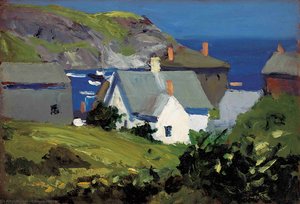
The composition itself is a study in restraint and suggestion. A woman, seated alone in a green aisle seat, dominates the foreground, her posture conveying a quiet contemplation that invites speculation about her thoughts and experiences. The surrounding chairs, arranged in neat rows, contribute to a sense of impersonal order, emphasizing her solitude within this public space. Hopper’s use of horizontal lines – the walls, the floor, the seats – creates a feeling of stillness, while subtle variations in tone and texture hint at the underlying complexity of the scene.
A Masterclass in Light and Shadow
Hopper's technical skill is evident in his precise rendering of light. The diffused illumination emanating from the unseen stage casts soft shadows that subtly define the forms, creating a sense of depth without resorting to dramatic contrasts. This delicate handling of light isn’t merely aesthetic; it serves to heighten the painting’s emotional impact, suggesting both vulnerability and resilience. Notice how the light catches the woman's dress, highlighting her form while simultaneously obscuring details, adding to the air of mystery surrounding her.
The color palette—predominantly muted greens, grays, and blacks—further reinforces the painting’s somber mood. The subtle shifts in tone within these hues create a sense of visual richness, preventing the scene from feeling flat or lifeless. Hopper's choice of colors is deliberate, evoking the atmosphere of a late-night theater lobby – a space often associated with anticipation, reflection, and perhaps even a touch of melancholy.
Symbolism and the Poetics of Modern Life
Intermission resonates deeply because it taps into universal themes of loneliness, isolation, and the passage of time. The woman’s solitary presence in the theater lobby speaks to the human condition—the feeling of being present yet detached, observing life from a distance. The clock visible in the background subtly reinforces this sense of temporal awareness, reminding us that time continues to move forward even as we remain suspended in these moments of quiet contemplation.
Hopper’s work is often interpreted as a reflection on the alienation and anonymity of modern urban life. The theater itself can be seen as a metaphor for the human drama—a stage upon which we all play our roles, often feeling like solitary figures amidst a vast audience. The painting's enduring appeal lies in its ability to capture these complex emotions with remarkable subtlety and grace.
A Legacy of Quiet Observation
Intermission stands as a testament to Edward Hopper’s extraordinary talent for capturing the essence of American life—its beauty, its loneliness, and its quiet moments of introspection. Painted in his later years, it represents a culmination of his artistic vision, demonstrating his mastery of light, composition, and symbolism. Reproductions of this iconic work continue to captivate viewers, inviting us to pause, reflect, and contemplate the universal themes that resonate within its carefully constructed scene.
Otázky a odpovede
Ako sa téma diela „Intermission“ vzťahuje k bežným témam umelca Edward Hopper?
„Intermission“ zachytáva waiting room, isolation, theater, loneliness, diner, mid-century, hopper, zatiaľ čo v tvorbe umelca Edward Hopper sa pravidelne objavujú témy ako hopper’s realism, urban isolation, american life, mid-century themes, theater, cinema, performance spaces, solitude. Porovnanie týchto dvoch aspektov ukazuje, ako toto dielo nadväzuje na bežné motívy tohto umelca.
K ktorému umelcovi sa pripisuje dielo "Intermission"?
Dielo „Intermission“ sa pripisuje autorovi Edward Hopper.
Aký pocit vyvoláva „Intermission“ od Edward Hopper?
„Intermission“ od Edward Hopper vyvoláva Melancholic pocit v rámci celkového Calm nálady.
Rýchle fakty a umelecký kvíz
O umelcovite Edward Hopper

Edward Hopper
1882 - 1967, USA
Biografia umelca
Tichá vzácnosť americkej scény
Edward Hopper sa narodil v Upper Nyack v Spojených štátoch Ameriky. Svoje rané roky strávil pozorovaním sveta s nehybným pohľadom, čo bol zvyk, ktorý začal už v detstve pri dôsledne datovaných a podpísaných kresbách. Hoci jeho rodičia navrhovali pragmatickú cestu v oblasti komerčnej ilustrácie, jeho srdce zostalo pri vysokom umení. Študoval na New York School of Art pod vedením William Merritt Chase a Robert Henri. Tieto roky mu viedli technické zručnosti potrebné na to, aby dokázal vykresliť svet bez obalov a s úprimnosťou. Nepreťukal sa prchavými ťahmi pędzla impresionistov, ktorých stretol v Paríži. Namiesto toho si vypracoval spôsob vnímania, ktorý uprednostňoval tichinu okamihu pred pohybom davu.
Jeho tvorba sa často sústredí na to všedné. Pozeral sa na domy, reštaurácie, kancelárie a hotelové izby. Odstraňoval nadbytočné detaily, aby odhalil hlbšiu emocionálnu pravdu danej scény. V diele House by the Railroad (1925) odhaluje jednoduchá kompozícia pocit tajomna a izolácie. Svetlo a tieň nepoužíval len na to, aby opísal miestnosť, ale aby vytvoril atmosféru. Precízne vykreslenie tieňa na stene alebo spôsob, akým svetlo dopadá na okno, sa stalo jeho spôsobom, ako komunikoval psychologický stav svojich subjektov.
Svetlo a urbánny interiér
Spôsob, akým svetlo vstupuje do priestoru, je v jeho maľbách hlavným hrdinom. V obraze Nighthawks (1942) ostré fluorescenčné svetlo nočnej reštaurácie rozrezáva tmu opustenenej urbánnej ulice. Postavy vnútri sú fyzicky blízko, no zdajú sa byť stratené vo vlastných myšlienkach, odpojené od seba navzájdem. Tento pocit anonymity v preplnene veľkomeste sa stal opakovanej témou. Zachytil napätie z toho, byť samým v verejnom priestore, pocit, ktorý rezonuje v prácach ako Automat a Office in a Small City. Zauímala ho interakcia umelého svetla s prirodzenou temnotou noci.
Jeho manželka, Josephine Nivison Hopper, bola jeho stálym sprievodníkom. Bola spoluajstičkou a často slúžila ako jeho modelka. Jej prítomnosť je cítiť v charakterizácii mnohých jeho ženských postav. Spolu žili skromný život a často trávili letá v Novom Anglicku, čo ovplyvnilo krajiny, ktoré maloval. Jeho zobrazenia americkej krajiny, či už vidiemskej alebo urbánnej, často zdôrazňujú určitú surovosť alebo prázdnotu. Či už ide o benzínku pri ceste v obraze Gas (1940) alebo o tichú izbu v hoteli, predmetom je vždy bod stretu fyzického miesta a súkromného, vnútorného zážitku.
Odkaz pozorovania
Hopperov vplyv sa rozlieha až do vizuálneho jazyka filmu a literatúry. Jeho schopnosť vytvárať pocit psychologického napätia prostredníctvom kompozície si všimli mnohí, ktorí študujú spôsob, akým sa príbehy vyprávajú prostredníctvom obrazov. Jeho obrazy zostávajú v významných múzeách po celom svete, v zbirkách ako je Whitney Museum of American Art a Museum of Fine Arts v Bostone. Nepredpokladal veľkolepá historické naratívy. Svoje témy nachádzal v tichých kútach každodenného života a menil jednoduché okno alebo náhodného cudzinca na štúdiu ľudskej kondície. Jeho tvorba zostáva štúdiou ticha, ktoré existuje medzi ľuďmi.
Rýchle fakty o umelcovi Edward Hopper
- Artistic Movement Or Style: Americký realizmus
- Artists Or Movements Influenced By This Artist: ['Pierre Sanford Ross']
- Artists Who Influenced This Artist:
- William Merritt Chase
- Robert Henri
- Edgar Degas
- Édouard Manet
- Date Of Birth: 1931
- Date Of Death: 1967
- Full Name: Edward Hopper
- Nationality: Američan
- Notable Artworks:
- Nighthawks
- Gas
- House by the Railroad
- Automat
- Office in a Small City
- Summertime
- Place Of Birth: Upper Nyack, Spojené štáty Ameriky
Preskúmajte umelecká diela usporiadané podľa tém, štýlov a charakteristík.




Edward Hopper
Intermission
() ·
Včetně rámov: ·
Celkom