Náhľad v interiéri
 Odoslať ako digitálnu kartu
 Zdieľať
 Podrobnosti o dielo
 Príručka

 Stiahnuť obraz
 Podobné položky
 RTG skúška
 Prehliadanie diapozoje
 Otázky a odpovede
 Štatistiky
Triptych


Experience the vibrant Early Renaissance depth of Lippi's Triptych, featuring Madonna and Child scenes with meticulous detail; discover this masterpiece today.
 Zobraziť viac
Filippo Lippi (1406-1469): Florenčan, majster renesančnej maľby s lyrickými Madonňami a inovatívnymi kompozíciami. Vplyv na Botticelliho a formovanie Quattrocento umenia.
Giclée / Umenotlač
Giclée tlač alebo plátno múzeálnej kvality s rýchlou výrobou a rôznymi možnosťami povrchovej úpravy. ( Kúpiť ručne maľovaný obraz Prepnúť na digitálny obraz)




P118B €10

P118H €10

P118W €10

P438Z €10

P508JH €12

P508YH €12

P805H €10

P805Z €10

P919BZ €10

P919G €10

P919XJ €10

P959ZH €10

P968JZ €12

W106C €8

W218G €10

W218JH €8

W218Y €10

W307PJ €10

W316G €10

W316PJ €8

W316Y €10

W398PJ €8

W4111J €10

W500HY €15

W500JH €15

W692G €12

W849H €8

W940BG €15

W953PJ €8




Štandardné
na mieru
CM
INCH
Vyberte si z našich preddefinovaných rozmerov, ktoré zodpovedajú pôvodným pomeroḿ diela.
Loading sizes...

šírka
výška
Zadajte šírku a výšku, ktoré potrebujete, aby sa reprodukcia hodila k vášmu rámu alebo stene. Print možno len orezávať, nikdy však nemennú veľkosť zvětšiť oproti pôvodnému obrázku, preto pri inom formáte stráca časť obrazu. Pred samotným vytlačiacím procesom vám pošleme digitálny náhľad na schválenie. Obrázok zobrazený na tejto stránke nezobrazuje reálny rez — len digitálny náhľad ukazuje presný výsledok.
Celosvetová doprava () do 2 týždňov namiesto štandardných 4 až 5 týždňov. (6 november)

Bezplatná expresná doprava po celom svete

Vysokokvalitné lnianske plátno

Kompletné poistenie prepravy

Záruka vrátenia colného poplatku

Záruka presného farebného zhodnutia

100-dená politika vrátenia tovaru (iba pri vadách)

100% záruka vrátenia peňazí

Zľava pri väčšom množstve
 Možnosť skla je dostupná len pri rozmeroch pod 110 cm

Triptych
Giclée / Umenotlač
Veľkosť reprodukcie
-


Celková cena
€ 62
A Vision in Tempera: Exploring Fra Filippo Lippi's Triptych
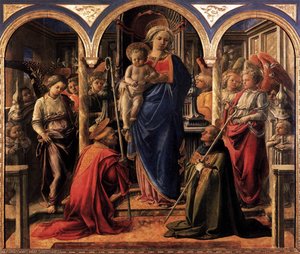
To stand before a work like this Triptych by Fra Filippo Lippi is to step directly into the luminous heart of the Early Renaissance. Dating from 1437, this piece transcends mere decoration; it is a profound meditation on faith, humanity, and divine mystery, rendered with an exquisite delicacy that speaks volumes of its creator's genius. The very structure—the three distinct yet harmoniously connected panels—invites the viewer into a narrative journey, guiding the eye from one sacred moment to the next.
Lippi, a master whose life was as complex as his art, captured the burgeoning spirit of humanism within deeply religious iconography. His ability to imbue monumental subjects with such palpable tenderness is what makes this triptych so enduringly captivating. The meticulous application of tempera paint allows for a jewel-like vibrancy in the colors, while the underlying structure speaks to an emerging mastery of perspective, giving weight and believable depth to every figure.
Composition and Sacred Narrative
The genius of the composition lies in its tripartite division, each panel serving as a self-contained yet related devotional scene. In the central focus, we encounter the Madonna and Child, a timeless tableau where Mary’s serene blue cloak speaks of purity, cradling the vibrant life symbolized by the infant Jesus robed in red. Flanking this core mystery are supporting figures—on the left, perhaps a bishop or cardinal holding scripture, grounding the scene in scholarly tradition; and on the right, another saintly figure contemplating sacred texts.
The architectural elements visible in the background, reminiscent of grand Gothic cathedrals, serve not only as setting but as symbolic anchors to the enduring Church. These scenes are richly framed by elaborate gold borders, which do more than simply adorn; they elevate the depicted moments to an almost ethereal plane of opulence and sanctity.
Technique and Material Brilliance
The choice of tempera medium is crucial to appreciating this artwork's technical brilliance. This egg-based paint allowed Lippi unparalleled control, enabling him to achieve those breathtakingly fine details—the folds in the drapery, the delicate rendering of halos, the subtle expressions on the faces.
When considering a reproduction of such a piece for your home or collection, understanding this technique is key. The luminosity achieved by tempera is unlike oil paint; it possesses a matte, jewel-toned richness that speaks to centuries of careful craftsmanship. It is a testament to the artist's hand, where every brushstroke feels deliberate and imbued with purpose.
Symbolism and Emotional Resonance
Beyond the narrative, the triptych pulses with deep symbolism. The interplay between the rich blues, the passionate reds, and the solemn greens creates a visual vocabulary of divinity, humanity, and sacrifice. It is an artwork that does not merely depict holiness; it evokes the *feeling* of reverence. For the modern collector or designer, this piece offers more than just aesthetic beauty; it offers a focal point for contemplation—a quiet corner imbued with historical weight and spiritual depth.
To bring such a masterpiece into your space is to invite a dialogue between Renaissance artistry and contemporary life. It suggests an appreciation for enduring narratives, meticulous skill, and the profound beauty found at the intersection of art and faith.
Otázky a odpovede
Môžem si "Triptych" pozrieť podrobnejšie?
Stránka RTG skenovanie diela „Triptych“ od Filippo Lippi predstavuje interaktívny prehliadač, ktorý vám umožňuje prechádzať jedenástimi optickými vrstvami obrazu, vrátane pohľadu v štýle RTG snímky.
Do ktorého obdobia tvorby Filippo Lippi patrí dielo „Triptych“?
Dielo „Triptych“ pochádza z obdobia Early Renaissance v tvorbe umelca Filippo Lippi. Táto klasifikácia spája toto dielo s vývojom umeleckej dráhy autora.
Hacia ktorej farbe sa naklonilo dielo "Triptych"?
Dominantným odtieňom diela „Triptych“ od Filippo Lippi je Golden Yellow Range. Tento odtieň predstavuje základný tón palety.
Biografia umelca
Filippo Lippi: Život a Diáloň Osvietenia
Filippo di Tommaso Lippi, známy ako Fra Filippo Lippi, bol postava dvojaká – oslavovaný umelec s geniálnym talentom a človek spletený do škál skandálov a nekonvenčných rozhodnutí. Narodil sa v roku 1406 v Florencii, potomku mäsiara, a jeho rané roky boli poznačené stratou – ako dvďaťročný bol sietiach osudov zbavený rodičov a ponechaný na starosť svojej príbuznej. Tento osud ho zaviedol do kláštoru karmelitánov v Florencii, cesta, ktorá formovala nielen jeho umelecké dianie, ale aj definovala komplexnosť jeho osobnosti. V týchto uzavretých priestoroch začal mladý Filippo svoju vzdelanost’ a zároveň objavil svoju vášeň pre maľbu. Vplyv tohto prostredia je zjavný v mnohom z jeho diela – jemná rovnováha medzi duchovnou oddanosťou a rastúcim humanizmom.Od Svätej Sväznosti k Umeleckej Inovácii
Lippiový vstup do karmelitánskeho rádu v roku 1420 nebol len výsledkom okolností, ale zdá sa, že rozkindol v ňom vášnivú umeleckú túžbu. Svätecky sa zaviazal a bol vysvätený ako kňaz okolo roku 1425, kde žil v kláštore až do roku 1432. V tomto období opisuje historik umenia Giorgio Vasari, že Lippi bol fascinovaný Masacciho revolučnými freskami v kaplnke Brancacci – stretnutie, ktoré sa ukázalo ako kľúčové. Vplyv Masacciho naturalizmu a inovatívneho použitia svetla je jasne viditeľný v Lippiho skorých dielach, ako napríklad *Tarquinia Madonna*, kde sa objavuje nová realistička tendencia. Avšak Lippi nebol len imitátorom; rýchlo si vyvinul vlastný jedinečný štýl, charakterizovaný lyrickou gráciou, jemnými farbami a subtílnej emocionálnou hĺbkou, ktorá ho odlišovala od svojich súčasníkov. Začal vnášať do náboženských scén pocit intímity a ľudského spojenia, vzdialením sa od formálnejšieho formátu predošlého umeleckého diela.Maestro Kompozície a Kontroverzie
Lippiovo umelecké dielo prosperovalo v Florencii, kde získal povolenia na maľovanie pre prominentné rodiny ako Medici. Dielo ako *Anunciácia a Sedem svätých* demonštruje jeho schopnosť vytvárať komplexné kompozície plné symbolického významu a elegantného detailu. *Koronácia Panny Márie*, dokončená v roku 1441 pre sestry Sant'Ambrogio, je osobitne hodnotná; obsahuje polovičný portrét Lippiho samého – odvážne vyhlásenie umeleckej identity v náboženskom kontexte. Avšak jeho život nebol pokojný. Často sa ocitol zapletený do finančných ťažkostí, právnych sporov a obvinení z falšovania. Najvýraznejšia udalosť bola jeho unesenie Lucrezie Buti, novicičky z Prata, s ktorou sa neskôr zaviazal po rokoch kontroverzie a škandálu. Tento čin, hoci šokujúci pre svoju dobu, hovorí o Lippiho rebélie a ochote podriadiť osobné šťastie spoločenským normám.Dedičin a Vplyv
Napriek turbulenciám svojho života zanechal Filippo Lippi nepopierateľný odkaz v renesančnom umení. Bol si veľmi žiadaným maliarom a jeho dielňa sa stala útočiskom pre budúce majstrov. Medzi jeho najvýznamnejších učníkov patrli Sandro Botticelli a Francesco di Pesello (Pesellino), ktorí obaja dosiahli významný uznanie v ich vlastných dielach. Vplyv Lippiho je viditeľný v lyrickej kráse a emocionálnej vyjadrenosti, ktorá charakterizuje mnoho florentských diel z neskorého štvrťroka 15. storočia. Spojil ranorenesančný naturalizmus Masacciho s elegantnejším estetickým idealom, čím otváral cestu novej generácii umelcov na skúmanie možností ľudského tela a duše. Jeho schopnosť spojiť náboženskú zbožnosť s svetským realizmom, spolu s inovatívnymi kompozíciami a nádhernou technikou, zabezpečil mu miesto medzi najdôležitejšími a fascinujúcimi postavami talianskych renesančných umelcov. Umieral v Spoleto v roku 1469 a zanechal po sebe dedičstvo, ktoré dodnes inšpiruje úžas a obdiv. Jeho dielo je dôkazom síl ľudovej kreativity a trvalej pútavosti krásy.Vplyv na ďalších umelcov
Lippiový vplyv sa prejavil v mnohých dielach, ktoré vytvorili jeho žiaci. Botticelliho *Svetlúca pani* (La Nascita di Venere) a Pesellinoho *Zákoník svätého Jána Nepoškvrbeného* sú jasnými dôkazmi Lippiho vplyvu na ich tvorbu. Jeho schopnosť kombinovať náboženský význam s humanitným prístupom, spolu s jeho inovatívnymi kompozíciami a nádhernou technikou, zabezpečil mu miesto medzi najdôležitejšími a fascinujúcimi postavami talianskych renesančných umelcov.Kľúčové diela
* *Tarquinia Madonna* (1432-1438) * *Anunciácia a Sedem svätých* (1438-1441) * *Koronácia Panny Márie* (1441) * *Pietá* (1450s) * *Život Jána Krstiteľa* (1460s)
Filippo Lippi
1406 - 1469 , Taliansko
Základné informácie
- Artistic Movement Or Style: Renesančný
- Artists Or Movements Influenced By This Artist: ['Botticelli']
- Artists Who Influenced This Artist: ['Masaccio']
- Date Of Birth: 1406
- Date Of Death: 1469
- Full Name: Filippo di Tommaso Lippi
- Nationality: Talian
- Notable Artworks:
- Tarquinia Madonna
- Annunciazione
- Coronazione Vergine
- Place Of Birth: Florencia, Taliansko
Súvisiace články

Divine Love: A Curated Guide to the Most Iconic Madonna and Child Masterpieces in Art History
Embark on a sophisticated journey through art history with our curated guide to the most iconic Madonna and Child masterpieces. Discover the profound beauty, theological depth, and enduring legacy of these sacred Renaissance treasures.

Filippino Lippi: Renaissance Innovation Bridging Faith & Humanism
Explore the captivating world of Filippino Lippi, a Renaissance master bridging faith & humanism through innovative art. Discover his key works, influences, and lasting legacy with TopImpressionists.

Fra Angelico: Top 25 Majstrovských Diel pre Krásu a Duchovnosť | TopImpressionists.com
Objavte top 25 majstrovských diel Fra Angelica – renesančných fresiek a panelových malieb plných duchovnosti. Prežite príbehy umenia, techniky a farieb. Kvalitné reprodukcie obrazov na TopImpressionists.com! Preskúmajte celú kolekciu online.

Raphaelove majstrovské diela: Top 25 obrazov pre váš domov | TopImpressionists.sk
Objavte top 25 majstrovských diel Raffaela Sanzia! Pútavé príbehy, renesančné umenie a techniky slávnych obrazov. Reprodukcie pre luxusný interiér na TopImpressionists.sk. Preskúmajte kolekciu online!

Filippo Lippi: Bridging Renaissance Devotion & Artistic Innovation
Explore the life & revolutionary art of Filippo Lippi, a pivotal Renaissance painter. Discover his masterpieces, influence on Botticelli, and investment potential. Expert analysis at TopImpressionists.
Preskúmajte umelecká diela usporiadané podľa tém, štýlov a charakteristík.