

 Náhľad v interiéri
 Odoslať ako digitálnu kartu
 Zdieľať
 Podrobnosti o dielo
 Príručka

 Stiahnuť obraz
 Podobné položky
 RTG skúška
 Prehliadanie diapozoje
 Q&A
Q&A Štatistiky
The Martigues

- 36.0 x 46.0 cm


A serene harbor scene blending Impressionism and Dadaism, this 1904 oil painting by Francis Picabia captures a tranquil blue and white seascape that invites you to bring a piece of art history into your home.
 Zobraziť viac
Francis Picabia (1879-1953): Francúzsky avantgárdový umelec, známy svojimi kubistickými, dadaistickými a surrealistickými prácami. Provokačný umelec, ktorý sa neustále menil a skúšal nové veci.
Giclée / Umenotlač
Giclée tlač alebo plátno múzeálnej kvality s rýchlou výrobou a rôznymi možnosťami povrchovej úpravy. ( Kúpiť ručne maľovaný obraz Prepnúť na digitálny obraz)




P118B €10

P118H €10

P118W €10

P438Z €10

P508JH €12

P508YH €12

P805H €10

P805Z €10

P919BZ €10

P919G €10

P919XJ €10

P959ZH €10

P968JZ €12

W106C €8

W218G €10

W218JH €8

W218Y €10

W307PJ €10

W316G €10

W316PJ €8

W316Y €10

W398PJ €8

W4111J €10

W500HY €15

W500JH €15

W692G €12

W849H €8

W940BG €15

W953PJ €8




Štandardné
na mieru
CM
INCH
Vyberte si z našich preddefinovaných rozmerov, ktoré zodpovedajú pôvodným pomeroḿ diela.
Loading sizes...

šírka
výška
Zadajte šírku a výšku, ktoré potrebujete, aby sa reprodukcia hodila k vášmu rámu alebo stene. Print možno len orezávať, nikdy však nemennú veľkosť zvětšiť oproti pôvodnému obrázku, preto pri inom formáte stráca časť obrazu. Pred samotným vytlačiacím procesom vám pošleme digitálny náhľad na schválenie. Obrázok zobrazený na tejto stránke nezobrazuje reálny rez — len digitálny náhľad ukazuje presný výsledok.
Celosvetová doprava () do 2 týždňov namiesto štandardných 4 až 5 týždňov. (31 október)

Bezplatná expresná doprava po celom svete

Vysokokvalitné lnianske plátno

Kompletné poistenie prepravy

Záruka vrátenia colného poplatku

Záruka presného farebného zhodnutia

100-dená politika vrátenia tovaru (iba pri vadách)

100% záruka vrátenia peňazí

Zľava pri väčšom množstve
 Možnosť skla je dostupná len pri rozmeroch pod 110 cm

The Martigues
Giclée / Umenotlač
Veľkosť reprodukcie
-


Celková cena
€ 61
A Serene Voyage Through Light and Color
In the quietude of 1904, a young Francis Picabia captured a moment of profound stillness in his masterpiece, The Martigues. This evocative oil on canvas invites the viewer into a tranquil harbor scene, where the boundaries between water, sky, and shore seem to dissolve into a dreamlike haze. The composition is anchored by a large sailing vessel that rests upon the calm expanse of the sea, its presence balanced by the solitary figure of a man standing near a boat in the foreground. This human element provides a poignant sense of scale and a touch of narrative intimacy, suggesting a moment of quiet contemplation amidst the vastness of the coastal landscape. As the eye wanders toward the horizon, the soft silhouettes of trees and distant buildings emerge, lending a gentle depth to the scene that draws the observer deeper into this maritime sanctuary.
The technical brilliance of The Martigues lies in Picabia’s masterful ability to weave together the disparate threads of late 19th-century innovation. At first glance, the painting breathes with the luminous energy of Impressionism, utilizing a palette dominated by soothing blues and crisp whites to evoke the cool, refreshing atmosphere of a coastal morning. Yet, beneath this surface lies a more complex structural approach; the artist employs short, broken brushstrokes reminiscent of Pointillism, creating a textured, tactile surface that dances with light. Subtle hints of yellow-gold on the ship's rigging provide a warm, rhythmic contrast to the cool tones, while delicate traces of green in the vegetation add organic vitality. This experimental fusion of styles showcases an artist on the precipice of a revolution, blending the sensory delights of light and color with a burgeoning interest in more structured, modern forms.
The Dawn of an Avant-Garde Spirit
To behold The Martigues is to witness the early tremors of a cultural earthquake. While Picabia would later become a central provocateur of the Dada movement—a movement defined by its rejection of traditional aesthetics and its embrace of the absurd—this particular work captures him in a more lyrical, transitional phase. It serves as a beautiful bridge between the representational traditions of the past and the radical experimentation of the 20th century. The painting does not merely depict a harbor; it symbolizes the spirit of exploration and the fluidity of identity. The sailing ship, poised for movement yet resting in stillness, acts as a metaphor for the artist’s own restless journey through Cubism, Surrealism, and Dadaism.
For the discerning collector or interior designer, this reproduction offers more than just visual elegance; it provides a window into the soul of modern art history. The soft, diffused lighting and the absence of harsh shadows create an atmosphere of peace that is ideal for creating a sophisticated, calming sanctuary within a home or gallery space. Whether placed in a sunlit study or a contemporary living area, The Martelligues brings with it a sense of historical weight and artistic prestige. Owning a high-quality, hand-painted reproduction allows one to inhabit the same world of light and texture that Picabia inhabited over a century ago, making the profound legacy of the French avant-garde a tangible part of your personal environment.
Otázky a odpovede
Z akého historického obdobia pochádza „The Martigues“ od Francis Picabia?
Dielo „The Martigues“ od Francis Picabia pochádza z obdobia Modern. Toto obdobie poskytuje historický kontext diela.
Akú náladu by dielo "The Martigues" prinieslo do priestoru?
Dielo „The Martigues“ od Francis Picabia má Serene atmosféru a odporúča sa do Hotel Room. Nálada predstavuje to, čo toto dielo vnáša do prostredia okolo neho.
Z ktorého krajiny pochádza dielo v štýle Dadaism s názvom „The Martigues“?
Dielo „The Martigues“ vytvoril/a Francis Picabia, ktorý/á sa narodil/a v krajine Francúzsko, v rámci smeru Dadaism. Pôvod umelca spája toto dielo s movementom Dadaism, ako ho v krajine Francúzsko praktikujú tamojší umelci.


Biografia umelca
Francis Picabia: Život a Umelá Revolúcia
Francis Picabia, meno spojené s neustályou duchovou energiou raného 20. storočia, bol oveľa viac ako len malíř; bol provokatér, básnik, typograf a neotrasiteľný skúmač umeleckých hraníc. Narodil sa v Paríži v roku 1879, jeho matka bola Francúzka a otec kubánsky diplomat, čo zanechalo hlboký odtlač na jeho život. Jeho detstvo bolo poznačené tragédiou – strata matky z dôvodu tuberkulózy už v päť rokoch –, no zároveň ho podporoval otec, ktorý mu venoval podporu a povzbudzoval talent. Získanie rozsiahleho majetku umožnilo Picabiemu plne sa venovať umeniu, čo mu poskytlo slobodu experimentovať a zpochybňovať etablované normy bez obmedzení. On nebol len zaujímal o to, *ako* vyzerá umenie; spochybňoval jeho vlastný účel a význam. Jeho život bol plný prejavov kreativity, ale aj skepse a neustáleho hľadania nových smerov.Od Impressionizmu k Kubistickej Revolúcii
Picabieho prvé kroky v umení boli zakorenené v platných štýloch doby – najmä impresionizme. Mal parížske krajinky a riebkovia s technickou zručnosťou, ktorá však nevedela prekrižiť jeho pocit nespokojnosti. Kritici ho považovali za derivatívneho, chybného originality, čo viedlo k zásadnej zmene. Táto nespokojnosť ho pohltila hľadaním nových vyjadrovacích prostriedkov, čo ho priviedlo k revolučným ideám bubňujúcim v kubistickom hnutí okolo roku 1909. Príslušnosť k Puteaux Group – kolektívu, ktorý zahŕňal Marcela Duchampa a Guillaumea Apolliniera – bola zásadná. Ponoril sa do deštruktívneho rozoberania tvarov, fragmentácie perspektívy a skúmania geometrickej abstrakcie. Táto éra priniesla výrazný posun v jeho estetike, od zamerania na reprezentáciu k viac konceptuálnemu prístupu. Jeho plátna začali pulzovať novou energiou, odrážajúc intelektuálne napätie doby.Dada a Provokácia: Stroje, Satira a Odmietanie Rozumu
Rozruch Prvej svetovej vojny slúžil ako katalyzátor Picabieho najradikálnejšej fázy – jeho prijatia za Dadaizmus. Znechucením z bezdôvodného násilia a spoločenského pokrytectva, ktoré sledoval, odmietol rozum, logiku a tradičné umelecké hodnoty. Presun do New Yorku v roku 1915 ho umiestnil do srdca vznikajúceho amerického Dada hnutia po boku Duchampa a Man Raya. Prisľnila sa mu jeho jedinečná dadaistická podoba vyjadrenia. Začal vytvárať sériu „strožných kresieb“, zobrazujúcach fantastické mechanické stroje – často nabité sexuálnymi podtónmi – ktoré slúžili ako kritika moderného spoločnostiho obsedenia s technológiou a priemyslom. Tieto diela neboli len reprezentáciami strojov; boli alegóriami síl, ktoré ovplyvňovali svet okolo neho. Jeho satirický humor v kombinácii s mistrovstvom v líniách a tvaroch zrobili tieto kresby zvlášť účinnými. Publikoval *The Little Review*, Dadaistické časopis, ktorý ďalej šíril jeho provokačné myšlienky a zpochybňoval etablované umelecké normy. Universal Prostitution, komplexné dielo vytvorené v tomto období, ilustruje jeho ochotu konfrontovať tabuované témy a rozobrať spoločenské očakávania.Posuvný Kaleidoskop: Surrealizmus a Ďalšie
Picabieho umelecká cesta bola charakterizovaná neustálym vývojom a odmietnutím byť kategorizovaný. Hoci bol hlboko zapojený do Dadaizmu, krátko flirtoval s Surrealizmom v 20. rokoch, skúmal sféru snov a podvedomia. Avšak aj toto spojenectvo sa ukázalo ako dočasné. Čoskoro sa rozčúlil z toho, čo považoval za dogmatické vedenie surrealistického hnutia, preferujúc si udržiavať svoju nezávislosť a pokračovať v skúmaní vlastnej cesty. V neskoršej časti svojho života Picabia pokračoval v experimentovaní s rôznymi štýlmi a technikami, pričom integroval prvky figurácie, abstrakcie a dokonca priezračnosti do svojich diel. Jeho neskoršie maľby často zobrazovali biomorfné tvary a živú paletu farieb, odrážajúc obnovený záujem o organické tvary a zmyslové textúry. Zostal neustále inovatívny až do svojej smrti v roku 1953, nechávajúc za sebou dielo, ktoré stále vyzýva a inspiruje umelcov dnes.Dielka a Dôležitosť
Francis Picabiaho vplyv na moderné umenie je nepopierateľný. Jeho neustály experimentovanie, jeho odmietanie konvencií a jeho ochota prijímať protikladnosť položili základy pre generácie umelcov, ktoré nasledovali. Bol skutočným pionierom umeleckej slobody, demonštrovaním, že umenie môže byť čokoľvek – politickým vyhlásením, filozofickou sondou, osobné vyjadrenie alebo jednoducho hravé skúmanie tvarov a farieb. Jeho diela predvídali mnohé kľúčové vývojové trendy v 20. storočí umenia, od Pop Art po konceptuálne umenie. Zpochybňoval samotnú definíciu toho, čo predstavuje „umenie“, nútič divákov spochybniť svoje vlastné predpoklady a očakávania. Dnes sú Picabieho maľby oslavované pre svoju intelektuálnu vážnosť, vizuálnu dynamiku a trvalú relevanciu. Jeho dedičstvo nespočíva len v jeho jednotlivých majstrovských dielach, ale aj v neochabotnosti smerom k umeleckej inovácii a v odmietnutí byť viazaný na obmedzenia tradície.
Francis Picabia
1879 - 1953 , Francúzsko
Základné informácie
- Artistic Movement Or Style: Kubizmus, Dada, Surrealizmus
- Artists Or Movements Influenced By This Artist:
- Picabia
- Surrealizmus
- Artists Who Influenced This Artist:
- Pissarro
- Duchamp
- Date Of Birth: 22.1.1879
- Date Of Death: 30.11.1953
- Full Name: Francis-Marie Martinez Picabia
- Nationality: Francúzsky
- Notable Artworks:
- Amorous Parade
- Caoutchouc
- Place Of Birth: Paríž, Francúzsko
Súvisiace články

Top 10 slávnych obrazov v odtieňoch sivomodrej: Umění pre váš domov s TopImpressionists
Objavte top 10 slávnych obrazov v odtieňoch sivomodrej! Preskúmajte príbehy Van Gogha, Moneta a ďalších majstrov. Reprodukcie obrazov pre váš domov s TopImpressionists – umenie online.

Pierre-Auguste Renoir: Top 25 diel pre milovníkov umenia a dokonalý domov | TopImpressionists
Ponorte sa do sveta Pierra-Augusta Renoira! Objavte 25 ikonických obrazov impresionizmu, ich príbehy a techniky. Reprodukcie diel Renoira pre váš domov na TopImpressionists.com – múzejná kvalita a inšpirácia pre interiér.
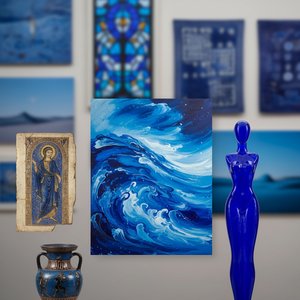
The Allure of Azure: Exploring the Symbolic & Aesthetic Depths of Blue in Art History
Explore the rich history of blue in art! Discover its symbolism, from ancient pigments to modern masterpieces by Kandinsky & Seurat. Uncover the psychological impact and cultural meanings behind this captivating hue.

Top 10 slávnych obrazov v odtieňoch bielej: Krása, história a dekor pre váš domov
Objavte top 10 slávnych obrazov v odtieňoch bielej – Monet, Renoir a ďalší majstri. História umenia, techniky a inšpirácia pre váš interiér. Reprodukcie obrazov najvyššej kvality na TopImpressionists.com.

Claude Monet: Top 25 Majstrovských Diel pre Váš Domov | TopImpressionists.sk
Ponorte sa do sveta Claude Moneta s TopImpressionists.sk! Objavte top 25 diel impresionistického majstra – od Vodných ľalií po Západ slnka. Reprodukcie obrazov pre váš domov a inšpirácia pre interiér. Preskúmajte plátna, farebné krajiny a ikonické motívy online.