


 Náhľad v interiéri
 Odoslať ako digitálnu kartu
 Zdieľať
 Podrobnosti o dielo
 Príručka

 Stiahnuť obraz
 Podobné položky
 RTG skúška
 Prehliadanie diapozoje
 Q&A
Q&A Štatistiky
Two Comanche Girls
 Oil On Canvas
- WallArt
- American Romanticism
 1834
1834- 19th Century
 74.0 x 61.0 cm
Capture the proud spirit of Two Comanche Girls with this evocative 1834 portrait by George Catlin; discover this historic American masterpiece today.
 Zobraziť viac
George Catlin, Catlin maľby, indiánske umenie, rančierske umenie, indiáni z planiny, 19. storocie umenie, západné maľovanie, pôvodné kultúry, americký západ
Giclée / Umenotlač
Giclée tlač alebo plátno múzeálnej kvality s rýchlou výrobou a rôznymi možnosťami povrchovej úpravy. ( Kúpiť ručne maľovaný obraz Prepnúť na digitálny obraz)




P118B €10

P118H €10

P118W €10

P438Z €10

P508JH €12

P508YH €12

P805H €10

P805Z €10

P919BZ €10

P919G €10

P919XJ €10

P959ZH €10

P968JZ €12

W106C €8

W218G €10

W218JH €8

W218Y €10

W307PJ €10

W316G €10

W316PJ €8

W316Y €10

W398PJ €8

W4111J €10

W500HY €15

W500JH €15

W692G €12

W849H €8

W940BG €15

W953PJ €8




Štandardné
na mieru
CM
INCH
Vyberte si z našich preddefinovaných rozmerov, ktoré zodpovedajú pôvodným pomeroḿ diela.
Loading sizes...

šírka
výška
Zadajte šírku a výšku, ktoré potrebujete, aby sa reprodukcia hodila k vášmu rámu alebo stene. Print možno len orezávať, nikdy však nemennú veľkosť zvětšiť oproti pôvodnému obrázku, preto pri inom formáte stráca časť obrazu. Pred samotným vytlačiacím procesom vám pošleme digitálny náhľad na schválenie. Obrázok zobrazený na tejto stránke nezobrazuje reálny rez — len digitálny náhľad ukazuje presný výsledok.
Celosvetová doprava () do 2 týždňov namiesto štandardných 4 až 5 týždňov. (30 október)

Bezplatná expresná doprava po celom svete

Vysokokvalitné lnianske plátno

Kompletné poistenie prepravy

Záruka vrátenia colného poplatku

Záruka presného farebného zhodnutia

100-dená politika vrátenia tovaru (iba pri vadách)

100% záruka vrátenia peňazí

Zľava pri väčšom množstve
 Možnosť skla je dostupná len pri rozmeroch pod 110 cm

Two Comanche Girls
Giclée / Umenotlač
Veľkosť reprodukcie
-


Celková cena
€ 61
A Glimpse into Vanishing Worlds: The Spirit of Two Comanche Girls
To stand before George Catlin's depiction of "Two Comanche Girls" is not merely to observe a painting; it is to step across the threshold of time, into a moment suspended between vibrant cultural life and inevitable change. Painted in 1834, this work transcends simple portraiture. It is a profound ethnographic document imbued with the dignity and resilience of a people whose way of life was rapidly transforming under the relentless march of history. The composition centers on two magnificent Comanche women, their presence commanding attention. Their gaze, directed outward toward the viewer, is not passive; it carries the weight of tradition, a palpable sense of pride, perhaps even defiance, that resonates across the centuries.
The Artistry and Technique of Catlin
George Catlin, an artist whose career spanned the volatile intersection of American expansion and indigenous cultures, employed a masterful technique to capture this scene. While the details suggest meticulous observation—the drape of the traditional garments reaching gracefully to their ankles, the careful rendering of every facial nuance—the overall effect is one of immediacy. His skill allowed him to document not just figures, but an entire ecosystem of culture. The inclusion of surrounding elements—a watchful child near the teepee, another figure on the periphery, and a loyal dog resting nearby—grounds the portrait in reality. These secondary subjects enrich the narrative, suggesting the rhythm of daily life around the central, powerful tableau.
Historical Resonance and Cultural Depth
The year 1834 places this painting at a critical juncture for Native American tribes. Catlin’s dedication to recording these cultures was both an artistic endeavor and, perhaps, a poignant act of preservation. The scene evokes the richness of life before overwhelming external pressures reshaped the landscape. Viewing it today allows us a privileged, if filtered, window into Comanche society—a world rich with ceremony, community, and deep connection to the land. It compels us to consider what we risk losing when history moves too quickly.
Symbolism and Emotional Echoes for the Modern Collector
For the contemporary collector or designer seeking art that speaks volumes without uttering a word, this piece offers immense emotional depth. The symbolism here is potent: it speaks of enduring spirit, maternal strength, and cultural continuity. When considering a high-quality reproduction of "Two Comanche Girls," one acquires more than just wall decor; one acquires a conversation starter, an object imbued with narrative weight. It serves as a powerful reminder to pause, to look closely, and to appreciate the beauty found in steadfast tradition.
Otázky a odpovede
Kde môžem nájsť sprievodnú stránku k dielu "Two Comanche Girls"?
Pre dielo „Two Comanche Girls“ od George Catlin je k dispozícii stránka Sprievodca študentom: tlačiteľný informačný list o umedení, navrhnutý pre študentov a využitie v triedach.
Akým mierou sú farby diela „Two Comanche Girls“ od George Catlin harmonické?
Farby diela „Two Comanche Girls“ od George Catlin vykazujú Strong Color Unity harmóniu. Harmónia popisuje vzájomný vzťah medzi farbami.
Ako sa dielo „Two Comanche Girls“ zapísalo do tém a štýlu umelca George Catlin?
Dielo „Two Comanche Girls“ zdieľa s ostatnými prácami umelca George Catlin jeho štýl v rámci smeru American Romanticism a zachytené témy: documenting vanishing native cultures, frontier life depiction, ethnographic study of tribes.
Biografia umelca
Early Life and the Call of the Frontier
George Catlin, narodený v Wilkes-Barre, Pensylvánia, v roku 1796, bol mužom určeným na to, aby stal mostom medzi svetmi – medzi zavedenou americkou spoločnosťou svojho času a rýchlo miznoucimi kultúrami indiánskych kmeňov. Jeho detstvo bolo hlboko zakorenené v príbehoch o frontejre, rozprávaných jeho matkou, Polly Sutton, ktorá sama zažila hrôzostrašné zajatie počas indiánskej náravy. Tieto príbehy zapálili v mladom Catlinovi fascináciu západom, krajinou vnímanou ako zároveň nebezpečnou a hlboko romantickou. Hoci bol na začiatok trénovaný ako právnik, zistil svoju pravú cestu nie v súde, ale v zachytávaní esencie miznúceho spôsobu života, ktorý sa obával, že zmizne. Opustil právnickú praxu po dvoch rokoch, pohánaný umeleckou inštinktívnou silou a rastúcim presvedčením, že tradície a vzhľad indiánskych kmeňov si zaslúžia podrobné dokumentovanie pre budúce generácie. Nebol to len estetický zvěd avost, ale pocit naliehavosti, predtuchy, že západný rozvoj neodmyslitelne zmení tieto kultúry. Jeho skoré diela zahŕňali gravíre zobrazujúce scény pod Erie Channelom, demonštrujúce jeho technické schopnosti a pozornosť k detailu – kvality, ktoré sa stali znakmi jeho neskoršieho, ambiciózneho projektu. Tieto počiatočné úsilia slúžili ako kritická základňa, posilňovali jeho pozorovaciu zručnosť a stanovovali jeho záväzok k vizuálnemu rozprávaniu príbehov.Dokumentovanie miznúceho sveta: Indiánska galéria
Catlinovo najvýznamnejšie dielo bolo bezpochyby vytvorenie “Indiánskej galérie”, úžasnej zbierky viac ako 500 maľieb venovaných zobrazovaniu života a kultúry indiánskych kmeňov. Začal v 30-tych rokoch 19. storočia päť rozsiahlych expedícií do amerického západu, cestoval po rieke Missouri a vydaľoval sa do oblastí osídlených kmeňmi ako Mandan, Sioux, Blackfeet a Choctaw. Nebol to len pozorovateľ; Catlin sa hlboko zapojil do týchto komún, zúčastnil sa obradov, sledoval dennú rutinu a naviazal vzťahy s vedúcimi kmeňmi. Jeho maľby sú známe svojou realistickosťou a živými farbami, zachytávajúce nielen fyzické podobnosti, ale aj pocit hrdosti a komplexity indiánskych kultúr. Napríklad Sham Fight, Mandan Boys je dynamická reprezentácia tradičného fašovacieho zápasu medzi mladími váhami Mandanského kmeňa, ktorá ukazuje atletickosť a spoločenstvo tohto kmeňa. Podobne jeho portrét Mó-sho-la-túb-bee, He Who Puts Out and Kills, Chief of the Tribe odhaľuje silného lídra s nerozbitným pohľadom, ktorý vyjadruje nielen autoritu, ale aj múdrosť. Catlinov štýl je charakterizovaný detailmi a často zahŕňa rozsiahle pozadí, ktoré poskytujú kontext pre jeho subjekty – krajiny, tipy, obradné predmety – všetko nakreslené s pozornosťou k presnosti. Snažil sa prezentovať indiánov nie ako stereotypných divokých ľudí, ale ako jednotlivcov s bohatými kultúrnymi tradíciami a komplexnými spoločenskými štruktúrami, čo vyzývalo proti rozšíreným predsudkom svojho času.Výzvy a uznanie: Život venovaný zachovávanému
Hoci dielo Indiánskej galérie malo umeleckú hodnotu a historický význam, Catlin čelil značným výzvam na získanie uznania a finančnej podpory pre svoje diela. Videl v tom cieľ, dať zbierku do správy USA, aby sa zachovala ako národné pokladisko, ale jeho prvotné návrhy boli opakované odmietnuté. Nevzdal sa však svojho sna a po cestách ho ukázal najprv v Londýne, potom v Paríži a Berlíne v 40-tych a 50-tych rokoch 19. storočia. Tieto európske výstavy získali značnú obdivujúcu rešpekt, uviedli publikum do sveta, ktorý bol predtým známy len prostredníctvom druhochádzajúcich informácií. Catlin tiež vydal niekoľko kníh, ktoré popisovali jeho cesty a pozorovania, vrátane Manners, Customs, and Condition of the North American Indians (1841) a Last Rambles Amongst the Indians of the Rocky Mountains and the Andes (1868), čo ďalej posilňovalo jeho reputáciu ako vedúceho odborníka na indiánsku kultúru. Napriek finančným ťažkostiam, ktoré ho trápili počas celého života, sa snažil o zisk svojich investícií a vytvoril tak viac ako 400 maľieb v menšej “cartoonovej zbierke”, ale ani tento úsilie neprinieslo značný finančný úspech. Táto doba bola charakterizovaná trvalou bojovosťou a bolestnou ironiou – muž venovaný zachovávanému kultúre čelil vlastnej bitke o prežitie.Dielo a historický význam
George Catlin zomrel v roku 1872, zanechal za sebou dedičstvo, ktoré sa dodnes rezonuje. Hoci jeho diela neboli plne ocenené počas jeho života, odtiaľto sú uznávané ako neoceniteľný historický záznam o indiánskom živote pred rozsiahlymi zmenami priniesanými západným rozvojom. Jeho maľby ponúkajú pohľad na kultúry, ktoré boli často neprezentované alebo ignorované v hlavných príbehoch. Prairie Meadows Burning s jej dramatickou reprezentáciou kontrolovaného pálenia a sprevádzajúceho jazdca zachytáva nielen krajinu, ale aj intímny vzťah medzi indiánmi a ich prostredím. Pipestone Quarry, Coteau Des Prairies ilustruje sväté miesto pre mnohé kmele a ich duchovný spájaciu silu s touto zemou. Catlinovo dielo je dôkazom jeho záväzku k zachovávanému životu a uznaniu významu ochrany kultúrnych dedíností.
George Catlin
1796 - 1872 , Spojené štáty americké
Základné informácie
- Artistic Movement Or Style: Frontier painting
- Artists Or Movements Influenced By This Artist: ['']
- Artists Who Influenced This Artist: ['']
- Date Of Birth: 1796
- Date Of Death: 1872
- Full Name: George Catlin
- Nationality: Amerikanec
- Notable Artworks:
- Sham Fight
- Prairie
- Pipestone
- Buffalo
- Eagle Dance
- Place Of Birth: Wilkes-Barre, USA
Súvisiace články

John George Brown: Capturing American Life & Sentiment in 19th-Century Genre Painting
Explore the captivating genre paintings of John George Brown, celebrated for his realistic depictions of 19th-century American life. Discover his legacy & find museum-quality reproductions at TopImpressionists.

Top 10 majstrovských diel amerického realizmu: Obrazy, ktoré zmenili umenie a dekoráciu
Ponorte sa do sveta amerického realizmu s 10 ikonickými obrazmi od Andrew Wyetha, Edwarda Hoppera a ďalších. Objavte príbehy umelcov, techniky a nadčasovú krásu realistickej maľby. Kvalitné reprodukcie pre váš interiér na TopImpressionists.com.

Georges Seurat: Top 25 Majstrovských Diel pre Váš Domov | TopImpressionists.com
Objavte top 25 diel Georges Seurata – majstra impresionizmu a pointilizmu. Prežite príbeh farieb, svetla a revolučného umenia s TopImpressionists.com. Reprodukcie obrazov pre váš domov. Preskúmajte celú kolekciu online!
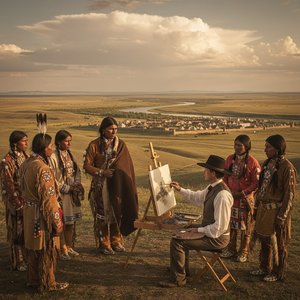
George Catlin: Witnessing & Representing Indigenous Life on the American Frontier
Explore the captivating art of George Catlin, renowned for his vivid portraits & landscapes documenting Native American life on the frontier. Discover a vanishing world through stunning paintings and historical context.

Georges Braque: Top 25 diel pre milovníkov umenia a luxusného interiéru
Ponorte sa do sveta Georges Braquea a jeho 25 ikonických diel! Objavte príbehy za kubistickými majstrovskými dielmi, impresionistické odtiene a revolučné techniky. Luxusné reprodukcie obrazov pre váš interiér na TopImpressionists.com.
Preskúmajte umelecká diela usporiadané podľa tém, štýlov a charakteristík.

