

Shown: · With its frame:
 Náhľad v interiéri
 Odoslať ako digitálnu kartu
 Zdieľať
 Podrobnosti o dielo
 Príručka

 Stiahnuť obraz
 Podobné položky
 RTG skúška
 Prehliadanie diapozoje
 Q&A
Q&A Štatistiky
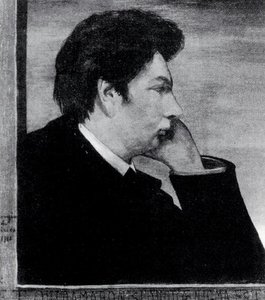
Self-portrait 7


€ 237
Ručne maľovaná olejová reprodukcia
Ručne maľovaný olej na plátne vo vašej zvolenej veľkosti a v ráme, vyrobený na mieru našimi umelcami. ( Prepnúť na tlač Prepnúť na digitálny obraz)
Toto dielo je chránené autorským právom
Umelecké dielo zobrazené na tejto stránke je chránené autorským zákonom, čo znamená, že nemôžeme legálne vytvárať ani predávať jeho identickú reprodukciu. Táto ochrana je vymáhaná na základe medzinárodných dohôd, ako napríklad Bernská konvencia a národnými zákonmi, vrátane tých, ktoré sú stanovené v Autorské právo USA – Title 17. Všetky práva vyhradené.
Ako rešpektujúca a legálna alternatíva ponúkame vlastné, ručne maľované diela inšpirované originálom. Naši skúsení a profesionálni umelci dôkladne študujú štýl, náladu a umelecký podnet originálu, aby vytvorili nové, jedinečné dielo, ktoré vyvoláva rovnaký pocit – pričom samo ostáva vlastným originálnym dielom.
Táto metóda plne dodržiava autorské práva, pretože nezahŕňa kopírovanie ani duplikovanie chráneného diela. Ide skôr o kreatívnu reinterpretáciu – nový obraz, ktorý je ovplybnený originálom, no nie je s ním identický.
 Zobraziť viac
Size
·Štandardné
na mieru
CM
INCH
Vyberte si z našich preddefinovaných rozmerov, ktoré zodpovedajú pôvodným pomeroḿ diela.
Loading sizes...

šírka
výška
Zadajte šírku a výšku, ktoré potrebujete, aby sa dielo hodilo k vášmu rámu alebo stene. Keďže ide o ručnú maľbu, pri rozmeroch s odlišným pomerom strán môže umelec namalovať o niečo viac okolo obrázka alebo ho mierne orezatú — výber patrí vám. Pred začatím maľovania vám pošleme digitálnu ukážku na schválenie. Obrázok zobrazený na tejto stránke nenahrádza reálny výsledok — ten zobrazuje iba digitálna ukážka.
Finish
·
White €1

Blurside €1

Extended €1

P118B €10

P118H €10

P118W €10

P438Z €10

P508JH €12

P508YH €12

P805H €10

P805Z €10

P919BZ €10

P919G €10

P919XJ €10

P959ZH €10

P968JZ €12

W106C €8

W218G €10

W218JH €8

W218Y €10

W307PJ €10

W316G €10

W316PJ €8

W316Y €10

W398PJ €8

W4111J €10

W500HY €15

W500JH €15

W692G €12

W849H €8

W940BG €15

W953PJ €8

H24-GOLD €30

H24-SILVER €30

H36-GOLD €45

H36-SILVER €45
Shipped in a protective tube, ready for your own framer.
Above 105 cm the frame is shipped as a kit for a professional framer — read the details.
Extras
optionalWhat do the extras include?
Examples of what can be changed: Replace face with customer photo; Add pet (e.g., replace cat with dog); Include hidden message in background; Change background landscape or elements.
After order, TopImpressionists.com team will email client for instructions and provide a mockup preview
After order, TopImpressionists.com team will email client for instructions and provide a mockup preview
Celosvetová doprava () za 3 až 4 týždne namiesto štandardných 5 týždňov. (29 október). Bez kompromisov v kvalite.
Ochranný lak
Popisné označenie
Detaily vygravírovaného bronzového pláka
This elegant plaque features the artist's name and the title of the artwork, finely engraved for a timeless presentation.
It is made from bronze with a refined, elegant finish. The text is precisely laser-engraved for a sharp and permanent result. Measuring 9x2 cm, the plaque is compact yet easy to read. It's built to be durable and scratch-resistant, offering a professional, museum-quality look. Mounting is simple thanks to the included adhesive backing.
Detaily transparentnej akrylovej plăty
The plaque includes essential engraved details such as the artist's name, the title of the artwork, the date it was created, the type of media used-like oil on canvas or watercolor-a brief description of the piece, and a QR code that links to the complete artwork information.
It is crafted from clear acrylic, offering a sleek, modern appearance. The text is UV-engraved in black to ensure strong visual contrast. With a size of 10x15 cm, it ensures optimal readability. It comes equipped with two metal hooks for secure wall mounting. The plaque is designed to be weather-resistant, making it suitable for various environments, and it includes interactive features that work seamlessly with smartphone scanning.
Detaily čiernej akrylovej plăty
This elegant plaque includes engraved information such as the artist's name, the title of the artwork, the date it was created, the type of media used (like oil on canvas or watercolor), a short description of the artwork, and a QR code for quick access to more information.
The plaque itself is made from refined black acrylic with a premium finish. The text is laser-engraved in white for high contrast and readability. Its size is 10x15 cm, designed to be easy to read. It comes with two metal hooks for professional mounting. The design is sleek and fits any interior style. It is also weather-resistant and durable, with built-in digital integration for mobile compatibility.
Možnosť skla je dostupná len pri rozmeroch pod 110 cm
 Možnosť skla je dostupná len pri rozmeroch pod 110 cm
- Bezplatná expresná doprava po celom svete
- Vysokokvalitné lnianske plátno
- Kompletné poistenie prepravy
- Záruka vrátenia colného poplatku
- Záruka presného farebného zhodnutia
- 100-dená politika vrátenia tovaru (iba pri vadách)
- 100% záruka vrátenia peňazí
- Zľava pri väčšom množstve


Popis zberateľského predmetu
A haunting self-portrait by Giorgio de Chirico (1922). Explore the artist's melancholic style, surreal imagery, and philosophical depth in this iconic masterpiece.
Biografia umelca
Pozrite si fascinujúce umelecké diela Giorgia de Chirico (1888-1978), zakladateľa metafyziky! Jeho obrazy vyjadrujú sny, izoláciu a filozofické otázky. Veľký predstaviteľ talianskeho avantgardného umenia.
About the painting
A Dreamscape in Gray: De Chirico’s “Self-Portrait 7”
Giorgio de Chirico's "Self-Portrait 7," painted around 1922, isn’t merely a depiction of an artist; it’s a distilled essence of the anxieties and intellectual currents swirling through Europe at the dawn of the 20th century. This haunting monochrome study, housed within the Toledo Museum of Art, invites us into a realm where reality fractures, memory bleeds into dream, and the self becomes both subject and object—a captivating paradox that defines much of de Chirico’s oeuvre. The painting immediately arrests with its stark simplicity: a figure rendered in muted grays, positioned slightly off-center against a subtly receding backdrop, his hand partially obscuring his mouth as if holding back a profound thought or perhaps a secret sorrow.
The work belongs firmly within de Chirico’s “Metaphysical” period, a movement he pioneered alongside his brother, Andrea Savinio. This style rejected the superficiality of contemporary art and sought to capture not just appearances but the underlying anxieties and irrationalities of human experience. Influenced by philosophers like Arthur Schopenhauer and Friedrich Nietzsche, de Chirico aimed to depict a world where logic dissolves, and the familiar becomes unsettlingly strange. The painting’s palette—a carefully orchestrated symphony of grays—is crucial to this effect. It's not simply black and white; it’s a spectrum of tones that evokes both melancholy and a sense of timelessness, mirroring the artist’s own preoccupation with mortality and the passage of time.
Deconstructing Form: Technique and Composition
Technically, “Self-Portrait 7” is characterized by a meticulous layering of oil paint—a technique de Chirico revisited after abandoning his earlier, more vibrant style. He employed subtle gradations of tone to create an illusion of depth and texture, suggesting the rough surface of clothing and the smooth planes of the face. The composition itself is deceptively simple, yet profoundly effective. The figure’s placement off-center creates a dynamic tension, drawing the eye across the canvas and inviting contemplation. Notice how the background recedes sharply, almost dissolving into an indeterminate space—a technique that reinforces the painting's sense of unease and disorientation.
The use of line is equally deliberate. The strong outlines defining the face and body are softened by the surrounding tones, creating a sense of ambiguity. There’s a deliberate lack of detail; de Chirico wasn’t interested in photographic realism but rather in capturing the *feeling* of a scene—the emotional weight of a moment. The inclusion of the bust of Eudipides, subtly referenced in the painting's title and further explored in another work by the artist, adds an additional layer of symbolic complexity, hinting at themes of fate, suffering, and the burden of knowledge.
Symbolism and Emotional Resonance
The obscured mouth is perhaps the most potent symbol within the portrait. It suggests restraint, introspection, or even a suppressed emotion—a refusal to fully articulate the anxieties that plague the artist’s mind. The overall mood is undeniably melancholic, yet there's also an undercurrent of quiet dignity and resilience. De Chirico wasn’t simply depicting sadness; he was exploring the complex relationship between the self and the world, revealing a profound sense of isolation within a rapidly changing society.
The painting’s setting—a vaguely architectural space—further contributes to its unsettling atmosphere. It's reminiscent of Roman arcades, which de Chirico frequently depicted in his work, but here they feel strangely deserted and devoid of life. This reinforces the sense of alienation and loneliness that permeates the portrait. The subtle inclusion of a tangerine adds an unexpected element of warmth and color—a fleeting reminder of beauty amidst the prevailing gloom.
A Legacy of Dreamlike Visions
“Self-Portrait 7” stands as a quintessential example of de Chirico’s unique artistic vision. It's a painting that defies easy interpretation, inviting viewers to engage with its mysteries and grapple with its emotional complexities. It’s not merely a portrait; it’s a window into the artist’s psyche—a glimpse behind the curtain of his creative process. De Chirico’s work continues to resonate today because it taps into universal anxieties about identity, mortality, and the nature of reality. Reproductions of this powerful image offer a chance to bring this dreamlike vision into your own space, prompting reflection and sparking conversation.
Otázky a odpovede
Do ktorého umeleckého smeru patrí „Self-portrait 7“ od Giorgio de Chirico?
„Self-portrait 7“ je dielo smeru Metaphysical Art. Tento smer odzrkadľuje umeleckú tradíciu, ktorej toto dielo súčasťou.
Patrí dielo „Self-portrait 7“ od Giorgio de Chirico medzi svetlé alebo tmavé?
Zaznamenané hodnoty pre „Self-portrait 7“ od Giorgio de Chirico sú: jas deep_shadow, luminancia Soft Shadow.
Kde sa odporúča vystaviť dielo „Self-portrait 7“ vo formáte Portrait?
Formát Portrait diela „Self-portrait 7“ od Giorgio de Chirico je ideálny pre Living Room. Formát a priestor spoločne určujú najvhodnejšie umiestnenie reprodukcie.
Quick facts and art quiz
About Giorgio de Chirico

Giorgio de Chirico
1888 - 1978, Slovensko
Biografia umelca
Giorgio de Chirico: Architekt Snov a Tajemstiev
Giorgio de Chirico, známy aj ako Giuseppe Maria Alberto Giorgio de Chirico, sa narodil 10. júla 1888 v Grécku – konkrétne v meste Volos – do talianskych rodičov. Jeho matka pochádzala z Genovy a otec zo Sície. Tento mix kultúrnych tradícií ovplyvnila jeho tvorbu, ktorá sa stala jedinečnou kombináciou klasického prípadu s moderným pocitom osamelosti. Jeho rané vzdelanie na Aténskom polytechniku mu poskytlo základy v tradičných technikách, no až štúdium v Mníchove ho skutočne rozžiarlilo jeho umelecký duch. V tomto intelektuálne stimulujúcom prostredí predtým vojny stretol prácu Arnolda Böcklina a Maxa Klingera – umelcov, ktorých symbolické krajiny a strašidelné obrazy rezonovali s jeho vlastným rozvíjajúcim sa estetickým zmyslom. Nezanedbateľný vplyv mali aj filozofické prúdy doby – diela Friedricha Nietzscheho, Arthura Schopenhauera a Otta Weiningera – ktoré skúmali témy existencializmu, iracionálnosti ľudskej túžby a subjektívneho charakteru reality. Tieto myšlienky sa stali stredobodom jeho revolučného umeleckého videnia.Narodenie Metafyzického Umenia
O približne roku 1909 začal vzniká jedinečný štýl, ktorý si sám označil ako “Metafyzické” umenie. Nebolo to len stylistická inovácia; bolo to hlboké snahy o zachytenie skrytých realít pod povrchom každodenného života, odhalenie znepokojivej poézie vznášajúcej sa v známej krajine. Kľúčová chvíľa nastala počas návštevy Florencie a skúsenosti na námestí Santa Croce, ktorá spúšťa jeho ikonický sériu “Metafyzické náměstí.” Tieto maľby sú charakterizované ich strašidelnou nehybnosťou, dlhými dramatickými tieňmi, iluzórnymi perspektívami a prítomnosťou klasickej architektúry kontrastujúcej s znepokojivými elementmi ako bez tváre postavy a hrozivé sochy. Efekt je hlboko znepokojujúci, evokuje nostalgii, izoláciu a takmer nesmiernu túžbu po niečom stratenom alebo nedosiahnuteľnom. De Chirico založil *Scuola Metafisica*, čo významne ovplyvnilo Surrealizmus, aj keď neskôr vzdialil svoje diela od interpretácií tohto hnutia. Jeho maľby neboli určené ako ilustrácie snov, ale skôr snahou o zobrazenie reality za viditeľným svetom – oblasti, kde čas a priestor sú plynulé a hranice medzi vedomím a podvedomím sa rozmazávajú. Významné diela, ako *The Vexations of the Thinker*, *The Enigma of an Autumn Afternoon* a *The Song of Love* ilustrujú tento strašidelný estetický zmysel, pozývajú divákov na zamyslenie nad tajomstvami existencie a krehkosťou ľudského vnímania.Zmena Štýlu a Trvalé Dedičstvo
Po Prvej svetovej vojne okolo roku 1919 sa De Chiricoho umelecká cesta neočakane zmenila. Odmietol svoj pôvodný metafyzický prístup a namiesto toho prijal tradičnejší nekلاسicistký alebo neobarokový štýl. Táto zmena bola stretnutá značnou kontroverziou; mnohí kritici sa zamračili nad údajným poklesom kvality a obviňovali ho z odmietnutia inovatívneho ducha, ktorý definoval jeho skoré diela. Napriek tomu De Chirico zostal verný svojim umeleckým rozhodnutiam a pokračoval v maľovaní a vystavovani po zvyšok života, skúmalce rôzne štýly a témy zatiaľ čo si udržal konzistentný záväzok k remeselnosti a technickej zručnosti. Napriek kritike jeho vplyv na neskoršie generácie umelcov nemôže byť prehliadaný. Jeho inovatívna práca s priestorom, perspektívou a symbolikou podkopávala konvenčné umelecké normy a pripravila cestu pre nové formy vyjadrenia.Vplyvy a Trvalý Vplyv
De Chiricoho dielo predstavuje kľúčový most medzi neskorým 19. storočím Symbolistickým hnutím a vzostupom Surrealizmu na začiatku 20. storočia. Bol priamo ovplyvnený umelcami ako Arnold Böcklin a Max Klinger, ktorých evokujúce obrazy rezonovali s jeho vlastným zmyslom pre mytológii a podvedomie. Filozofovia ako Nietzsche a Schopenhauer mu poskytli rámec na skúmanie tém existenciálnej úzkosti, osamelosti a hľadania významu v údajne bezvýznamnom svete. Avšak De Chiricoho vplyv presahuje hranice Surrealizmu. Umelci ako René Magritte a Salvador Dalí boli hlboko inšpirovaní jeho metafyzickými maľbami, adoptovali jeho techniky prepojenia, iluzórnej perspektívy a symbolického obrazu na vytvorenie svojich vlastných snových svetov. Jeho dielo tiež ovplyvnilo neskoršie hnutia ako Magic Realism, ktoré sa snažili zobrazovať každodennú realitu s zvýšeným zmyslom pre záhadnosť a psychologický hĺbku. Dnes sú De Chiricoho maľby vystavené v hlavných múzeách po celom svete, vrátane muzea venovaného jeho dielu v blízkosti španielskeho schodiska v Ríme, čo zabezpečuje, že jeho dedičstvo ako jedného z najvýznamnejších postáv 20. storočia zostáva pevné. Zanechal za sebou nie len zbierku umeleckých diel, ale aj nový spôsob videnia – spôsob vnímania svet ako miesto skrytých významov, znepokojivej krásy a trvalého tajomstva.Kľúčové Vplyvy & Umelecká Dedina
- Vplyv na: Arnold Böcklin, Max Klinger, Friedrich Nietzsche, Arthur Schopenhauer
- Vplyv na: Surrealizmus, konkrétne umelci ako René Magritte a Salvador Dalí. Jeho dielo tiež ovplyvnilo neskoršie hnutia ako Magic Realism.
Základné informácie
- Artistic Movement Or Style: Metafyzické umenie
- Artists Or Movements Influenced By This Artist: ['Surrealizmus']
- Artists Who Influenced This Artist:
- Böcklin
- Klinger
- Date Of Birth: 10. júl 1888
- Full Name: Giorgio de Chirico
- Nationality: Talian
- Notable Artworks:
- Enigma podzimu
- Zúfanie mysliteľa
- Place Of Birth: Volos, Grécko
Preskúmajte umelecká diela usporiadané podľa tém, štýlov a charakteristík.


Self-portrait 7
·