

Zobrazené: · Včetně rámov:
 Náhľad v interiéri
 Odoslať ako digitálnu kartu
 Zdieľať
 Podrobnosti o dielo
 Príručka

 Stiahnuť obraz
 Podobné položky
 RTG skúška
 Prehliadanie diapozoje
 Otázky a odpovede
 Štatistiky


€ 240
Ručne maľovaná olejová reprodukcia
Ručne maľovaný olej na plátne vo vašej zvolenej veľkosti a v ráme, vyrobený na mieru našimi umelcami. ( Prepnúť na tlač Prepnúť na digitálny obraz)
Veľkosť
·Štandardné
na mieru
CM
INCH
Vyberte si z našich preddefinovaných rozmerov, ktoré zodpovedajú pôvodným pomeroḿ diela.
Načítavanie veľkostí...

šírka
výška
Zadajte šírku a výšku, ktoré potrebujete, aby sa dielo hodilo k vášmu rámu alebo stene. Keďže ide o ručnú maľbu, pri rozmeroch s odlišným pomerom strán môže umelec namalovať o niečo viac okolo obrázka alebo ho mierne orezatú — výber patrí vám. Pred začatím maľovania vám pošleme digitálnu ukážku na schválenie. Obrázok zobrazený na tejto stránke nenahrádza reálny výsledok — ten zobrazuje iba digitálna ukážka.
 Zobraziť viac
Dokončenie
·
Biele okraje €1

rozostrené okraje €1

Vytiahnutý okraj €1

P118B €10

P118H €10

P118W €10

P438Z €10

P508JH €12

P508YH €12

P805H €10

P805Z €10

P919BZ €10

P919G €10

P919XJ €10

P959ZH €10

P968JZ €12

W106C €8

W218G €10

W218JH €8

W218Y €10

W307PJ €10

W316G €10

W316PJ €8

W316Y €10

W398PJ €8

W4111J €10

W500HY €15

W500JH €15

W692G €12

W849H €8

W940BG €15

W953PJ €8

H24-GOLD €30

H24-SILVER €30

H36-GOLD €45

H36-SILVER €45
Dodávané v ochrannom tubuse, pripravené na vlastné orezanie a paspartu u vášho kaderníka.
Dodatkové služby
voliteľnéČo si všetko zahŕňajú extra položky?
Príklady toho, čo je možné zmeniť: nahradenie tváre fotkou zákazníka; pridanie domáceho miláčika (napr. nahradenie mačky psom); začlenenie skrytého správy do pozadia; zmena krajiny alebo prvkov v pozadí.
Po objednávke vám tím TopImpressionists.com pošle e-mail s pokynmi a poskytne náhľad návrhu
Po objednávke vám tím TopImpressionists.com pošle e-mail s pokynmi a poskytne náhľad návrhu
Celosvetová doprava () za 3 až 4 týždne namiesto štandardných 5 týždňov. (3 november). Bez kompromisov v kvalite.
Ochranný lak
Popisné označenie
Detaily vygravírovaného bronzového pláka
This elegant plaque features the artist's name and the title of the artwork, finely engraved for a timeless presentation.
It is made from bronze with a refined, elegant finish. The text is precisely laser-engraved for a sharp and permanent result. Measuring 9x2 cm, the plaque is compact yet easy to read. It's built to be durable and scratch-resistant, offering a professional, museum-quality look. Mounting is simple thanks to the included adhesive backing.
Detaily transparentnej akrylovej plăty
The plaque includes essential engraved details such as the artist's name, the title of the artwork, the date it was created, the type of media used-like oil on canvas or watercolor-a brief description of the piece, and a QR code that links to the complete artwork information.
It is crafted from clear acrylic, offering a sleek, modern appearance. The text is UV-engraved in black to ensure strong visual contrast. With a size of 10x15 cm, it ensures optimal readability. It comes equipped with two metal hooks for secure wall mounting. The plaque is designed to be weather-resistant, making it suitable for various environments, and it includes interactive features that work seamlessly with smartphone scanning.
Detaily čiernej akrylovej plăty
This elegant plaque includes engraved information such as the artist's name, the title of the artwork, the date it was created, the type of media used (like oil on canvas or watercolor), a short description of the artwork, and a QR code for quick access to more information.
The plaque itself is made from refined black acrylic with a premium finish. The text is laser-engraved in white for high contrast and readability. Its size is 10x15 cm, designed to be easy to read. It comes with two metal hooks for professional mounting. The design is sleek and fits any interior style. It is also weather-resistant and durable, with built-in digital integration for mobile compatibility.
Možnosť skla je dostupná len pri rozmeroch pod 110 cm
 Možnosť skla je dostupná len pri rozmeroch pod 110 cm
- Bezplatná expresná doprava po celom svete
- Vysokokvalitné lnianske plátno
- Kompletné poistenie prepravy
- Záruka vrátenia colného poplatku
- Záruka presného farebného zhodnutia
- 100-dená politika vrátenia tovaru (iba pri vadách)
- 100% záruka vrátenia peňazí
- Zľava pri väčšom množstve


Popis zberateľského predmetu
Experience the elegance of Rococo art! Giovanni Domenico Tiepolo's 'Minuet,' painted in 1756, captures a lively Venetian ballroom scene with vibrant colors and masterful composition.
Biografia umelca
Giovanni Domenico Tiepolo: Geniálny taliansky maliar v štýle rokoká, známej najmä svojimi rozsiahlymi freskami a dynamickými scenami z mytológie a každodenného života. Objevte jeho umelecké diela!
O tomto obraze
A Symphony of Grace: The Rococo Splendor of Tiepolo’s Minuet
In the delicate dance of light and shadow, Giovanni Domenico Tiepolo’s 1756 masterpiece, "Minuet," invites the viewer into a world where the boundaries between the earthly and the divine dissolve. As a quintessential emblem of the Rococo movement, this work captures the very essence of eighteenth-century aristocratic elegance—a period defined by a thirst for frivolity, idealized beauty, and theatrical grandeur. To gaze upon this canvas is to step into the opulent social spheres of the Habsburg court, where every gesture is choreographed with refinement and every hue whispers of luxury. The painting does not merely depict a dance; it orchestrates an immersive experience, pulling the observer into a rhythmic celebration of life itself.
The composition is a masterclass in the Rococo aesthetic, characterized by its rejection of Baroque solemnity in favor of playful asymmetry and a luminous, pastel-driven palette. Tiepolo employs a breathtaking array of delicate creams, blush pinks, and shimmering golds that seem to glow from within, mirroring the sumptuous silks and intricate ornamentation found in the grandest European interiors. Through the expert use of trompe l'oeil techniques, the artist subtly blurs the lines between the painted surface and architectural reality, creating an illusionistic depth that makes the grand classical structures feel as though they are expanding into the viewer's own space. The light does not simply illuminate the figures; it dances across them, lending a palpable sense of atmosphere and movement to the entire scene.
Mythological Echoes and Symbolic Grandeur
Beyond its surface-level charm, "Minuet" is deeply interwoven with the mythological narratives that provided the intellectual backbone of the era. At the heart of this graceful ballet stands a statue of Diana, the goddess of hunting and chastity. This inclusion serves as a profound symbol of virtue and nobility, acting as a silent, watchful guardian over the festivities. The dancers and musicians, arranged in a rhythmic semi-circle, are positioned within an architectural setting reminiscent of ancient Roman temples, a deliberate choice by Tiepolo to ground the ephemeral joy of the dance in the eternal ideals of classical harmony and proportion. This juxtaposition suggests that even the most fleeting moments of human pleasure can be imbued with divine significance.
For the discerning collector or interior designer, "Minuet" offers more than just visual beauty; it provides a profound emotional resonance. The painting captures a sense of exuberant optimism and the effortless poise of a bygone era. Whether placed in a sun-drenched gallery or as a focal point in a sophisticated living space, a high-quality reproduction of this work brings with it an air of historical prestige and timeless sophistication. It is a piece that invites conversation, evoking the spirit of an age where art was a celebration of light, movement, and the enduring pursuit of grace.
Otázky a odpovede
Aká je celková nálada diela „Minuet“ od Giovanni Domenico Tiepolo?
„Minuet“ od Giovanni Domenico Tiepolo má v nálade charakterizovanú ako Elegant. Táto klasifikácia môže pomôcť pri vhodnom umiestnení diela.
Do ktorej fázy kariéry Giovanni Domenico Tiepolo spadá dielo „Minuet“, vzhľadom na jeho dátum vytvorenia?
"Minuet", vytvorené v roku 1756, patrí do obdobia Mature Period v tvorbe umelca Giovanni Domenico Tiepolo.
Ktorý umvec a ktorý štýl stoja za dielom „Minuet“?
Dielo „Minuet“ vytvoril/a Giovanni Domenico Tiepolo v štýle Rococo Style. Umenec a smer definujú tradíciu tohto diela.
Rýchle fakty a umelecký kvíz
O umelcovite Giovanni Domenico Tiepolo
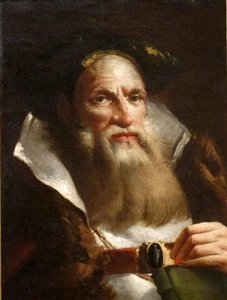
Giovanni Domenico Tiepolo
2007 - 1770, Taliansko
Biografia umelca
Giovanni Domenico Tiepolo: Majster rokokových fresiek
Giovanni Domenico Tiepolo (30. augusta 1727 – 3. marca 1804) bol významným taliansky maliar a grafik z Benátskej republiky. V dejinách umenia je uznávaný ako popredná postava štýlu rokoká, keďže odkаз svojho presslávneho otca, Giovanna Battistu Tiepola, nielenže zdeda, ale aj obியým rozširoval. Jeho umelecká dráha trvala niekoľko decád a zanechala po sebe bohatú tvorbu, ktorú definujú žiarivé farby, dynamické kompozície a elegantné zobrazenia mytologických scén, portrétov a krajín.
Raný život a vzdelanie
Narodený v umeleckej rodine, bol raný život Giovanna Domenicoho hlboko prepletený s vesmírom umenia. Jeho otec, Giovanni Battista Tiepolo, oslavovaný maliar známy svojimi monumentálnymi freskami, slúžil ako jeho hlavný mentor. Giovanni Domenico absolvoval prísne výučbu pod očami otca, pričom sa učil techniky a štylistické nuansy, ktoré neskor formovali jeho vlastný umelecký rozvoj. Zväčšovala sa mu tiež horizont vďaka kontaktu s ďalšími významnými umelcami doby, medzi ktoré patrili Sebastiano Ricci a Federico Bencovich. Ako mladý muž často asistoval otcovi na veľkolepých projektoch, čím získal neoceniteľné praktické skúsenosti pri tvorbe fresiek.
Umelecká dráha a štýl
Kariéra Giovanna Domenicoho prosperovala počas celého 18. storočia. Dokázal sa etablovať ako zdatný umelec schopný vytvárať nielen samostatné diela, ale aj prispievať k spoločným projektom. Hoci spočiatku úzko spolupracoval so svojím otcom, postupne si vyvinul vlastný, odlišný štýl, pričom si zachoval prvky rokokovej estetiky, ktorá bola v dovtedajšej benátskej architektúre a umení dominantná. Jeho umelecká tvorba zahŕňala fresky, maľby na plátne aj akvatinty či rastúce techniky leptania.
- Fresky: Tiepolo bol obzvlášť presslávny svojimi freskami, ktorými zdobil početné lokality po celom Taliansku bohatými scénami. Medzi významné príklady patria fresky v paláci Ca' Dolfin na Grand Canale vo Venecii a strop v kostole Gesuati (Santa Maria del Rosario), rovnako vo Venecii.
- Maľby: Okrem fresiek vytvoril značné množstvo plátených malieb, ktoré často zobrazovali mytologické témy alebo portréty. Medzi príklady možno uviesť diela ako „Perseus a Andromeda“ (pozrite si tu), „Únos Európy“ (pozrite si tu) či „Lovca s jelenom“ (pozrite si tu).
- Rytiny a leptanie: Tiepolo preukázal aj svoju zručnosť v technike leptania, pričom vytváral detailné a expresívne grafické listy, ako napríklad „Svätí Augustín, Ľudovít Francúzsky, Ján Evanjelista a Magnus“ (pozrite si tu).
Vplyvy a vývoj
Umelecký vývoj Giovanna Domenicoho bol hlboko ovplyvnený jeho otcom, Giovannim Battistom Tiepolom. Od staršieho Tiepola si odzdedil majstvo v práci s farbou, kompozíciou a naratívnym rozprávaním príbehov. Avšak štýl Giovanna Domenicoho sa vyvinul smerom k greater dôrazu na žánrové scény a zobrazenie každodenného života, čo ho odlišovalo od otcových monumentálnych a klasicky inšpirovaných diel. Prejavil tiež záujem o teatrálnosť a pohyb, čo je zrejmé v maľbách ako „Pulcinella“ (pozrite si tu) alebo „Apotheóza Herakla“ (pozrite si tu).
Historický význam
Giovanni Domenico Tiepolo zohral kľúčovú úlohu v pokračovaní a evolúcii benátskeho rokokového umenia. Hoci počas svojho života žil v tieňu otcovskej slávy, dnes je uznávaný ako významný umelec samostatne. Jeho fresky a maľby ponúkajú cenný pohľad na umelecký vkus a kultúrne hodnoty 18. storočnej Benéci a Talianska. Jeho schopnosť prepojiť klasické témy so súčasným citom upevnila jeho miesto v rámci hnutia rokoká a zanechala po sebe odkaz žiarivého umenia, ktoré na divákov očaruje aj dnes.
Rýchle fakty o umelcovi Giovanni Domenico Tiepolo
- Artistic Movement Or Style: Rococo
- Artists Who Influenced This Artist: ['Giovanni Battista Tiepolo']
- Date Of Birth: August 30, 1727
- Full Name: Giovanni Domenico Tiepolo
- Nationality: Italian
- Notable Artworks:
- Perseus and Andromeda
- The Rape of Europa
- Hunter with Deer
- Place Of Birth: Venice, Italy
Preskúmajte umelecká diela usporiadané podľa tém, štýlov a charakteristík.


Giovanni Domenico Tiepolo
Minuet
() ·
Včetně rámov: · Ručne maľované olejom na plátne
Celkom