

 Náhľad v interiéri
 Odoslať ako digitálnu kartu
 Zdieľať
 Podrobnosti o dielo
 Príručka

 Stiahnuť obraz
 Podobné položky
 RTG skúška
 Prehliadanie diapozoje
 Q&A
Q&A Štatistiky
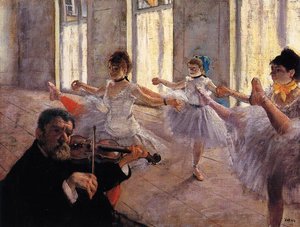
The Dance Class


Experience the intimate movement of Edgar Degas's Impressionist masterpiece The Dance Class, a captivating glimpse into a 19th-century ballet studio that invites you to bring this timeless elegance into your own collection.
 Zobraziť viac
Edgar Degas: Revolučný francúzsky umelec známy svojimi fascinujúcimi obrazmi tanečníčok
Získajte súbor pripravený na tlač, ktorý ponúka oveľa vyššiu kvalitu než online náhľad. Každý predávaný digitálny obraz pochádza z vysokorozlíseného originálu v našej databáze – zvyčajne s šírkou 5 000 až 15 000 pixelov – takže môžete s istotou tlačiť vo veľkom formáte, vytvárať detailné výrezy alebo reprodukovať jemné detaily.
Žiadny súbor neopustí naše štúdio bez úprav. Digitálny expert kontroluje farby v porovnaní s originálnym obrazom a v prípade potreby ich opraví, následne nástrojmi na profesionálnu retuš zvyšuje mieru ostrosti a detailov — pričom vždy zostáva verný umeleckému ťahu štetca a štýlu autora. Výsledkom je obraz, ktorý pôsobí ako samotné dielo, nie ako naskenovaný snímok s filtrom.
Schvaľujete ešte pred dokončením: náš expert vám obrazový súbor do 72 hodín pošle e-mailom na kontrolu. Nie ste spokojní? Požiadajte o vylepšenia alebo opravy, prípadne si môžete vyžiadať vrátenie platby, ak kvalita nedosahuje očakávanú úroveň.
Táto kvalita je základom dôvery vydavateľov, dizajnových štúdií, galérií a tlačovníkov.
Digitálny obraz
Stiahnite si vysokorozlíšený súbor na osobné zobrazovanie, tlačenie a kreatívne projekty. ( Prepnúť na tlač Kúpiť ručne maľovaný obraz)
Súčasťou každej objednávky digitálneho obrazu
Garantovaná expertná digitálna distribúcia
Keď si vyberiete TopImpressionists.com, nezískate len obyčajný obrázok – získate profesionálne upravené digitálne umenie, vytvorené s maximálnou precíznosťou a podložené zárukou vašej spokojnosti. Tu je všetko, čo je súčasťou vašej objednávky automaticky:

Rýchle doručenie e-mailom
Vaša vysokorozlíšená digitálna súprava obrázkov vám bude zaslaná e-mailom do 72 hodín od objednávky – pripravená na okamžité použitie.

Digitálny súbor s vylepšením AI
Vaše dielo je profesionálne optimalizované pomocou pokročilých nástrojov umelej inteligencie a manuálnej úpravy, čo zaručuje maximálnu mieru detailov, čistotu a presnosť farieb.

Bezplatné celoživotné opätovné doručenie
Súbor ste náhodou zmazali alebo ste ho stratili? Žiadne starosti – kedykoľvek vám ho môžeme poslať znova, úplne bez poplatkov.

Bez poplatkov za dovoz – navždy
Užite si svoje umenie okamžite bez colných poplatkov, daní alebo nákladov na dopravu – digitálne stiahnutia sú vždy oslobodené od dane.

Garantovaná presnosť farieb
Pomocou profesionálnych nástrojov a farebného manažmentu zabezpečujeme, aby vaša digitálna fotografia čo najpresnejšie odrážala pôvodné farby.

Záruka spokojnosti 100 dní
Ak nebudete spokojní so svojím digitálnym obrázkom, upravíme ho alebo vám v priebehu 100 dní vrátime 100% – bez zbytočných otázok.

100% Záruka vrátenia peňazí
Nie ste spokojní? Získajte plnú náhradu platby do 100 dní od prijatia digitálneho súboru – bez zbytočných otázok.

Zľavy pri veľkom odbere
Pri kúpe 3 obrázkov získate zľavu 10% - Pri kúpe 5 obrázkov získate zľavu 15% - Pri kúpe 10+ obrázkov získate zľavu 20%. Ideálne pre kreatívne projekty, galérie a agentúry.
A Glimpse into the Soul of the Studio
To step into Edgar Degas’s “The Dance Class” is to transcend the boundaries of time and enter a sanctuary of disciplined grace. Painted around 1873, this masterpiece does not merely present a scene of balletic rehearsal; it offers an intimate, almost voyeuristic window into the quiet intensity of the dance studio. Unlike the grand, staged spectacles often associated with the opera, Degas directs our gaze toward the unvarnished reality of practice. Here, we witness the subtle tension of a muscle stretching, the focused exhaustion of a young dancer, and the rhythmic, everyday motions that define the life of a performer. It is a profound distillation of movement, where the stillness of a captured moment meets the breathless energy of impending motion.
The composition is a masterclass in unconventional perspective, reflecting Degas’s fascination with the spontaneous snapshots of modern life. Eschewing the rigid symmetry of traditional academic painting, he employs an asymmetrical arrangement that places the dancers slightly off-center, creating a sense of dynamic imbalance. The viewer feels less like a spectator in a theater and more like an unobserved guest standing in the corner of the room. Through the clever use of diagonal lines—formed by the receding floorboards—and a doorway that draws the eye deeper into the background, Degas creates a sprawling, immersive space. This architectural depth allows the figures to overlap and recede, mimicking the natural, cluttered flow of a working studio.
The Harmony of Light and Texture
Degas’s technical prowess is most evident in his ability to marry Impressionistic light with Realist precision. The color palette is remarkably restrained, a sophisticated blend of muted whites, warm beiges, and pale greens, punctuated by the delicate, fleeting touches of rose pink and canary yellow found in the dancers' tutus. This tonal subtlety avoids jarring contrasts, instead fostering a sense of atmospheric harmony that feels soft and natural. The lighting appears to filter through unseen windows, casting gentle shadows that define the volume of the figures and lend a three-dimensional weight to their forms.
Beyond color, the tactile quality of the work invites a sensory response. Through visible, purposeful brushstrokes, Degas captures the contrasting textures of the studio environment: the airy, fragile lightness of the tulle fabric against the solid, weathered grain of the wooden floor. This interplay of textures enhances the painting's realism, making the scene feel tangible and alive. For the collector or interior designer, this piece offers a unique versatility; its muted tones allow it to integrate seamlessly into a variety of sophisticated decor styles, from classical elegance to modern minimalism, while its rich texture provides a focal point of profound character.
An Enduring Legacy of Emotion and Observation
At its heart, “The Dance Class” is an exploration of the human condition through the lens of artistic pursuit. While Degas famously resisted the "Impressionist" label, preferring to identify as a Realist, this work embodies the best of both worlds. It captures the fleeting, ephemeral light of a moment while remaining anchored in the gritty, honest truth of daily labor. There is a palpable sense of nostalgia within the frame—a quiet observation of a bygone era of Parisian culture—yet the emotional resonance remains strikingly modern. The painting evokes feelings of intimacy, discipline, and the solitary struggle for perfection.
For those seeking to adorn their spaces with art that inspires contemplation, this reproduction serves as more than just decoration. It is an invitation to appreciate the beauty found in the mundane and the extraordinary strength required for grace. Whether placed in a sunlit gallery or a quiet study, Degas’s vision continues to captivate, offering a timeless window into the rhythmic heart of the dance.
Otázky a odpovede
Kto vytvoril „The Dance Class“ a v ktorom roku?
Dielo „The Dance Class“ vytvoril/a Hilaire-Germain-Edgar Degas v roku 1873.
Ktorý národný pôvod stojí za smerom Impressionistic Realism diela „The Dance Class"?
„The Dance Class“ spája smerovanie Impressionistic Realism s krajinou Francúzsko prostredníctvom miesta narodenia svojho tvorcu.
Na čo sa odporúča reprodukcia diela „The Dance Class“ od Hilaire-Germain-Edgar Degas?
Odporúčaným použitím vytlačenej verzie diela „The Dance Class“ je Accent.
Podobné diela




Životopis umelca
A Life Immersed in Movement
Edgar Degas, vlastným menom Hilaire Germain De Gas, sa narodil v Paríži v roku 1834 a zomrel v roku 1917. Jeho život bol fascinujúci kontrast – často spájaný s impresionistami, hoci aktívne tento štítok odmietal, preferoval označenie ako realist. Tento záväzok vychádzal z jeho precízneho pozorovania sveta okolo seba a oddanosti zobrazovaniu ho s neoblomnou upřímností. Jeho rané roky boli pohodlné v buržoázskom prostredí; otec bol bankár, matka pochádzala z kreolskej rodiny v New Orleans. Tento pozadie mu poskytlo prístup k vzdelávaniu a umeleckému školeniu, hoci často sa sťažoval na akademické obmedzenia. Počiatok jeho vzdelávania začal, keď začal skopírovať diela v Louvri, kde si osvojil zručnosti a rozpalil vášeň pre klasickú umenie. Avšak Degas cesta nebola striktne založená na tradícii; bola to obmôrdzaná cesta s neustálym spochybňovaním a preskúmaním umeleckých noriem. Vlastnil nezávislý duch, ktorý definoval celý jeho životný cyklus.Beyond Impressionism: A Unique Artistic Vision
Zatiaľ čo súperi ako Monet hľadali mihotavé účinky svetla vonku, Degas väčšinou pracoval v priestoroch svojho štúdia, precízne budoval scény z pozorovaní a spomienok. Jeho témy boli jednoznačne moderné – odstupujúce od historických alebo mytologických motívov, ktoré uprednostňovali akademickí maliari. Hľadal inšpiráciu v dennodennom živote Parížanov: práve tieto ženy sa stali jeho najznámejším témou - švätky, speváčky kabaretu, obláčikárky a samozrejme, tanečníčky. Je táto fascinácia baletom, ktorá definuje veľkú časť jeho diela. Degas však nebol len umelec zobrazujúci krásnych tanečníkov; zachytával krutú realitu ich povolania – nekonečné skúšky, fyzické úsilie, krátke momenty grácie v svete tvrdého práce. Jeho kompozície sú často nezvyčajné, figúrky zobrazované nečakaným spôsobom a využívanie asymetrických usporiadkov, ktoré vytvárajú pocit dynamiky a okamžitosti. Bol majstrom v zachytávaní pohybu, nie cez rozmazané čiary alebo mlhavé efekty, ale pomocou presného pozorovania a starostlivého znázornenia tvaru. *Dancer, A Group of Dancers* a *Women Combing Their Hair* sú príkladmi jeho oddanosti zobrazovaniu ľudského tela v pohybe a odhaľovaní komplexnosti modernej spoločnosti. Nebol spokojný s povrchovou krása; hľadal pravdu pod povrchom.Influencie a umelecký rozvoj
Degas’s umelcký život bol ovplyvnený rôznymi vplyvom. Jeho rané vzdelanie kladlo dôraz na klasické princípy, najmä diela Jean-Auguste-Dominique Ingresa, ktorý zdôrazňoval zručnosť a presné znázornenie. Avšak Degas tiež obdivoval realistov, ako Gustave Courbet, ktorí vyzvali akademické konvencie a prosili o zobrazovanie súčasného života. Kľúčový moment v jeho rozvoji nastal prostredníctvom spriatelia Camille Pissarroa, vedúceho impresionistu, ktorý mu predstavil iných umelcov a povzbudil ho k experimentovaniu s novými technikami. Bol očarený japonskými rytinami – Ukiyo-e – ktoré ovplyvnili jeho použitie asymetrických kompozícií, ploché perspektívy a výrazné vzory. Experimentoval aj s fotografiou, uznával jej potenciál na štúdium pohybu a zachytávanie úsekov v čase. Táto ochota prijímať rôzne vplyvy do svojho diela je to, čo ho odlišuje a prispieva k jedinečnému charakteru jeho umenia. Nebol strachom z inšpirácie z rôznych zdrojov, spájajúc ich do niečoho úplne nového.Hlavné prínosy a historický význam
Edgar Degas zomrel v Paríži v roku 1917, nechávajúc za sebou dielo, ktoré dodnes fascinuje a inšpiruje publikum. Jeho inovatívny prístup k kompozícii, jeho mistrovská zručnosť a neoblomné zobrazovanie modernej spoločnosti mali hlboký dopad na chod umeleckej histórie. Otváril cestu budúcim generáciám umelcov, ktorí hľadali spôsob, ako sa oslobodiť od tradičných konvencií a skúmať nové spôsoby reprezentácie sveta okolo seba. Jeho vplyv je viditeľný v dielaach Pabla Picassa a Henriho Matissa medzi inými. Miestnosti múzea – vrátane Musée d’Orsay a Musée de l’Orangerie v Paríži – uchovávajú významné zbierky jeho maľieb, pastelí, sochy a rytiniek, čím zabezpečujú, že jeho dedičstvo bude trvať ďalšie generácie. Degas nebol len umelec zobrazujúci tanečníkov alebo jazdcov; bol pozorným pozorovateľom ľudskej povahy, majstrom tvaru a pohybu a skutočným inovatérom, ktorý predefinoval možnosti umenia.- Majster línie: Degas’s výnimočná zručnosť v kreslení ho odlišovala.
- Moderný život ako téma: Zamerával sa na súčasný parížsky život a odchýlil sa od tradície.
- Vplyv na budúcich umelcov: Jeho dielo hlboko ovplyvnilo Picassa a Matissa.

Hilaire-Germain-Edgar Degas
1834 - 1917 , Francúzsko
Základné informácie
- Artistic Movement Or Style: Impressionizmus, Realizmus
- Artists Or Movements Influenced By This Artist:
- Picasso
- Matisse
- Artists Who Influenced This Artist:
- Ingres
- Courbet
- Pissarro
- Date Of Birth: 1834
- Date Of Death: 1917
- Full Name: Hilaire-Germain Edgar De Gas
- Nationality: Francúzsky
- Notable Artworks:
- Dancer and Tambourine
- The Ballet Class
- Degas in a Green Jacket
- The Collector
- Women Combing Their Hair
- Place Of Birth: Paríž, Francúzsko