

 Náhľad v interiéri
 Odoslať ako digitálnu kartu
 Zdieľať
 Podrobnosti o dielo
 Príručka

 Stiahnuť obraz
 Podobné položky
 RTG skúška
 Prehliadanie diapozoje
 Otázky a odpovede
 Štatistiky
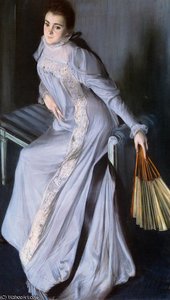
L Hôte

- 220.0 x 290.0 cm


Delve into Jacques-Émile Blanche's masterful portrait of Parisian society – L’Hôte (1892). Explore his Impressionist style, capturing elegance and personality with loose brushwork and influenced by Manet & Whistler.
 Zobraziť viac
Jacques-Émile Blanche (1861-1942) bol francúzsky impresionista známy portrétmi parížanskej a londýnskej spoločnosti, zachytávajúc charakter s voľným štýlom a ovplyvnený Manetom a Whistlerom. Pozrite sa na jeho diela!
Giclée / Umenotlač
Giclée tlač alebo plátno múzeálnej kvality s rýchlou výrobou a rôznymi možnosťami povrchovej úpravy. ( Kúpiť ručne maľovaný obraz Prepnúť na digitálny obraz)




P118B €10

P118H €10

P118W €10

P438Z €10

P508JH €12

P508YH €12

P805H €10

P805Z €10

P919BZ €10

P919G €10

P919XJ €10

P959ZH €10

P968JZ €12

W106C €8

W218G €10

W218JH €8

W218Y €10

W307PJ €10

W316G €10

W316PJ €8

W316Y €10

W398PJ €8

W4111J €10

W500HY €15

W500JH €15

W692G €12

W849H €8

W940BG €15

W953PJ €8




Štandardné
na mieru
CM
INCH
Vyberte si z našich preddefinovaných rozmerov, ktoré zodpovedajú pôvodným pomeroḿ diela.
Loading sizes...

šírka
výška
Zadajte šírku a výšku, ktoré potrebujete, aby sa reprodukcia hodila k vášmu rámu alebo stene. Print možno len orezávať, nikdy však nemennú veľkosť zvětšiť oproti pôvodnému obrázku, preto pri inom formáte stráca časť obrazu. Pred samotným vytlačiacím procesom vám pošleme digitálny náhľad na schválenie. Obrázok zobrazený na tejto stránke nezobrazuje reálny rez — len digitálny náhľad ukazuje presný výsledok.
Celosvetová doprava () do 2 týždňov namiesto štandardných 4 až 5 týždňov. (8 november)

Bezplatná expresná doprava po celom svete

Vysokokvalitné lnianske plátno

Kompletné poistenie prepravy

Záruka vrátenia colného poplatku

Záruka presného farebného zhodnutia

100-dená politika vrátenia tovaru (iba pri vadách)

100% záruka vrátenia peňazí

Zľava pri väčšom množstve
 Možnosť skla je dostupná len pri rozmeroch pod 110 cm

L Hôte
Giclée / Umenotlač
Veľkosť reprodukcie
-


Celková cena
€ 62
L'Hôte by Jacques Emile Blanche – A Portrait of Parisian Elegance
Jacques-Émile Blanche’s “L’Hôte” (The Host) stands as a quintessential emblem of Belle Époque Paris, capturing not merely a likeness but an atmosphere—a palpable sense of refined social interaction and intellectual curiosity. Painted in 1892, this monumental oil on canvas measuring 220 x 290 cm resides at the Musée Des Beaux Arts in Rouen, France, offering viewers a glimpse into a bygone era defined by artistic innovation and aristocratic refinement. Blanche’s distinctive style—characterized by loose brushwork and a muted palette—immediately distinguishes itself from the more polished conventions of his contemporaries. He eschewed meticulous detail in favor of conveying emotion and capturing the subtle nuances of human expression, techniques honed during his formative years alongside luminaries like Édouard Manet and Whistler.A Masterful Blend of Realism and Symbolism
Blanche’s artistic approach transcends mere representation; it delves into symbolism to illuminate deeper themes concerning identity and social dynamics. The composition itself is carefully orchestrated—the central figures seated around a dining table dominate the canvas, their gaze directed outwards, suggesting contemplation and engagement with the world beyond the immediate setting. Notably absent are chairs positioned strategically behind the guests, an element that has been interpreted as representing those excluded from this privileged circle – perhaps individuals deemed unworthy of inclusion or simply those whose presence wasn’t considered essential to the narrative. This deliberate omission underscores Blanche's astute observation of societal hierarchies and his ability to communicate complex ideas through visual cues.Technique and Color Palette: Echoes of Impressionism
The painting’s execution showcases Blanche’s mastery of Impressionist techniques. Thick, visible brushstrokes imbue the canvas with texture and movement, mirroring the fleeting impressions of light and atmosphere that were central to the artistic movement. Blanche employed a restrained color scheme—primarily dominated by warm browns and ochres—creating a cozy and inviting ambiance reminiscent of candlelight illumination. These muted hues contribute to the painting’s emotional resonance, fostering a sense of intimacy and conveying the quiet dignity of the subjects depicted. The artist skillfully blended pigments to achieve subtle gradations of tone, enhancing the illusion of depth and capturing the nuances of light reflecting off surfaces.Historical Context: Parisian Society at Its Zenith
“L’Hôte” was created during Paris's golden age—the Belle Époque (roughly 1871-1914)—a period marked by unprecedented artistic creativity, economic prosperity, and cultural dynamism. Blanche himself was deeply embedded in the intellectual milieu of his time, surrounded by writers, artists, and thinkers who championed progressive ideas and challenged traditional conventions. The painting reflects this spirit of experimentation and celebrates the pursuit of beauty and knowledge—values that were paramount to Parisian society during Belle Époque. It serves as a testament to Blanche’s ability to capture not only the visual appearance of his subjects but also the intellectual and social currents shaping their lives.Emotional Impact: Capturing Inner Life
Ultimately, “L’Hôte” succeeds in conveying profound emotional depth. Blanche's portraits are renowned for capturing the inner life of his subjects—their personalities, aspirations, and vulnerabilities—with remarkable sensitivity. The gaze of the figures is imbued with quiet contemplation, hinting at unspoken thoughts and emotions. This masterful portrayal speaks to the enduring power of art to illuminate human experience and transcends time, inviting viewers to contemplate themes of identity, social status, and the complexities of human relationships. Blanche’s legacy continues to inspire artists today who strive to achieve similar levels of psychological insight and artistic virtuosity.Otázky a odpovede
Do ktorého umeleckého smeru patrí „L Hôte“ od Jacques-Émile Blanche?
Uvedený umelecký smer spojený s dielom „L Hôte“ od Jacques-Émile Blanche je Cubism. Táto klasifikácia umiestňuje toto dielo medzi súvisiace umelcov a umelecké diela.
Ako si môžem stiahnuť obrázok diela „L Hôte“ od Jacques-Émile Blanche?
Digitálnu verziu diela „L Hôte“ od Jacques-Émile Blanche si môžete stiahnuť na jeho stránke: Stiahnuť digitálnu verziu: stiahnutie digitálneho obrázka vo vysokom rozlíšení.
Kto vytvoril dielo „L Hôte“ a kedy?
Jacques-Émile Blanche vytvoril/a „L Hôte“ v roku 1892.
Podobné diela



Biografia umelca
Život a začiatky
Jacques-Émile Blanche, známy ako Jacques Blanche alebo Blanche, sa narodil 1. januára 1861 v Paríži, Francúzsko. Pochádzal z rodiny úspešných lekárov a vyrastal v bohatom prostredí šľachtického Passy, kde bol obklopený umelcami a aristokratmi. Jeho otec, Émile Blanche, bol renomovaný patolog, ktorý podporoval Jacques-Émilovu umeleckú vášeň. Už od detstva stretával významných spisovateľov a maľiarov, medzi ktorých patrili Edouard Manet, ktorý sa stal neskôr jeho obdivuhovým inšpirátorom. Jeho detstvo bolo ovládané atmosférou kreativity a intelektuálneho rozvoja, čo výrazne formovalo jeho budúcu tvorbu.Umelá cesta a štýl
Blanche sa nikdy nezúčastnil umeleckej školy, ale získal vzdelanie prostredníctvom súkromných lekcií od Henri Gervexa a Pierre-Auguste Renóra. Jeho štýl bol ovplyvnený kombináciou 18. storočia, anglických maľiarov ako Thomas Gainsborough a francúzskych impresionistov, najmä Edouarda Maneta. Charakteristický je pre neho voľný štýl, obmedzenú farebnú paletu a schopnosť zachytiť podstatu svojich modelov s expresívnymi ťahmi. Jeho portréty elegantných mužov a žien, ako napríklad známe "Portrét Marcela Prousta", sú oslavované pre svoju citlivosť a hlboké porozumenie charakteru. Blanche sa vyznačoval schopnosťou vyjadrovať emócie prostredníctvom farieb a lístia, čím vytváral živý a dynamický obraz.Vplyvy a tvorba
Blanche bol ovplyvnený mnohými umelcami a literátormi, ktorí ho sprevádzali v jeho mladom veku. Okrem Maneta a Whistlerovho vplyvu sa stretával s osobnostami ako Jules Michelet, George Sand a Henri Fantin-Latour. Jeho portréty často zobrazovali vysokú spoločnosť Paríža a Londýna, zachytávajúc ich eleganciu a individualitu. Medzi jeho najvýznamnejšie diela patrí "Kreutzerova sonáta", ktorá ukazuje jeho schopnosť vyjadrovať hudbu a emócie, "Portrét Henryho Jamesa" – portrét, ktorý zdôrazňuje jeho zmysel pre ľudskú povahu, a séria maľieb "Londýnske výhľad", ktoré odrážajú jeho lásku k anglickej metropole. Jeho diela boli vystavené na Salon des Artistes Francais a v rôznych spoločnostiach, čím si získali uznanie v umeleckom kruhu.Poznámky a odkazy
Jacques-Emile Blanche bol významnou osobitosťou parížskej umeleckej scény 19. storočia. Jeho diela sú súčasťou zbierok múzeí, ako Musée des Beaux-Arts v Rouen, Musée d'Orsay v Paríži a ďalších. Jeho portréty a krajinky sa vyznačujú jemnosťou, citlivosťou a schopnosťou zachytiť podstatu svojich modelov. Blanche bol nielen talentovaný maľiar, ale aj literárna postava, ktorá spájal umenie s intelektuálnym životom. Jeho diela sú dodnes zdrojom inšpirácie pre umelecké a kultúrne kruhy.
Jacques-Émile Blanche
1861 - 1942 , Francúzsko
Základné informácie
- Artistic Movement Or Style: Impressionizmus
- Artists Or Movements Influenced By This Artist: ['Thomas Gainsborough']
- Artists Who Influenced This Artist:
- Edouard Manet
- James Whistler
- Date Of Birth: 1. január 1861
- Date Of Death: 30. september 1942
- Full Name: Jacques Émile Blanche
- Nationality: Francúzsky
- Notable Artworks:
- Kreutzer Sonata
- Portrét Marcel Prousta
- Place Of Birth: Paríž, Francúzsko
Súvisiace články

The Elegance of Art Nouveau: Embracing Nature's Fluid Beauty and the Belle Époque Spirit
Discover the enchanting world of Art Nouveau. Explore the organic beauty, flowing lines, and Belle Époque elegance that defined an era of unparalleled craftsmanship and natural inspiration.
Preskúmajte umelecká diela usporiadané podľa tém, štýlov a charakteristík.


