

 Náhľad v interiéri
 Odoslať ako digitálnu kartu
 Zdieľať
 Podrobnosti o dielo
 Príručka

 Stiahnuť obraz
 Podobné položky
 RTG skúška
 Prehliadanie diapozoje
 Otázky a odpovede
 Štatistiky
Ca d

- 33.0 x 47.0 cm


A poignant 1845 depiction of the decaying Venetian Casa d'Oro by John Ruskin captures the tragic beauty of Gothic architecture during its restoration, inviting you to explore this evocative piece of history.
 Zobraziť viac
John Ruskin bol významný anglický spisovateľ, umelecký kritik, sociálny reformátor a filantrop. Jeho hlavnými dielami sú obraz Výhľad z Vysokého Údolí, analýzy gotickej architektúry a rozsiahle eseje o prírode, kráse a spoločnosti. Jeho tvorba ovplyvnila Pre-Raphaelitov a podporovala hodnotu tradičných umeleckých postupov.
Získajte súbor pripravený na tlač, ktorý ponúka oveľa vyššiu kvalitu než online náhľad. Každý predávaný digitálny obraz pochádza z vysokorozlíseného originálu v našej databáze – zvyčajne s šírkou 5 000 až 15 000 pixelov – takže môžete s istotou tlačiť vo veľkom formáte, vytvárať detailné výrezy alebo reprodukovať jemné detaily.
Žiadny súbor neopustí naše štúdio bez úprav. Digitálny expert kontroluje farby v porovnaní s originálnym obrazom a v prípade potreby ich opraví, následne nástrojmi na profesionálnu retuš zvyšuje mieru ostrosti a detailov — pričom vždy zostáva verný umeleckému ťahu štetca a štýlu autora. Výsledkom je obraz, ktorý pôsobí ako samotné dielo, nie ako naskenovaný snímok s filtrom.
Schvaľujete ešte pred dokončením: náš expert vám obrazový súbor do 72 hodín pošle e-mailom na kontrolu. Nie ste spokojní? Požiadajte o vylepšenia alebo opravy, prípadne si môžete vyžiadať vrátenie platby, ak kvalita nedosahuje očakávanú úroveň.
Táto kvalita je základom dôvery vydavateľov, dizajnových štúdií, galérií a tlačovníkov.
Digitálny obraz
Stiahnite si vysokorozlíšený súbor na osobné zobrazovanie, tlačenie a kreatívne projekty. ( Prepnúť na tlač Kúpiť ručne maľovaný obraz)
Súčasťou každej objednávky digitálneho obrazu
Garantovaná expertná digitálna distribúcia
Keď si vyberiete TopImpressionists.com, nezískate len obyčajný obrázok – získate profesionálne upravené digitálne umenie, vytvorené s maximálnou precíznosťou a podložené zárukou vašej spokojnosti. Tu je všetko, čo je súčasťou vašej objednávky automaticky:

Rýchle doručenie e-mailom
Vaša vysokorozlíšená digitálna súprava obrázkov vám bude zaslaná e-mailom do 72 hodín od objednávky – pripravená na okamžité použitie.

Digitálny súbor s vylepšením AI
Vaše dielo je profesionálne optimalizované pomocou pokročilých nástrojov umelej inteligencie a manuálnej úpravy, čo zaručuje maximálnu mieru detailov, čistotu a presnosť farieb.

Bezplatné celoživotné opätovné doručenie
Súbor ste náhodou zmazali alebo ste ho stratili? Žiadne starosti – kedykoľvek vám ho môžeme poslať znova, úplne bez poplatkov.

Bez poplatkov za dovoz – navždy
Užite si svoje umenie okamžite bez colných poplatkov, daní alebo nákladov na dopravu – digitálne stiahnutia sú vždy oslobodené od dane.

Garantovaná presnosť farieb
Pomocou profesionálnych nástrojov a farebného manažmentu zabezpečujeme, aby vaša digitálna fotografia čo najpresnejšie odrážala pôvodné farby.

Záruka spokojnosti 100 dní
Ak nebudete spokojní so svojím digitálnym obrázkom, upravíme ho alebo vám v priebehu 100 dní vrátime 100% – bez zbytočných otázok.

100% Záruka vrátenia peňazí
Nie ste spokojní? Získajte plnú náhradu platby do 100 dní od prijatia digitálneho súboru – bez zbytočných otázok.

Zľavy pri veľkom odbere
Pri kúpe 3 obrázkov získate zľavu 10% - Pri kúpe 5 obrázkov získate zľavu 15% - Pri kúpe 10+ obrázkov získate zľavu 20%. Ideálne pre kreatívne projekty, galérie a agentúry.
A Witness to Vanishing Splendor
In the delicate, precise lines of John Ruskin’s 1845 work, Ca d'Oro, we find more than just a depiction of Venetian architecture; we encounter a poignant eulogy for a fading era. Created during a transformative and turbulent period in Venice, this piece captures the Casa d’Oro at a moment of profound vulnerability. As Ruskin traversed the canals in 1845, he was not merely an observer of beauty but a witness to its systematic dismantling. The painting serves as a hauntingly beautiful record of the building's facade, capturing the intricate Gothic details and the subtle irregularities that spoke of a glorious, yet decaying, past. For the discerning collector, this work offers a rare window into the soul of 19th-century Venice, preserving the very textures that the era’s "restorations" sought to erase.
The composition is anchored by the magnificent, ornate architecture of the palace, where large, numerous windows create a rhythmic sense of grandeur and light. Ruskin’s technique, rooted in his deep commitment to truth in art, allows the viewer to perceive the weight and history of the stone. The prominent clock tower rises with a commanding presence, acting as a sentinel over the bustling scene below. Scattered throughout the foreground, small figures move through the space, providing a sense of scale that emphasizes the monumental nature of the structure. There is a palpable tension in the brushwork—a careful balance between the architectural precision required to document the Gothic carvings and a soft, atmospheric quality that evokes the humid, shimmering air of the Venetian lagoon.
Beyond its technical mastery, the emotional resonance of Ca d'Oro lies in its inherent melancholy. To look upon this piece is to feel the heartache of the artist, who famously lamented seeing the "noble pile" being hammered down by workmen. The painting captures a fleeting moment of existence before the loss of the red marble bases and the legendary interior staircase. For an interior designer or art enthusiast, this work brings a sense of historical depth and intellectual gravity to any space. It is not merely a decorative element but a conversation piece that invites contemplation on the themes of preservation, the passage of time, and the sanctity of original craftsmanship. Owning a reproduction of this masterpiece means hosting a fragment of history—a tribute to the enduring power of beauty even in the face of inevitable decay.
Otázky a odpovede
Kde by mala byť zavesená reprodukcia diela „Ca d“ od John Ruskin?
Formát Landscape diela „Ca d“ od John Ruskin je ideálny pre Living Room. Formát a priestor spoločne určujú najvhodnejšie umiestnenie reprodukcie.
Pod akými ďalšími menami je známy/á John Ruskin?
Medzi ďalšie známe mená umelca John Ruskin, autora diela „Ca d“, patria aj Sir John Everett Millais, Ruskin.
Kde by sa odporúčalo vystaviť dielo "Ca d", vzhľadom na jeho farebnú paletu?
Neutrals farebná paleta diela „Ca d“ od John Ruskin dokonale ladí s jeho odporúčaným priestorom: Living Room.
Životopis umelca
A Polymath of Vision: The Life and Legacy of John Ruskin
John Ruskin, born in London on February 8, 1819, was far more than simply an art critic; he was a Victorian polymath whose influence permeated the realms of aesthetics, social reform, political economy, and environmentalism. His life was shaped by a fascinating duality – the pragmatic commercial world of his father, John James Ruskin, a successful sherry merchant, and the fervent evangelical piety of his mother, Margaret Cock. This contrasting upbringing instilled in him both a keen observational eye for detail and a deeply moral sensibility that would define his entire oeuvre. From an early age, Ruskin’s education was meticulously curated at home, steeped in biblical study and exposure to Romantic literature, particularly the works of Byron and Walter Scott. These formative influences laid the groundwork for a mind that would relentlessly seek connections between beauty, truth, and ethical living. His academic journey continued at Christ Church, Oxford, where he began to articulate his burgeoning ideas about art and its relationship to society.The Dawn of an Art Historian: Early Writings and Influences
Ruskin’s emergence as a significant voice in the art world began with *Modern Painters* (1843-1860), a monumental five-volume work initially conceived as a defense of J.M.W. Turner against what Ruskin perceived as unjust criticism. However, *Modern Painters* quickly evolved into something far more profound – a comprehensive treatise on the nature of art itself. He argued passionately for “truth to nature,” emphasizing that great art wasn’t merely about skillful representation but about an artist's sincere and empathetic engagement with the natural world. This concept was revolutionary at the time, challenging prevailing academic standards and paving the way for new artistic sensibilities. Ruskin didn’t just analyze technique; he delved into the spiritual and moral qualities of art, believing that true beauty reflected a virtuous soul. His meticulous descriptions of landscapes, rocks, and botanical details reveal not only his keen observational skills but also his profound reverence for nature as a manifestation of divine creation. This early work established Ruskin as a formidable critic and set the stage for his later explorations into architecture and social issues. He was deeply influenced by the Pre-Raphaelite Brotherhood, championing their commitment to detailed observation and rejection of academic conventions. They shared a belief that art should aspire to moral elevation and capture the essence of genuine experience—a conviction that would permeate Ruskin’s subsequent endeavors.Beyond Aesthetics: Social Commentary and The Guild of St. George
As Ruskin matured, his interests expanded beyond the purely aesthetic realm. Deeply troubled by the social injustices he witnessed during the Industrial Revolution, he began to apply his critical lens to the economic and political structures of Victorian England. *Unto This Last* (1860), a series of essays originally published in *The Cornhill Magazine*, marked a turning point in his career. In this work, Ruskin vehemently critiqued utilitarian economics and advocated for a more humane and equitable social order based on principles of fellowship and craftsmanship. He argued that the dignity of labor was essential to a flourishing society and that true wealth lay not in material possessions but in the quality of human relationships. This conviction led him to establish *Fors Clavigera* (1871-1884), a monthly series of letters addressed “To the Workmen and Labourers of Great Britain,” where he expounded his social and political ideas with characteristic fervor. From these writings emerged the Guild of St. George, founded in 1871, an organization dedicated to promoting craftsmanship, rural industries, and education among working-class communities. The Guild aimed to create a model society based on Ruskin’s ideals, fostering artistic skill, ethical labor practices, and a harmonious relationship with nature—a vision that resonated powerfully with those yearning for a more dignified existence amidst the rapid transformations of Victorian Britain.Notable Works & Further Exploration
- Modern Painters (1843-1860): Ruskin’s foundational work, defending Turner and establishing his theories of art.
- The Stones of Venice (1851-1853): A detailed analysis of Venetian architecture, exploring its historical, social, and artistic significance.
- Unto This Last (1860): A powerful critique of Victorian economics and a call for social reform.
- Fors Clavigera (1871-1884): A series of letters addressing the working class, outlining Ruskin’s vision for a more equitable society.
- Dawn, Coniston: This watercolor masterpiece exemplifies Ruskin's unparalleled ability to capture the sublime beauty of Lakeland scenery—a testament to his unwavering devotion to observing and interpreting the natural world with profound moral insight.
- Britannica: https://www.britannica.com/biography/John-Ruskin
- Wikipedia: https://en.wikipedia.org/wiki/John_Ruskin
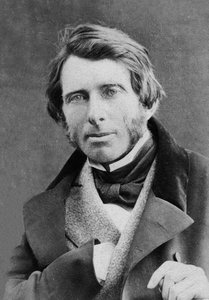
John Ruskin
1819 - 1900 , Spojené kráľovskства
Základné informácie
- Artistic Movement Or Style: Víťazské umenie, Kritika umenia
- Artists Or Movements Influenced By This Artist: ['Pre-rafaelitizmus']
- Artists Who Influenced This Artist: ['J.M.W. Turner']
- Date Of Birth: 8. februára 1819
- Date Of Death: 20. januára 1900
- Full Name: John Ruskin
- Nationality: Anglický
- Notable Artworks:
- Svietidlo z Vysokého údolia
- Fors Clavigera
- Place Of Birth: Londýn, Veľká Británia