

Zobrazené: · Včetně rámov:
 Náhľad v interiéri
 Odoslať ako digitálnu kartu
 Zdieľať
 Podrobnosti o dielo
 Príručka

 Stiahnuť obraz
 Podobné položky
 RTG skúška
 Prehliadanie diapozoje
 Otázky a odpovede
 Štatistiky
- 109.0 x 83.0 cm


€ 263
Ručne maľovaná olejová reprodukcia
Ručne maľovaný olej na plátne vo vašej zvolenej veľkosti a v ráme, vyrobený na mieru našimi umelcami. ( Prepnúť na tlač Prepnúť na digitálny obraz)
Veľkosť
·Štandardné
na mieru
CM
INCH
Vyberte si z našich preddefinovaných rozmerov, ktoré zodpovedajú pôvodným pomeroḿ diela.
Načítavanie veľkostí...

šírka
výška
Zadajte šírku a výšku, ktoré potrebujete, aby sa dielo hodilo k vášmu rámu alebo stene. Keďže ide o ručnú maľbu, pri rozmeroch s odlišným pomerom strán môže umelec namalovať o niečo viac okolo obrázka alebo ho mierne orezatú — výber patrí vám. Pred začatím maľovania vám pošleme digitálnu ukážku na schválenie. Obrázok zobrazený na tejto stránke nenahrádza reálny výsledok — ten zobrazuje iba digitálna ukážka.
 Zobraziť viac
Dokončenie
·
Biele okraje €1

rozostrené okraje €1

Vytiahnutý okraj €1

P118B €10

P118H €10

P118W €10

P438Z €10

P508JH €12

P508YH €12

P805H €10

P805Z €10

P919BZ €10

P919G €10

P919XJ €10

P959ZH €10

P968JZ €12

W106C €8

W218G €10

W218JH €8

W218Y €10

W307PJ €10

W316G €10

W316PJ €8

W316Y €10

W398PJ €8

W4111J €10

W500HY €15

W500JH €15

W692G €12

W849H €8

W940BG €15

W953PJ €8

H24-GOLD €30

H24-SILVER €30

H36-GOLD €45

H36-SILVER €45
Dodávané v ochrannom tubuse, pripravené na vlastné orezanie a paspartu u vášho kaderníka.
Dodatkové služby
voliteľnéČo si všetko zahŕňajú extra položky?
Príklady toho, čo je možné zmeniť: nahradenie tváre fotkou zákazníka; pridanie domáceho miláčika (napr. nahradenie mačky psom); začlenenie skrytého správy do pozadia; zmena krajiny alebo prvkov v pozadí.
Po objednávke vám tím TopImpressionists.com pošle e-mail s pokynmi a poskytne náhľad návrhu
Po objednávke vám tím TopImpressionists.com pošle e-mail s pokynmi a poskytne náhľad návrhu
Celosvetová doprava () za 3 až 4 týždne namiesto štandardných 5 týždňov. (11 november). Bez kompromisov v kvalite.
Ochranný lak
Popisné označenie
Detaily vygravírovaného bronzového pláka
This elegant plaque features the artist's name and the title of the artwork, finely engraved for a timeless presentation.
It is made from bronze with a refined, elegant finish. The text is precisely laser-engraved for a sharp and permanent result. Measuring 9x2 cm, the plaque is compact yet easy to read. It's built to be durable and scratch-resistant, offering a professional, museum-quality look. Mounting is simple thanks to the included adhesive backing.
Detaily transparentnej akrylovej plăty
The plaque includes essential engraved details such as the artist's name, the title of the artwork, the date it was created, the type of media used-like oil on canvas or watercolor-a brief description of the piece, and a QR code that links to the complete artwork information.
It is crafted from clear acrylic, offering a sleek, modern appearance. The text is UV-engraved in black to ensure strong visual contrast. With a size of 10x15 cm, it ensures optimal readability. It comes equipped with two metal hooks for secure wall mounting. The plaque is designed to be weather-resistant, making it suitable for various environments, and it includes interactive features that work seamlessly with smartphone scanning.
Detaily čiernej akrylovej plăty
This elegant plaque includes engraved information such as the artist's name, the title of the artwork, the date it was created, the type of media used (like oil on canvas or watercolor), a short description of the artwork, and a QR code for quick access to more information.
The plaque itself is made from refined black acrylic with a premium finish. The text is laser-engraved in white for high contrast and readability. Its size is 10x15 cm, designed to be easy to read. It comes with two metal hooks for professional mounting. The design is sleek and fits any interior style. It is also weather-resistant and durable, with built-in digital integration for mobile compatibility.
Možnosť skla je dostupná len pri rozmeroch pod 110 cm
 Možnosť skla je dostupná len pri rozmeroch pod 110 cm
- Bezplatná expresná doprava po celom svete
- Vysokokvalitné lnianske plátno
- Kompletné poistenie prepravy
- Záruka vrátenia colného poplatku
- Záruka presného farebného zhodnutia
- 100-dená politika vrátenia tovaru (iba pri vadách)
- 100% záruka vrátenia peňazí
- Zľava pri väčšom množstve


Popis zberateľského predmetu
Discover 'Joy' by Mary Ethel Hunter (1901). This captivating oil painting showcases rural life & timeless beauty in a stylized realism. A unique art investment!
Biografia umelca
Explore the serene paintings of Mary Ethel Hunter (1878-1936), capturing floral still lifes & portraits, reflecting Victorian sensibilities & biblical themes.
O tomto obraze
Rýchle fakty a umelecký kvíz
O umelcovite Mary Ethel Hunter

Mary Ethel Hunter
1878 - 1936
Biografia umelca
Mary Ethel Hunter: A Victorian Soul in Bloom
The canvases of Mary Ethel Hunter (1878-1936) offer a serene glimpse into the heart of late 19th and early 20th century England – a world steeped in Victorian sensibilities, religious devotion, and a burgeoning appreciation for the beauty of the natural world. More than just a painter, Hunter was a meticulous observer, translating her experiences and deeply held beliefs onto canvas with a quiet grace and remarkable technical skill. Her work isn’t merely decorative; it's imbued with a contemplative spirit, reflecting both the formal constraints of her era and a subtle, yet persistent, yearning for something beyond.
Born in Napier, New Zealand, to Edward and Hannah Togwood, Mary Ethel Hunter’s early life was shaped by strong family values and a deep connection to the Methodist Church. This religious foundation profoundly influenced her artistic vision, informing many of her subjects – particularly biblical scenes and floral arrangements laden with symbolic meaning. Her formal art training began in Auckland, but she later moved to Wellington, where she continued to hone her skills and develop her distinctive style. It was during this period that Hunter’s talent truly blossomed, establishing her as a respected artist within the Wellington art community.
The Language of Flowers and Faith
Hunter's most celebrated works are undoubtedly her floral still lifes – meticulously rendered compositions dominated by roses, lilies, violets, and other blooms. These aren’t simply depictions of beauty; they’re carefully constructed narratives. Each flower is imbued with symbolic weight, echoing the language of flowers prevalent during the Victorian era, where colors and arrangements conveyed hidden meanings of love, loss, remembrance, and faith. A single red rose might represent passionate affection, while a cluster of lilies could symbolize purity or mourning. Her use of light and shadow is particularly noteworthy – often employing diffused natural light to create an ethereal atmosphere that enhances the sense of tranquility and reverence within each painting.
The influence of Pre-Raphaelite painters like Millais and Rossetti is evident in Hunter’s meticulous detail, rich color palettes, and penchant for depicting scenes from biblical stories. However, unlike her predecessors, Hunter avoids overt romanticism, instead favoring a more restrained and dignified approach. Her figures are often presented with quiet dignity, their gazes directed inward or towards the heavens – reflecting a deep sense of spirituality and inner contemplation.
A Life Beyond the Canvas
Beyond her artistic pursuits, Mary Ethel Hunter was an active participant in several social movements of her time. She was deeply involved in the Women’s Christian Temperance Union (WCTU), campaigning tirelessly for the Six O'clock Closing of hotels – a controversial measure aimed at curbing alcohol consumption and its detrimental effects on society. Her dedication to this cause is documented in numerous diaries and letters, revealing a woman of unwavering conviction and tireless energy. She travelled extensively throughout New Zealand and Australia, organizing meetings, gathering signatures for petitions, and delivering impassioned speeches.
Later in life, Hunter moved to Nelson, where she became Matron of Alexandra Home – an institution dedicated to providing care for elderly women. This role demonstrated her compassionate nature and commitment to serving others. Her time at the home provided a new source of inspiration, evident in some of her later works that depict scenes of domestic tranquility and quiet dignity.
Legacy and Influence
Mary Ethel Hunter’s artistic legacy is one of understated elegance and profound spiritual depth. While she never achieved widespread fame during her lifetime, her paintings are now recognized as significant examples of Victorian art – particularly for their meticulous detail, symbolic richness, and evocative atmosphere. Her work offers a valuable window into the social and cultural landscape of late 19th and early 20th century England, revealing the complex interplay between faith, beauty, and social reform. Her paintings continue to resonate with viewers today, inviting contemplation on themes of love, loss, faith, and the enduring power of nature.
Hunter’s contribution extends beyond her artistic output; she embodies a spirit of quiet determination and unwavering commitment to her beliefs – qualities that make her a compelling subject for historical study and a testament to the often-overlooked contributions of women artists in a male-dominated era.
Rýchle fakty o umelcovi Mary Ethel Hunter
- Full Name: Mary Ethel Hunter
- Nationality: British
- Date Of Birth: 1878
- Date Of Death: 1936
- Place Of Birth: Napier, New Zealand
- Notable Artworks:
- Marita
- Various floral still lifes
- Artistic Movement Or Style: Victorian Art
Podobné diela


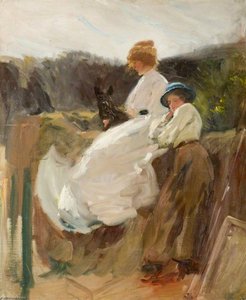


Mary Ethel Hunter
Joy
() ·
Včetně rámov: · Ručne maľované olejom na plátne
Celkom