

 Náhľad v interiéri
 Odoslať ako digitálnu kartu
 Zdieľať
 Podrobnosti o dielo
 Príručka

 Stiahnuť obraz
 Podobné položky
 RTG skúška
 Prehliadanie diapozoje
 Otázky a odpovede
 Štatistiky
The Forest

- 25.0 x 36.0 cm


 Zobraziť viac
Max Ernst (1891-1976): Nemecký surrealista, známy technikami frotáž, gratáž a koláž. Jeho diela zobrazujú sny, podvedomie a psychologické témy. #MaxErnst #Surrealizmus #Dada
Umelecké dielo zobrazené na tejto stránke je chránené autorským zákonom, čo znamená, že nemôžeme legálne vytvárať ani predávať jeho identickú reprodukciu. Táto ochrana je vymáhaná na základe medzinárodných dohôd, ako napríklad Bernská konvencia a národnými zákonmi, vrátane tých, ktoré sú stanovené v Autorské právo USA – Title 17. Všetky práva vyhradené.
Táto metóda plne dodržiava autorské práva, pretože nezahŕňa kopírovanie ani duplikovanie chráneného diela. Ide skôr o kreatívnu reinterpretáciu – nový obraz, ktorý je ovplybnený originálom, no nie je s ním identický.
Giclée / Umenotlač
Giclée tlač alebo plátno múzeálnej kvality s rýchlou výrobou a rôznymi možnosťami povrchovej úpravy. ( Kúpiť ručne maľovaný obraz Prepnúť na digitálny obraz)




P118B €10

P118H €10

P118W €10

P438Z €10

P508JH €12

P508YH €12

P805H €10

P805Z €10

P919BZ €10

P919G €10

P919XJ €10

P959ZH €10

P968JZ €12

W106C €8

W218G €10

W218JH €8

W218Y €10

W307PJ €10

W316G €10

W316PJ €8

W316Y €10

W398PJ €8

W4111J €10

W500HY €15

W500JH €15

W692G €12

W849H €8

W940BG €15

W953PJ €8




Štandardné
na mieru
CM
INCH
Vyberte si z našich preddefinovaných rozmerov, ktoré zodpovedajú pôvodným pomeroḿ diela.
Loading sizes...

šírka
výška
Zadajte šírku a výšku, ktoré potrebujete, aby sa reprodukcia hodila k vášmu rámu alebo stene. Print možno len orezávať, nikdy však nemennú veľkosť zvětšiť oproti pôvodnému obrázku, preto pri inom formáte stráca časť obrazu. Pred samotným vytlačiacím procesom vám pošleme digitálny náhľad na schválenie. Obrázok zobrazený na tejto stránke nezobrazuje reálny rez — len digitálny náhľad ukazuje presný výsledok.
Celosvetová doprava () do 2 týždňov namiesto štandardných 4 až 5 týždňov. (9 november)

Bezplatná expresná doprava po celom svete

Vysokokvalitné lnianske plátno

Kompletné poistenie prepravy

Záruka vrátenia colného poplatku

Záruka presného farebného zhodnutia

100-dená politika vrátenia tovaru (iba pri vadách)

100% záruka vrátenia peňazí

Zľava pri väčšom množstve
 Možnosť skla je dostupná len pri rozmeroch pod 110 cm

The Forest
Giclée / Umenotlač
Veľkosť reprodukcie
-


Celková cena
€ 62
A Nocturne of Dreams: Max Ernst’s “The Forest”
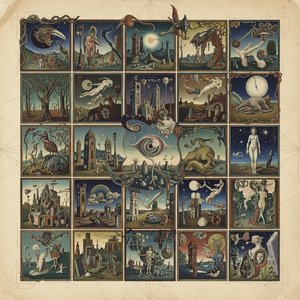
Max Ernst's "The Forest," painted in 1927, isn’t merely a depiction of a landscape; it’s an immersion into the subconscious, a carefully constructed dreamscape rendered with the unsettling beauty characteristic of the artist’s early Surrealist explorations. This intimate canvas – measuring just 25 x 36 cm – holds within its borders a potent collision of natural and urban elements, inviting viewers to contemplate the anxieties and aspirations simmering beneath the surface of modern life. The painting immediately draws the eye upward to a luminous moon dominating the sky, casting an ethereal glow upon the sprawling cityscape below. Buildings rise from the darkness, not as symbols of progress or order, but as strangely distorted monoliths, hinting at a world both familiar and profoundly alien.
Ernst’s technique is deliberately evocative, employing a layered approach that anticipates techniques he would later refine in his collage work. He utilizes loose, expressive brushstrokes, building up the forms of trees and buildings with a sense of urgency and movement. The color palette leans heavily into cool blues and greens, punctuated by the stark white of the moon and the muted tones of the city lights – colors that contribute to the painting’s nocturnal atmosphere and imbue it with a feeling of quiet mystery. Notice how he doesn't meticulously render detail; instead, he favors suggestion and mood, allowing the viewer’s imagination to fill in the gaps.
The Seeds of Surrealism: Ernst’s Intellectual Landscape
Understanding “The Forest” requires acknowledging Max Ernst’s unique artistic trajectory. Born in Brühl, Germany, in 1891, Ernst wasn't a traditional painter; his path was forged through rigorous academic study – philosophy, art history, literature, psychology, and psychiatry at the University of Bonn. This intellectual grounding profoundly shaped his approach to art, moving him beyond mere representation towards exploring the realm of dreams, memory, and the irrational. His father, a teacher of the deaf, instilled in him a sensitivity to the world and a rebellious spirit – qualities that would become central to Ernst’s artistic vision. He was deeply influenced by thinkers like Freud and Jung, particularly their theories on the unconscious mind, which he sought to translate into visual form.
The year 1927 is crucial within this context. It represents a pivotal moment in Ernst's development as a Surrealist, a period marked by experimentation with automatism – a technique of spontaneous creation designed to bypass conscious control and tap directly into the subconscious. "The Forest," therefore, can be seen as a product of this process, a visual manifestation of his inner world.
Symbolic Echoes: Nature Versus Urbanity
The juxtaposition of the forest and the city is laden with symbolic weight. The forest, traditionally associated with nature, instinct, and the primal, stands in stark contrast to the rigid geometry and artificial light of the urban landscape. This isn’t a harmonious blend; rather, it's a tension – a suggestion that the encroachment of modernity threatens to overwhelm the natural world. The moon itself is a potent symbol, often linked to cycles, intuition, and the hidden realms of the unconscious. Its presence elevates the scene beyond a simple cityscape, transforming it into a dreamlike tableau.
Furthermore, consider the distorted forms of the buildings. They aren’t simply architectural structures; they seem to lean inward, almost collapsing under their own weight, mirroring perhaps a sense of unease or anxiety about the future. The trees, though present, are somewhat obscured by the city's glow, hinting at a diminishing connection with nature.
A Timeless Resonance: Reproduction and Artistic Legacy
"The Forest" continues to resonate with viewers today because it taps into fundamental human experiences – the longing for escape, the anxieties of urban life, and the enduring power of the subconscious. TopImpressionists’s meticulously crafted hand-painted reproductions capture not only the visual details of Ernst's original but also its emotional depth and atmospheric quality. Each reproduction is created with the same attention to texture and color as the original, ensuring a faithful representation of this iconic Surrealist masterpiece. Whether you are an art collector seeking to expand your collection or an interior designer searching for a unique piece to elevate a space, a TopImpressionists reproduction of “The Forest” offers a captivating glimpse into the mind of one of 20th-century’s most visionary artists.
Otázky a odpovede
Aká je technika a dátum vytvorenia diela „The Forest“ od Max Ernst?
„The Forest“ vzniklo v roku 1927 technikou Acrylic On Canvas.
Kedy bolo vytvorené dielo „The Forest“ od Max Ernst?
Dielo „The Forest“ od Max Ernst vzniklo v roku 1927.
Je „The Forest“ od Max Ernst obrazom, kresbou alebo grafikou?
„The Forest“ od Max Ernst je klasifikovaný ako WallArt. Táto kategória určuje druh diela, ktorým je originál.
Biografia umelca
A Life Immersed in the Surreal
Max Ernst, narodený Maximilian Maria Ernst dňa 1. apríla 1891 v Brühl, Nemecko, bol duševne plný a neústupný umelec, ktorého život bol sprevádzaný hlbokou zmenením a inovatívnymi prínosmi k umeniu 20. storočia. Jeho cesta bola odlišná od tradičných umeleckých vzdelaní; predstavovala sebaurčenúšku, poháňanú filozofickými úvahamiami, psychologickým záujmom a hlbokým znechutením zo spoločenských konvencií. Jeho otec, učiteľ nepočuliakov a amatérsky maľiar, mu vložil citlivosť k svetu a rebélie proti usadeným autoritám – toto prvé spriadžovanie sa stalo základom jeho umeleckej vize. Ernstovo štúdium na Univerzite v Bonne – zahŕňajúce filozofiu, umenie dejiny, literatúru, psychológiu a psychiatriu – neboli len vedľajšími záujmami, ale hlboko zakorenenými elementmi, ktoré formovali jeho neskoré diela. Nebol len zvedavý na to, *ako* maľovať; skúmal *prečo*. Táto intelektuálna zvídavosť ho priviedla k stretnutiu s revolučnými prácami Picassa, Van Gogha a Gauguina na výstavke Sonderbund v Kolíne roku 1912 – okamih, ktorý neodľahčne zmenil jeho umeleckú trajektóriu. Semená modernizmu boli zasadené.Dadaizmus a Narodenie Surrealistických Vize
Prvá svetová vojna sa stala pre Ernsta významným bodom zlomu. Jeho skúsenosti ako vojaka na východnom a západnom fronte ho hlboko zasiahli, čo viedlo k skeptickému pohľadu na usadené poriadky a túžbe po nových formách vyjadrenia. Toto znechutenie našlo útočisko v burzujúcom Dadaizme, ktorý prijal s nadšením po návrate do Kolína v roku 1918. Spolu s Hansom Arpom – dlhoročným priateľom a spolupracovníkom – sa Ernst stal kľúčovou figúrou kolínskej Dada skupiny, odmietajúc tradičné umelecké konvencie a prijímajúc absurditu, náhodu a protiracionálnosť. Dada však predstavoval len prechodný štág. V začiatkoch 20. rokov sa Ernst presťahoval do Paríža a pripoil sa kPionierske Techniky: Frotáž, Grattáž a Koláž
Ernst bol neustály experimentátor s technikami. Nevyužíval len existujúce metódy – vynájal nové. Možno jeho najznámejšou prínosom je frotáž, proces potierania ceruzky alebo grafitu na textúrované povrchy za účelom vytvorenia neočakávaných a evokujúcich obrazov. Táto technika, ktorá vznikla z momentu nudy pri pozorovaní drevenej struktúry, umožnila Ernstu oslobodiť podvedomie a generovať formy, ktoré sa odporúčali navedenie. Blízko k tomu je grattáž, kde farba je škrabaná po plátne, aby sa odhalili podkladové vrstvy. Využíval aj koláž, zloženie rôznych prvkov – obrázkov z časopisov, vedeckých ilustrácií, fotografií – do surrealistických kompozícií, ktoré vyzývali tradičné chápanie reprezentácie. Tieto techniky neboli len štýlové volby; boli integraľnou súčasťou jeho skúmania podvedomia a túžby po narušení umeleckých hraníc. Jeho maľby často obsahujú opakovacie symbolické obrazy: vtáky (ponožovateľ Loplop), pusté krajiny, znepokojivé juxtaposície a všadeprítomný pocit záhady.Vplyvy a Inšpirácie
Ernst bol ovplyvnený mnohými umelcami a myšlienkami. Picassoho kubistické experimenty, Van Gogha expresívne farby a Gauguina exotické krajiny všetko formovali jeho vnímanie sveta. Okrem toho ho fascinovala psychoanalytická práca Sigmunda Freuda, ktorá ho priviedla k preskúmaniu podvedomia a snových spánkov.Dielo a Dielo
Ernst vytvoril rozsiahlu zbierku diel, ktoré odrážajú jeho experimentálny duch a hlboké záujmy o ľudskú psychiku. Jeho diela sú známe svojou surrealistickou atmosférou, nejasnými obrazmi a využívaním neočakávaných kombinácií farieb a textúr. Medzi jeho najznámejšie diela patria "The Entire City", "Euclides", "Of This Men Shall Know Nothing" a "Forest and Dove". Ernst bol tiež významným grafickým umelcom, ktorý experimentoval s rôznymi technikami tlače, vrátane litografie, gravúry a serigrafie. Jeho grafické diela často obsahujú podobné surrealistické motívy ako jeho maľby, pričom sa zameriava na tematické témy, ako je identita, pamäť a čas.Historický Význam a Dedikácia
Počas druhej svetovej vojny bol Ernst nútený opustiť Európu a našiel útočisko v Spojených štátoch. Pokračoval vo výrobe umenia a experimentovaní s novými technikami počas svojho vyhnanstva, nakoniec sa vrátil do Francúzska po druhej svetovej vojne, kde zostal aktívny až do svojej smrti 1. apríla 1976 v Paríži. Jeho vplyv na neskoršie generácie umelcov je nepopriateľný. Max Ernst bol skutočne revolučný umelec, ktorý preskúmal hranice kreativity a rozšíril chápanie umenia. Jeho diela sú dôkazom síl predstavivosti, priania iracionality a trvalého hľadania porozumenia komplexnosti ľudského psychického sveta.
Max Ernst
1891 - 1976 , Nemecko
Základné informácie
- Artistic Movement Or Style: Dadaizmus, Surrealizmus
- Artists Or Movements Influenced By This Artist:
- Surrealizmus
- Dada
- Artists Who Influenced This Artist:
- Picasso
- Van Gogh
- Gauguin
- Date Of Birth: 2. apríl 1891
- Date Of Death: 1. apríl 1976
- Full Name: Max Ernst
- Nationality: Nemecký/Americký, Francúzsky
- Notable Artworks:
- Ofrenda funeraria
- The Equivocal Woman
- L'Ange du foyer
- Place Of Birth: Brühl, Nemecko
Súvisiace články

Dreamscapes & Disrupted Realities: Exploring Surrealism's Enduring Influence
Explore the fascinating world of Surrealism! Discover its origins, key artists like Dalí & Magritte, and enduring influence on art & culture. Expert insights & high-quality reproductions at TopImpressionists.
Max Ernst: Top 25 diel surrealistického majstra pre váš domov | TopImpressionists
Ponorte sa do sveta Maxa Ernsta! Objavte top 25 diel surrealistického majstra – od Frottage po snové krajiny. Kúpiť reprodukcie obrazov online na TopImpressionists.com a doprajte si luxusný dekor do interiéru.

Beyond Reality's Grasp: Exploring the Philosophical Foundations of Surrealism
Explore the philosophical roots & artistic innovations of Surrealism with TopImpressionists. Discover Dalí, Ernst, Delvaux & Freud's influence on this revolutionary movement. High-quality art reproductions available.

The Enchanted Canopy: Exploring Forests in Art History – From Romantic Idealization to Ecological Consciousness
Explore the rich history of forests in art! Discover Romantic masterpieces by Friedrich & Monet, Symbolist depths, and contemporary visions. Find inspiration & quality reproductions at TopImpressionists.

Top 10 surrealistických majstrovských diel: Umění snov a podvedomia pre váš domov
Ponorte sa do sveta snov a podvedomia! Objavte top 10 surrealistických majstrovských diel od Dalího, Magritta a Miró. Kvalitné art reprodukcie pre váš domov na TopImpressionists.com. Preskúmajte plnú kolekciu online.
Preskúmajte umelecká diela usporiadané podľa tém, štýlov a charakteristík.


