


 Náhľad v interiéri
 Odoslať ako digitálnu kartu
 Zdieľať
 Podrobnosti o dielo
 Príručka

 Stiahnuť obraz
 Podobné položky
 RTG skúška
 Prehliadanie diapozoje
 Q&A
Q&A Štatistiky
The Donne Triptych (detail 2) - (central panel)


Experience the serene beauty of Hans Memling's Early Netherlandish masterpiece featuring the Virgin and Child amidst celestial angels, a luminous window into Renaissance spirituality perfect for your private collection.
 Zobraziť viac
Objavte úžasné diela Hansa Memlinga, majstra raného holandského maliarstva z Brugg! Preskúmajte náboženské scény a portréty tohto popredného flamánskeho umelca, známeho precíznosťou detailov a duchovnou hĺbkou. Navštívte Memlingovo múzeum a obdivujte majstrovské diela ako Posledný súd.
Umelecké dielo zobrazené na tejto stránke je chránené autorským zákonom, čo znamená, že nemôžeme legálne vytvárať ani predávať jeho identickú reprodukciu. Táto ochrana je vymáhaná na základe medzinárodných dohôd, ako napríklad Bernská konvencia a národnými zákonmi, vrátane tých, ktoré sú stanovené v Autorské právo USA – Title 17. Všetky práva vyhradené.
Táto metóda plne dodržiava autorské práva, pretože nezahŕňa kopírovanie ani duplikovanie chráneného diela. Ide skôr o kreatívnu reinterpretáciu – nový obraz, ktorý je ovplybnený originálom, no nie je s ním identický.
Giclée / Umenotlač
Giclée tlač alebo plátno múzeálnej kvality s rýchlou výrobou a rôznymi možnosťami povrchovej úpravy. ( Kúpiť ručne maľovaný obraz Prepnúť na digitálny obraz)




P118B €10

P118H €10

P118W €10

P438Z €10

P508JH €12

P508YH €12

P805H €10

P805Z €10

P919BZ €10

P919G €10

P919XJ €10

P959ZH €10

P968JZ €12

W106C €8

W218G €10

W218JH €8

W218Y €10

W307PJ €10

W316G €10

W316PJ €8

W316Y €10

W398PJ €8

W4111J €10

W500HY €15

W500JH €15

W692G €12

W849H €8

W940BG €15

W953PJ €8




Štandardné
na mieru
CM
INCH
Vyberte si z našich preddefinovaných rozmerov, ktoré zodpovedajú pôvodným pomeroḿ diela.
Loading sizes...

šírka
výška
Zadajte šírku a výšku, ktoré potrebujete, aby sa reprodukcia hodila k vášmu rámu alebo stene. Print možno len orezávať, nikdy však nemennú veľkosť zvětšiť oproti pôvodnému obrázku, preto pri inom formáte stráca časť obrazu. Pred samotným vytlačiacím procesom vám pošleme digitálny náhľad na schválenie. Obrázok zobrazený na tejto stránke nezobrazuje reálny rez — len digitálny náhľad ukazuje presný výsledok.
Celosvetová doprava () do 2 týždňov namiesto štandardných 4 až 5 týždňov. (29 október)

Bezplatná expresná doprava po celom svete

Vysokokvalitné lnianske plátno

Kompletné poistenie prepravy

Záruka vrátenia colného poplatku

Záruka presného farebného zhodnutia

100-dená politika vrátenia tovaru (iba pri vadách)

100% záruka vrátenia peňazí

Zľava pri väčšom množstve
 Možnosť skla je dostupná len pri rozmeroch pod 110 cm

The Donne Triptych (detail 2) - (central panel)
Giclée / Umenotlač
Veľkosť reprodukcie
-


Celková cena
€ 61
A Celestial Encounter in Bruges
In the heart of the fifteenth-century Flemish Renaissance, amidst the bustling, prosperous streets of Bruges, Hans Memling captured a moment of profound divine intimacy that continues to captivate the soul centuries later. The Donne Triptych (central panel) is not merely a painting; it is a window into a sacred realm where the earthly and the divine converge in perfect harmony. At its center, the Virgin Mary cradles the infant Jesus, her presence radiating a serene maternal compassion that anchors the entire composition. This central scene, part of a larger devotional masterpiece commissioned around 1478 for the diplomat Sir John Donne, serves as a breathtaking testament to the spiritual fervor and artistic sophistication of the Early Netherlandish tradition.
The atmosphere of the piece is one of unparalleled tranquility, achieved through Memling’s masterful command of symmetry. Flanking the Virgin, angelic figures are depicted with such delicate grace that one can almost hear the ethereal melodies of the musical instruments they play. This sense of celestial music creates a rhythmic balance, drawing the viewer's eye inward toward the holy figures. Beyond the ornate architectural setting, a stylized landscape unfolds, offering a pastoral counterpoint to the sacred interior. This juxtaposition of the intimate, sheltered sanctuary and the expansive, sunlit countryside reinforces the theme of divine grace permeating all levels of existence, from the most private devotion to the vastness of creation.
The Mastery of Light and Texture
To behold a reproduction of this work is to appreciate the meticulous technical brilliance that defined Memling’s workshop. Following in the footsteps of his mentor, Rogier van der Weyden, Memling utilized the revolutionary medium of oil paint on wood panels to achieve a level of realism previously unseen in Northern Europe. Through the painstaking application of translucent glazes, he layered colors to create a luminous depth, allowing light to appear as if it were emanating from within the figures themselves. This technique brings a startling vitality to the textures of the scene—the soft, velvet-like skin of the Christ Child, the heavy, rich fabrics of the Virgin’s robes, and the cold, precise details of the surrounding architecture.
For the discerning collector or interior designer, this painting offers more than just visual beauty; it provides a profound emotional resonance. The rich palette of deep reds, celestial blues, and warm golds lends a regal dignity to the work, making it an extraordinary focal point for any space dedicated to contemplation or sophisticated elegance. Every brushstroke serves to elevate the subject matter, transforming a religious narrative into a timeless exploration of beauty, peace, and the enduring human connection to the sacred.
Otázky a odpovede
Aká farba dominuje v kompozícii diela „The Donne Triptych (detail 2) - (central panel)“ od Hans Memling?
Dominantnou farbou diela „The Donne Triptych (detail 2) - (central panel)“ od Hans Memling je Quinacridone Magenta (#8f4937).
Je Hans Memling, autor diela „The Donne Triptych (detail 2) - (central panel)“, známy aj pod inými menami?
Medzi ďalšie známe mená umelca Hans Memling, autora diela „The Donne Triptych (detail 2) - (central panel)“, patria aj Hans Memlíng, Johannes Memling, Jan Memling, Hans Memling Z Seligenstadtu.
Aké je umeleckohistorické postavenie diela „The Donne Triptych (detail 2) - (central panel)“ od Hans Memling?
Z historického hľadiska je „The Donne Triptych (detail 2) - (central panel)“ dielo zastúpedobiteľné pre smer Early Netherlandish Painting širšej éry Renaissance.
Biografia umelca
Hans Memling: Majster detailu a mecenášstva v Brugách
Hans Memling (cca 1430 – 11. august 1494), rodený v Seligenstadte, Nemecko, patrí k zásadným postavám raného holandského maliarstva – hnutia charakterizovaného prepracovaným realizmom, dôkladným pozorovaním prírody a hlbokou duchovnou kontempláciou. Hoci jeho formujúce roky strávil predovšetkým v umeleckom prostredí Porýnia, Memlingova cesta ho nakoniec zaviedla do Brug, Belgicka, kde sa etabloval ako jeden z popredných umelcov svojej doby a založil plodný ateliér, ktorý šíril jeho osobitý štýl po celej Európe. Jeho život bol obalený tajomstvom, no práve to dodáva jeho tvorbe zvláštnu aurú a láka k hlbšiemu skúmaniu jeho majstrovstva.Počiatky a formovanie umelca
Presné biografické detaily o Memlingovom narodení zostávajú nejasné, no vedecký konsenzus naznačuje, že pochádzal z Mainzu okolo roku 1430. Jeho umelecké vzdelanie začalo pod vedením Rogiera van der Weydena, titána flámskeho maliarstva, ktorého majstrovstvo v olejomaľbe a sochárskej modelácii hlboko ovplyvnilo Memlingovu techniku. Toto učeníctvo mu vštepilo neochvejnú oddanosť detailu – charakteristickú črtu, ktorá definovala jeho dielo. Van der Weydenova schopnosť zachytiť ľudské emócie a dramatické momenty v živých farbách a prepracovaných kompozíciách zanechala na Memlingovi nezmazateľnú stopu. Práve vďaka nemu sa naučil precíznosti, hlbokému pochopeniu perspektívy a schopnosti oživiť náboženské motívy.Bruggy a rozkvet ateliéru
V roku 1465 získal Memling občianstvo v Brugách, prosperujúcom obchodnom centre a umeleckom epicentre. Uznávajúc potenciál kolaboratívnej kreativity, založil ateliér so zástupmi asistentov, čím podporoval prostredie inovácie a štýlovej konzistencie. Tento ateliér sa stal známy výrobou úžasných reprodukcií majstrovských diel – dôkaz Memlingovej zručnosti ako umelca aj pedagóga. Jeho ateliér nebol len miestom tvorby, ale skutočnou školou, kde sa odovzdávali umelecké znalosti a tradície ďalším generáciám maliarov. Dopyt po jeho dielach rástol a Memlingovi sa podarilo vybudovať rozsiahlu sieť mecenášov a zákazníkov.Štýl definovaný precíznosťou a mecenášstvom
Memlingov umelecký štýl je okamžite rozpoznateľný: charakterizovaný žiarivými farebnými paletami, jemne vykreslenými záhybmi draperie a úžasnou úrovňou anatomickej presnosti. Dôkladne študoval ľudskú anatómiu – čerpal inšpiráciu z klasickej sochy – aby dosiahol bezprecedentný realizmus vo svojich portrétoch aj náboženských scénach. Na rozdiel od mnohých súčasníkov, ktorí uprednostňovali expresívne ťahy štetcom, Memling prioritizoval dôkladné pozorovanie a pracovitú exekúciu, čo viedlo k obrazom plným pokojnej krásy a hlbokej duchovnej hĺbky. Jeho diela neboli len vizuálne oslavou náboženstva, ale aj odrazom spoločenských hodnôt a postavenia mecenášov.Náboženské zakázky a portrétna tvorba
Memlingova reputácia vzrástla vďaka lukratívnym zákazkám od bohatých patrónov – predovšetkým duchovných predstaviteľov a aristokratických rodín – ktorí hľadali zobrazenia svätcov a biblických príbehov, ktoré rezonovali s pobožnosťou a prestížou. Medzi pozoruhodné príklady patrí “Posledný súd” v nemocnici Sv. Jána v Brugách, monumentálna freska demonštrujúca Memlingovu majstrovskú kompozičnú zručnosť a dramatické využitie farieb. Jeho portréty vynikali citlivým zachytením podoby prominentných osobností s pozoruhodnou empatiou a psychologickým vhľadom. Portréty – ako napríklad “Portrét muža so šípkom” – demonštrujú jeho schopnosť odovzdať charakter prostredníctvom subtílnych gest a výrazov tváre, čo upevnilo jeho postavenie medzi najväčšími umelcami svojej éry. Memlingova portrétna tvorba bola nielen umeleckým majstrovstvom, ale aj dôležitým dokumentom spoločenského života v 15. storočí.Vplyv a odkaz
Memlingov umelecký odkaz presahuje jeho vlastnú životnosť. Jeho ateliér vyprodukoval rozsiahly rad obrazov – mnohé nesúcich štýlové podobnosti s jeho pôvodnými dielami – ktoré šíril Memlingovu osobitú estetiku po celých Flandrech a za ich hranice. Okrem toho slúžila Memlingova precízna technika ako inšpirácia pre nasledujúce generácie umelcov, najmä Quintena Massysa, ktorý založil antverpskú školu, čím upevnil Memlingovo postavenie ako základného kameňa flámskeho renesančného umenia. Jeho diela sa stali symbolom dokonalosti a duchovnej hĺbky.Znovuzískanie a trvalá popularita
Memlingove umelecké úspechy zostali do 19. storočia vo veľkej miere zabudnuté, kým ich objavili učenci a obhajovali jeho genialitu. Dnes Memlingove diela – najmä “Posledný súd” – naďalej uchvacujú publikum po celom svete, slúžia ako trvalé symboly umeleckej dokonalosti a duchovnej kontemplácie. Jeho dôkladná pozornosť detailu a hlboké pochopenie ľudskej psychológie zostávajú pozoruhodne relevantné v našom súčasnom ocenení dejín umenia.
Hans Memling
Nemecko
Základné informácie
- Artistic Movement Or Style: Raný holandský štýl
- Artists Or Movements Influenced By This Artist: ['Flámsky primitivizmus']
- Artists Who Influenced This Artist: ['Rogier van der Weyden']
- Date Of Birth: cca 1430
- Date Of Death: 11. august 1494
- Full Name: Hans Memling
- Nationality: Nemecko-Flámsky
- Notable Artworks:
- Nemocnica sv. Jána
- Posledný súd
- Scény z vášní
- Place Of Birth (City And Country): Seligenstadt, Nemecko
Súvisiace články
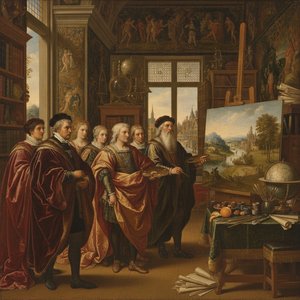
The Timeless Allure of Flemish Painting: A Journey Through Light and Detail
Embark on a luminous journey through the Flemish masters. Discover the alchemical secrets of oil glazing, intricate symbolism, and the breathtaking realism of the Northern Renaissance. An expert exploration of light and detail for the discerning art enthusiast.

The Alchemy of Light: Discovering the Luminous Realism of Early Netherlandish Masters
Embark on a journey through the Northern Renaissance. Discover how Early Netherlandish masters revolutionized art through oil innovation, luminous realism, and profound symbolic depth. Explore the breathtaking technical brilliance of the Flemish masters.

Whimsical Wonders: Curating Impressionist Masterpieces for a Child's Sanctuary of Imagination
Transform your child's room into a sanctuary of wonder with hand-painted Impressionist reproductions. Discover how the soft light of Monet and Renoir can inspire imagination through bespoke, museum-quality oil paintings designed for the next generation of dreamers.

Divine Beauty: The Top 25 Masterpieces by Fra Angelico
Immerse yourself in the divine beauty of Fra Angelico. Explore 25 iconic Renaissance masterpieces, from ethereal frescoes to sacred panel paintings. Find inspiration for museum-quality art reproductions and timeless decor. Discover all masterpieces on TopImpressionists.com.
Preskúmajte umelecká diela usporiadané podľa tém, štýlov a charakteristík.


