

 Náhľad v interiéri
 Odoslať ako digitálnu kartu
 Zdieľať
 Podrobnosti o dielo
 Príručka

 Stiahnuť obraz
 Podobné položky
 RTG skúška
 Prehliadanie diapozoje
 Q&A
Q&A Štatistiky
The Lute Player


Experience Baroque drama with Gentileschi's Lute Player, a masterful study in tenebrism and feminine virtue; discover this timeless piece today.
 Zobraziť viac
Meta Description: Orazio Gentileschi bol významný taliansky barokový maliar, ktorý kombinoval manieristické prvky s dramatickým svetlom Caravaggia. Jeho najznámejšie diela sú „Danae“, „Posolstvo“ a „Proroka Marija“, ktoré ukazujú jeho umeleckú genialitu a pozostatok v histórii umenia.
Giclée / Umenotlač
Giclée tlač alebo plátno múzeálnej kvality s rýchlou výrobou a rôznymi možnosťami povrchovej úpravy. ( Kúpiť ručne maľovaný obraz Prepnúť na digitálny obraz)




P118B €10

P118H €10

P118W €10

P438Z €10

P508JH €12

P508YH €12

P805H €10

P805Z €10

P919BZ €10

P919G €10

P919XJ €10

P959ZH €10

P968JZ €12

W106C €8

W218G €10

W218JH €8

W218Y €10

W307PJ €10

W316G €10

W316PJ €8

W316Y €10

W398PJ €8

W4111J €10

W500HY €15

W500JH €15

W692G €12

W849H €8

W940BG €15

W953PJ €8




Štandardné
na mieru
CM
INCH
Vyberte si z našich preddefinovaných rozmerov, ktoré zodpovedajú pôvodným pomeroḿ diela.
Loading sizes...

šírka
výška
Zadajte šírku a výšku, ktoré potrebujete, aby sa reprodukcia hodila k vášmu rámu alebo stene. Print možno len orezávať, nikdy však nemennú veľkosť zvětšiť oproti pôvodnému obrázku, preto pri inom formáte stráca časť obrazu. Pred samotným vytlačiacím procesom vám pošleme digitálny náhľad na schválenie. Obrázok zobrazený na tejto stránke nezobrazuje reálny rez — len digitálny náhľad ukazuje presný výsledok.
Celosvetová doprava () do 2 týždňov namiesto štandardných 4 až 5 týždňov. (2 november)

Bezplatná expresná doprava po celom svete

Vysokokvalitné lnianske plátno

Kompletné poistenie prepravy

Záruka vrátenia colného poplatku

Záruka presného farebného zhodnutia

100-dená politika vrátenia tovaru (iba pri vadách)

100% záruka vrátenia peňazí

Zľava pri väčšom množstve
 Možnosť skla je dostupná len pri rozmeroch pod 110 cm

The Lute Player
Giclée / Umenotlač
Veľkosť reprodukcie
-


Celková cena
€ 61
A Symphony of Light and Shadow
In the quiet intimacy of Orazio Gentileschi’s The Lute Player, we are invited into a moment of profound sensory immersion. Completed around 1615, this masterpiece serves as a breathtaking window into the early Baroque era, where the boundaries between reality and reverie begin to blur. The scene unfolds with a delicate balance of light and shadow, a hallmark of the tenebrismo technique that was revolutionizing the Roman art scene at the time. A young woman, draped in a luminous golden yellow gown that seems to glow from within, sits poised at the edge of our vision. Her body is turned slightly away, as if she has been caught in a private, meditative moment, her head tilted toward her instrument to catch the very resonance of a note just struck.
Gentileschi, heavily influenced by the dramatic naturalism of Caravaggio, uses light not merely to illuminate, but to sculpt. The luminous glow hitting the subject’s face and hands draws the viewer’s eye inward, emphasizing an inner serenity that contrasts beautifully with the deep, velvety shadows surrounding her. For the discerning collector or interior designer, this interplay of chiaroscuro offers a captivating focal point, bringing a sense of dramatic depth and sophisticated warmth to any curated space.
Symbolism and the Art of Contemplation
Beyond its visual splendor, The Lute Player is a painting steeped in the intellectual currents of the seventeenth century. The subject, believed to be Cecilia Giovanna Gonzaga, represents the aristocratic ideal of the era: a woman of piety, virtue, and refined intellect. Every element within the frame is laden with symbolic weight. The lute itself is far more than a musical instrument; it serves as a profound metaphor for harmony, spiritual devotion, and the disciplined pursuit of intellectual beauty. As the musician leans into her craft, she embodies the humanist ideal of contemplatio—the act of focused, inward reflection.
The surrounding environment further enriches this narrative of musicality and grace. Scattered books and the presence of a violin in the background suggest a life dedicated to the arts and learning. Even the subtle placement of objects on the table adds a layer of domestic tranquility to the scene. This layering of meaning ensures that the painting remains a subject of endless fascination, offering much more than mere decoration; it provides a window into a lost world of elegance and moral purpose.
A Timeless Addition to the Modern Interior
For those seeking to infuse their homes with a sense of history and emotional resonance, a high-quality reproduction of this work offers unparalleled inspiration. The painting’s palette—rich golds, deep shadows, and soft textures—complements both classical and contemporary decor. It possesses a unique ability to anchor a room, providing a conversation piece that speaks of cultural heritage and the enduring power of beauty.
Whether placed in a quiet study to encourage reflection or as a bold statement in a grand living area, The Lute Player brings with it an atmosphere of sophisticated calm. To possess such a work is to hold a fragment of the Baroque spirit, allowing the masterful hand of Orazio Gentileschi to continue its legacy of grace and dramatic intensity within the modern sanctuary.
Otázky a odpovede
Kde a za akým účelom sa odporúča dielo "The Lute Player"?
Odporúčané použitie (Accent) a priestor (Living Room) pre dielo „The Lute Player“ od Orazio Gentileschi.
Ako spája „The Lute Player“ od Orazio Gentileschi smer Baroque s domovinou umelca?
Dielo „The Lute Player“ vytvoril/a Orazio Gentileschi, ktorý/á sa narodil/a v krajine Taliansko, v rámci smeru Baroque. Pôvod umelca spája toto dielo s movementom Baroque, ako ho v krajine Taliansko praktikujú tamojší umelci.
Do ktorej obdobia tvorby Orazio Gentileschi spadá dielo "The Lute Player"?
V rámci kariéry umelca Orazio Gentileschi spadá dielo „The Lute Player“ do obdobia Mature Period, čo umožňuje jeho porovnanie s ostatnými prácami tohto umelca.
Biografia umelca
A Tuscan Dawn: The Life and Art of Orazio Gentileschi
Born in 1563 amidst the rolling hills of Tuscany, Orazio Gentileschi embarked on a journey that would see him become a pivotal figure in the transition from Mannerism to Baroque painting. Initially known as Orazio Lomi, he gravitated towards Rome, then the epicenter of artistic innovation, where he honed his skills within the workshops of Cola dell’Amata and absorbed the architectural sensibilities of Francesco da Sangallo. These early influences instilled in him a meticulous attention to form and composition, characteristics that would remain hallmarks of his style even as it dramatically evolved. Gentileschi’s initial work often involved contributing figures to larger decorative schemes conceived by other artists – a formative experience that taught him collaboration and adaptability, yet also hinted at a burgeoning ambition for independent expression. He was a skilled craftsman, adept at creating detailed and realistic figures within the broader context of elaborate compositions, a skill honed through his early apprenticeship.Embracing the Shadow: Caravaggio’s Influence and Artistic Development
The turn of the 17th century marked a turning point in Gentileschi’s artistic trajectory. The revolutionary naturalism of Caravaggio burst onto the Roman art scene, challenging established conventions with its dramatic use of light and shadow – *tenebrism* – and unflinching realism. Gentileschi was profoundly affected by this seismic shift, adopting elements of Caravaggio's style into his own work. However, he wasn’t merely an imitator; rather, he filtered Caravaggio’s innovations through his existing artistic sensibilities. While retaining the dramatic intensity, Gentileschi softened the harshness of Caravaggio’s *tenebrism*, introducing a lighter palette and a more refined approach to detail. This resulted in paintings that possessed both emotional power and elegant grace – a unique synthesis that distinguished him from his contemporaries. Biblical scenes and mythological narratives became frequent subjects, allowing Gentileschi to explore themes of faith, heroism, and human vulnerability with compelling visual storytelling. His early works often depicted dramatic moments from the Bible, imbued with Caravaggio’s characteristic intensity but softened by a distinctly Tuscan sensibility.A Courtly Wanderer: From Paris to London
Gentileschi’s artistic reputation extended beyond Italy’s borders. His talent attracted the patronage of powerful figures, leading him on a peripatetic journey through Europe. He spent time at the court of Marie de' Medici in Paris, where his refined style resonated with the Queen’s taste for elegance and sophistication. This period saw a further evolution in his work, characterized by increasingly elaborate compositions and a heightened sense of decorum. He was known to be a charming but sometimes difficult personality, demanding respect from his patrons and colleagues alike. However, it was his invitation to England in 1626 that would define the final chapter of his career. Appointed court painter to Charles I, Gentileschi became one of the first major exponents of Caravaggism in Britain, significantly influencing the development of English Baroque painting. He undertook ambitious projects, including a series of ceiling paintings for Greenwich Palace (now Marlborough House), showcasing his mastery of large-scale decorative schemes and solidifying his position as a leading artist of his time. His work in England reflected the prevailing tastes of the court – grand, opulent, and often depicting scenes of royal life.The Legacy of Light and Shadow
Orazio Gentileschi’s contributions to the world of art are multifaceted. He bridged the gap between Mannerism and Baroque, absorbing the innovations of Caravaggio while forging his own distinctive style. His use of vibrant colors, dramatic compositions, and refined technique influenced a generation of artists across Europe. He was instrumental in introducing Caravaggism to England, leaving an indelible mark on the artistic landscape there. But perhaps his most enduring legacy lies in his daughter, Artemisia Gentileschi. Trained in her father’s studio, she emerged as one of the most celebrated female painters of the Baroque era, carrying forward the family's artistic tradition and achieving renown in her own right. Today, Gentileschi’s works are held in prestigious museums and galleries worldwide – from the Uffizi Gallery in Florence to the Accademia Gallery in Venice – testaments to his enduring brilliance and lasting impact on the history of art. His paintings continue to captivate viewers with their emotional depth, technical virtuosity, and timeless beauty.- Major Works: “Danae”, "The Annunciation", "The Virgin Mary"
- Key Influences: Mannerism, Caravaggio
- Artistic Style: Baroque, Dramatic compositions, Bright colors.

Orazio Gentileschi
1563 - 1639 , Taliansko
Základné informácie
- Artistic Movement Or Style: Baroko, Karavaggizmus
- Artists Or Movements Influenced By This Artist:
- Mannerizmus
- Baroková umelnosť
- Artists Who Influenced This Artist:
- Karavaggio
- Francesco da Sangallo
- Date Of Birth: 1563
- Date Of Death: 1639
- Full Name: Orazio Gentileschi
- Nationality: Taliančania
- Notable Artworks:
- Danae
- Anunciácia
- Panna Mária
- Place Of Birth: Tuscany, Taliansko
Súvisiace články

Giclée Prints: Archival Quality & Aesthetic Nuances for the Discerning Collector
Explore the world of giclée prints with TopImpressionists. Learn about archival quality, aesthetic nuances & investment potential. Expert guidance for discerning art collectors seeking museum-quality reproductions and lasting value.

Echoes of Time: Exploring the Enduring Appeal & Historical Context of Vintage Art Prints
Explore the captivating world of vintage art prints! Discover their history, collecting tips & enduring appeal. Expert insights on chromolithography and building a legacy collection with TopImpressionists.
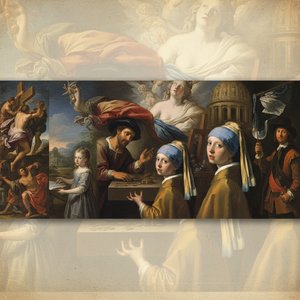
Top 10 majstrovských diel baroka: Umění a dekor pre váš domov
Ponorte sa do sveta baroka! Objavte top 10 majstrovských diel od Caravaggia, Rembrandta a ďalších slávnych maliarov. Reprodukcie obrazov pre luxusný dekor vášho domova na TopImpressionists.com.

Baroková Dráma: Umenie, ktoré prináša nádheru do domova
Objavte nádheru barokového štýlu! Spoznajte jeho históriu, kľúčové prvky a inšpirujte sa tipmi pre váš domov. Kvalitné reprodukcie diel od .

The Visceral Stage: Exploring Dramatic Narratives & Emotional Intensity in Baroque Art
Explore the dramatic world of Baroque art! Discover iconic masters like Caravaggio & Rembrandt, their techniques, and the movement's lasting impact. Expert insights for collectors & enthusiasts at TopImpressionists.
Preskúmajte umelecká diela usporiadané podľa tém, štýlov a charakteristík.

