

 Náhľad v interiéri
 Odoslať ako digitálnu kartu
 Zdieľať
 Podrobnosti o dielo
 Príručka

 Stiahnuť obraz
 Podobné položky
 RTG skúška
 Prehliadanie diapozoje
 Otázky a odpovede
 Štatistiky
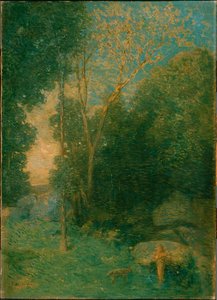
INTERIEUR DE FORET (COMPIEGNE)


Discover 'Interieur de Foret (Compiegne)' by Paul Huet – a captivating Romantic landscape painting. Explore its atmospheric brushstrokes, forest scene & human element. #art #landscapepainting #frenchart
 Zobraziť viac
Paul Huet (1803-1869) bol francúzsky krajinový maliar známy svojím romantickým štýlom a vplyvom na umelcov barbizonickej a impresionistickej školy. Objavte jeho evokatívne akvarely a olejomaľby.
Giclée / Umenotlač
Giclée tlač alebo plátno múzeálnej kvality s rýchlou výrobou a rôznymi možnosťami povrchovej úpravy. ( Kúpiť ručne maľovaný obraz Prepnúť na digitálny obraz)




P118B €10

P118H €10

P118W €10

P438Z €10

P508JH €12

P508YH €12

P805H €10

P805Z €10

P919BZ €10

P919G €10

P919XJ €10

P959ZH €10

P968JZ €12

W106C €8

W218G €10

W218JH €8

W218Y €10

W307PJ €10

W316G €10

W316PJ €8

W316Y €10

W398PJ €8

W4111J €10

W500HY €15

W500JH €15

W692G €12

W849H €8

W940BG €15

W953PJ €8




Štandardné
na mieru
CM
INCH
Vyberte si z našich preddefinovaných rozmerov, ktoré zodpovedajú pôvodným pomeroḿ diela.
Loading sizes...

šírka
výška
Zadajte šírku a výšku, ktoré potrebujete, aby sa reprodukcia hodila k vášmu rámu alebo stene. Print možno len orezávať, nikdy však nemennú veľkosť zvětšiť oproti pôvodnému obrázku, preto pri inom formáte stráca časť obrazu. Pred samotným vytlačiacím procesom vám pošleme digitálny náhľad na schválenie. Obrázok zobrazený na tejto stránke nezobrazuje reálny rez — len digitálny náhľad ukazuje presný výsledok.
Celosvetová doprava () do 2 týždňov namiesto štandardných 4 až 5 týždňov. (3 november)

Bezplatná expresná doprava po celom svete

Vysokokvalitné lnianske plátno

Kompletné poistenie prepravy

Záruka vrátenia colného poplatku

Záruka presného farebného zhodnutia

100-dená politika vrátenia tovaru (iba pri vadách)

100% záruka vrátenia peňazí

Zľava pri väčšom množstve
 Možnosť skla je dostupná len pri rozmeroch pod 110 cm

INTERIEUR DE FORET (COMPIEGNE)
Giclée / Umenotlač
Veľkosť reprodukcie
-


Celková cena
€ 62
The Enveloping Mystery of the Woodland
To stand before Paul Huet’s depiction of an interior forest—Intérieur de Forêt (Compiègne)—is not merely to observe a landscape; it is to step through a veil into a moment suspended between light and shadow. The painting immerses the viewer in the profound, almost palpable atmosphere of a dense woodland. Huet masterfully captures the overwhelming presence of nature, where the vertical thrust of countless tree trunks creates an architectural rhythm, guiding the eye deep into the cool embrace of the woods. This is a scene steeped in the Romantic sensibility, suggesting that the forest itself is a character, whispering secrets only to those who listen closely.
A Study in Light and Atmosphere
Technically, Huet’s handling of oil paint is breathtakingly evocative. One can almost feel the texture beneath the surface; the visible brushstrokes speak to an artist deeply engaged with his medium, prioritizing feeling over flawless polish. The light here is not direct but diffused—a celestial curtain filtering through a thick canopy overhead. This dappled illumination creates pockets of ethereal brightness on the forest floor and catches the edges of foliage, giving the scene a luminous quality despite its deep shadows. The palette relies heavily on earthy greens and rich browns, punctuated by those brilliant, almost accidental touches of yellow and white that suggest hope or revelation within the gloom.
Romantic Echoes and Human Presence
Historically, this work situates itself perfectly within the currents of 19th-century Romanticism. Huet, a pioneer whose vision bridged the gap between academic training and the burgeoning spirit of Impressionism, understood that nature was a mirror for the human soul. The inclusion of a small figure, subtly placed near the lower right corner, is crucial. This solitary presence acts as an anchor, providing scale and narrative focus against the immensity of the woods. It suggests contemplation—a moment where humanity pauses before the sublime power of the natural world, finding both solitude and companionship within its embrace.
Symbolism for the Modern Sanctuary
For the contemporary collector or designer, this piece transcends mere decoration; it functions as an emotional conduit. The forest setting symbolizes retreat, introspection, and the enduring connection to something wild and untamed. It speaks to a modern yearning for sanctuary—a place away from the clamor of urban life. Reproducing Intérieur de Forêt allows one to bring that sense of hushed tranquility into a formal interior space, transforming a room into a contemplative haven. The artwork doesn't shout its beauty; it whispers it, inviting quiet reflection upon its textured, deeply atmospheric surface.
Otázky a odpovede
Akou technikou je vytvorené „INTERIEUR DE FORET (COMPIEGNE)“?
„INTERIEUR DE FORET (COMPIEGNE)“ je realizované v technike Oil On Canvas.
Kde môžem vidieť originál diela „INTERIEUR DE FORET (COMPIEGNE)“ od Paul Huet?
Dielo „INTERIEUR DE FORET (COMPIEGNE)“ od Paul Huet je vystavené v múzeu Louvre, Paris, France. Uvedená informácia o múzeu sa vzťahuje na originál, nie na reprodukcie.
Je dielo „INTERIEUR DE FORET (COMPIEGNE)“ typické pre to, čo Paul Huet zvyčajne tvoril?
„INTERIEUR DE FORET (COMPIEGNE)“ zachytáva forest landscape, romantic art, natural scene, atmospheric view, tree silhouettes, human figure, tranquil nature, dark woods, zatiaľ čo v tvorbe umelca Paul Huet sa pravidelne objavujú témy ako key work in huet's career, demonstrates romantic vision, influential on impressionists, romantic landscape tradition, french barbizon school style, emphasis on atmospheric mood, connection to nature's power, solitude and reflection. Porovnanie týchto dvoch aspektov ukazuje, ako toto dielo nadväzuje na bežné motívy tohto umelca.
Podobné diela



Biografia umelca
Paul Huet: Pionier romantickej krajinnej maľby
Paul Huet (1803–1869) predstavuje kľúčovú, hoci často podceňovanú postavenú v kontexte francúzskeho umenia 19. storočia – krajinára, ktorý zásadne ovplyvnil nielen Barbizonську školu, ale aj rodiacu sa impresionistickú quite. Narodený v Paríži v období prosperujúcej umeleckej klímy, Huetova cesta bola cestou neustáleho pozorovania, hlbokého spojenia s prírodou a vedomého odmietnutia vtedajších neklasických trendov. Jeho dielo nebolo len prostým zachytávaním scenérií; bolo to pokusom zachytiť samotnú podstatu svetla, atmosféry a pomíjavej krásy prírodného sveta, čo upevnilo jeho miesto ako významného inovátora vo francúzskej maľbe.Rané vplyvy a umelecké vzdelanie
Huetov umelecký rozvoj začal pevným základom v tradičných technikách. Prvé poučenie získal od Jeana-Juliena Deltila, niekdajšieho žaka Jacquesa-Louisa Davida, čo nasledovalo štúdium na École des Beaux-Arts pod vedením Pierre Guerina a Antoine-Jean Grosa. Zásadným momentom bolo však stretnutie s Richardom Parkes Boningtonom, spolužiakom v Grosovom ateliéri. Toto stretnutie sa ukázalo ako transformujúce. Boningtonov prístup k plein-air maľbe – práci priamo v prírode – Hueta očaroval a viedol ho k opusteniu prísnej formálnosti neklasicismu a prijatie spontánnejšieho, pozorovacieho štýlu. Britské krajinárske maľby vystavené na Salóne v roku 1824 boli preň ako odhalenie; schopnosť Johna Constablea vykresliť sviežosť a zelenú krásu bez toho, aby sa musel uchýliť k tmným tieňom alebo umelosti, hlboko v ňom rezonovala a formovala jeho vlastnú umeleckú filozofiu. O jeho práci o Constableovi sám povedal známe slová: „možno práve prvýkrát, keď človek pocítil sviežosť, keď uvidel bujnú, zelenú prílohu bez čiernosti, hrubosti či manierizmu.“Barbizonský štýl a holandskí majstri
Huetov štýl sa vyvíjal prostredníctvom fascinujúcej syntézy vplyvov. Pôvodne napodoboval Boningtonovu akvarelovú techniku, no jeho umelecká citlivosť presiahla daleko za jednoduché imitovanie. Hľadal inšpiráciu v atmosférických krajinách holandských majstrov, ako boli Jacob van Ruysdael a Meindert Hobbema, najmä v ich majstrovskom využití svetla a farby na vyjadrenie nálady a atmosféry. Toto obdiv k starým majstrom ovplyvnilo aj jeho vlastný prístup, čo viedlo k vzniku obrazov, ktoré disponovali tichou dôstojnosťou a neuveriteľným pocitom realismu – nie fotografického, ale hlboko prežívaného. Jeho tvorba v tomto období bola charakterizovaná závislou odmietnutím akademických konvencií, uprednostňujúc voľné ťahy štetcom, živé farby a dôraz na zachytenie okamžitého dojmu z prírody.Uznanie v Salóne a politické angažovanie
Huetova umelecká kariéra nadobudla väčší rozmach s jeho debutom na Salóne v roku 1827, kde bolo prijato jedno z jeho ôsmich predložených diel. Po celý rok 30. a 40. 19. storočia pokračoval v pravidelnom vystavovaní na Salóne, čím si postupne budoval reputáciu medzi kritikmi aj zberateľmi. Eugène Delacroix, kolega umelca a blízky priateľ, zastupoval Huetovu tvorbu a vyjadroval obdiv k jej jedinečným kvalitám. Naopak, Étienne-Jean Delécluze ponúkol kritickejší pohľad a vnímal Hueta ako príliš oddaného Constableovi a Turnerovi, čo podľa neho niekedy viedlo k zanedbávaniu základných kompozičných princípov. Okrem umeleckých snôžok bol Huet aj aktívnym účastníkom Júliovej revolúcie v roku 1830 a neskôr sa zapojil do republikánskej politiky, čo odrážalo turbulentné sociálne a politické klima vtedajšej Francúzska. Jeho oddanosť týmto ideálom mu priniesla uznanie od kráľa Louis-Philippe, ktorý mu v roku 1844 daroval pár porcelánových váz z Sèvres, a zlatú medailu na Salóne v roku 1848.Odkaz a umelecký význam
Vplyv Paula Hueta na francúzsku krajinárske maľbu je nesmierny. Jeho inovatívne využitie akvarelu – nie len ako skice, ale ako hlavného prostriedka pre hotové diela – demonštrovalo jeho potenciál dosiahnuť neuveriteľnú hĺbku a bohatosť, často pripomínajúcu olejomaľby. Bol jedným z raných nositeľov plein-air maľby, pričom uprednostňoval priame pozorovanie prírody pred prácou v ateliéri. Čo je však dôležitejšie, Huetov dôraz na zachytávanie pomíjavých efektov svetla a atmosféry zásadne ovplyvnil Barbizonskú školu a neskôr aj impresionistov. Umenci ako Théodore Rousseau a Jean-François Millet, ktorí sa snažili maľovať priamo z prírody s dôrazom na vidiecky život a krajinu, majú dlhoplug v Huetovom pionierskom prístupe. Jeho dielo stojí ako dôkaz sily pozorovania, krásy jednoduchosti a trvalého čaru zachytávania podstaty prírodného sveta. V roku 1869 zomrel v Paríži a zanechal po sebe bohatú tvorbu, ktorá stále očaráva divákov svoju evokatívnou atmosférou a hlbokým prepojením s prírodou.
Paul Huet
1803 - 1869 , Francúzsko
Základné informácie
- Artistic Movement Or Style: Romantická krajina
- Artists Or Movements Influenced By This Artist:
- Barbisonská škola
- Impresionisti
- Artists Who Influenced This Artist:
- Rembrandt
- John Constable
- Eugène Delacroix
- Date Of Birth: 1803-10-03
- Date Of Death: 1869-01-08
- Full Name: Paul Huet
- Nationality: Francúz
- Notable Artworks:
- Villa pri Ríme
- Effet du Soir
- Sous bois avec un étang
- Place Of Birth: Paríž, Francúzsko
Súvisiace články

Capturing the Soul: The Emotional Magic and Sublime Grandeur of Romantic Landscape Painting
Explore the profound emotional depth of Romantic landscape painting. Discover how masters like Friedrich and Turner captured the sublime through light, shadow, and nature's power in this expert art history retrospective for discerning collectors.
Capturing the Soul: The Emotional Majesty and Sublime Power of Romantic Landscape Painting
Explore the profound emotional depth of Romantic landscape painting. Discover how masters like Turner and Friedrich captured the sublime power of nature through intuition and imagination in this expert art history retrospective.