

 Náhľad v interiéri
 Odoslať ako digitálnu kartu
 Zdieľať
 Podrobnosti o dielo
 Príručka

 Stiahnuť obraz
 Podobné položky
 RTG skúška
 Prehliadanie diapozoje
 Otázky a odpovede
 Štatistiky
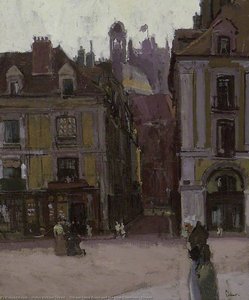
The Bar Parlour

- 104.0 x 158.0 cm


Explore 'The Bar Parlour' by Walter Richard Sickert – an evocative Impressionist painting capturing London nightlife and featuring three figures in a dimly lit bar setting.
 Zobraziť viac
Walter Sickert (1860-1942) – kontroverzný britský impresionista, známy svojimi realistickými záľubami v Londýne a hudobných zariadeniach. Jeho diela odrážajú modernú atmosféru a ľudské tvary.
Giclée / Umenotlač
Giclée tlač alebo plátno múzeálnej kvality s rýchlou výrobou a rôznymi možnosťami povrchovej úpravy. ( Kúpiť ručne maľovaný obraz Prepnúť na digitálny obraz)




P118B €10

P118H €10

P118W €10

P438Z €10

P508JH €12

P508YH €12

P805H €10

P805Z €10

P919BZ €10

P919G €10

P919XJ €10

P959ZH €10

P968JZ €12

W106C €8

W218G €10

W218JH €8

W218Y €10

W307PJ €10

W316G €10

W316PJ €8

W316Y €10

W398PJ €8

W4111J €10

W500HY €15

W500JH €15

W692G €12

W849H €8

W940BG €15

W953PJ €8




Štandardné
na mieru
CM
INCH
Vyberte si z našich preddefinovaných rozmerov, ktoré zodpovedajú pôvodným pomeroḿ diela.
Loading sizes...

šírka
výška
Zadajte šírku a výšku, ktoré potrebujete, aby sa reprodukcia hodila k vášmu rámu alebo stene. Print možno len orezávať, nikdy však nemennú veľkosť zvětšiť oproti pôvodnému obrázku, preto pri inom formáte stráca časť obrazu. Pred samotným vytlačiacím procesom vám pošleme digitálny náhľad na schválenie. Obrázok zobrazený na tejto stránke nezobrazuje reálny rez — len digitálny náhľad ukazuje presný výsledok.
Celosvetová doprava () do 2 týždňov namiesto štandardných 4 až 5 týždňov. (5 november)

Bezplatná expresná doprava po celom svete

Vysokokvalitné lnianske plátno

Kompletné poistenie prepravy

Záruka vrátenia colného poplatku

Záruka presného farebného zhodnutia

100-dená politika vrátenia tovaru (iba pri vadách)

100% záruka vrátenia peňazí

Zľava pri väčšom množstve
 Možnosť skla je dostupná len pri rozmeroch pod 110 cm

The Bar Parlour
Giclée / Umenotlač
Veľkosť reprodukcie
-


Celková cena
€ 63
A Glimpse into London's Twilight: The Soul of Sickert's Bar Parlour
In the quiet, amber-hued corners of early twentieth-century London, Walter Richard Sickert found his most profound muses. The Bar Parlorp, painted in 1922, serves as a masterful window into a world that exists in the soft periphery of the bustling metropolis. This evocative piece captures a fleeting moment of repose within a dimly lit establishment, where the boundaries between public life and private intimacy begin to blur. Through his distinctive lens, Sickert does not merely document a scene; he invites the viewer to sit at the table, to feel the weight of the afternoon shadows, and to become a silent participant in this intimate tableau of everyday existence.
The composition is anchored by three figures who inhabit the space with a natural, unforced grace. Two women are seated at a table, their presence suggesting a shared confidence or perhaps a momentary respite from the world outside, while a man leans against the counter behind them, his posture embodying the weary yet watchful character of the urban dweller. There is a profound sense of theatricality in this arrangement—a nod to Sickert’s own early ambitions on the London stage. Every element, from the scattered bottles on the counter to the humble loaf of bread resting on the table, contributes to a narrative of domesticity found within the public sphere, creating a scene that feels both deeply personal and universally recognizable.
The Mastery of Impressionistic Light and Texture
Technically, The Bar Parlour is a triumph of late Impressionist sensibility. Sickert eschews the sharp, clinical lines of realism in favor of loose, expressive brushstrokes that prioritize atmosphere over anatomical precision. This technique allows the light to perform its own magic; rather than being a harsh, direct force, the illumination is soft and diffused, as if filtering through a haze of tobacco smoke and dust motes. The color palette is a sophisticated study in earth tones—deep ochres, warm umbers, and muted shadows—which coalesce to create an inviting, nostalgic warmth that wraps around the viewer like a heavy velvet curtain.
For the discerning collector or interior designer, this painting offers more than mere decoration; it provides a focal point of profound emotional depth. The texture of the paint itself adds a tactile dimension to the work, suggesting the weathered surfaces of the bar and the soft fabrics of the figures' attire. When rendered as a high-quality reproduction, the interplay of light and shadow retains its ability to transform a room, lending an air of sophisticated melancholy and timeless elegance to any curated space. It is a piece that does not demand attention through loudness, but rather commands it through a quiet, irresistible magnetism.
A Legacy of Shadows and Human Connection
To understand the emotional resonance of this work, one must consider Sickert’s unique position as an artist caught between German heritage and British urbanity. His fascination with the "marginalized" and the "unseen" is palpable here. There is no grand historical drama unfolding in The Bar Parlour; instead, the drama lies in the subtle psychological tension between the characters and the heavy, comforting stillness of their environment. It is a celebration of the mundane, elevated to the level of high art through sheer observational genius.
Owning or displaying a reproduction of this masterpiece allows one to bring a piece of London's historical soul into the modern home. It serves as a reminder of the beauty found in the quiet intervals of life—the moments of stillness amidst the chaos of progress. For those seeking to infuse their interiors with a sense of history, warmth, and intellectual depth, Sickert’s vision offers an unparalleled source of inspiration, bridging the gap between the fleeting present and the enduring past.
Otázky a odpovede
Je možné legálne reprodukovať dielo „The Bar Parlour“ od Walter Richard Sickert, ktoré sa nachádza v múzeu Fitzwilliam College?
Dielo „The Bar Parlour“ od Walter Richard Sickert, ktoré sa nachádza v múzeu Fitzwilliam College, je v v slobodnom prostredí – autorské práva vypršali. Tento stav určuje, či je možné vytvárať reprodukcie tohto obrazu.
Čo zobrazuje „The Bar Parlour“ od Walter Richard Sickert a akú náladu vyvoláva?
„The Bar Parlour“ od Walter Richard Sickert zachytáva london life, bar parlour scene, interior painting, early 20th century, figure composition, earth tones palette, domestic setting v Elegant nálade. Predmet a atmosféra spoločne definujú toto dielo.
Patrí „The Bar Parlour“ od Walter Richard Sickert do verejnej domény?
Stav autorských práv pre „The Bar Parlour“ od Walter Richard Sickert: dielo je v stave v slobodnom prostredí – autorské práva vypršali. To určuje, či je možné voľne vytvárať reprodukcie tohto obrazu.
Podobné diela




Biografia umelca
Walter Richard Sickert: A Life Painted in Shadows and Light
Walter Richard Sickert, narodený v Mníchu v roku 1860, bol umeliec, ktorého život a dielo boli neustále spájané s prechodmi – nemčina ako pôvod, britská adopcia a umelcova vnútorná oscilácia medzi tradíciami maľby a novom impresionizmom. Jeho rané roky boli plné pohybu; rodinná migrácia do Anglicka v roku 1868, spôsobená politickými premenami na kontinente, zakorenila v ňom pocit odcudzenia, ktorý možno považovať za hnaciu silu jeho celoživotného záujmu o outsiderov a marginalizovaných ľudí. Aj keď pochádzal z rodiny umelcov – jeho otec Oswald Sickert bol dánsky maľiar – mladý Walter prvotne túžil po kariére na scéne, kde krátko účinkoval ako herec po boku známeho Sir Henryho Irvinga. Tento skorý zážitok z výkonu, z umenia ilúzie a postavy hlboko ovplyvnilo jeho umelecké videnie, čím obohatilo jeho maľby o divadelnosť a psychologickú hĺbku, ktoré ho odlišovali od svojich rovnakov. Napriek tomu však priaznivý pôvod v umelckej rodine ho viedol k štúdiu na Slade School v roku 1881 a neskôr sa stal oddaným učníkom Jamesa Abbott McNeilla Whistlera. Toto mentorstvo bolo zásadné, pretože Sickertovi vnuklo preferenciu pre tonálne studie maľované *alla prima*, priamo z prírody, a vkus, ktorý bol základom jeho skorého diela. Vplyv Whistlera však nebol len technický; podnietil obdiv k umeleckej nezávislosti a ochotu vyzvať konvenčné normy.Londýnska Podzemná Sféra a Pút Moderného Života
Sickertova umelecká kompasová hlava sa rýchlo obrátila smerom k živým, často drsným realitám Londýna. Stal sa fascinovaným atmosférou mesta – hudobných sál, priestorov plných energie, šou a rozmanitej spoločnosti. Jeho maľby z tejto doby, ako je Katie Lawrence at Gatti's, sú pozoruhodné pre svoju bezkompromisný portrét týchto prostredí a ich obyvateľov. Nie išlo o jednoduché reprezentácie; išlo o skúmanie moderného urbánneho života, zachytávanie plynúcorýchlostných momentov a čiernych emócií zažívajúcich v týchto priestoroch. Hľadal niečo viac ako len obraz – hľadal interpretáciu sveta tak, ako bol skutočne žitý, ne ideálne reprezentovaný. Tento záväzok k realizmu vyvolal kontroverziu. Kritici považovali jeho postavy za "hrozné" a "hanbivé", čo vyzývalo spoločnosť, ktorá uprednostňovala idealizované reprezentácie. Sickertova ochota zobrazovať obyčajných ľudí, najmä ženských umelkýnych, s úprimnosťou a bez romantického šálku, bol provokačný akt, ktorý naznačoval posun k sociálnemu realizmu v 20. storočí. Jeho čas strávený v Dieppe, Francúzsku, od roku 1894 sa tiež ukázal ako zásadný, ponúkol nové perspektívy na svetlo, farby a kompozíciu, zatiaľ čo jeho následné návštevy Benátok ďalej zlepšili jeho prístup k zobrazovaniu vnútorných priestorov a komplexných usporiadkov postáv. On sám nebol len dokumentátor toho, čo videl; chcel to interpretovať prostredníctvom vlastného, osobitného pohľadu, obohatil aj najobyčajnejšie scény o pocit záhady a psychologického napätia.Katalyzátor Zmeny: Camden Town Group a Ďalšie
S nástupom 20. storočia sa Sickert stal kľúčovou postavou v rozvíjajúcom sa britskom avantgardnom hnutí. V roku 1888 sa pripojí k New English Art Club, čím sa zaradil medzi umelcov, ktorí prijali impresionistické princípy. Neskôr zohráva kľúčovú úlohu v založení Camden Town Group v roku 1911 – skupiny umelcov venujúcich sa zobrazovaniu moderného života s nezvratnou úprimnosťou a novým štýlom. Sickertova vplyv na túto skupinu bol hlboký, povzbudzoval ich, aby sa odmietli akademické obmedzenia a skúmali nové formy vyjadrenia. Zdôrazňoval nezvyčajný pohľad na mestské prostredie, zameraný na bežné scény a obyvateľov. Jeho maľby z tejto doby často zobrazovali znepokojivé témy, ako je jeho séria znepokojivých, nejednoznačných diel s názvom Camden Town Murder, odrážajúca rastiacu fascináciu s kriminalitou a psychologickým napätím. Tento záväzok k zameraniu sa na ťažké témy zabezpečil mu povesť provokatívneho a výzvového umelca. Nebol len zaujatý tým, čo videl; chcel ponoriť sa do tmavších zákutí ľudskej psychiky, skúmať témami ako alienácia, úzkosť a morálna neurčitnosť.Dielo a Dedičiná
Sickertovo dielo je zachytené v najväčších múzeách po celom svete, čo zabezpečuje, že jeho videnie bude inšpirovať a vyvádzať divákov naďalej. Bol katalyzátorom zmeny v britskej umení, ktorý položil základy pre ďalšie generácie umelcov, aby prijali modernizmus a skúmali nové cesty vyjadrenia. Jeho vplyv je viditeľný v dielach mnohých maľiarov, ktorí nasledovali, najmä tých, ktorí boli spojený s London Groupom a inými avantgardnými hnutiami. Sickertova odvážna vôľa, záväzok k realizmu a ochota vyzvať konvencie zanechali trvalý odkaz v dejinách britského umenia – umelca, ktorý sa odvážil pozrieť za povrch, postaviť sa nepohodlnym pravdám moderného života a zachytiť ich na plátne.Kľúčové Detaily & Vplyvy
- Narodil: 31. mája 1860, Mníchov
- Umrel: 22. januára 1942, Bathampton
- Kľúčové vplyvy: James Abbott McNeill Whistler, Edgar Degas
- Spojené skupiny: New English Art Club, Camden Town Group

Walter Richard Sickert
1860 - 1942 , Nemecko
Základné informácie
- Artistic Movement Or Style: Po-impressionizmus
- Artists Or Movements Influenced By This Artist: ['Camden Town Group']
- Artists Who Influenced This Artist:
- Whistler
- Degas
- Date Of Birth: 31. máj 1860
- Date Of Death: 22. január 1942
- Full Name: Walter Richard Sickert
- Nationality: Britský
- Notable Artworks:
- Katie Lawrence
- Sinn Féiners
- Dieppe
- Place Of Birth: Mníchov, Nemecko
Súvisiace články

Walter Sickert: A Shadowy Realism & the Modern British Canvas
Explore the life & work of Walter Sickert, a pivotal British painter bridging Impressionism to Modernism. Discover his evocative scenes of London life, controversial legacy, and lasting influence on 20th-century art.

Impresionizmus: Top 10 diel, ktoré definovali revolúciu v umení | TopImpressionists
Ponorte sa do sveta impresionizmu s top 10 dielami od Monet, Renoir a ďalších majstrov. Objavte príbehy, techniky a farebnú krásu tohto revolučného umenia na TopImpressionists.com. Reprodukcie obrazov pre váš domov.

Richard Hayley Lever: A Study in British Impressionism & Coastal Light
Explore the captivating world of Richard Hayley Lever (1876-1958), a master of Impressionism renowned for his vibrant coastal scenes. Discover his life, style & legacy with TopImpressionists.

Za hranicami svetla a farby: Impresionizmus verzus Postimpresionizmus pre náročného zberateľa
Ponúkame hĺbkový pohľad na impresionizmus a postimpresionizmus pre náročných zberateľov umenia. Investičné rady, hodnotenie diel a tipy pre budovanie exkluzívnej zbierky.

25 Majstrovských Diel z National Gallery v Londýne: Umění pre Váš Domov | TopImpressionists.com
Objavte 25 ikonických diel z National Gallery v Londýne! Van Gogh, Monet, Rembrandt a ďalší majstri. Prežite príbehy umenia a nájdite dokonalé plátno pre váš interiér na TopImpressionists.com – kvalita múzejnej úrovne.