

 Náhľad v interiéri
 Odoslať ako digitálnu kartu
 Zdieľať
 Podrobnosti o dielo
 Príručka

 Stiahnuť obraz
 Podobné položky
 RTG skúška
 Prehliadanie diapozoje
 Otázky a odpovede
 Štatistiky
Search


A vibrant red and orange surrealist composition featuring textured layers and abstract figures by American artist William Frederick Halsey Jr., offering a profound sense of movement for your collection.
 Zobraziť viac
Explore the art of William Frederick Halsey Jr., a multifaceted American figure known for maritime paintings & subtle contributions to US art. Discover his works at Mariners' Museum & Gibbes Museum.
Umelecké dielo zobrazené na tejto stránke je chránené autorským zákonom, čo znamená, že nemôžeme legálne vytvárať ani predávať jeho identickú reprodukciu. Táto ochrana je vymáhaná na základe medzinárodných dohôd, ako napríklad Bernská konvencia a národnými zákonmi, vrátane tých, ktoré sú stanovené v Autorské právo USA – Title 17. Všetky práva vyhradené.
Táto metóda plne dodržiava autorské práva, pretože nezahŕňa kopírovanie ani duplikovanie chráneného diela. Ide skôr o kreatívnu reinterpretáciu – nový obraz, ktorý je ovplybnený originálom, no nie je s ním identický.
Giclée / Umenotlač
Giclée tlač alebo plátno múzeálnej kvality s rýchlou výrobou a rôznymi možnosťami povrchovej úpravy. ( Kúpiť ručne maľovaný obraz Prepnúť na digitálny obraz)




































Štandardné
na mieru
CM
INCH
Vyberte si z našich preddefinovaných rozmerov, ktoré zodpovedajú pôvodným pomeroḿ diela.
Loading sizes...

šírka
výška
Zadajte šírku a výšku, ktoré potrebujete, aby sa reprodukcia hodila k vášmu rámu alebo stene. Print možno len orezávať, nikdy však nemennú veľkosť zvětšiť oproti pôvodnému obrázku, preto pri inom formáte stráca časť obrazu. Pred samotným vytlačiacím procesom vám pošleme digitálny náhľad na schválenie. Obrázok zobrazený na tejto stránke nezobrazuje reálny rez — len digitálny náhľad ukazuje presný výsledok.
Celosvetová doprava () do 2 týždňov namiesto štandardných 4 až 5 týždňov. (9 november)

Bezplatná expresná doprava po celom svete

Vysokokvalitné lnianske plátno

Kompletné poistenie prepravy

Záruka vrátenia colného poplatku

Záruka presného farebného zhodnutia

100-dená politika vrátenia tovaru (iba pri vadách)

100% záruka vrátenia peňazí

Zľava pri väčšom množstve
 Možnosť skla je dostupná len pri rozmeroch pod 110 cm

Search
Giclée / Umenotlač
Veľkosť reprodukcie
-


Celková cena
€ 62
A Charleston native, William Halsey achieved wide recognition as one of the premier artists of the South
Otázky a odpovede
Kde sa v rámci opakujúcich sa tém umelca William Frederick Halsey Jr. umiestňuje dielo „Search“?
Medzi opakujúce sa témy umelca William Frederick Halsey Jr. patrí surrealist influence, abstracted human figures, vibrant color palette, historical museum piece, part of naval legacy; dielo „Search“ sa zameriava na abstract, surrealism, red color scheme, textured paint, figures, vibrant colors.
Z akého obdobia pochádza dielo „Search“ od William Frederick Halsey Jr.?
„Search“ pochádza z obdobia Modern.
Kto je autorom diela "Search" a do ktorého umeleckého smeru patrí?
Za dielom „Search“ stoja William Frederick Halsey Jr. a hnutie Surrealism.
Biografia umelca
The Dual Legacy of William Frederick Halsey Jr.
In the grand tapestry of American history, certain names are woven into the fabric of military triumph, while others reside in the quiet, contemplative corners of fine art. William Frederick Halsey Jr. (1882–1959) is a figure who occupies both realms, though his identity is often bifurcated by the sheer magnitude of his naval command. Born on October 30, 1882, in Elizabeth, New Jersey, Halsey’s early years were shaped by a discipline that would later define his leadership during World War II. Before he was a Fleet Admiral commanding vast oceanic theaters, he was a young man navigating the academic and social landscapes of the University of Virginia and the United States Naval Academy. His time at the Academy was marked not only by rigorous study but by a spirited athleticism, earning his letter in football as a fullback and contributing to the "Lucky Bag" yearbook—a subtle hint at the creative inclinations that would persist beneath his military exterior.
While history books predominantly celebrate his strategic brilliance and his role in shaping United States Navy strategy, there exists a more delicate, artistic dimension to his life. Halsey’s engagement with the arts provides a fascinating counterpoint to the steel and salt of his naval career. His work, though often overshadowed by the thunder of naval battles, possesses a quiet dignity that speaks to the observant eye of a man accustomed to watching the horizon. This artistic pursuit was not merely a hobby but a way of interpreting the world through a lens of composition and light, finding beauty in the maritime environments that would later become his professional domain.
Artistic Contributions and Maritime Vision
The art of William Frederick Halsey Jr. is characterized by its connection to the sea and the subtle nuances of American life. Unlike the grand, sweeping historical canvases of his era, much of his contribution lies in a more subdued, evocative style that captures the essence of maritime themes. His ability to translate the vastness of the ocean and the specificities of naval atmosphere into visual form allows us to glimpse the world through the eyes of a commander who lived among the waves. This connection is most notably seen in works such as Search, which resides within the prestigious Gibbes Museum of Art in Charleston, showcasing his ability to contribute meaningfully to the American artistic canon.
His collection of work serves as a bridge between the rigid structure of military life and the fluid expression of fine art. The presence of his pieces in significant institutions highlights a legacy that transcends the battlefield:
- The Mariners' Museum and Park: A repository for maritime-themed art where his works find a natural home among the history of the sea.
- Wells College: An eclectic setting that showcases the breadth of his artistic reach within American academic collections.
- Gibbes Museum of Art: A testament to his ability to engage with the fine art traditions of the American South and beyond.
A Life of Multifaceted Service
To study Halsey is to study the complexity of a man who could command fleets and contemplate canvas with equal intensity. His life serves as a profound testament to the multifaceted nature of human endeavor. While his naval achievements—reaching the highest ranks and influencing the course of global conflict—are well-documented and undeniably monumental, his artistic endeavors offer a more intimate portrait of his character. He was a man of action, yes, but also a man of observation.
The historical significance of Halsey lies not just in the victories won at sea, but in the quiet persistence of his creative spirit. He reminds us that even amidst the most harrowing responsibilities of leadership, there remains a space for the aesthetic and the contemplative. His legacy is a dual one: a pillar of American military strength and a subtle, enduring contributor to the visual history of his nation. Through his art, we are invited to look past the uniform and discover the soul of an artist hidden within the commander.

William Frederick Halsey Jr.
1882 - 1959 , United States of America
Základné informácie
- Full Name: William Frederick Halsey Jr.
- Nationality: American
- Date Of Birth: 1882
- Date Of Death: 1959
- Place Of Birth: Elizabeth, United States of America
- Notable Artworks: ['Search']
- Artistic Movement Or Style: Maritime Art
- Artists Or Movements Influenced By This Artist: ['Naval Art']
Súvisiace články

Mark Rothko: Top 25 dielo pre milovníkov umenia a luxusného interiéru
Ponorte sa do sveta Marka Rothka s TopImpressionists.com! Objavte top 25 diel abstraktného expresionizmu, farebných plôch a hlbokých emócií. Kúpiť reprodukcie obrazov online a inšpirujte sa pre luxusný interiérový dizajn. Preskúmajte celú kolekciu na TopImpressionists.com
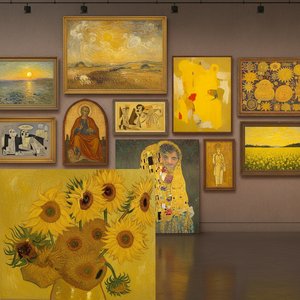
Top 10 slávnych obrazov v odtieňoch chrómovej žltej: Majstri a ich farebná symfónia | TopImpressionists.sk
Objavte top 10 slávnych obrazov v odtieňoch chrómovej žltej! Van Gogh, Monet a ďalší majstri. Farebná symfónia impresionizmu a postimpresionizmu pre váš interiér. Reprodukcie obrazov na TopImpressionists.com – umenie s príbehom.

The Golden Hue: Exploring Symbolism & Emotion in Yellow Art
Explore the rich symbolism & emotional power of yellow in art history! From Van Gogh to Kandinsky, discover how artists used this vibrant hue. Expert analysis & high-quality reproductions at TopImpressionists.

Crimson Threads of Narrative: Exploring Symbolism & Representation in Artworks Featuring the Red Dress
Explore the rich symbolism of the red dress in art history! From ancient power displays to iconic portraits like Cézanne’s 'Madame Cezanne', discover the cultural and artistic significance behind this captivating color. Expert analysis & insights.
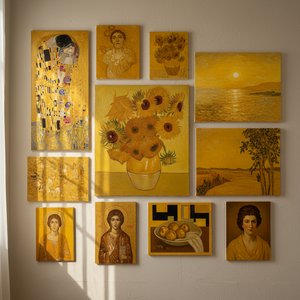
Top 10 slávnych obrazov s dominantnou žltou okrou – Majstri a ich farebná symfónia | TopImpressionists.sk
Objavte top 10 slávnych obrazov s dominantnou žltou okrou! Van Gogh, Monet a ďalší majstri impresionizmu. Inšpirujte sa farebnými dielami pre váš interiér a kúpite kvalitné reprodukcie na TopImpressionists.sk.