

 Náhľad v interiéri
 Odoslať ako digitálnu kartu
 Zdieľať
 Podrobnosti o dielo
 Príručka

 Stiahnuť obraz
 Podobné položky
 RTG skúška
 Prehliadanie diapozoje
 Otázky a odpovede
 Štatistiky
School Boy

- 56.0 x 48.0 cm


A tranquil portrait of a young boy in contemplative repose by Harlem Renaissance master William H. Johnson captures a soulful moment of stillness that invites you to bring this piece of American history into your home.
 Zobraziť viac
William H. Johnson (1901-1970) bol kľúčový americký maliar Harlem Renaissance, známy svojimi expresívnymi portrétmi a zobrazeniami života Afroameričanov v štýle ľudového umenia. Preskúmajte jeho silné modernistické diela plné symbolismu a duchovnosti.
Umelecké dielo zobrazené na tejto stránke je chránené autorským zákonom, čo znamená, že nemôžeme legálne vytvárať ani predávať jeho identickú reprodukciu. Táto ochrana je vymáhaná na základe medzinárodných dohôd, ako napríklad Bernská konvencia a národnými zákonmi, vrátane tých, ktoré sú stanovené v Autorské právo USA – Title 17. Všetky práva vyhradené.
Táto metóda plne dodržiava autorské práva, pretože nezahŕňa kopírovanie ani duplikovanie chráneného diela. Ide skôr o kreatívnu reinterpretáciu – nový obraz, ktorý je ovplybnený originálom, no nie je s ním identický.
Giclée / Umenotlač
Giclée tlač alebo plátno múzeálnej kvality s rýchlou výrobou a rôznymi možnosťami povrchovej úpravy. ( Kúpiť ručne maľovaný obraz Prepnúť na digitálny obraz)




P118B €10

P118H €10

P118W €10

P438Z €10

P508JH €12

P508YH €12

P805H €10

P805Z €10

P919BZ €10

P919G €10

P919XJ €10

P959ZH €10

P968JZ €12

W106C €8

W218G €10

W218JH €8

W218Y €10

W307PJ €10

W316G €10

W316PJ €8

W316Y €10

W398PJ €8

W4111J €10

W500HY €15

W500JH €15

W692G €12

W849H €8

W940BG €15

W953PJ €8




Štandardné
na mieru
CM
INCH
Vyberte si z našich preddefinovaných rozmerov, ktoré zodpovedajú pôvodným pomeroḿ diela.
Loading sizes...

šírka
výška
Zadajte šírku a výšku, ktoré potrebujete, aby sa reprodukcia hodila k vášmu rámu alebo stene. Print možno len orezávať, nikdy však nemennú veľkosť zvětšiť oproti pôvodnému obrázku, preto pri inom formáte stráca časť obrazu. Pred samotným vytlačiacím procesom vám pošleme digitálny náhľad na schválenie. Obrázok zobrazený na tejto stránke nezobrazuje reálny rez — len digitálny náhľad ukazuje presný výsledok.
Celosvetová doprava () do 2 týždňov namiesto štandardných 4 až 5 týždňov. (6 november)

Bezplatná expresná doprava po celom svete

Vysokokvalitné lnianske plátno

Kompletné poistenie prepravy

Záruka vrátenia colného poplatku

Záruka presného farebného zhodnutia

100-dená politika vrátenia tovaru (iba pri vadách)

100% záruka vrátenia peňazí

Zľava pri väčšom množstve
 Možnosť skla je dostupná len pri rozmeroch pod 110 cm

School Boy
Giclée / Umenotlač
Veľkosť reprodukcie
-


Celková cena
€ 62
A Moment of Quietude: The Soulful Presence of School Boy
In the quiet corners of mid-century American portraiture, few works capture the tender vulnerability of childhood as poignantly as William H. Johnson’s School Boy. Painted in 1945, this intimate masterpiece invites the viewer into a private sanctuary of rest and reflection. The subject, a young boy seated with a composed yet contemplative posture, rests upon a chair characterized by its striking red frame and vibrant yellow cushion. This deliberate use of color does more than merely decorate the scene; it provides a rhythmic pulse to the composition, contrasting the warmth of the furniture against the soft, perhaps even weary, presence of the child. Clad in what appears to as pajamas, the boy exists in that liminal space between the structured demands of the school day and the restorative embrace of home, offering a glimpse into a moment of profound stillness.
Johnson’s technique in this piece serves as a bridge between the raw honesty of folk art and the sophisticated structural elements of modernism. The artist employs a meticulous attention to detail that breathes life into the boy's facial expression and body language. His hands, placed firmly and symmetrically in his lap, anchor the composition, suggesting a sense of groundedness and internal calm. Through deliberate brushwork, Johnson captures the texture of fabric and the weight of the child's limbs, creating a tactile reality that pulls the observer into the room. The painting does not merely depict a person; it captures an atmosphere—a heavy, beautiful tranquility that resonates with anyone who has ever sought solace in the quietude of a long afternoon.
The Legacy of a Visionary: Context and Emotional Resonance
To understand the depth of School Boy, one must look toward the profound cultural landscape from which William H. Johnson emerged. As a pivotal figure of the Harlem Renaissance, Johnson’s work was deeply informed by his roots in South Carolina and his connection to the spiritual and oral traditions of African American life. While this specific painting leans into a more intimate, portrait-driven style, it carries the unmistakable DNA of his larger mission: to find the extraordinary within the ordinary. The painting serves as a testament to the resilience and dignity of the human spirit, finding monumental importance in the simple act of a child sitting in repose.
For the discerning collector or interior designer, this reproduction offers more than just a visual centerpiece; it provides an emotional anchor for a room. The piece possesses a unique ability to harmonize with diverse decor styles, from contemporary minimalist settings to classic, traditional interiors, due to its balanced palette and emotive power. It acts as a window into a period of American history marked by both struggle and profound artistic rebirth. Bringing School Boy into a living space invites a sense of introspection and peace, making it an ideal selection for those looking to curate an environment that celebrates heritage, quiet strength, and the timeless beauty of the human narrative.
Otázky a odpovede
Ako sa vzájomne dopĺňajú farby diela „School Boy“?
Farby diela „School Boy“ od William H. Johnson vykazujú Unified Palette harmóniu. Harmónia popisuje vzájomný vzťah medzi farbami.
Aký emocionálny tón sprevádza štýl Harlem Renaissance diela „School Boy“?
Reflective emócia diela „School Boy“ dopĺňa jeho štýl, ktorý patrí do smeru Harlem Renaissance.
V akom rozмере sa odporúča tlačiť dielo „School Boy“?
Odporúčaná veľkosť tlače pre dielo „School Boy“ od William H. Johnson je Small.


Biografia umelca
William H. Johnson: Hlas Odhodlanosti a Vízie
William Henry Johnson (1901–1970) patrí medzi kľúčové osobnosti amerického umenia, obzvlášť v žiarivom kontexte renesancie Harlemu. Narodený vo Florence, Južná Karolína, jeho umelecká cesta začala uprostred zložitostí Jim Crowových zákonov, ktoré formovali jeho pohľad na svet a hlboko ovplyvnili jeho jedinečný vizuálny jazyk – zmes modernistickej abstrakcie a hlboko zakorenených ľudových tradícií, ktorá rezonuje dodnes. Johnsonove rané roky v ňom prebudili silné spojenie s afroamerickou kultúrou a spiritualitou. Vstrebal vplyvy gospelovej hudby, ústnych tradícií odovzdávaných z generácie na generáciu a ikonografie náboženstva Yoruba, prvky ktoré sa stali neoddeliteľnou súčasťou jeho umeleckého procesu. Toto zakorenenie v orálnej tradícii sa prejavilo na plátnach plných symbolickej imagery – duchmi, zvieratami a geometrickými vzormi – ktoré niesli príbehy o boji, vytrvalosti a duchovnom transcendovaní. Jeho umelecký vývoj sa odohrával naprieč kontinentmi, od Európy po Mexiko, kde si zdokonalil svoje zručnosti experimentovaním s rôznymi médiami vrátane olejových farieb, akvarelov a koláží. Prijal techniky ako impasto – nanášanie hrubých vrstiev pigmentu – aby svojim obrazom vdýchol hmatateľnú textúru a emocionálnu intenzitu. Tento prístup odrážal expresívny zápal charakteristický pre Expresionizmus, no Johnson si zachoval jedinečnú estetiku zakorenenú v jeho osobnom dedičstve. Johnsonova tvorba sa vyznačuje úžasnou rozmanitosťou tém – portréty zachytávajúce dôstojnosť a odolnosť afroamerických jednotlivcov, krajiny zobrazujúce krásu vidieckeho Južnej Karolíny a fantastické vízie skúmajúce témy mýtov a spirituality. Medzi pozoruhodné diela patrí “Čierny Kristus” (1938), monumentálne plátno presiaknuté symbolikou Yoruba, ktoré silne komunikuje vieru a súcit; "Veľký Duch" (1964), ktorý stelesňuje Johnsonovo skúmanie šamanskej imagery a duchovnej púte; a “Čierny chlapec” (1937), dojemné zobrazenie detskej nevinnosti čeliacou nepriazni osudu. Johnson bol silne ovplyvnený Johnom Wollastonom, ktorého portrétna tvorba ho inšpirovala v jeho vlastnom prístupe k zachytávaniu ľudskej podoby a individuality. Počas svojho pobytu v Európe sa stretol s rôznymi umeleckými smermi, no vždy zostal verný svojej vlastnej vízii a koreňom. Jeho štúdium na National Academy of Design v New Yorku mu poskytlo základné technické zručnosti, ktoré neskôr rozvinul a prispôsobil svojmu jedinečnému štýlu. Popri umeleckých úspechoch siaha Johnsonovo dedičstvo aj do jeho role pedagóga a mentora, ktorý podporoval talenty mladších umelcov, ktorí prijali podobné štylistické skúmania. Jeho vplyv je viditeľný v nasledujúcich generáciách afroamerických maliarov, ktorí sa snažili artikulovať zážitky identity a kultúrneho dedičstva prostredníctvom inovatívnych vizuálnych slovníkov. Dnes sú Johnsonove obrazy umiestnené v prestížnych múzeách po celom svete – vrátane Smithsonian American Art Museum a Hampton University Museum – svedectvo ich trvalej umeleckej hodnoty a historického významu ako symbolov renesancie Harlemu a jej záväzku zobrazovať čierny život s úprimnosťou a dôstojnosťosťou.Vplyvy a Vývoj Umeleckého Štýlu
Johnsonova umelecká cesta nebola lineárna, ale dynamická evolúcia formovaná osobnými skúsenosťami a rozsiahlym štúdiom rôznych kultúrnych tradícií. Počiatočné roky strávil cestovaním po Európe, kde sa stretával s prácou európskych modernistov a experimentoval s rôznymi technikami. Táto fáza jeho tvorby bola charakteristická hľadaním vlastného výrazu a prebúdzajúcim sa záujmom o afroamerické dedičstvo. Návrat do Spojených štátov znamenal zásadný zlom v Johnsonovej tvorbe. Pod dojmom rasových nepravostí a sociálnej nerovnosti, ktoré zažíval, sa začal intenzívne venovať zobrazovaniu života afroamerických komunít. Jeho obrazy zo 30. rokov sú plné silných portrétov robotníkov, farmárov a bežných ľudí, ktorých dôstojnosť a odolnosť oslavoval prostredníctvom jednoduchých, ale expresívnych foriem. Vplyv náboženstva Yoruba, ktoré objavil počas štúdií v Mexiku, sa stal kľúčovým prvkom jeho umeleckého jazyka. Symbolika duchov, zvierat a geometrických vzorov sa prejavila na plátnach ako prostriedok komunikácie hlboko zakorenených spirituálnych presvedčení a kultúrnej identity. Johnsonova technika impasta, nanášanie hrubých vrstiev farby, dodávala jeho obrazom hmatateľnú textúru a emocionálnu intenzitu, čím zdôrazňoval ich expresívny charakter.Kľúčové Diela a Symbolika
Johnsonova tvorba je bohatá na ikonické diela, ktoré odrážajú jeho osobný štýl a hlboké posolstvo. “Čierny Kristus” (1938) je jedným z jeho najznámejších obrazov, ktorý zobrazuje postavu Krista s rysmi afroameričana. Toto plátno je presiaknuté symbolikou Yoruba a komunikuje silné posolstvo viery, utrpenia a spásy. “Veľký Duch” (1964) predstavuje Johnsonovo skúmanie šamanskej imagery a duchovnej púte. Obraz zobrazuje postavu ducha obklopenú symbolickými zvieratami a geometrickými vzormi, ktoré odrážajú jeho záujem o spirituálne tradície a kultúrnu identitu. “Čierny chlapec” (1937) je dojemné zobrazenie detskej nevinnosti čeliacou nepriazni osudu. Obraz zachytáva portrét mladého chlapca s výrazom smútku a odhodlania, ktorý symbolizuje boj afroamerických komunít za rovnosť a spravodlivosť. Johnsonova tvorba sa vyznačuje využívaním jednoduchých foriem, silných farieb a expresívnej techniky impasta. Jeho obrazy sú plné symbolickej imagery, ktorá komunikuje hlboko zakorenené spirituálne presvedčenia a kultúrnu identitu.Historický Význam a Dedičstvo
William H. Johnson patrí medzi kľúčové osobnosti renesancie Harlemu, umeleckého a literárneho hnutia, ktoré oslavovalo afroamerickú kultúru a identitu v 20. rokoch a 30. rokoch minulého storočia. Jeho obrazy zachytávajú život afroamerických komunít s úprimnosťou a dôstojnosťosťou, čím odrážajú ich boj za rovnosť a spravodlivosť. Johnsonova tvorba je dôležitá aj preto, lebo prelomila stereotypy o afroamerickom umení a ukázala jeho rozmanitosť a bohatstvo. Jeho obrazy sú plné silných portrétov, krajín a fantastických vízií, ktoré odrážajú jeho osobný štýl a hlboké posolstvo. Johnsonovo dedičstvo siaha aj do jeho role pedagóga a mentora, ktorý podporoval talenty mladších umelcov, ktorí prijali podobné štylistické skúmania. Jeho vplyv je viditeľný v nasledujúcich generáciách afroamerických maliarov, ktorí sa snažili artikulovať zážit
William H. Johnson
1901 - 1970 , Spojené štáty americké
Základné informácie
- Artistic Movement Or Style: Harlem Renaissance; Expresionizmus
- Artists Or Movements Influenced By This Artist: ['Expresionizmus']
- Artists Who Influenced This Artist: ['John Wollaston']
- Date Of Birth: 1901
- Date Of Death: 1970
- Full Name: William Henry Johnson
- Nationality: Američan
- Notable Artworks:
- The Black Christ
- The Great Spirit
- Black Boy
- Place Of Birth (City And Country): Florence, USA
Súvisiace články

Mark Rothko: Top 25 dielo pre milovníkov umenia a luxusného interiéru
Ponorte sa do sveta Marka Rothka s TopImpressionists.com! Objavte top 25 diel abstraktného expresionizmu, farebných plôch a hlbokých emócií. Kúpiť reprodukcie obrazov online a inšpirujte sa pre luxusný interiérový dizajn. Preskúmajte celú kolekciu na TopImpressionists.com
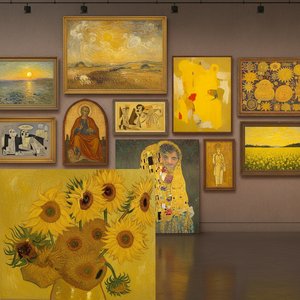
Top 10 slávnych obrazov v odtieňoch chrómovej žltej: Majstri a ich farebná symfónia | TopImpressionists.sk
Objavte top 10 slávnych obrazov v odtieňoch chrómovej žltej! Van Gogh, Monet a ďalší majstri. Farebná symfónia impresionizmu a postimpresionizmu pre váš interiér. Reprodukcie obrazov na TopImpressionists.com – umenie s príbehom.

Crimson Threads of Narrative: Exploring Symbolism & Representation in Artworks Featuring the Red Dress
Explore the rich symbolism of the red dress in art history! From ancient power displays to iconic portraits like Cézanne’s 'Madame Cezanne', discover the cultural and artistic significance behind this captivating color. Expert analysis & insights.

The Golden Hue: Exploring Symbolism & Emotion in Yellow Art
Explore the rich symbolism & emotional power of yellow in art history! From Van Gogh to Kandinsky, discover how artists used this vibrant hue. Expert analysis & high-quality reproductions at TopImpressionists.
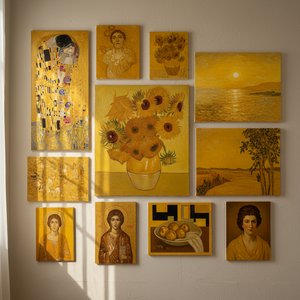
Top 10 slávnych obrazov s dominantnou žltou okrou – Majstri a ich farebná symfónia | TopImpressionists.sk
Objavte top 10 slávnych obrazov s dominantnou žltou okrou! Van Gogh, Monet a ďalší majstri impresionizmu. Inšpirujte sa farebnými dielami pre váš interiér a kúpite kvalitné reprodukcie na TopImpressionists.sk.