

 Náhľad v interiéri
 Odoslať ako digitálnu kartu
 Zdieľať
 Podrobnosti o dielo
 Príručka

 Stiahnuť obraz
 Podobné položky
 RTG skúška
 Prehliadanie diapozoje
 Q&A
Q&A Štatistiky
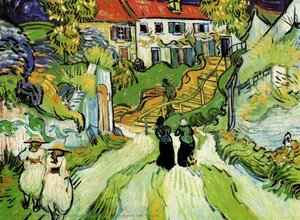
Les Petits Blageurs


A vibrant village scene filled with lively social interaction defines this 1956 masterpiece by Haitian visionary Wilson Bigaud, inviting you to bring the colorful spirit of Caribbean Expressionism into your home.
 Zobraziť viac
Discover Wilson Bigaud's vibrant Haitian paintings! Capturing light & daily life, influenced by Hector Hyppolite. Explore his murals & legacy at TopImpressionists.com.
Získajte súbor pripravený na tlač, ktorý ponúka oveľa vyššiu kvalitu než online náhľad. Každý predávaný digitálny obraz pochádza z vysokorozlíseného originálu v našej databáze – zvyčajne s šírkou 5 000 až 15 000 pixelov – takže môžete s istotou tlačiť vo veľkom formáte, vytvárať detailné výrezy alebo reprodukovať jemné detaily.
Žiadny súbor neopustí naše štúdio bez úprav. Digitálny expert kontroluje farby v porovnaní s originálnym obrazom a v prípade potreby ich opraví, následne nástrojmi na profesionálnu retuš zvyšuje mieru ostrosti a detailov — pričom vždy zostáva verný umeleckému ťahu štetca a štýlu autora. Výsledkom je obraz, ktorý pôsobí ako samotné dielo, nie ako naskenovaný snímok s filtrom.
Schvaľujete ešte pred dokončením: náš expert vám obrazový súbor do 72 hodín pošle e-mailom na kontrolu. Nie ste spokojní? Požiadajte o vylepšenia alebo opravy, prípadne si môžete vyžiadať vrátenie platby, ak kvalita nedosahuje očakávanú úroveň.
Táto kvalita je základom dôvery vydavateľov, dizajnových štúdií, galérií a tlačovníkov.
Digitálny obraz
Stiahnite si vysokorozlíšený súbor na osobné zobrazovanie, tlačenie a kreatívne projekty. ( Prepnúť na tlač Kúpiť ručne maľovaný obraz)
Súčasťou každej objednávky digitálneho obrazu
Garantovaná expertná digitálna distribúcia
Keď si vyberiete TopImpressionists.com, nezískate len obyčajný obrázok – získate profesionálne upravené digitálne umenie, vytvorené s maximálnou precíznosťou a podložené zárukou vašej spokojnosti. Tu je všetko, čo je súčasťou vašej objednávky automaticky:

Rýchle doručenie e-mailom
Vaša vysokorozlíšená digitálna súprava obrázkov vám bude zaslaná e-mailom do 72 hodín od objednávky – pripravená na okamžité použitie.

Digitálny súbor s vylepšením AI
Vaše dielo je profesionálne optimalizované pomocou pokročilých nástrojov umelej inteligencie a manuálnej úpravy, čo zaručuje maximálnu mieru detailov, čistotu a presnosť farieb.

Bezplatné celoživotné opätovné doručenie
Súbor ste náhodou zmazali alebo ste ho stratili? Žiadne starosti – kedykoľvek vám ho môžeme poslať znova, úplne bez poplatkov.

Bez poplatkov za dovoz – navždy
Užite si svoje umenie okamžite bez colných poplatkov, daní alebo nákladov na dopravu – digitálne stiahnutia sú vždy oslobodené od dane.

Garantovaná presnosť farieb
Pomocou profesionálnych nástrojov a farebného manažmentu zabezpečujeme, aby vaša digitálna fotografia čo najpresnejšie odrážala pôvodné farby.

Záruka spokojnosti 100 dní
Ak nebudete spokojní so svojím digitálnym obrázkom, upravíme ho alebo vám v priebehu 100 dní vrátime 100% – bez zbytočných otázok.

100% Záruka vrátenia peňazí
Nie ste spokojní? Získajte plnú náhradu platby do 100 dní od prijatia digitálneho súboru – bez zbytočných otázok.

Zľavy pri veľkom odbere
Pri kúpe 3 obrázkov získate zľavu 10% - Pri kúpe 5 obrázkov získate zľavu 15% - Pri kúpe 10+ obrázkov získate zľavu 20%. Ideálne pre kreatívne projekty, galérie a agentúry.
A Vibrant Tapestry of Haitian Life
In the heart of his 1956 masterpiece, Les Petits Blageurs, Wilson Bigaud invites the viewer into a sun-drenched moment of communal joy, capturing the very soul of a Haitian village. The canvas breathes with the energy of a bustling street scene, where at least fourteen individuals are woven into a complex social fabric. Some figures rest peacefully upon the earth, while others stand in animated conversation, their gestures suggesting the rhythmic flow of local gossip and shared laughter. This is not merely a depiction of a crowd; it is an intimate portrait of togetherness. The setting itself—a charming blend of rustic rural charm and structured urban elements—is punctuated by the presence of potted greenery and humble bowls that hint at a recent or ongoing feast, grounding the scene in the tangible, sensory realities of daily life.
Bigaud’s approach to this composition reflects his profound roots in sculpture, translating a three-dimensional understanding of form into a two-dimensional explosion of color. The technique is characterized by a vibrant, almost luminous palette that captures the intense Caribbean light. Each figure possesses a weight and presence that speaks to the artist's early training in clay, giving the inhabitants of this village a sculptural dignity. The interplay between the architectural lines of the surrounding houses and the organic, fluid movements of the people creates a dynamic tension, drawing the eye across the canvas in a continuous loop of discovery. For the collector or interior designer, this piece offers a rhythmic complexity that serves as a magnificent focal point, capable of injecting warmth and a sense of narrative depth into any sophisticated space.
The Spirit of Caribbean Expressionism
To understand Les Petits Blageurs is to understand the legacy of Wilson Bigaud, a visionary who bridged the gap between traditional Haitian motifs and the broader movement of Caribbean Expressionism. Created during a period of significant cultural flowering in Haiti, the painting serves as a window into a world where community is the ultimate sanctuary. The symbolism within the work is found not in cryptic icons, but in the very act of gathering; the shared bowls and the proximity of the figures symbolize the resilience and interconnectedness of the Haitian spirit. There is an emotional resonance here that transcends time—a celebration of the "small talk" and the quiet moments of leisure that constitute the true essence of human connection.
For those seeking to adorn a home or gallery with art that tells a story, this reproduction offers more than just aesthetic beauty; it offers an atmosphere. The painting’s ability to evoke a sense of lively, social warmth makes it an ideal selection for spaces designed for gathering and conversation. It carries with it the historical weight of Bigaud's journey from Port-au-Prince sculptor to international painter, making each brushstroke a testament to a life dedicated to capturing the vibrant pulse of his homeland. Owning a piece of this caliber is an invitation to preserve a fragment of Haitian history and to surround oneself with the enduring light of communal joy.
Otázky a odpovede
Akú techniku a štýl charakterizuje „Les Petits Blageurs“ od Wilson Biguad?
„Les Petits Blageurs“ je vytvorené v technike Painting v štýle Haitian Expressionism.
Kedy bolo dielo „Les Petits Blageurs“ vytvorené a k ktorému umeleckému smeru patrí?
Dielo „Les Petits Blageurs“ vzniklo v roku 1956 v rámci smeru Haitian Expressionism.
Do ktorého obdobia tvorby Wilson Biguad patrí dielo „Les Petits Blageurs“?
Dielo „Les Petits Blageurs“ pochádza z obdobia Mature Period v tvorbe umelca Wilson Biguad. Táto klasifikácia spája toto dielo s vývojom umeleckej dráhy autora.
Podobné diela




Životopis umelca
A Life Shaped by Clay and Canvas
Wilson Bigaud began his life in Port-au-Prince, Haiti, finding his first expression through the tactile world of sculpture. As a child, he worked with clay, molding figures that captured the weight and presence of the earth. This early focus on three-dimensional form gave him a unique way of seeing volume and light, a skill that would later define his paintings. His path changed when DeWitt Peters encouraged him to move away from carving and toward the two-dimensional surface of the canvas.
The legendary Hector Hyppolite played a significant role in bringing Bigaud into the Centre d'Art in 1946. Through this connection, he found himself part of a community where art was deeply tied to the rhythms of Haitian life. His work often drew from his own memories of the city, pulling from the sights and sounds of social gambling, Vodou ceremonies, and local melodramas. He did not merely paint scenes; he recorded the atmosphere of his surroundings.
The Weight of Color and Light
Bigaud developed a style that relied on thick layers of paint, known as impasto, to create surfaces you could almost feel. He had a particular way of using light and shadow to give his figures weight. While he was influenced by the techniques of artists like Edvard Munch and Oskar Kokoschka, his subject matter remained firmly rooted in the streets and traditions of Haiti. His palette often featured a specific, strange yellow light that bathed his scenes, from cemetery gatherings to village life.
His paintings often explored the tension between joy and hardship. He captured the energy of Carnival and the solemnity of religious life with equal intensity. Some of his most notable subjects included:
- The rituals of Vodou ceremonies
- Scenes of poverty and social gambling
- The movement of the rhythms of drums and rara
- Biblical narratives reimagined through a local lens
Recognition and Personal Struggles
In 1950, at the age of nineteen, Bigaud achieved international notice when his painting “Paradise” won second place at an International Exhibit in Washington, D.C. That same year, he worked on one of his most significant large-scale projects, a mural for the Holy Trinity Cathedral in Port-au-Prince depicting the wedding at Cana. This work allowed him to use scale to tell stories of faith and community.
However, the pressure of his success and the political shifts in Haiti took a heavy toll on his well-being. Between 1957 and 1961, Bigaud faced periods of acute depression and entered a mental institution. During these difficult years, he eventually retreated to Petit-Goave to find peace. When he returned to painting in the mid-sixties, some observers noted that the fire of his earlier work had changed, reflecting more of the fear and defeat he had experienced. Yet, even in these later years, works like “Village Wedding” showed a persistent spirit and an ability to reclaim the energy of his youth.

Wilson Biguad
1931 - 2010 , Haiti
Základné informácie
- Artistic Movement Or Style: Caribbean Expressionism
- Artists Or Movements Influenced By This Artist: ['Contemporary Haitian artists']
- Artists Who Influenced This Artist:
- Hector Hyppolite
- Edvard Munch
- Oskar Kokoschka
- Full Name: Wilson Biguad
- Nationality: Haitian
- Notable Artworks:
- Paradise
- The Wedding at Cana
- Untitled (Guédés at the Cemetary)
- Place Of Birth: Port-au-Prince, Haiti
- Date Of Birth: 1931
- Date Of Death: 2010