Biografia umelca
Zheko Spiridonov: A Pioneer of Bulgarian Neoclassicism
Zheko Spiridonov (1867-1945) stands as a pivotal figure in the nascent art scene of post-liberation Bulgaria, a sculptor whose work bridged the gap between European academic traditions and the burgeoning national identity of his country. Born in Shumen, Bulgaria, Spiridonov’s journey to artistic prominence was marked by rigorous training and a dedication to both classical forms and the representation of Bulgarian history and culture. His career unfolded against the backdrop of significant social and political shifts, shaping him into one of the most important sculptors of his era.
Spiridonov's early education began at the School of Ceramics in Bechyně, Czech Republic, a strategic placement chosen by the Ministry of Enlightenment to expose him to European artistic practices. This initial exposure proved invaluable, providing a foundation in technical skill and an understanding of classical modeling techniques. However, his true artistic development accelerated with his subsequent studies at the Munich Academy of Fine Arts, where he graduated with a silver medal – a testament to his burgeoning talent and adherence to the rigorous standards of the academic school. The influence of Munich is undeniable in his later work; Spiridonov embraced the neoclassical style prevalent in the city, characterized by its emphasis on idealized forms, precise detail, and a sense of dignified restraint. This stylistic choice reflected both a conscious effort to emulate established European masters and a desire to imbue Bulgarian sculpture with an air of authority and timelessness.
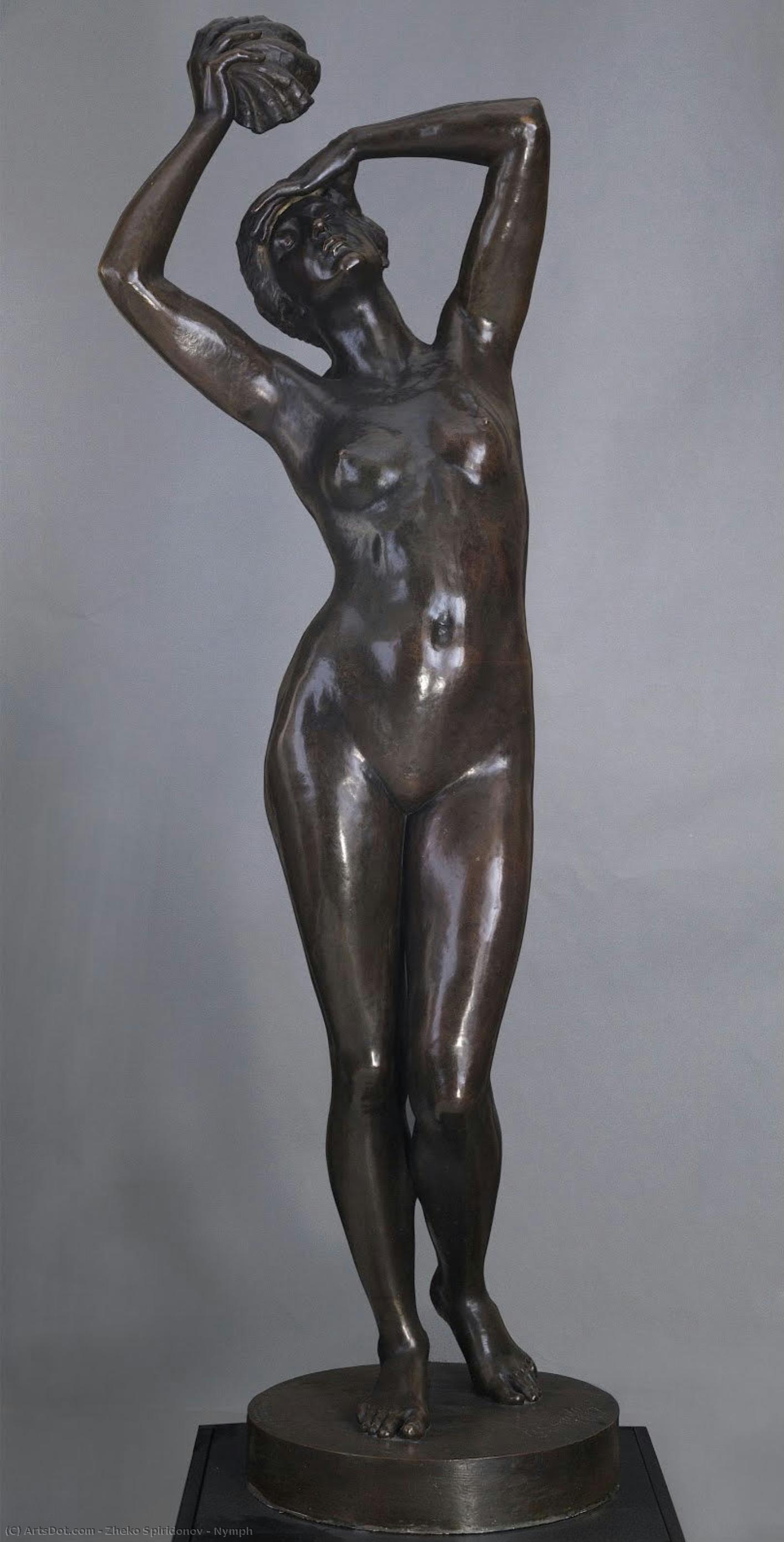
Following his graduation, Spiridonov returned to Bulgaria and quickly ascended to positions of influence within the country’s developing artistic landscape. He became one of the first lecturers and professors at the newly established State School of Drawing in Sofia (later the National Academy of Art), a role he held on three separate occasions, demonstrating his commitment to nurturing future generations of artists. Beyond his teaching duties, Spiridonov distinguished himself through a series of significant commissions – most notably, the creation of representative easel portraits executed in the spirit of Munich academicism. These portraits, often depicting national revival leaders and revolutionary figures, served as powerful visual narratives of Bulgaria’s historical trajectory. He also carved a gallery of bust monuments honoring key personalities from the National Revival period, solidifying his reputation as a sculptor deeply invested in shaping Bulgaria's cultural identity. Notably, Spiridonov was among the first Bulgarian sculptors to venture into depicting nudes in the neoclassical style, a bold move that challenged prevailing artistic conventions and signaled a shift towards greater realism and humanism within Bulgarian sculpture.
Early Influences and Artistic Style
Spiridonov’s artistic development can be traced back to several key influences. The Munich Academy provided him with the technical skills and formal training essential for mastering classical sculpting techniques. However, his exposure to Czech ceramics instilled in him an appreciation for craftsmanship and attention to detail. Furthermore, he was deeply influenced by the prevailing neoclassical style of the 19th century, characterized by its emphasis on idealized forms, balanced compositions, and a sense of timelessness. This stylistic choice is evident in many of his works, particularly his portraits and bust monuments, which often depict subjects with an air of dignified solemnity and classical beauty. His work demonstrates a remarkable ability to capture the essence of his subjects while adhering to the principles of neoclassical sculpture.
Key Works and Historical Significance
Spiridonov’s artistic output encompasses a diverse range of projects, each contributing to the evolution of Bulgarian sculpture. His portraits, particularly those depicting figures from the National Revival period, are considered masterpieces of their genre. These works not only capture the likenesses of historical figures but also convey their personalities and ideals with remarkable skill. The bust monuments he created – honoring revolutionaries, intellectuals, and cultural leaders – played a crucial role in shaping Bulgaria’s collective memory and celebrating its national heritage. His work on the monument to Vasil Levski in Karlovo is particularly noteworthy, embodying the spirit of Bulgarian resistance and sacrifice. Beyond these monumental works, Spiridonov's early nudes, executed with a sensitivity rarely seen in contemporary sculpture, represented a significant step forward for Bulgarian art, demonstrating his willingness to challenge artistic conventions and explore new avenues of expression.
Legacy and Lasting Impact
Zheko Spiridonov’s contribution to Bulgarian art is profound and enduring. He played a pivotal role in establishing the foundations of modern sculpture in post-liberation Bulgaria, introducing European academic traditions while simultaneously forging a distinctly Bulgarian artistic voice. His influence extended beyond his own creations; he mentored generations of artists at the National Academy of Art, shaping the course of Bulgarian sculpture for decades to come. His work continues to be studied and admired today, serving as a testament to his skill, vision, and dedication to the art of sculpting. He remains a key figure in understanding the development of Bulgarian artistic identity during a period of significant social and political transformation. His legacy is inextricably linked to the nation's efforts to define itself through art and culture.


 Objednať reprodukciu
 Odoslať
 Zdieľať
 Podrobnosti o dielo

 Stiahnuť
 Podobné diela
 RTG skúška
 Prezentácia


 Zobraziť viac






































 Možnosť skla je dostupná len pri rozmeroch pod 110 cm



