Pregledaj u prostoru
 Pošalji
 Podeli
 Detalji o delu
 Vodič
Vodič

 Preuzmi
 Slični predmeti
 Rendgenski snimak
 Automatska prezentacija
 Q&A
Q&A Statistika
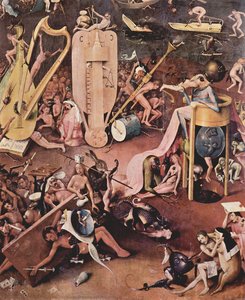
Рајска Земља


Херонимијус Бош у делу „Рајска Земља“ приказује Адама и Еву у богатом последињском скупу, бави се темама искупљења и морала у сложеном симболичком свету. Истражите ово шедевра!
 Pročitaj više
Хијеронимиј Бош (1450-1516), ренесансни холандски мајстор сурреализма и симболизама, познат по својим емоционалним и дивљим делима као што су Садржаље земљних радости и Последње суђење – трајан утицај на историју слике.
Giclee štampa / Umetnički otisak
Giclée štampa ili print na platnu muzejskog kvaliteta uz brzu izradu i raznovrsne opcije završne obrade. ( Kupite ručno oslikano delo Pređi na digitalnu sliku)




P118B дин10

P118H дин10

P118W дин10

P438Z дин10

P508JH дин12

P508YH дин12

P805H дин10

P805Z дин10

P919BZ дин10

P919G дин10

P919XJ дин10

P959ZH дин10

P968JZ дин12

W106C дин8

W218G дин10

W218JH дин8

W218Y дин10

W307PJ дин10

W316G дин10

W316PJ дин8

W316Y дин10

W398PJ дин8

W4111J дин10

W500HY дин15

W500JH дин15

W692G дин12

W849H дин8

W940BG дин15

W953PJ дин8




Standardne dimenzije
po meri
CM
INCH
Izaberite jednu od naših unapred definisanih veličina koje odgovaraju originalnim proporcijama umetničkog dela.
Loading sizes...

širina
visina
Unesite željenu širinu i visinu kako bi se štampa uklopila u vaš ram ili zid. Štampu je moguće samo iseći, ali nikada povećati iznad dimenzija originalne slike, stoga format sa drugačijim proporcijama uzrokuje gubitak dela slike. Pre početka štampe, poslaćemo vam digitalni prikaz radi potvrde. Slika prikazana na ovoj stranici ne predstavlja stvarni isrez — to pokazuje samo digitalni prikaz.
Dostava širom sveta () za 2 nedelje umesto uobičajenih 4/5 nedelja. (28 октобар)

Besplatna ekspresna dostava širom sveta

Visokokvalitetno laneno platno

Potpuno osiguranje transporta

Garancija povraćaja carine i uvoznih dažbina

Garancija vernosti boja

Politika povraćaja u roku od 100 dana (samo u slučaju nedostataka)

Garancija povrata 100% novca

Popust na više proizvoda
 Opcija sa staklom dostupna je samo za dimenzije manje od 110 cm

Рајска Земља
Giclee štampa / Umetnički otisak
Dimenzije reprodukcije
-


Ukupna cena
дин 7147
Hieronymus Bosch’s “Paradise, Terrestrial Paradise” – A Descent Into Myth and Morality
Свет Јеронимија Боша је вечно у равнотежи између светине и демоније, царство где лепота и ужас су узбуђивајуће у гармонији. Међу његовим најзадивљивијим делима, „Парадиз Земљски“ (ц. 1490) држи место као монументална достижна рекорда – широк и густо насељени табло које позива на бескрајно размишљање и открива слојеве бибљске приче, моралног алегорије и дубоко психолошког утицаја. Храмотворно Палацо Дукале у Венецији, ово полиптих не представља само приказ живота после смрти већ прецизно израђену есксплоатацију човекове природе у својој супротности: нашу способност за благословним радостом и потпуном моралом.
Бош је био геније у својој способности да се међусобно спаја прецизан реалзам са фантастичном симболизмом. „Парадиз Земљски“ је изведен у масноти на панелу, средство које је водио за своју богато колориту и текстуралне могућности. Сцена се одвирује у прецизно представљеној панорама – широм равници траве и кашице подељеним сијањем Фонтане Живота, која драматично стоји на хребљу. Ово није мирна пастирна идиља; већ је пажљиво организован хаос. Напојте се бројем фигура ангажованих у чинима који делују као обични – бринење о животињу, прилагођавање кашице - али свако дело носи подсећање на подлажуће силе или предвиђену судбину. Два птица – једна летећи у горњем левом углу и друга у доњем правом углу – нису само декоративни елементи; они представљају божју водицу и можда, тиху препаску.
Бибљска прича и њен алегорички садржај
"Парадиз Земљски" је део већег серијала – „Видење после смрти“ који чини „Ускочење у благослов“, „Пад Овце и Јевреја“ и „Ада“. Ово полиптих није био намештајен као појединачни слике већ као јединствена прича која испитује фазе спасавања и греха. У овом контексту, „Земљски Парадиз“ представља кључну прелазни период: царство где душе које су очистиле своју земљску грешку чекају улазак у небеско царство. Фонтана Живота, централна компонента сцене, није само извор воде; она симболизује духовну чистку – одрављање бујичне потопљенске струје која брише остатке човекове неверности. Позиција фонтене на хребљу указује на пажљиво планиран узлазак, што се огледа у путу ка божјој милости.
Декодирање Бошова симболизма: Свет скривених значења
Бошов је био познат својим изузећаним умећем да користи симболизам и „Парадиз Земљски“ нуди богатство визуалних трагова. Фигуре сами по себи носе значење. Напојте се различитим животињама – нека су мирне и хармоничне, нека су хищнице или гротескне – представљајући различите аспекте човекове природе. Постојеће велики број мањих елемената који делују као незнатна детаљи - остаци обучица, сломљени алати, разложена воћа – доприносе збуњеној атмосфери слике, указујући да чак и у парадизу постоји вечна подсетка на наше падение. Чистота броја фигура је такође знатна; Бош често користи масовне групе да би представљао величину човекове грешке и тежињу за спасењем.
Мастерски комад ренесансне сложености
"Парадиз Земљски" држи место као доказ Јеронимија Бошова прецизног уметничког умећа и приче. Његолова мајсторска употреба боје, композиције и симболизма ствара свет који је захтевајуће лепо и дубоко узбуђивајући. То је слика која награђује поновљено посматрање, откривајући нова нивоа значења сваком сусретну. Ово је више од приказе парадиза; то је дубока медитација о човећству – ужасна есксплоатација наших жеља, страхова и у крајњу своју борбу за спасење.
За додатну информијацију о Бошу и другим ренесанским дражевима посетите Јеронимијус Бош: Парадиз Земљски и Јеронимијус Бош: Ускочење у благослов на АллПинтИнгоСторе. И не пропустите прилику да испробате Палацо Дукале у Венецији – историјску локацију која је препуна уметничке и културне значајности. Учите више о Палацу Дукале ево.
Pitanja i odgovori
Kako se boje dela „Рајска Земља”, autor Јеронимијус Бош odnose na njegovu emocionalnu izražajnost?
„Рајска Земља”, autor Јеронимијус Бош spaja Zemljasti tonovi paletu boja sa Melanholičan tonom.
Odakle dolaze posetioci dela „Рајска Земља”, autor Јеронимијус Бош?
Statistika za „Рајска Земља”, autor Јеронимијус Бош dostupna je na stranici Statistika ovog umetničkog dela: mesečni broj poseta delu, broj poseta radovima umetnika, kao i pregled nedavnih posetilaca prema zemljama i jezicima.
Koji umetnički pravac pripada delu "Рајска Земља"?
„Рајска Земља“ je delo Ранско холандско сликарство pokreta. Ovaj pokret označava umetničku tradiciju kojoj je delo pripada.
Biografija umetnika
A Netherlandish Enigma: The Life and Art of Hieronymus Bosch
Born around 1450 in the vibrant, bustling town of ’s-Hertogenbosch in the Netherlands—then part of Brabant—Hieronymus Bosch, originally Jheronimus van Aken, remains one of art history’s most compelling and mysterious figures. His world was steeped in late medieval religious fervor, folklore, and a growing sense of societal unease, all of which would profoundly shape his uniquely unsettling artistic vision. Coming from a family with a long tradition of painting—his grandfather, Jan van Aken, and father, Anthonius van Aken, were both artists—Bosch likely received his earliest training within the family workshop, absorbing the techniques and conventions of Netherlandish painting. However, even in his formative years, he began to diverge from established norms, hinting at the extraordinary imagination that would define his career. Biographical details are frustratingly scarce; records are fragmented, leaving much open to speculation and interpretation, adding to the aura of mystique surrounding both the man and his work. He married Aleyt Goyaerts van den Meerveen sometime before 1481, a union that provided him with some financial security through her family’s holdings, but little else is known about their personal life. Fantastical Visions and Symbolic Depths Bosch's artistic style is instantly recognizable—a captivating blend of meticulous detail and wildly imaginative imagery. He primarily worked with oil on oak panels, demonstrating a masterful command of the medium, achieving luminous colors and intricate textures. While his early works show influences from traditional Netherlandish painting, particularly in their realism and attention to detail, he quickly moved beyond mere imitation, developing a profoundly original vision. His paintings are not simply representations of reality; they are allegorical landscapes populated by bizarre creatures, hybrid beings, and unsettling scenes that seem plucked from dreams—or nightmares. Religious themes form the core of much of his work, but these are rarely straightforward depictions of biblical stories. Instead, Bosch uses symbolism to explore complex moral and theological concepts, often focusing on the dangers of sin, the fragility of earthly pleasures, and the inevitability of divine judgment. His creatures—grotesque demons, fantastical animals, and strangely human figures—are not merely decorative elements; they are embodiments of vice, temptation, and spiritual corruption. The blending of the sacred and the profane, the beautiful and the grotesque, creates a uniquely unsettling effect that continues to captivate viewers centuries later.Masterpieces of Moral Allegory
Among Bosch’s most celebrated achievements is The Garden of Earthly Delights (c. 1490-1510), a triptych that remains one of the most enigmatic and debated works in art history. When opened, it presents a panoramic vision of paradise, earthly life, and hell—a complex allegorical representation of humanity’s fall from grace. The left panel depicts the Garden of Eden, teeming with fantastical creatures and lush vegetation; the central panel portrays a world consumed by sensual pleasure and unrestrained desire; and the right panel offers a terrifying glimpse into the torments of hell. The Triptych of the Last Judgement (c. 1480-1490) is another powerful example of his skill in portraying both heavenly bliss and infernal torment, while The Ascent of the Blessed (c. 1480-1490) demonstrates his ability to create ethereal and dreamlike scenes. Even smaller works like Epiphany (c. 1495) showcase his innovative use of oil on wood and complex symbolism, revealing a mind constantly grappling with profound questions about faith, morality, and the human condition.Influences and Artistic Development
Bosch’s artistic trajectory reveals a gradual shift from conventional Netherlandish painting to an increasingly personal and expressive style. Early works demonstrate considerable skill in depicting realistic figures and landscapes—traits inherited from his family tradition—but he quickly abandoned these techniques in favor of bolder colors, more dramatic compositions, and a preoccupation with unsettling imagery. Scholars suggest possible connections to medieval folklore, religious texts—particularly those emphasizing apocalyptic themes—and the prevailing anxieties of the time, including fears of heresy and social upheaval. However, it’s clear that Bosch synthesized these elements into something entirely new and uniquely his own. His artistic vision was profoundly shaped by humanist ideas circulating in Europe during his lifetime, prompting him to question established dogma and explore psychological dimensions previously ignored by artists. He absorbed influences from artists like Pieter Bruegel the Elder, whose landscapes conveyed moral lessons with a similar blend of realism and symbolism.Legacy and Enduring Influence
Identifying Bosch’s direct influences is a challenging task, given the originality of his vision. Scholars suggest possible connections to medieval folklore, religious texts—particularly those emphasizing apocalyptic themes—and the prevailing anxieties of the time, including fears of heresy and social upheaval. However, it's clear that he revolutionized Netherlandish painting by introducing unprecedented levels of psychological complexity and symbolic depth. His impact on subsequent artists is undeniable. Pieter Bruegel the Elder directly followed in his footsteps, adopting similar themes and compositional techniques, while later movements, such as Surrealism, also drew inspiration from Bosch’s dreamlike imagery and exploration of the subconscious. Artists like Salvador Dalí and Max Ernst openly acknowledged their debt to his unsettling visions. Even today, Bosch's work continues to fascinate and provoke debate, solidifying his place as a master of Netherlandish painting and a visionary artist whose influence extends far beyond his own time. His paintings offer valuable insights into the religious, social, and psychological climate of the late 15th and early 16th centuries, challenging conventional norms and paving the way for new forms of artistic expression. He died in 1516, leaving behind a body of work that continues to haunt and inspire, ensuring his enduring legacy as one of art history’s most singular and unforgettable voices.
Јеронимијус Бош
1450 - 1516 , Holandija
Osnovne informacije
- Artistic Movement Or Style: Surrealizam i simbolizam
- Artists Or Movements Influenced By This Artist: ['Pieter Bruegel stariji']
- Date Of Birth: c. 1450
- Date Of Death: 1516
- Full Name: Hieronymus Bosch
- Nationality: Nizozemski
- Notable Artworks:
- Posljednji Sud
- Odvijanje Svete Duše
- Epifanska Križanje
- Place Of Birth: Den Bosch, Nizozemska
Povezani članci

The Enduring Legacy of Oil on Canvas: Technique, History & Aesthetic Impact
Explore the rich history & techniques of oil painting – from Renaissance masters to Impressionism. Discover pigments, layering methods, and why this timeless medium endures. Expert insights for artists & art enthusiasts.

Hieronymus Bosch: Decoding the Visions of a Netherlandish Master
Explore the captivating world of Hieronymus Bosch! Delve into the symbolism, religious context, and artistic innovation of this Netherlandish master with TopImpressionists's expert analysis. Discover his iconic paintings & lasting influence.

Hieronimus Bosch: 25 Remek-dela Nizozemskog Majstora za Ljubitelje Umetnosti i Dekoraciju Doma
Istražite 25 remek-dela Hieronimusa Boscha – nizozemskog renesansnog slikara. Otkrijte simbolizam, fantastične figure i moralnu dubinu njegovih oltarskih slika. Reprodukcije vrhunskog kvaliteta za dekoraciju doma na TopImpressionists.com.

Oil on Canvas: A Historical & Technical Exploration of a Timeless Artistic Medium
Explore the rich history & enduring techniques of oil painting on canvas. Discover the science behind its longevity, conservation practices, and contemporary relevance. Expert insights for art enthusiasts.

The Enduring Power of Painting: A Historical & Contemporary Exploration of Form and Emotion
Explore the rich history & enduring techniques of oil painting with TopImpressionists. Discover masterpieces, learn about art collecting, and find authentic handmade reproductions crafted by skilled artists.
Istražite umetnička dela organizovana prema temama, stilovima i karakteristikama.