Pregledaj u prostoru
 Podeli
 Podeli
 Detalji
 Vodič
Vodič

 Preuzmi sliku
 Slični predmeti
 Rendgenski snimak
 Automatska prezentacija
 Statistika
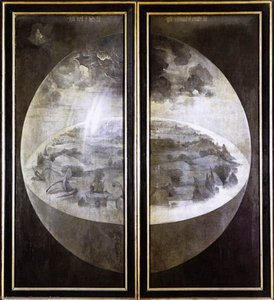
Triptih Poslednjeg Sudenja
 Akril na platnu
- Umetnost za zidove
- Rani niderlandski slikarstvo
 1504
1504 163.0 x 128.0 cm
 Academy of Fine Arts Vienna
Bosšovo delo duboko je uticalo na kasnije umetnike, posebno Lukasa Kranaha Starijeg, čija kopija stoji u Gemäldegalerije u Berlinu.
 Pročitaj više
Хијеронимиј Бош (1450-1516), ренесансни холандски мајстор сурреализма и симболизама, познат по својим емоционалним и дивљим делима као што су Садржаље земљних радости и Последње суђење – трајан утицај на историју слике.
Giclee štampa / Umetnički otisak
Giclée štampa ili print na platnu muzejskog kvaliteta uz brzu izradu i raznovrsne opcije završne obrade. ( Naručite ručno oslikano reprodukciju Pređi na prodaju digitalnih slika)




P118B дин10

P118H дин10

P118W дин10

P438Z дин10

P508JH дин12

P508YH дин12

P805H дин10

P805Z дин10

P919BZ дин10

P919G дин10

P919XJ дин10

P959ZH дин10

P968JZ дин12

W106C дин8

W218G дин10

W218JH дин8

W218Y дин10

W307PJ дин10

W316G дин10

W316PJ дин8

W316Y дин10

W398PJ дин8

W4111J дин10

W500HY дин15

W500JH дин15

W692G дин12

W849H дин8

W940BG дин15

W953PJ дин8




Standardne dimenzije
po meri
CM
INCH
Izaberite jednu od naših unapred definisanih veličina koje odgovaraju originalnim proporcijama umetničkog dela.
Loading sizes...

širina
visina
Unesite širinu i visinu koja vam je potrebna, kako bi se uklopili u vaš ram ili na vaš zid. Štampa se može samo iseći, nikada ne može biti veća od originalne slike, stoga format sa drugačijim proporcijama gubi deo slike. Poslaćemo vam digitalni prikaz radi potvrde pre nego što započnemo štampu. Slika prikazana na ovoj stranici ne pokazuje stvarni rez — to pokazuje samo digitalni prikaz.
Dostava širom sveta () za 2 nedelje umesto uobičajenih 4/5 nedelja. (24 октобар)

Besplatna ekspresna dostava širom sveta

Visokokvalitetno laneno platno

Sveobuhvatno osiguranje transporta

Garancija povraćaja carine i uvoznih dažbina

Garancija vernosti boja i autentičnosti pri reprodukciji

Politika povraćaja u roku od 100 dana (samo u slučaju nedostataka)

Garancija povrata 100% novca

Popust pri većoj količini
 Opcija sa staklom dostupna je samo za dimenzije manje od 110 cm

Triptih Poslednjeg Sudenja
Giclee štampa / Umetnički otisak
Veličina reprodukcije
-


Ukupna cena
дин 7114
Simfonija patnje i božanske pravde
„Triptih Zadnjeg sudnjeg dana“ Херонимијуса Боша, завршен око 1504. године, чини је једним од најнемирнијих и најпроживљеније симболички шедекара Раненетландског ренесанса. То је више од самог приказивања библијске пророчке вести; то је иммерзивно искуство у домен гротескне имагинације—визуелно преливање Бошовог заузимања смртивости, греха и неизбежног суда Бога.
Анатомија пакла
Најмазан на дубоким дъбовим панелама ољен темпера и златно лаковистом боји, тriptih напада осећања свом чистим размерима и узнемиравајућом сликом. Бош оставља традиционалну религијску иконографију ради висцералног приказивања пакла—пејзажа насељеног чудовишчама, мученицима душа и гротескним деформацијама људске форме. Централни панел доминира композицијом, представљајући инфернални панорамски поглед препун демона, мученика фигура и симболички представљања проклетија.
Ревизионизација генезиса: Прича о искушању и изгнању
Леви крило расказује библијску наративу о падању Адама и Еве. Бош савршено рекреира Вану картију Едем, насељен угледним анђелима који се боре за господство над душама. Приказ Еве која почиње да уступа искушању Луцифера препун је психолошке тензије—тренутак дубоког моралног прекршаја уловеног у захватавајућим детаљима. Пре свега, Бош приказује Бога како вади Еву из реба Адама, симболизујући божљину стварање и након тога кориптацију човечанства.
Триумф вере посреди хаоса
Прелазећи на десно крило, Бош представља визију Неба—спокојан табла доминантних анђелских фигура и светих. Горњи арка показује Исуса Христа престољеног у масти, окруженг Маријом и Јоханом Крстиљцем, који оличавају божжу самилост и праведност. Ispod овог небеског погледа је Ноа који носи ковчег изнад главе, симболизујући спасење од неминутке катастрофе. Прецизно извођење панела наглашава Бошову веру у крајњи триумф вере над мраком.
Ослобођен симболизам: Дешифровање Бошове визије
Касније од свог визуелног спектакла, „Задњи суд“ је препун симболизма—језик гротескне слике дизајниран да провуче размишљање и сасема страх. Бош користи понављајуће мотиве—као што су змије, лона и мучени лица—да предају свеприсутну утицај греха и смрти. Мајсторски употреба боје од стране уметника—посебно живи црвени и ж utility пакла контрастирајући са приглушеним тоновима неба—увећава емоционални утисак сцене.
Наслед ужаса
„Задњи суд“ запечати Бошову репутацију као визионерског уметника који је осмео да се суочи са најмрачнијим аспектима људског искуства. Његов утицај простирао се далеко изван свог времена, инспиришући уметнике и писаце вековима које долазе—сведочанство Бошове трајне моћи да узнемир и вдохоспирује.
Pitanja i odgovori
Da li je „Triptih Poslednjeg Sudenja”, Јеронимијус Бош portret, pejzaž ili kvadratna kompozicija?
„Triptih Poslednjeg Sudenja”, Јеронимијус Бош je u Panoramski formatu. Format opisuje proporcije kompozicije.
Da li je legalno moguće reprodukovati delo „Triptih Poslednjeg Sudenja”, Јеронимијус Бош koje se nalazi u muzeju Academy of Fine Arts Vienna?
Originalno delo "Triptih Poslednjeg Sudenja" nalazi se u muzeju Academy of Fine Arts Vienna, a rad je u javnom vlasništvu – autorska prava su istekla.
Gde mogu videti originalno delo „Triptih Poslednjeg Sudenja”, Јеронимијус Бош?
Delo „Triptih Poslednjeg Sudenja”, Јеронимијус Бош je izloženo u muzeju Academy of Fine Arts Vienna, Beč, Austria. Navod o muzeju odnosi se na originalno delo, a ne na reprodukcije.
Biografija umetnika
A Netherlandish Enigma: The Life and Art of Hieronymus Bosch
Born around 1450 in the vibrant, bustling town of ’s-Hertogenbosch in the Netherlands—then part of Brabant—Hieronymus Bosch, originally Jheronimus van Aken, remains one of art history’s most compelling and mysterious figures. His world was steeped in late medieval religious fervor, folklore, and a growing sense of societal unease, all of which would profoundly shape his uniquely unsettling artistic vision. Coming from a family with a long tradition of painting—his grandfather, Jan van Aken, and father, Anthonius van Aken, were both artists—Bosch likely received his earliest training within the family workshop, absorbing the techniques and conventions of Netherlandish painting. However, even in his formative years, he began to diverge from established norms, hinting at the extraordinary imagination that would define his career. Biographical details are frustratingly scarce; records are fragmented, leaving much open to speculation and interpretation, adding to the aura of mystique surrounding both the man and his work. He married Aleyt Goyaerts van den Meerveen sometime before 1481, a union that provided him with some financial security through her family’s holdings, but little else is known about their personal life. Fantastical Visions and Symbolic Depths Bosch's artistic style is instantly recognizable—a captivating blend of meticulous detail and wildly imaginative imagery. He primarily worked with oil on oak panels, demonstrating a masterful command of the medium, achieving luminous colors and intricate textures. While his early works show influences from traditional Netherlandish painting, particularly in their realism and attention to detail, he quickly moved beyond mere imitation, developing a profoundly original vision. His paintings are not simply representations of reality; they are allegorical landscapes populated by bizarre creatures, hybrid beings, and unsettling scenes that seem plucked from dreams—or nightmares. Religious themes form the core of much of his work, but these are rarely straightforward depictions of biblical stories. Instead, Bosch uses symbolism to explore complex moral and theological concepts, often focusing on the dangers of sin, the fragility of earthly pleasures, and the inevitability of divine judgment. His creatures—grotesque demons, fantastical animals, and strangely human figures—are not merely decorative elements; they are embodiments of vice, temptation, and spiritual corruption. The blending of the sacred and the profane, the beautiful and the grotesque, creates a uniquely unsettling effect that continues to captivate viewers centuries later.Masterpieces of Moral Allegory
Among Bosch’s most celebrated achievements is The Garden of Earthly Delights (c. 1490-1510), a triptych that remains one of the most enigmatic and debated works in art history. When opened, it presents a panoramic vision of paradise, earthly life, and hell—a complex allegorical representation of humanity’s fall from grace. The left panel depicts the Garden of Eden, teeming with fantastical creatures and lush vegetation; the central panel portrays a world consumed by sensual pleasure and unrestrained desire; and the right panel offers a terrifying glimpse into the torments of hell. The Triptych of the Last Judgement (c. 1480-1490) is another powerful example of his skill in portraying both heavenly bliss and infernal torment, while The Ascent of the Blessed (c. 1480-1490) demonstrates his ability to create ethereal and dreamlike scenes. Even smaller works like Epiphany (c. 1495) showcase his innovative use of oil on wood and complex symbolism, revealing a mind constantly grappling with profound questions about faith, morality, and the human condition.Influences and Artistic Development
Bosch’s artistic trajectory reveals a gradual shift from conventional Netherlandish painting to an increasingly personal and expressive style. Early works demonstrate considerable skill in depicting realistic figures and landscapes—traits inherited from his family tradition—but he quickly abandoned these techniques in favor of bolder colors, more dramatic compositions, and a preoccupation with unsettling imagery. Scholars suggest possible connections to medieval folklore, religious texts—particularly those emphasizing apocalyptic themes—and the prevailing anxieties of the time, including fears of heresy and social upheaval. However, it’s clear that Bosch synthesized these elements into something entirely new and uniquely his own. His artistic vision was profoundly shaped by humanist ideas circulating in Europe during his lifetime, prompting him to question established dogma and explore psychological dimensions previously ignored by artists. He absorbed influences from artists like Pieter Bruegel the Elder, whose landscapes conveyed moral lessons with a similar blend of realism and symbolism.Legacy and Enduring Influence
Identifying Bosch’s direct influences is a challenging task, given the originality of his vision. Scholars suggest possible connections to medieval folklore, religious texts—particularly those emphasizing apocalyptic themes—and the prevailing anxieties of the time, including fears of heresy and social upheaval. However, it's clear that he revolutionized Netherlandish painting by introducing unprecedented levels of psychological complexity and symbolic depth. His impact on subsequent artists is undeniable. Pieter Bruegel the Elder directly followed in his footsteps, adopting similar themes and compositional techniques, while later movements, such as Surrealism, also drew inspiration from Bosch’s dreamlike imagery and exploration of the subconscious. Artists like Salvador Dalí and Max Ernst openly acknowledged their debt to his unsettling visions. Even today, Bosch's work continues to fascinate and provoke debate, solidifying his place as a master of Netherlandish painting and a visionary artist whose influence extends far beyond his own time. His paintings offer valuable insights into the religious, social, and psychological climate of the late 15th and early 16th centuries, challenging conventional norms and paving the way for new forms of artistic expression. He died in 1516, leaving behind a body of work that continues to haunt and inspire, ensuring his enduring legacy as one of art history’s most singular and unforgettable voices.
Јеронимијус Бош
1450 - 1516 , Holandija
Brzi pregled
- Artistic Movement Or Style: Surrealizam i simbolizam
- Artists Or Movements Influenced By This Artist: ['Pieter Bruegel stariji']
- Date Of Birth: c. 1450
- Date Of Death: 1516
- Full Name: Hieronymus Bosch
- Nationality: Nizozemski
- Notable Artworks:
- Posljednji Sud
- Odvijanje Svete Duše
- Epifanska Križanje
- Place Of Birth: Den Bosch, Nizozemska
Srodni članci

Divine Light & Golden Splendor: A Journey Through the Sacred Grandeur of High Medieval Art
Embark on a soulful journey through High Medieval art. Explore the divine light of Gothic cathedrals, Byzantine splendor, and sacred masterpieces that shaped Western history with our expert-led cultural reflections.

The Soul of Impressionism: Why Oil on Canvas Captures Eternal Light and Timeless Emotion
Discover the enchanting alchemy of Impressionism. Explore how the mastery of oil on canvas, through glazing and impasto, captures eternal light and emotion. Perfect for lovers of Monet and Van Gogh seeking the profound depth of hand-painted fine art.
Istražite umetnička dela organizovana prema temama, stilovima i karakteristikama.