

 Pregledaj u prostoru
 Pošalji
 Podeli
 Detalji o delu
 Vodič
Vodič

 Preuzmi
 Slični predmeti
 Rendgenski snimak
 Automatska prezentacija
 Pitanja i odgovori
 Statistika
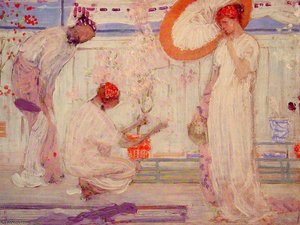
The Violet Note

- 18.0 x 26.0 cm


 Pročitaj više
Lowell
United States of America
James Abbott McNeill Whistler
james abbot mcneill whistler, james mcneill whistler, whistler
Džems Abot Meknil Visler, američki slikar Tonalizma i Estetizma. Poznat po portretu 'Majka', nokturnima i filozofiji 'umetnost radi umetnosti'. Ključna figura viktorijanske ere!
Tonalizam, Estetizam
Estetski pokret
Velázquez
July 14, 1834
1903
James Abbott McNeill
Nabavite datoteku spremnu za štampu koja nudi znatno veći kvalitet od onlajn pregleda. Svaka digitalna slika koju nudimo potiče iz visokorezolucičnog master fajla iz naše baze — obično širine od 5.000 do 15.000 piksela — što vam omogućava štampu u velikom formatu, precizno kadriranje ili bezbrižnu reprodukciju najfinijih detalja.
Nijedan fajl ne napušta naš studio netaknut. Digitalni stručnjak vrši proveru boja u odnosu na originalno delo i koriguje ih po potrebi, a zatim unapređuje jasnoću i detalje pomoću profesionalnih alata za retuširanje — uvek ostajući veran umetnikovim potezima četkice i stilu. Rezultat je slika koja izgleda kao pravo delo, a ne kao sken sa filterom.
Proverite i odobrite pre završetka: naš stručnjak vam šalje sliku putem e-pošte u roku od 72 sata na pregled. Niste zadovoljni? Zatražite poboljšanja ili ispravke, ili tražite povraćaj novca ukoliko kvalitet ne ispunjava vaša očekivanja.
Ovo je kvalitet kojem poverenje ukazuju izdavači, dizajnerski studiji, galerije i štamparije.
Digitalna slika
Preuzmite datoteku visoke rezolucije za ličnu upotrebu, štampanje i kreativne projekte. ( Pređi na štampu Kupite ručno oslikano delo)
Uključeno uz svaku porudžbinu digitalne slike
Profesionalna digitalna isporuka, zagarantovana
Kada odaberete TopImpressionists.com, ne dobijate samo sliku – vi primate profesionalno unapređeno digitalno umetničko delo, izrađeno sa najvećom preciznošću i uz garanciju zadovoljstva. Evo svega što automatski dolazi uz vašu porudžbinu:

Brza dostava putem e-pošte
Vaša digitalna slika visoke rezolucije biće vam poslata putem e-pošte u roku od 72 sata od poručivanja – spremna za trenutnu upotrebu.

Digitalna datoteka unapređena veštačkom inteligencijom
Vaše umetničko delo je profesionalno optimizovano primenom naprednih AI alata i ručne obrade, čime se osiguravaju maksimalni detalji, oštrina i preciznost boja.

Besplatna doživotna ponovna isporuka
Slučajno ste obrisali ili izgubili svoju datoteku? Ne brinite – poslaćemo vam je ponovo u bilo kom trenutku, potpuno besplatno.

Bez troškova uvoza – zauvek
Uživajte u svojim umetničkim delima trenutno, bez carine, akciza ili troškova dostave – digitalni download je uvek bez poreza.

Garancija preciznosti boja
Uz pomoć profesionalnih alata i upravljanja bojama, osiguravamo da vaša digitalna slika što vernije odražava originalne boje.

Garancija zadovoljstva u roku od 100 dana
Ako niste zadovoljni svojom digitalnom slikom, izvršićemo reviziju ili ćemo vam vratiti 100% novca u roku od 100 dana – bez ikakvih pitanja.

100% garancija povrata novca
Niste zadovoljni? Dobijte puni povraćaj novca u roku od 100 dana od prijema digitalne datoteke – bez suvišnih pitanja.

Popusti na velike porudžbine
Kupite 3 slike, uštedite 10% - Kupite 5 slika, uštedite 15% - Kupite 10+ slika, uštedite 20%. Odlično za kreativne projekte, galerije i agencije.
A Moment of Quiet Anticipation: Unpacking “The Violet Note”
James Abbott McNeill Whistler’s "The Violet Note," painted in 1886, isn't a grand statement of narrative or dramatic action; it’s a carefully constructed tableau of quiet contemplation and the subtle poetry of everyday life. This intimate portrait captures a woman, her back turned to the viewer, engaged in the seemingly simple act of preparing for travel – a moment frozen in time that speaks volumes about Whistler’s core aesthetic philosophy: “art for art’s sake.” The painting immediately draws us in with its muted palette dominated by blues and greens, creating an atmosphere of subdued elegance and a sense of veiled mystery. It's a deliberate departure from the prevailing Victorian obsession with grand historical scenes or emotionally charged portraits, reflecting Whistler’s commitment to capturing the essence of beauty through form, color, and light rather than storytelling.
The Language of Form and Color: Whistler’s Aesthetic Vision
Whistler was deeply influenced by Japanese prints – particularly *ukiyo-e* – which emphasized flattened perspectives, bold outlines, and a focus on decorative elements. This influence is evident in the painting's composition; the figures are rendered with a sense of detachment, almost as if viewed through a slightly removed lens. The use of color is equally deliberate. Whistler favored a technique he called “tonal harmony,” prioritizing subtle gradations of tone over bright, saturated hues. Notice how the violet – hinted at in the title and subtly reflected in the arrangement of objects – acts as a unifying element, grounding the scene and lending it an air of sophisticated restraint. The careful placement of each object—the vase, the potted plant, the books—contributes to a carefully balanced visual rhythm, suggesting a considered aesthetic rather than a spontaneous one.
Symbolism in the Details: A Journey Within
Beyond its formal qualities, “The Violet Note” is rich with symbolic potential. The woman’s posture, leaning on her suitcase, immediately evokes travel and departure – but it's not a joyous or celebratory departure. There’s a hint of melancholy in her stance, suggesting perhaps a bittersweet farewell or the quiet solitude of a journey undertaken alone. The suitcase itself, placed squarely on the floor, is a potent symbol of both practicality and vulnerability. The books, stacked neatly together, could represent knowledge, experience, or even a longing for intellectual stimulation during her travels. Even the vase with its single bloom – a violet, no doubt – speaks to beauty, fragility, and the transient nature of life. Whistler wasn’t simply depicting a scene; he was layering it with subtle suggestions and inviting the viewer to project their own interpretations onto the canvas.
Historical Context: The Rise of Aestheticism
“The Violet Note” emerged during a pivotal moment in art history – the height of the Aesthetic movement. Whistler, along with figures like Oscar Wilde, rejected the didactic and moralistic tendencies of much 19th-century art, arguing that art should exist solely for its own beauty and pleasure. This philosophy challenged the established conventions of the time, leading to considerable controversy and criticism. Whistler’s work was often dismissed as “mere decoration,” but his insistence on prioritizing formal qualities over narrative content paved the way for modernism and profoundly influenced subsequent generations of artists. Understanding this context illuminates why "The Violet Note" is not a painting about *what* is happening, but rather about *how* it's being seen – a testament to Whistler’s dedication to capturing the essence of visual experience.
Bringing “The Violet Note” Home: A Reproduction for Your Space
TopImpressionists.com offers meticulously crafted hand-painted reproductions of "The Violet Note," allowing you to bring this evocative masterpiece into your own home or office. Our skilled artisans replicate Whistler’s tonal harmony and subtle details with exceptional precision, ensuring that the painting's atmosphere and symbolic depth are faithfully preserved. Whether you appreciate Whistler’s pioneering aestheticism or simply admire its quiet beauty, a reproduction of “The Violet Note” is a timeless addition to any collection – a reminder of the power of art to evoke emotion and inspire contemplation.
Pitanja i odgovori
Na koji način „The Violet Note”, autor Džejms Abbot Meknil Visler povezuje Aestheticism and Symbolism sa domovinom umetnika?
Delo "The Violet Note" delo je Džejms Abbot Meknil Visler, rođenog u Сједињене Америчке Државе, u okviru pokreta Aestheticism and Symbolism. Poreklom umetnika, ovo delo se povezuje sa Aestheticism and Symbolism stilom kakav su zastupali umetnici iz Сједињене Америчке Државе.
Na koji način se tema dela "The Violet Note" odnosi na uobičajene teme umetnika Džejms Abbot Meknil Visler?
Učestale teme umetnika Džejms Abbot Meknil Visler obuhvataju aestheticism, european avant-garde, sensibility, mood, atmosphere, travel, preparation, journey; delo "The Violet Note" fokusira se na woman, travel, packing, suitcase, vase, books, anticipation.
Gde mogu pronaći vodič za "The Violet Note"?
Dostupna je Vodič za učenike stranica za „The Violet Note”, autor Džejms Abbot Meknil Visler: štampani informativni list o umetničkom delu, dizajniran za učenike i upotrebu u učionici.
Srodna umetnička dela



Biografija umetnika
James Abbott McNeill Whistler: Američki Pionir Estetizma i Tonalizma
Rođen 1834. godine u Lovelu, Masačusetsu, James Abbott McNeill Whistler bio je umetnik koji je svojim životom i delom izazivao konvencije, postajući jedan od najznačajnijih predstavnika estetizma i tonalizma u američkoj i evropskoj umetnosti 19. veka. Njegovo detinjstvo obeležile su česte selidbe porodice zbog očevog posla kao inženjera železnica, što je u njemu razvilo osećaj prilagodljivosti i izloženost različitim kulturama. Kratak i neuspešan boravak na Vojnoj akademiji Vest Point pokazao je da njegov put leži u umetnosti, a rad u službi obalnih snaga SAD samo je odložio, ali nije ugušio njegovu strast. Rano stečena veština crtanja i odlučnost da se bavi slikarstvom doveli su ga preko Atlantika, u srce evropske avangarde.Pariskom Okruženju: Formiranje Stila i Filozofije
Presudan trenutak u Whistlerovoj umetničkoj karijeri nastupio je kada se 1855. godine preselio u Pariz. Pod mentorstvom Sebastijana Burea, usavršavao je svoje veštine uljane boje, akvarela i grafike, upijajući uticaje francuskog realizma i škole Barbizonskih slikara. Međutim, Whistler se ubrzo izdvojio iz pukog imitiranja, razvijajući prepoznatljiv stil karakterisan tonalnim harmonijama i atmosferskim efektima. Njegov cilj nije bio da reprodukuje stvarnost, već da uhvati njenu *esenciju*, prolazne raspoloženje i suptilne nijanse. U Parizu je počeo da artikuliše svoje ubeđenje da se umetnost treba ocenjivati isključivo na osnovu estetskih kvaliteta, oslobođena od didaktičkih ili moralizatorskih ograničenja – filozofija koja će postati kamen temeljac njegove umetničke prakse i definisala Estetski pokret.Noćurne, Portreti i Potraga za Harmomijom
Whistlerova umetnička vizija kristalizovala se u nekoliko ključnih tema i stilskih izbora. On je zastupao koncept „umetnosti radi umetnosti“, odbacujući narative opterećene moralnim ili društvenim komentarima. Njegovo delo postalo je vežba hvatanja suptilnih nijansi svetlosti, boje i atmosfere – preduzimanje koje ga je dovelo do njegovih ikoničnih *Noćurni*. Ovi atmosferski prikazovi sumračkih scena, često sa Temzom tokom noći, nisu bili namenjeni kao doslovna prikaza, već kao evokativni utisci, studije tonalne harmonije i raspoloženja. Često je koristio ograničene palete boja i nežno nanošenje boje, stvarajući osećaj eterične lepote i tihe kontemplacije. Portreti su takođe zauzimali centralno mesto u njegovoj praksi, iako ih je pristupao sa jedinstvenim senzibilitetom. Whistler nije bio zabrinut za savršeno prikazivanje lica; umesto toga, fokusirao se na formalne aranžmane i tonalne odnose, tretirajući svoje modele kao kompozicione elemente unutar pažljivo konstruisanog estetskog okvira. Dela poput *Arrangement in Grey and Black No. 1*—poznatijeg kao *Whistler’s Mother*—savršeno ilustruju ovaj pristup, transformišući porodični portret u ikoničnu sliku viktorijanske majke kroz majstorsku upotrebu oblika i tona.Kontroverze, Uticaji i Trajno Nasleđe
Whistlerova karijera nije bila bez kontroverzi. Infamous sudski spor koji je podigao protiv umetničkog kritičara Džona Raselina 1878. godine, potaknut *Nocturne in Black and Gold – The Falling Rocket*, postao je prekretnica u istoriji umetnosti. Whistler je uspešno branio svoju umetničku autonomiju, tvrdeći da njegove slike nisu bile namenjene kao realistički prikazivanja, već kao estetski aranžmani boja i oblika. Ovaj slučaj podigao je njegov profil i izazvao važne debate o prirodi umetničke kritike i umetničkoj slobodi. Osim ovog pravnog spora, Whistlerov uticaj se protezao daleko i široko. Duboko ga je inspirisalo japansko štampanje (ukijo-e), koje je informisalo njegove kompozicione principe i naglasak na dekorativnim uzorcima, kao i tonalna majstorija španskih slikara poput Velazqueza. Njegovo zalaganje za „umetnost radi umetnosti“ duboko je uticalo na Estetski pokret u Engleskoj i Americi, otvarajući put modernizmu i izazivajući konvencionalne ideje o umetničkoj svrsi. Ostavio je neizbrisiv trag na američku umetnost, inspirisavši generacije umetnika da prihvate formalističke pristupe i istražuju ekspresivni potencijal boje i kompozicije.- Značajna dela: *The Forge* (1861), *Portrait of Charles Lang Freer* (1873), *Brown and Gold: The Gold Girl—Connie Gilchrist* (1876-77), *Arrangement in Grey and Black No. 1 (Whistler’s Mother)* (1871), *Nocturne in Black and Gold – The Falling Rocket* (1875).
- Uticaji: Japanska štamparija, Velázquez.

Džejms Abbot Meknil Visler
1834 - 1903 , Сједињене Америчке Државе
Kratke informacije
- Datum Rođenja: 10. jul 1834.
- Datum Smrti: 17. jul 1903.
- Mesto Rođenja: Lovel, SAD
- Nacionalnost: Američki
- Pokreti/Umetnici Pod Uticajem:
- Estetski pokret
- Modernizam
- Puno Ime: Džejms Abot Meknil Vistler
- Umetnički Pokret: Tonalizam, Estetizam
- Uticajni Umetnici:
- Velázquez
- Japanski štampa
- Značajna Dela:
- Arrangement in Grey and Black No. 1
- Nocturne in Black and Gold
- The Forge
- Peacock Room