

 Pregledaj u prostoru
 Pošalji
 Podeli
 Detalji o delu
 Vodič
Vodič

 Preuzmi
 Slični predmeti
 Rendgenski snimak
 Automatska prezentacija
 Pitanja i odgovori
 Statistika
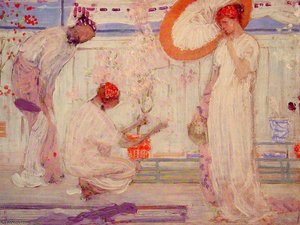
The Violet Note

- 18.0 x 26.0 cm


 Pročitaj više
Lowell
United States of America
James Abbott McNeill Whistler
james abbot mcneill whistler, james mcneill whistler, whistler
Džems Abot Meknil Visler, američki slikar Tonalizma i Estetizma. Poznat po portretu 'Majka', nokturnima i filozofiji 'umetnost radi umetnosti'. Ključna figura viktorijanske ere!
Tonalizam, Estetizam
Estetski pokret
Velázquez
July 14, 1834
1903
James Abbott McNeill
Giclee štampa / Umetnički otisak
Giclée štampa ili print na platnu muzejskog kvaliteta uz brzu izradu i raznovrsne opcije završne obrade. ( Kupite ručno oslikano delo Pređi na digitalnu sliku)




P118B дин10

P118H дин10

P118W дин10

P438Z дин10

P508JH дин12

P508YH дин12

P805H дин10

P805Z дин10

P919BZ дин10

P919G дин10

P919XJ дин10

P959ZH дин10

P968JZ дин12

W106C дин8

W218G дин10

W218JH дин8

W218Y дин10

W307PJ дин10

W316G дин10

W316PJ дин8

W316Y дин10

W398PJ дин8

W4111J дин10

W500HY дин15

W500JH дин15

W692G дин12

W849H дин8

W940BG дин15

W953PJ дин8




Standardne dimenzije
po meri
CM
INCH
Izaberite jednu od naših unapred definisanih veličina koje odgovaraju originalnim proporcijama umetničkog dela.
Loading sizes...

širina
visina
Unesite željenu širinu i visinu kako bi se štampa uklopila u vaš ram ili zid. Štampu je moguće samo iseći, ali nikada povećati iznad dimenzija originalne slike, stoga format sa drugačijim proporcijama uzrokuje gubitak dela slike. Pre početka štampe, poslaćemo vam digitalni prikaz radi potvrde. Slika prikazana na ovoj stranici ne predstavlja stvarni isrez — to pokazuje samo digitalni prikaz.
Dostava širom sveta () za 2 nedelje umesto uobičajenih 4/5 nedelja. (5 новембар)

Besplatna ekspresna dostava širom sveta

Visokokvalitetno laneno platno

Potpuno osiguranje transporta

Garancija povraćaja carine i uvoznih dažbina

Garancija vernosti boja

Politika povraćaja u roku od 100 dana (samo u slučaju nedostataka)

Garancija povrata 100% novca

Popust na više proizvoda
 Opcija sa staklom dostupna je samo za dimenzije manje od 110 cm

The Violet Note
Giclee štampa / Umetnički otisak
Dimenzije reprodukcije
-


Ukupna cena
дин 7306
A Moment of Quiet Anticipation: Unpacking “The Violet Note”
James Abbott McNeill Whistler’s "The Violet Note," painted in 1886, isn't a grand statement of narrative or dramatic action; it’s a carefully constructed tableau of quiet contemplation and the subtle poetry of everyday life. This intimate portrait captures a woman, her back turned to the viewer, engaged in the seemingly simple act of preparing for travel – a moment frozen in time that speaks volumes about Whistler’s core aesthetic philosophy: “art for art’s sake.” The painting immediately draws us in with its muted palette dominated by blues and greens, creating an atmosphere of subdued elegance and a sense of veiled mystery. It's a deliberate departure from the prevailing Victorian obsession with grand historical scenes or emotionally charged portraits, reflecting Whistler’s commitment to capturing the essence of beauty through form, color, and light rather than storytelling.
The Language of Form and Color: Whistler’s Aesthetic Vision
Whistler was deeply influenced by Japanese prints – particularly *ukiyo-e* – which emphasized flattened perspectives, bold outlines, and a focus on decorative elements. This influence is evident in the painting's composition; the figures are rendered with a sense of detachment, almost as if viewed through a slightly removed lens. The use of color is equally deliberate. Whistler favored a technique he called “tonal harmony,” prioritizing subtle gradations of tone over bright, saturated hues. Notice how the violet – hinted at in the title and subtly reflected in the arrangement of objects – acts as a unifying element, grounding the scene and lending it an air of sophisticated restraint. The careful placement of each object—the vase, the potted plant, the books—contributes to a carefully balanced visual rhythm, suggesting a considered aesthetic rather than a spontaneous one.
Symbolism in the Details: A Journey Within
Beyond its formal qualities, “The Violet Note” is rich with symbolic potential. The woman’s posture, leaning on her suitcase, immediately evokes travel and departure – but it's not a joyous or celebratory departure. There’s a hint of melancholy in her stance, suggesting perhaps a bittersweet farewell or the quiet solitude of a journey undertaken alone. The suitcase itself, placed squarely on the floor, is a potent symbol of both practicality and vulnerability. The books, stacked neatly together, could represent knowledge, experience, or even a longing for intellectual stimulation during her travels. Even the vase with its single bloom – a violet, no doubt – speaks to beauty, fragility, and the transient nature of life. Whistler wasn’t simply depicting a scene; he was layering it with subtle suggestions and inviting the viewer to project their own interpretations onto the canvas.
Historical Context: The Rise of Aestheticism
“The Violet Note” emerged during a pivotal moment in art history – the height of the Aesthetic movement. Whistler, along with figures like Oscar Wilde, rejected the didactic and moralistic tendencies of much 19th-century art, arguing that art should exist solely for its own beauty and pleasure. This philosophy challenged the established conventions of the time, leading to considerable controversy and criticism. Whistler’s work was often dismissed as “mere decoration,” but his insistence on prioritizing formal qualities over narrative content paved the way for modernism and profoundly influenced subsequent generations of artists. Understanding this context illuminates why "The Violet Note" is not a painting about *what* is happening, but rather about *how* it's being seen – a testament to Whistler’s dedication to capturing the essence of visual experience.
Bringing “The Violet Note” Home: A Reproduction for Your Space
TopImpressionists.com offers meticulously crafted hand-painted reproductions of "The Violet Note," allowing you to bring this evocative masterpiece into your own home or office. Our skilled artisans replicate Whistler’s tonal harmony and subtle details with exceptional precision, ensuring that the painting's atmosphere and symbolic depth are faithfully preserved. Whether you appreciate Whistler’s pioneering aestheticism or simply admire its quiet beauty, a reproduction of “The Violet Note” is a timeless addition to any collection – a reminder of the power of art to evoke emotion and inspire contemplation.
Pitanja i odgovori
Na koji način „The Violet Note”, autor Džejms Abbot Meknil Visler povezuje Aestheticism and Symbolism sa domovinom umetnika?
Delo "The Violet Note" delo je Džejms Abbot Meknil Visler, rođenog u Сједињене Америчке Државе, u okviru pokreta Aestheticism and Symbolism. Poreklom umetnika, ovo delo se povezuje sa Aestheticism and Symbolism stilom kakav su zastupali umetnici iz Сједињене Америчке Државе.
Na koji način se tema dela "The Violet Note" odnosi na uobičajene teme umetnika Džejms Abbot Meknil Visler?
Učestale teme umetnika Džejms Abbot Meknil Visler obuhvataju aestheticism, european avant-garde, sensibility, mood, atmosphere, travel, preparation, journey; delo "The Violet Note" fokusira se na woman, travel, packing, suitcase, vase, books, anticipation.
Gde mogu pronaći vodič za "The Violet Note"?
Dostupna je Vodič za učenike stranica za „The Violet Note”, autor Džejms Abbot Meknil Visler: štampani informativni list o umetničkom delu, dizajniran za učenike i upotrebu u učionici.
Srodna umetnička dela



Biografija umetnika
James Abbott McNeill Whistler: Američki Pionir Estetizma i Tonalizma
Rođen 1834. godine u Lovelu, Masačusetsu, James Abbott McNeill Whistler bio je umetnik koji je svojim životom i delom izazivao konvencije, postajući jedan od najznačajnijih predstavnika estetizma i tonalizma u američkoj i evropskoj umetnosti 19. veka. Njegovo detinjstvo obeležile su česte selidbe porodice zbog očevog posla kao inženjera železnica, što je u njemu razvilo osećaj prilagodljivosti i izloženost različitim kulturama. Kratak i neuspešan boravak na Vojnoj akademiji Vest Point pokazao je da njegov put leži u umetnosti, a rad u službi obalnih snaga SAD samo je odložio, ali nije ugušio njegovu strast. Rano stečena veština crtanja i odlučnost da se bavi slikarstvom doveli su ga preko Atlantika, u srce evropske avangarde.Pariskom Okruženju: Formiranje Stila i Filozofije
Presudan trenutak u Whistlerovoj umetničkoj karijeri nastupio je kada se 1855. godine preselio u Pariz. Pod mentorstvom Sebastijana Burea, usavršavao je svoje veštine uljane boje, akvarela i grafike, upijajući uticaje francuskog realizma i škole Barbizonskih slikara. Međutim, Whistler se ubrzo izdvojio iz pukog imitiranja, razvijajući prepoznatljiv stil karakterisan tonalnim harmonijama i atmosferskim efektima. Njegov cilj nije bio da reprodukuje stvarnost, već da uhvati njenu *esenciju*, prolazne raspoloženje i suptilne nijanse. U Parizu je počeo da artikuliše svoje ubeđenje da se umetnost treba ocenjivati isključivo na osnovu estetskih kvaliteta, oslobođena od didaktičkih ili moralizatorskih ograničenja – filozofija koja će postati kamen temeljac njegove umetničke prakse i definisala Estetski pokret.Noćurne, Portreti i Potraga za Harmomijom
Whistlerova umetnička vizija kristalizovala se u nekoliko ključnih tema i stilskih izbora. On je zastupao koncept „umetnosti radi umetnosti“, odbacujući narative opterećene moralnim ili društvenim komentarima. Njegovo delo postalo je vežba hvatanja suptilnih nijansi svetlosti, boje i atmosfere – preduzimanje koje ga je dovelo do njegovih ikoničnih *Noćurni*. Ovi atmosferski prikazovi sumračkih scena, često sa Temzom tokom noći, nisu bili namenjeni kao doslovna prikaza, već kao evokativni utisci, studije tonalne harmonije i raspoloženja. Često je koristio ograničene palete boja i nežno nanošenje boje, stvarajući osećaj eterične lepote i tihe kontemplacije. Portreti su takođe zauzimali centralno mesto u njegovoj praksi, iako ih je pristupao sa jedinstvenim senzibilitetom. Whistler nije bio zabrinut za savršeno prikazivanje lica; umesto toga, fokusirao se na formalne aranžmane i tonalne odnose, tretirajući svoje modele kao kompozicione elemente unutar pažljivo konstruisanog estetskog okvira. Dela poput *Arrangement in Grey and Black No. 1*—poznatijeg kao *Whistler’s Mother*—savršeno ilustruju ovaj pristup, transformišući porodični portret u ikoničnu sliku viktorijanske majke kroz majstorsku upotrebu oblika i tona.Kontroverze, Uticaji i Trajno Nasleđe
Whistlerova karijera nije bila bez kontroverzi. Infamous sudski spor koji je podigao protiv umetničkog kritičara Džona Raselina 1878. godine, potaknut *Nocturne in Black and Gold – The Falling Rocket*, postao je prekretnica u istoriji umetnosti. Whistler je uspešno branio svoju umetničku autonomiju, tvrdeći da njegove slike nisu bile namenjene kao realistički prikazivanja, već kao estetski aranžmani boja i oblika. Ovaj slučaj podigao je njegov profil i izazvao važne debate o prirodi umetničke kritike i umetničkoj slobodi. Osim ovog pravnog spora, Whistlerov uticaj se protezao daleko i široko. Duboko ga je inspirisalo japansko štampanje (ukijo-e), koje je informisalo njegove kompozicione principe i naglasak na dekorativnim uzorcima, kao i tonalna majstorija španskih slikara poput Velazqueza. Njegovo zalaganje za „umetnost radi umetnosti“ duboko je uticalo na Estetski pokret u Engleskoj i Americi, otvarajući put modernizmu i izazivajući konvencionalne ideje o umetničkoj svrsi. Ostavio je neizbrisiv trag na američku umetnost, inspirisavši generacije umetnika da prihvate formalističke pristupe i istražuju ekspresivni potencijal boje i kompozicije.- Značajna dela: *The Forge* (1861), *Portrait of Charles Lang Freer* (1873), *Brown and Gold: The Gold Girl—Connie Gilchrist* (1876-77), *Arrangement in Grey and Black No. 1 (Whistler’s Mother)* (1871), *Nocturne in Black and Gold – The Falling Rocket* (1875).
- Uticaji: Japanska štamparija, Velázquez.

Džejms Abbot Meknil Visler
1834 - 1903 , Сједињене Америчке Државе
Osnovne informacije
- Datum Rođenja: 10. jul 1834.
- Datum Smrti: 17. jul 1903.
- Mesto Rođenja: Lovel, SAD
- Nacionalnost: Američki
- Pokreti/Umetnici Pod Uticajem:
- Estetski pokret
- Modernizam
- Puno Ime: Džejms Abot Meknil Vistler
- Umetnički Pokret: Tonalizam, Estetizam
- Uticajni Umetnici:
- Velázquez
- Japanski štampa
- Značajna Dela:
- Arrangement in Grey and Black No. 1
- Nocturne in Black and Gold
- The Forge
- Peacock Room
Povezani članci

Azure Visions: Exploring Representations of the Blue Dress in Western Art History
Explore the rich history of the blue dress in Western art! Discover its symbolism, from Renaissance masterpieces to modern interpretations by artists like Martin & Schiele. Uncover cultural meanings and artistic techniques.

Paul Cézanne: 25 Remek-dela Revolucionarnog Umjetnika | TopImpressionists
Istražite 25 remek-dela Paula Cézanna, revolucionarnog slikara impresionizma i postimpresionizma. Otkrijte priče iza ikoničnih pejzaža, portreta i mrtve prirode. Kupite luksuzne reprodukcije slika na TopImpressionists.com!

Džems Abbot MekNil Whistler: 25 Remek-dela Majstora Tonalizma | TopImpressionists
Istražite 25 remek-dela Džemsa Abota MekNila Whistler-a! Uronite u svet Tonalizma, portreta i prelepog pejzaža. Kupite vrhunske reprodukcije slika na TopImpressionists.com i obogatite svoj enterijer luksuznom umetnošću.
The Allure of Azure: Exploring the Symbolic & Aesthetic Depths of Blue in Art History
Explore the rich history of blue in art! Discover its symbolism, from ancient pigments to modern masterpieces by Kandinsky & Seurat. Uncover the psychological impact and cultural meanings behind this captivating hue.

Slate Blue Masterpieces: 10 Iconic Paintings & Timeless Home Decor Ideas
Immerse yourself in the captivating world of slate blue! Explore 10 iconic paintings by Monet, Van Gogh & Renoir. Discover their stories, techniques & find museum-quality art reproductions for your home at .
Istražite umetnička dela organizovana prema temama, stilovima i karakteristikama.


