


 Pregledaj u prostoru
 Podeli
 Podeli
 Detalji
 Vodič
Vodič

 Preuzmi sliku
 Slični predmeti
 Rendgenski snimak
 Automatska prezentacija
 Statistika
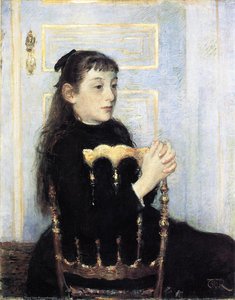
Portrait of Jean Cepeinick
 Acrylic On Canvas
- WallArt
- Neo-Impressionism
 1881
1881- 19th Century
 101.0 x 78.0 cm
 Muzej lepih umetnosti u Gentu
Experience the vibrant Pointillism of Théo van Rysselberghe's 'Portrait of Jean Cepeinick.' A captivating 1881 masterpiece showcasing Belgian neo-impressionist artistry and a refined portrait.
 Pročitaj više
Otkrijte vibrantne neoimpresionističke slike Théo van Rysselberghea! Istražite pejzaže, portrete i marokanske scene – ključna figura grupe Les XX koja spaja svetlost i boju. Pionir modernog slikarstva.
Ručno rađena uljana reprodukcija
Ručno oslikano uljanim bojama na platnu u dimenzijama i okviru po vašem izboru, izrađeno po porudžbini od strane naših umetnika. ( Pređi na prodaju štampanih primeraka Pređi na prodaju digitalnih slika)




P118B $10

P118H $10

P118W $10

P438Z $10

P508JH $12

P508YH $12

P805H $10

P805Z $10

P919BZ $10

P919G $10

P919XJ $10

P959ZH $10

P968JZ $12

W106C $8

W218G $10

W218JH $8

W218Y $10

W307PJ $10

W316G $10

W316PJ $8

W316Y $10

W398PJ $8

W4111J $10

W500HY $15

W500JH $15

W692G $12

W849H $8

W940BG $15

W953PJ $8




Standardne dimenzije
po meri
CM
INCH
Izaberite jednu od naših unapred definisanih veličina koje odgovaraju originalnim proporcijama umetničkog dela.
Loading sizes...

širina
visina
Možete uneti sopstvene dimenzije kako biste prilagodili umetničko delo određenom okviru ili prostoru. Ako odabrana veličina ne odgovara proporcijama originala, slika će biti isečena ili proširena dodatnim elementima koji se ručno oslikavaju. Digitalni prikaz će vam biti poslat na odobrenje pre početka proizvodnje.
Imajte na umu da pregled na ekranu ne odražava stvarno prisecanje ili proširenje. Samo mockup će precizno prikazati konačnu kompoziciju.
Iako su dostupne prilagođene veličine, preporučujemo da izaberete dimenziju iz unapred definisane liste kako biste sačuvali originalne proporcije.
Primeri mogućih izmena: Zamena lica fotografijom kupca; Dodavanje ljubimca (npr. zamena mačke psom); Uključivanje skrivene poruke u pozadini; Promena pejzaža ili elemenata pozadine.
Nakon narudžbine, tim TopImpressionists.com će klijentu putem e-pošte poslati uputstva i dostaviti prikaz predloženog rešenja
Nakon narudžbine, tim TopImpressionists.com će klijentu putem e-pošte poslati uputstva i dostaviti prikaz predloženog rešenja
Svetska isporuka () za 3/4 nedelje umesto uobičajenih 5 nedelja. (23 септембар). Bez kompromisa po pitanju kvaliteta.

Besplatna ekspresna dostava širom sveta

Visokokvalitetno laneno platno

Sveobuhvatno osiguranje transporta

Garancija povraćaja carine i uvoznih dažbina

Garancija vernosti boja i autentičnosti pri reprodukciji

Politika povraćaja u roku od 100 dana (samo u slučaju nedostataka)

Garancija povrata 100% novca

Popust pri većoj količini
 Opcija sa staklom dostupna je samo za dimenzije manje od 110 cm

Portrait of Jean Cepeinick
Tehnika izrade reprodukcije
Veličina reprodukcije
-


Ukupna cena
$ 269
Portrait of Jean Cepeinick: A Window into Belgian Neo-Impressionism
Theo van Rysselberghe’s “Portrait of Jean Cepeinick,” painted in 1881, isn't merely a likeness; it’s a carefully constructed tableau of quiet confidence and introspective contemplation. Housed within the hallowed halls of the Musée des Beaux-Arts in Ghent, Belgium, this oil on canvas offers a captivating glimpse into the burgeoning world of Belgian neo-impressionism – a movement that sought to revolutionize painting through a radical departure from traditional academic styles.
The subject himself, Jean Cepeinick, is depicted seated with an air of dignified composure. He’s dressed in the formal attire characteristic of the era, his posture suggesting both self-assurance and a subtle reserve. His gaze, directed slightly off-center within the composition, invites the viewer into a private world of thought. Van Rysselberghe masterfully captures this duality – the outward appearance of formality juxtaposed with an underlying sense of inner life.
The Pointillist Technique: A Symphony of Color
What immediately draws the eye is the painting’s distinctive technique—pointillism, a method championed by Van Rysselberghe and his contemporaries. Rather than blending colors directly on the canvas, he meticulously applied tiny dots of pure color – crimson, ochre, cerulean blue, and emerald green – to create an optical illusion of blended hues. This painstaking process, reminiscent of a mosaic, results in a shimmering surface that seems to subtly shift with the changing light. The effect is remarkably vibrant and luminous, capturing the fleeting qualities of light and atmosphere with astonishing precision.
Van Rysselberghe’s adoption of pointillism wasn't simply a stylistic choice; it represented a profound exploration of color theory and perception. He was deeply influenced by the work of Eugène Louis Primitivi and Georges Seurat, both pioneers of this technique. However, Van Rysselberghe imbued his pointillist approach with a uniquely personal sensibility, creating a visual experience that is both intellectually stimulating and emotionally resonant.
A Belgian Context: Les XX and the Dawn of Modernity
“Portrait of Jean Cepeinick” was created during a period of immense artistic ferment in Belgium. The painting’s creation coincided with the formation of “Les XX,” a revolutionary group of artists who challenged the conservative norms of the art establishment. This collective, which included figures like James Ensor and Fernand Khnopff, sought to break free from academic traditions and embrace new approaches to representation. Van Rysselberghe's work exemplifies this spirit of innovation, reflecting the group’s commitment to experimentation and a rejection of established artistic conventions.
The painting can be understood within the broader context of late 19th-century Europe, a time of rapid social, political, and technological change. Neo-Impressionism emerged as a response to these transformations, reflecting a desire to capture the dynamism and complexity of modern life through a radically new visual language.
Symbolic Resonance: Introspection and Quiet Dignity
Beyond its technical brilliance, “Portrait of Jean Cepeinick” possesses a subtle yet powerful symbolic resonance. The subject’s contemplative gaze suggests an inner world rich in thought and emotion. The carefully chosen details – the formal attire, the restrained pose – speak to a sense of dignity and self-awareness. It's not a portrait intended for immediate gratification; rather, it invites prolonged observation and reflection.
Van Rysselberghe’s ability to convey such depth through a seemingly simple depiction is a testament to his artistic skill and sensitivity. “Portrait of Jean Cepeinick” remains a captivating work of art, offering a poignant glimpse into the heart of Belgian neo-impressionism and the complexities of human experience.
Srodna umetnička dela






Biografija umetnika
Pionir svetlosti: Život i umetnost Teo van Riselbergea
Teofil “Teo” van Riselberghe, rođen u Gentu, Belgija, 1862. godine, izrastao je u ključnu figuru koja je premostila jaz između impresionizma i neoimpresionizma. Njegov put nije bio obeležen trenutnom stilskom odlukom, već evolutivnim istraživanjem potaknutim putovanjima, intelektualnom razmenom i neumornom težnjom za hvatanjem suštine svetlosti. Potekao je iz udobne buržoaske frankofone porodice, a prvo umetničko obrazovanje primio je na Akademiji u Gentu pod vođstvom Tea Kanela, nakon čega su usledile studije na prestižnoj Kraljevskoj akademiji lepih umetnosti u Briselu. Ove formativne godine usađene su mu osnove zasnovane na tradicionalnom realizmu, što se vidi u ranim radovima kao što je *Autoportret sa lulom* (1880), karakterizovan sumornim tonovima i preciznim detaljima – odraz prevladajuće belgijske umetničke klime. Ipak, čak i unutar ovih ranih dela, naznake rastućeg senzibiliteta za svetlost i boju počele su da se pojavljuju, nagoveštavajući njegovu buduću putanju. Ključno delo iz ovog perioda, *Dete na otvorenim mestima u šumi* (1880), označilo je suptilan odmak, naznačujući svetliju paletu i slobodnije poteze kista koji će definisati njegov kasniji stil.Marokanski utisci i rođenje grupe “Les XX”
Transformišući deo van Riselbergeovog umetničkog razvoja predstavljaju njegova putovanja u Maroko između 1882. i 1888. godine. Ova produžena boravišta uronili su ga u svet živopisnih boja, intenzivnog sunca i egzotičnih pejzaža – oštar kontrast prikrivenim tonovima njegovih ranijih radova. Slike kao što su *Arabijski obućar* (1882), *Arabijski dečak* (1882) i *Odmorujuća straža* (1883) demonstriraju rastuću fascinaciju hvatanjem efekata svetlosti na formi, udaljavajući se od strogog realizma ka impresionističkoj osetljivosti. Marokansko iskustvo nije bilo samo vizuelno posmatranje; to je bilo uranjanje u drugačiju kulturu koja je proširila njegove umetničke horizonte i usađivala doživotnu ljubav prema putovanjima. Po povratku u Brisel, van Riselberghe je postao pokretačka snaga na belgijanskoj umetničkoj sceni, suosnivač uticajne grupe *Les XX* (Dvadeset) 1883. godine zajedno sa Oktavom Mausom i Emilom Verhaerenom. Ovaj kolektiv služio je kao platforma za prikaz avangardne umetnosti, uvodeći nove pokrete poput impresionizma i simbolizma belgijanskoj publici koja nije bila upoznata sa takvim inovacijama. *Arabijska fantazija* (1884), slika velikih razmera egzotične tematike, postala je njegovo najslavnije delo iz ovog perioda, demonstrirajući njegovu veštinu u obradi svetlosti i kompozicije.Prihvatanje neoimpresionizma: Naučni pristup boji
Pravi prelomni trenutak u van Riselbergeovom umetničkom razvoju stigao je sa susretom sa Žorž Seuraovim delom *Nedeljno popodne na ostrvu La Grande Jatte* na osmoj impresionističkoj izložbi u Parizu 1886. godine. Iako je prvobitno bio skeptičan prema Seurovoj preciznoj “pointilističkoj” tehnici – sistematskoj primeni sitnih tačaka čiste boje – van Riselberghe je postupno počeo da ceni njenu naučnu osnovu i potencijal za postizanje svetlih efekata. Počeo je da eksperimentiše sa divizionizmom, neoimpresionističkom metodom razdvajanja boja na njihove sastavne delove i omogućavanja oku posmatrača da ih optički sjedini. Ovo nije bila samo tehnička promena; to je predstavljalo fundamentalnu promenu u njegovom pristupu slikanju – prelazak ka analitičkijem i objektivnijem prikazivanju svetlosti i boje. Stekao je bliska prijateljstva sa drugim neoimpresionističkim slikarima poput Pola Sinjaka, putujući s njim duž Francuske Rivijere i razmenjujući ideje o tehnici i teoriji. Van Riselberghe se istakao unutar pokreta primenom pointilizma ne samo na pejzaže, već i na portretiranje, stvarajući izvanredno živopisne i psihološki uvidne slike svoje porodice i prijatelja – dela kao što je *Gospođa Šarl Maus* (1890) su odlični primeri.Iznad pointilizma: Trajno nasleđe
Iako je bio duboko posvećen neoimpresionizmu duži vremenski period, van Riselberghe je krajem 1890-ih godina prevazišao njegove stroge principe. Tražio je veću slobodu u svom potezu kista i kompoziciji, istražujući nove načine da izrazi emocije i atmosferu. Nastavio je da bude plodan umetnik, radeći u raznim medijima uključujući dizajn nameštaja, ilustraciju knjiga i dekorativnu umetnost. Njegov uticaj se protezao daleko van granica Belgije, utičući na umetnike poput Pita Mondrijana i Jana Tooropa koji su bili inspirisani njegovom inovativnom upotrebom boje i svetlosti. Nasleđe van Riselbergea leži ne samo u njegovim prelepim slikama, već i u njegovoj ulozi kao katalizatora promene – šampiona modernizma koji je pomogao da se nove ideje i tehnike uvedu u belgijski umetnički svet. Njegova dela sada se nalaze u istaknutim muzejskim zbirkama širom sveta, uključujući Muzej Luksemburg u Parizu i Muzej za lepe umetnosti u Gentu, osiguravajući da njegov doprinos istoriji umetnosti nastavlja da bude slavljen i cenjen od strane generacija koje dolaze. Njegova posvećenost istraživanju interakcije svetlosti, boje i forme učvrstila je njegov položaj kao pravog pionira modernog slikarstva.
Тео Ван Риселберг
1862 - 1926
Brzi pregled
- Artistic Movement Or Style: Neoimpresionizam
- Artists Or Movements Influenced By This Artist:
- Neoimpresionizam
- Piet Mondrian
- Jan Toorop
- Artists Who Influenced This Artist:
- Jean-François Portaels
- Georges Seurat
- Paul Signac
- Date Of Birth: 23. novembar 1862.
- Date Of Death: 13. decembar 1926.
- Full Name: Théo van Rysselberghe
- Nationality: Belgijanac
- Notable Artworks:
- Arabian Phantasia
- Spanish Woman
- Sevillan Woman
- Place Of Birth: Gent, Belgija
Srodni članci

The Soul of the Brushstroke: Decoding Van Gogh's Emotional Impasto
Explore the profound emotional depth of Van Gogh's impasto technique. Discover how his sculptural brushstrokes and textured oil layers define Post-Impressionism through an expert art-historical lens, perfect for discerning collectors and fine art enthusiasts.
Istražite umetnička dela organizovana prema temama, stilovima i karakteristikama.
