


 Förhandsvisa
 Skicka
 Dela
Dela
 Visa detaljer
 Guide
Guide

 Ladda ner
 Liknande objekt
 Röntgen
 Bildspel
 Q&A
Q&A Statistik
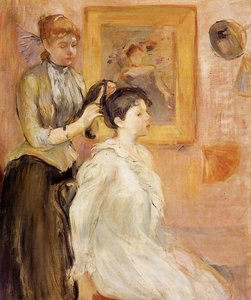
”Klippan”
 Olja på duk
- Väggkonst
- Impressionist Style
 1872
1872- talet
 46.0 x 56.0 cm
 Musée d'Orsay
Berthe Morisots känsliga målning 'Klippan' fångar en ögonblick av kärlek och omsorg mellan mor och barn. Impressionistisk skönhet i mjuka färger och flytande penseldrag.
 Visa mer
Berthe Morisot: En pionjär inom impressionismen känd för intima hushållsscener och suggestivt ljus. Utforska hennes unika stil & arv tillsammans med Édouard Manet.
Få en utskriftsfärdig fil som vida överträffar webbförhandsvisningen. Varje digital bild vi säljer kommer från en högupplöst master i vår bilddatabas – vanligtvis mellan 5 000 och 15 000 pixlar bred – så att du med trygghet kan göra stora utskrifter, beskära tätt eller återge fina detaljer.
Ingen fil lämnar vår studio utan att ha bearbetats. En digital expert kontrollerar färgerna mot originalmålningen och korrigerar dem vid behov, för att sedan förbättra skärpa och detaljrikedom med professionella retuscheringsverktyg — alltid med full respekt för konstnärens penseldrag och stil. Resultatet är en bild som ser ut som målningen, inte som en filtrerad skanning.
Du godkänner innan arbetet slutförs: vår expert skickar bilden via e-post inom 72 timmar för din granskning. Inte nöjd? Be om förbättringar eller korrigeringar, eller begär återbetalning om kvaliteten inte lever upp till förväntningarna.
Detta är den kvalitet som förlag, designstudior, gallerier och tryckerier litar på.
Digital bild
Ladda ner en högupplöst fil för personlig visning, utskrift och kreativa projekt. ( Byt till tryck Beställ handmålad reproduktion)
Ingår i varje beställning av digital bild
Professionell digital leverans, garanterad
När du väljer TopImpressionists.com får du inte bara en bild – du får ett professionellt förädlat digitalt konstverk, skapat med precision och med en garanterad tillfredsställelse. Här är allt som ingår i din beställning, automatiskt:

Snabb leverans via e-post
Din högupplösta digitala bild skickas till dig via e-post inom 72 timmar efter beställning – redo för omedelbar användning.

AI-förbättrad digital fil
Ditt konstverk optimeras professionellt med hjälp av avancerade AI-verktyg och manuell redigering, vilket garanterar maximal detaljrikedom, skärpa och färgnoggrannhet.

Fri livstidsåterleverans
Har du råkat radera eller tappa bort din fil? Ingen oro – vi skickar den kostnadsfritt till dig när som helst.

Inga importavgifter – någonsin
Njut av ditt konstverk omedelbart utan tull, importavgifter eller leveranskostnader – digitala nedladdningar är alltid skattefria.

Garanterad färgåtergivning
Vi säkerställer att din digitala bild återger de ursprungliga färgerna så exakt som möjligt med hjälp av professionella verktyg och färghantering.

100 dagars nöjdhetsgaranti
Om du inte är nöjd med din digitala bild kommer vi att revidera den eller återbetala 100% inom 100 dagar – utan frågor.

100% pengarna-tillbaka-garanti
Inte nöjd? Få full återbetalning inom 100 dagar efter att du mottagit din digitala fil – utan frågor.

Rabatt vid storköp
Köp 3 bilder, spara 10% – Köp 5, spara 15% – Köp 10+, spara 20%. Perfekt för kreativa projekt, gallerier och byråer.
En Ögonblicksfull Porträtt av Moderlighet
Berthe Morisot’s “The Cradle” (Le Berceau), painted in 1872, isn't merely a depiction of a sleeping infant; it’s a profound exploration of motherhood, intimacy, and the quiet beauty of domestic life. Within the Musée d’Orsay i Paris, this Impressionist masterpiece invites us into a private sphere, capturing a fleeting moment of tenderness between a woman – Morisot’s sister Edma – and her child, Blanche. The painting immediately draws the eye with its soft, diffused light and the gentle curves of the draped fabric, creating an atmosphere of serene warmth that feels both familiar and deeply moving.
Morisot's genius lies in her ability to convey emotion through subtle brushstrokes and a masterful use of color. She eschews sharp outlines and precise detail, instead favoring loose, flowing lines that capture the ephemeral quality of light and shadow. The palette is muted – predominantly pinks, oranges, purples, and golds – reflecting the soft glow of a late afternoon sun filtering through the window. This careful orchestration of hues contributes significantly to the painting’s dreamlike atmosphere, transporting the viewer into a world of quiet contemplation.
Impressionismens Intimitet och Teknik
As a key figure in the Impressionist movement, Morisot embraced the techniques pioneered by artists like Monet and Degas. Her brushwork is characterized by rapid, broken strokes applied with a delicate touch – a technique designed to capture the fleeting effects of light and atmosphere rather than create a photographic representation. Notice how she builds up layers of paint, allowing them to blend and merge seamlessly, creating a sense of depth and luminosity. The use of *alla prima* painting—working directly on the canvas without preliminary sketches—further enhances this immediacy and spontaneity.
- Loose Brushwork: Morisot’s signature style emphasizes fluidity and movement.
- Color Harmony: Muted tones create a sense of tranquility and intimacy.
- Light and Shadow: The skillful rendering of light is central to the painting's emotional impact.
Historisk Kontext och Symbolik
“The Cradle” was exhibited at the First Impressionist Exhibition in 1874, a pivotal moment for the movement as it sought to challenge the established art world. Despite not achieving immediate commercial success, the painting’s quiet beauty and emotional resonance garnered critical attention. The image itself is rich with symbolism. The sleeping infant represents innocence, vulnerability, and new life – themes deeply intertwined with the concept of motherhood. The woman's attentive gaze, her hand gently supporting the cradle, speaks volumes about her protective instincts and unwavering love. The draped fabric creates a sense of enclosure, suggesting both safety and intimacy.
Furthermore, the painting’s composition—a diagonal formed by the mother’s gaze and the cradle itself—creates a dynamic tension between the present moment and the future. It's a visual representation of the enduring bond between mother and child, a connection that transcends time and circumstance. The inclusion of the sunset backdrop adds to this sense of timelessness, evoking feelings of nostalgia and reflection.
Varför Samla eller Reproducera?
“The Cradle” is more than just a beautiful painting; it’s a poignant meditation on the complexities of motherhood and the quiet joys of domestic life. It offers art lovers and collectors a timeless glimpse into the heart of the Impressionist movement, capturing a moment of profound tenderness with Morisot's exceptional skill and sensitivity. A high-quality reproduction allows you to bring this evocative image into your home, transforming any space into a sanctuary of peace and beauty. Consider it not just as decoration, but as a testament to the enduring power of love and family—a reminder of the simple yet profound moments that shape our lives.
Frågor och svar
Vilken känsla förmedlar Impressionist Style-verket "”Klippan”"?
Den Tröstande och tryggt känslan i "”Klippan”" ackompanjeras av dess Impressionist Style-stil.
Hur gammal var Berthe Morisot när "”Klippan”" skapades?
När "”Klippan”" skapades år 1872, var Berthe Morisot – född 1841 – 31 år gammal.
Hur balanserar "”Klippan”" ljus och mörker?
De registrerade värdena för "”Klippan”" av Berthe Morisot är: strålande i ljusstyrka och Ljusstyrka i luminans.
Liknande konstverk



Konstnärsbiografi
A Life Immersed in Light and Intimacy
Berthe Morisot, född i Bourges 1841 och död i Paris 1895, var en fransk målare som blev en av de mest framstående figurerna inom impressionismen. Hennes berättelse sträcker sig långt bortom att bara vara en ”kvinna inom impressionismen”; att definiera henne enbart utifrån kön förminskar den djupgående originaliteten i hennes konstnärliga vision och hennes obevekliga engagemang för att fånga de flyktiga ögonblicken av modern tid. Hon härstamade från en borgerskapfamilj med konstnärligt arv – hon var släkting till den berömda rokokoförfattaren Jean-Honoré Fragonard – och fick en utbildning som var ovanlig för kvinnor i hennes ålder, en som främjade hennes naturliga talang och gav henne en livslång dedikation till måleri. Tidiga lektioner med Geoffroy-Alphonse Chocarne och Joseph Guichard gav henne grundläggande färdigheter, men det var exponeringen mot mästerverken i Louvren, där hon kopierade verk av de gamla mästarna, som verkligen tände hennes konstnärliga känslighet. Denna period av rigorös träning lade grunden för hennes senare utforskningar av ljus, färg och form. Jean-Baptiste-Camille Corots inflytande var särskilt betydelsefullt; hans betoning på *plein air*-måleri – att måla utomhus direkt från naturen – blev en hörnsten i Morisots metod, vilket tillät henne att fånga ljusets och atmosfärens flyktiga kvaliteter med stor känslighet.Navigating the Impressionist Circle
Morisot konstnärliga resa var tätt sammanflätad med den av Édouard Manet, som hon träffade 1864. Deras relation var präglad av ömsesidig respekt och intellektuell utbyte, där Manet fungerade som mentor och vän. Han målade flera porträtt av henne, vilket förevigade hennes närvaro i sin egen utvecklande stil. Men Morisot var inte bara ett motiv; hon deltog aktivt i den blomstrande impressionistiska rörelsen, blev medlem i gruppen tillsammans med Monet, Degas, Renoir och Pissarro. 1874 vågade hon sig att utställas med denna grupp av ”fördömda” konstnärer, trotsa de konservativa standarderna för den officiella Salongen. Denna första impressionistiska utställning markerade en vändpunkt i konsthistorien, utmanade traditionella akademiska konventioner och banade väg för nya former av konstuttryck. Morisot deltog i nästan alla efterföljande impressionistiska utställningar, visade ständigt sin unika perspektiv och stärkte sin position inom den avantgardistiska kretsen. Hennes verk, som ofta skildrade intima scener från det hemviste eller porträtt av kvinnor, erbjöd en distinkt kvinnlig blick, utmanade rådande samhällsnormer och utvidgade omfånget av acceptabelt motiv för kvinnliga konstnärer.A Distinctive Artistic Voice
Vad som särskiljer Morisot är inte bara *vad* hon målade, utan *hur* hon målade det. Hennes penseldrag kännetecknas av sin delikata flyt, en lätthet i beröringen som förmedlar ett intryck av spontanitet och omedelbarhet. Hon behärsktes att använda brutna färger – att applicera små droppar av ren pigment sida vid sida för att skapa en skimrande effekt av ljus och atmosfär. Till skillnad från vissa av hennes impressionistiska kollegor som fokuserade på storslagna landskap eller livliga stadsscener, valde Morisot ofta intima interiörscener och porträtt, utforskade nyanserna i mänskliga relationer och den tysta skönheten i vardagslivet. Hennes palett är vanligtvis mjuk och harmonisk, med fokus på pastellfärger och subtila färggraderingar. Detta innebär inte att hennes verk saknar styrka; snarare har det en raffinerad elegans och emotionell djup som resonerar hos betraktarna även idag. Kritikern Gustave Geffroy hyllade henne 1894 som en av ”les trois grandes dames” (de tre stora damerna) inom impressionismen – tillsammans med Marie Bracquemond och Mary Cassatt – och erkände hennes betydelsefulla bidrag till rörelsen.Legacy and Lasting Influence
Berthe Morisot’s liv avslutades tragiskt 1895, men hennes konstnärliga arv består. Hon gifte sig med Eugène Manet, bror till Édouard, och navigerade en värld som ofta underskattade kvinnliga konstnärer, men hon fortsatte att sträva efter sina mål med obeveklig beslutsamhet. Hon utställde under sitt fullständiga smeknamn – ett subtilt tecken på självständighet och självkänsla – och utmanade konventionella förväntningar konsekvent. Hennes verk hålls i prestigefyllda samlingar över hela världen, vilket är ett testamente till hennes bestående talang och hennes avgörande roll i att forma modern konsthistoria. *Woman in the Green Dress*, *The Cradle* och *Summer’s Day* är ikoniska exempel på hennes beherskade teknik, som bjuder betraktare in till en värld av ljus, intimitet och tyst kontemplation.
Berthe Morisot
1841 - 1895 , Frankrike
Kort om konstnären
- Artistic Movement Or Style: Impressionism
- Artists Or Movements Influenced By This Artist: ['Impressionism']
- Artists Who Influenced This Artist:
- Corot
- Manet
- Date Of Birth: 14 januari 1841
- Date Of Death: 2 mars 1895
- Full Name: Berthe Morisot
- Nationality: Fransk
- Notable Artworks:
- Kvinnan i grönt
- Slafen
- Sommardag
- Place Of Birth: Bourges, Frankrike