


 Visa i rummet
 Skicka
 Dela
Dela
 Detaljer
 Studentguide för konstverk

 Ladda ner
 Liknande objekt
 Röntgen
 Bildspel
 Besökstatistik
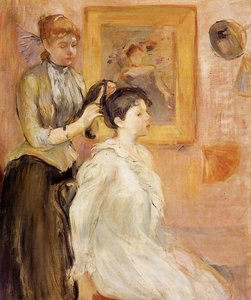
”Klippan”
 Olja på duk
- Väggkonst
- Impressionist Style
 1872
1872- talet
 46.0 x 56.0 cm
 Musée d'Orsay
Berthe Morisots känsliga målning 'Klippan' fångar en ögonblick av kärlek och omsorg mellan mor och barn. Impressionistisk skönhet i mjuka färger och flytande penseldrag.
 Läs mer
Berthe Morisot: En pionjär inom impressionismen känd för intima hushållsscener och suggestivt ljus. Utforska hennes unika stil & arv tillsammans med Édouard Manet.
Giclée / Konsttryck
Giclée- eller canvasprint av museumskvalitet med snabb produktion och flexibla ytbehandlingsalternativ. ( Köp handmålat konstverk Byt till digital bildförsäljning)




P118B Skr10

P118H Skr10

P118W Skr10

P438Z Skr10

P508JH Skr12

P508YH Skr12

P805H Skr10

P805Z Skr10

P919BZ Skr10

P919G Skr10

P919XJ Skr10

P959ZH Skr10

P968JZ Skr12

W106C Skr8

W218G Skr10

W218JH Skr8

W218Y Skr10

W307PJ Skr10

W316G Skr10

W316PJ Skr8

W316Y Skr10

W398PJ Skr8

W4111J Skr10

W500HY Skr15

W500JH Skr15

W692G Skr12

W849H Skr8

W940BG Skr15

W953PJ Skr8




Standardstorlek
anpassad
CM
INCH
Välj bland våra förinställda storlekar som motsvarar konstverkets ursprungliga proportioner.
Loading sizes...

bredd
höjd
Ange den bredd och höjd du behöver, för att passa din ram eller din vägg. Ett tryck kan endast beskäras, aldrig göras större än bilden, vilket innebär att ett format med en annan formform leder till att en del av bilden går förlorad. Vi skickar en digital mockup för godkännande innan vi trycker något. Bilden som visas på denna sida visar inte den faktiska beskärningen — det är endast mockuppen som gör det.
Leverans över hela världen () på 2 veckor istället för standard 4/5 veckor. (25 oktober)

Fri expressfrakt över hela världen

Högkvalitativ linnecanvas

Fullständig fraktförsäkring

Garantier för återbetalning av tullavgifter

Garantier för exakt färgåtergivning

100 dagars returrätt vid fabrikationsfel

100% pengarna tillbaka-garanti

Mängdrabatt erbjuds
 Glasalternativet är endast tillgängligt i storlekar under 110 cm.

”Klippan”
Giclée / Konsttryck
Reproduktionsstorlek
-


Totalpris
Skr 684
En Ögonblicksfull Porträtt av Moderlighet
Berthe Morisot’s “The Cradle” (Le Berceau), painted in 1872, isn't merely a depiction of a sleeping infant; it’s a profound exploration of motherhood, intimacy, and the quiet beauty of domestic life. Within the Musée d’Orsay i Paris, this Impressionist masterpiece invites us into a private sphere, capturing a fleeting moment of tenderness between a woman – Morisot’s sister Edma – and her child, Blanche. The painting immediately draws the eye with its soft, diffused light and the gentle curves of the draped fabric, creating an atmosphere of serene warmth that feels both familiar and deeply moving.
Morisot's genius lies in her ability to convey emotion through subtle brushstrokes and a masterful use of color. She eschews sharp outlines and precise detail, instead favoring loose, flowing lines that capture the ephemeral quality of light and shadow. The palette is muted – predominantly pinks, oranges, purples, and golds – reflecting the soft glow of a late afternoon sun filtering through the window. This careful orchestration of hues contributes significantly to the painting’s dreamlike atmosphere, transporting the viewer into a world of quiet contemplation.
Impressionismens Intimitet och Teknik
As a key figure in the Impressionist movement, Morisot embraced the techniques pioneered by artists like Monet and Degas. Her brushwork is characterized by rapid, broken strokes applied with a delicate touch – a technique designed to capture the fleeting effects of light and atmosphere rather than create a photographic representation. Notice how she builds up layers of paint, allowing them to blend and merge seamlessly, creating a sense of depth and luminosity. The use of *alla prima* painting—working directly on the canvas without preliminary sketches—further enhances this immediacy and spontaneity.
- Loose Brushwork: Morisot’s signature style emphasizes fluidity and movement.
- Color Harmony: Muted tones create a sense of tranquility and intimacy.
- Light and Shadow: The skillful rendering of light is central to the painting's emotional impact.
Historisk Kontext och Symbolik
“The Cradle” was exhibited at the First Impressionist Exhibition in 1874, a pivotal moment for the movement as it sought to challenge the established art world. Despite not achieving immediate commercial success, the painting’s quiet beauty and emotional resonance garnered critical attention. The image itself is rich with symbolism. The sleeping infant represents innocence, vulnerability, and new life – themes deeply intertwined with the concept of motherhood. The woman's attentive gaze, her hand gently supporting the cradle, speaks volumes about her protective instincts and unwavering love. The draped fabric creates a sense of enclosure, suggesting both safety and intimacy.
Furthermore, the painting’s composition—a diagonal formed by the mother’s gaze and the cradle itself—creates a dynamic tension between the present moment and the future. It's a visual representation of the enduring bond between mother and child, a connection that transcends time and circumstance. The inclusion of the sunset backdrop adds to this sense of timelessness, evoking feelings of nostalgia and reflection.
Varför Samla eller Reproducera?
“The Cradle” is more than just a beautiful painting; it’s a poignant meditation on the complexities of motherhood and the quiet joys of domestic life. It offers art lovers and collectors a timeless glimpse into the heart of the Impressionist movement, capturing a moment of profound tenderness with Morisot's exceptional skill and sensitivity. A high-quality reproduction allows you to bring this evocative image into your home, transforming any space into a sanctuary of peace and beauty. Consider it not just as decoration, but as a testament to the enduring power of love and family—a reminder of the simple yet profound moments that shape our lives.
Frågor och svar
Vilken reproduktionsstorlek rekommenderas för "”Klippan”" av Berthe Morisot?
Rekommenderad tryckstorlek för "”Klippan”" av Berthe Morisot är Mellanformat.
Under vilket år och inom vilken stil skapades "”Klippan”"?
"”Klippan”" skapades år 1872 som ett verk inom Impressionist Style-rörelsen. Datum och stil placerar konstverket i sin rätta plats i konsthistorien.
Vilka är de faktiska måtten på "”Klippan”" av Berthe Morisot?
"”Klippan”" mäter 46 x 56 cm i sin originalform. Originalmåtten är en bra referens när du väljer storlek på en reproduktion.
Liknande konstverk



Om konstnären
A Life Immersed in Light and Intimacy
Berthe Morisot, född i Bourges 1841 och död i Paris 1895, var en fransk målare som blev en av de mest framstående figurerna inom impressionismen. Hennes berättelse sträcker sig långt bortom att bara vara en ”kvinna inom impressionismen”; att definiera henne enbart utifrån kön förminskar den djupgående originaliteten i hennes konstnärliga vision och hennes obevekliga engagemang för att fånga de flyktiga ögonblicken av modern tid. Hon härstamade från en borgerskapfamilj med konstnärligt arv – hon var släkting till den berömda rokokoförfattaren Jean-Honoré Fragonard – och fick en utbildning som var ovanlig för kvinnor i hennes ålder, en som främjade hennes naturliga talang och gav henne en livslång dedikation till måleri. Tidiga lektioner med Geoffroy-Alphonse Chocarne och Joseph Guichard gav henne grundläggande färdigheter, men det var exponeringen mot mästerverken i Louvren, där hon kopierade verk av de gamla mästarna, som verkligen tände hennes konstnärliga känslighet. Denna period av rigorös träning lade grunden för hennes senare utforskningar av ljus, färg och form. Jean-Baptiste-Camille Corots inflytande var särskilt betydelsefullt; hans betoning på *plein air*-måleri – att måla utomhus direkt från naturen – blev en hörnsten i Morisots metod, vilket tillät henne att fånga ljusets och atmosfärens flyktiga kvaliteter med stor känslighet.Navigating the Impressionist Circle
Morisot konstnärliga resa var tätt sammanflätad med den av Édouard Manet, som hon träffade 1864. Deras relation var präglad av ömsesidig respekt och intellektuell utbyte, där Manet fungerade som mentor och vän. Han målade flera porträtt av henne, vilket förevigade hennes närvaro i sin egen utvecklande stil. Men Morisot var inte bara ett motiv; hon deltog aktivt i den blomstrande impressionistiska rörelsen, blev medlem i gruppen tillsammans med Monet, Degas, Renoir och Pissarro. 1874 vågade hon sig att utställas med denna grupp av ”fördömda” konstnärer, trotsa de konservativa standarderna för den officiella Salongen. Denna första impressionistiska utställning markerade en vändpunkt i konsthistorien, utmanade traditionella akademiska konventioner och banade väg för nya former av konstuttryck. Morisot deltog i nästan alla efterföljande impressionistiska utställningar, visade ständigt sin unika perspektiv och stärkte sin position inom den avantgardistiska kretsen. Hennes verk, som ofta skildrade intima scener från det hemviste eller porträtt av kvinnor, erbjöd en distinkt kvinnlig blick, utmanade rådande samhällsnormer och utvidgade omfånget av acceptabelt motiv för kvinnliga konstnärer.A Distinctive Artistic Voice
Vad som särskiljer Morisot är inte bara *vad* hon målade, utan *hur* hon målade det. Hennes penseldrag kännetecknas av sin delikata flyt, en lätthet i beröringen som förmedlar ett intryck av spontanitet och omedelbarhet. Hon behärsktes att använda brutna färger – att applicera små droppar av ren pigment sida vid sida för att skapa en skimrande effekt av ljus och atmosfär. Till skillnad från vissa av hennes impressionistiska kollegor som fokuserade på storslagna landskap eller livliga stadsscener, valde Morisot ofta intima interiörscener och porträtt, utforskade nyanserna i mänskliga relationer och den tysta skönheten i vardagslivet. Hennes palett är vanligtvis mjuk och harmonisk, med fokus på pastellfärger och subtila färggraderingar. Detta innebär inte att hennes verk saknar styrka; snarare har det en raffinerad elegans och emotionell djup som resonerar hos betraktarna även idag. Kritikern Gustave Geffroy hyllade henne 1894 som en av ”les trois grandes dames” (de tre stora damerna) inom impressionismen – tillsammans med Marie Bracquemond och Mary Cassatt – och erkände hennes betydelsefulla bidrag till rörelsen.Legacy and Lasting Influence
Berthe Morisot’s liv avslutades tragiskt 1895, men hennes konstnärliga arv består. Hon gifte sig med Eugène Manet, bror till Édouard, och navigerade en värld som ofta underskattade kvinnliga konstnärer, men hon fortsatte att sträva efter sina mål med obeveklig beslutsamhet. Hon utställde under sitt fullständiga smeknamn – ett subtilt tecken på självständighet och självkänsla – och utmanade konventionella förväntningar konsekvent. Hennes verk hålls i prestigefyllda samlingar över hela världen, vilket är ett testamente till hennes bestående talang och hennes avgörande roll i att forma modern konsthistoria. *Woman in the Green Dress*, *The Cradle* och *Summer’s Day* är ikoniska exempel på hennes beherskade teknik, som bjuder betraktare in till en värld av ljus, intimitet och tyst kontemplation.
Berthe Morisot
1841 - 1895 , Frankrike
Snabbfakta
- Artistic Movement Or Style: Impressionism
- Artists Or Movements Influenced By This Artist: ['Impressionism']
- Artists Who Influenced This Artist:
- Corot
- Manet
- Date Of Birth: 14 januari 1841
- Date Of Death: 2 mars 1895
- Full Name: Berthe Morisot
- Nationality: Fransk
- Notable Artworks:
- Kvinnan i grönt
- Slafen
- Sommardag
- Place Of Birth: Bourges, Frankrike
Relaterade artiklar

Capturing the Soul: The Ethereal Magic and Timeless Technique of Impressionist Portraiture
Discover the ethereal beauty of Impressionist portraiture. Explore how masters like Monet and Renoir captured light and soul through brushwork, and learn how to bring this timeless magic into your home with exquisite, hand-painted oil reproductions from TopImpressionists.com.

Capturing the Drama: How Impressionist Light and Shadow Transform Your Living Space
Discover how the luminous light and dramatic shadows of Impressionist masterpieces can transform your home. Explore expert insights on using Renoir, Monet, and Cézanne to create a serene, culturally rich sanctuary through museum-quality, hand-painted oil reproductions.

Capturing the Light of Amsterdam: A Journey Through Impressionist Masterpieces of the Dutch Canals
Embark on a visual journey through the luminous Amsterdam canals. Discover how Impressionist masters captured the fleeting light of the Dutch landscape through evocative brushwork and color. Explore the timeless beauty of these masterpieces for your private art collection.

The Luminous Living Room: Curating Your Space with Timeless Impressionist Masterpieces
Transform your living room with the luminous beauty of Impressionist masterpieces. Discover museum-quality, hand-painted oil reproductions from Monet to Renoir, curated for the discerning collector seeking timeless elegance and soulful interior design.

Dining Room Elegance: Transforming Your Space with Impressionist Masterpieces
Elevate your dining room with the luminous beauty of Impressionist masterpieces. Discover how hand-painted Claude Monet and Renoir reproductions can transform your space into a sanctuary of light, color, and timeless elegance for your home.
Utforska konstverk sorterade efter tema, stil och egenskaper.


